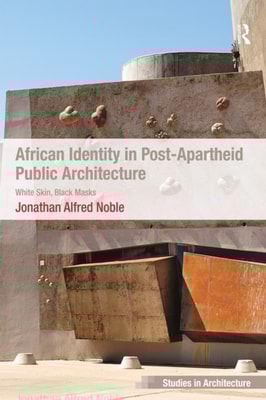
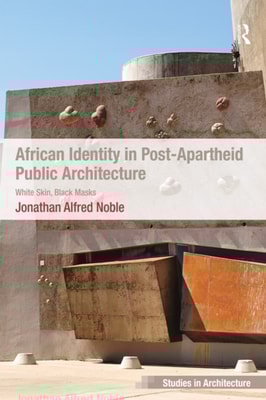
Since the end of Apartheid, there has been a new orientation in South African art and design, turning away from the colonial aesthetics to new types of African expression.
Since the end of Apartheid, there has been a new orientation in South African art and design, turning away from the colonial aesthetics to new types of African expression.
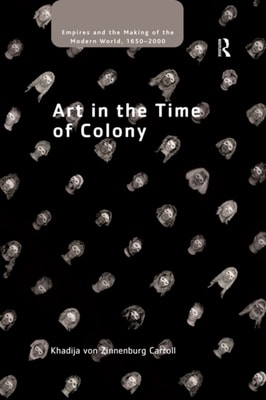
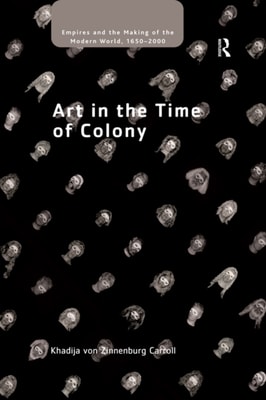
It is often assumed that the verbal and visual languages of Indigenous people had little influence upon the classification of scientific, legal, and artistic objects in the metropolises and museums of nineteenth-century colonial powers.
It is often assumed that the verbal and visual languages of Indigenous people had little influence upon the classification of scientific, legal, and artistic objects in the metropolises and museums of nineteenth-century colonial powers.
American Empire in the Pacific explores the empire that emerged from the Oregon Treaty of 1846 with Great Britain and the outcome of the Mexican War in 1848.
American Empire in the Pacific explores the empire that emerged from the Oregon Treaty of 1846 with Great Britain and the outcome of the Mexican War in 1848.
Reflecting the best recent scholarship of Early America and the Early Republic, the articles in this collection study the many dimensions of American political history.
Reflecting the best recent scholarship of Early America and the Early Republic, the articles in this collection study the many dimensions of American political history.
During the seventeenth century, the Dutch and English emerged as the world's leading trading nations, building their prosperity largely upon their maritime successes.
During the seventeenth century, the Dutch and English emerged as the world's leading trading nations, building their prosperity largely upon their maritime successes.
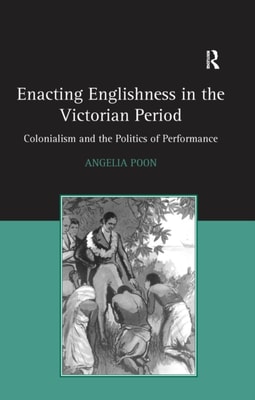
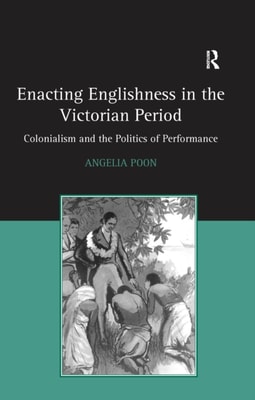
Angelia Poon examines how British colonial authority in the nineteenth century was predicated on its being rendered in ways that were recognizably 'English'.
Angelia Poon examines how British colonial authority in the nineteenth century was predicated on its being rendered in ways that were recognizably 'English'.
Since the 1950s historians of the colonial era in North, South and Central America have extended the frontiers of basic general knowledge enormously; this rich historiographical tradition has generated robust methodological discussions about how to study the European encounter in the light of the experience of the indigenous peoples of the Americas.
Since the 1950s historians of the colonial era in North, South and Central America have extended the frontiers of basic general knowledge enormously; this rich historiographical tradition has generated robust methodological discussions about how to study the European encounter in the light of the experience of the indigenous peoples of the Americas.
Regular commercial contacts between Europe and Asia date back to at least the early years of the Christian era, but the pattern of trade underwent a structural modification following the Portuguese discovery of a route to the East Indies via the Cape of Good Hope.
Regular commercial contacts between Europe and Asia date back to at least the early years of the Christian era, but the pattern of trade underwent a structural modification following the Portuguese discovery of a route to the East Indies via the Cape of Good Hope.
European intrusions had many impacts on invaded peoples, but less attention has often been paid to changes brought about by the encounter in everyday life and behaviour, both for the Europeans and the other cultures.
European intrusions had many impacts on invaded peoples, but less attention has often been paid to changes brought about by the encounter in everyday life and behaviour, both for the Europeans and the other cultures.
This volume presents legal, religious and demographic aspects of the transfer of European family organisations to new environments in the overseas colonies, and illustrates the impacts of contact with other ethnic groups.
This volume presents legal, religious and demographic aspects of the transfer of European family organisations to new environments in the overseas colonies, and illustrates the impacts of contact with other ethnic groups.
The perception of Europeans of the world and of the peoples beyond Europe has become in recent years the subject of intense scholarly interest and heated debate both in and outside the academy.
The perception of Europeans of the world and of the peoples beyond Europe has become in recent years the subject of intense scholarly interest and heated debate both in and outside the academy.
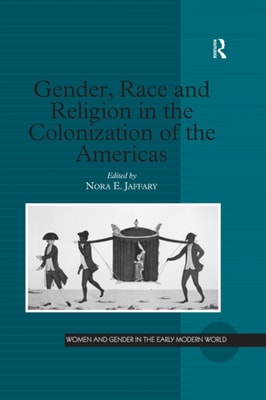
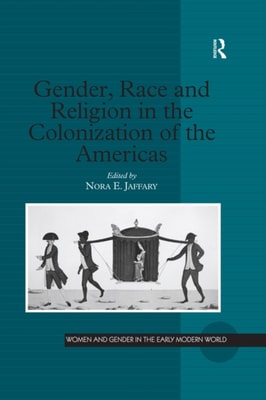
When Europe introduced mechanisms to control New World territories, resources and populations, women-whether African, indigenous, mixed race, or European-responded and participated in multiple ways.
When Europe introduced mechanisms to control New World territories, resources and populations, women-whether African, indigenous, mixed race, or European-responded and participated in multiple ways.
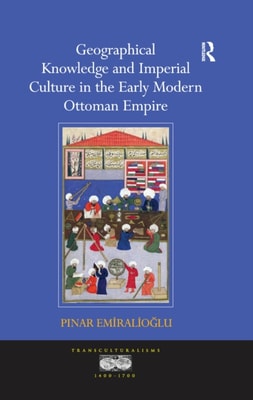
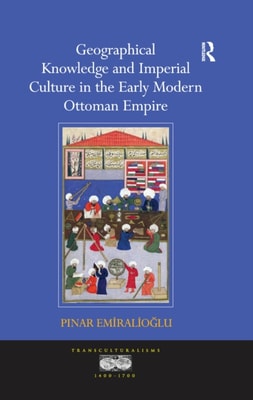
Exploring the reasons for a flurry of geographical works in the Ottoman Empire in the sixteenth century, this study analyzes how cartographers, travellers, astrologers, historians and naval captains promoted their vision of the world and the centrality of the Ottoman Empire in it.
Exploring the reasons for a flurry of geographical works in the Ottoman Empire in the sixteenth century, this study analyzes how cartographers, travellers, astrologers, historians and naval captains promoted their vision of the world and the centrality of the Ottoman Empire in it.
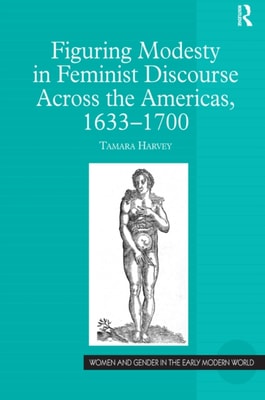
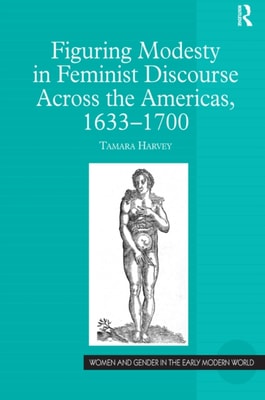
Inventive in its approach and provocative in its analysis, this study offers fresh readings of the arguments and practices of four seventeenth-century Euro-American women: Anne Bradstreet, Anne Hutchinson, Sor Juana Ines de la Cruz, and Marie de l'Incarnation.
Inventive in its approach and provocative in its analysis, this study offers fresh readings of the arguments and practices of four seventeenth-century Euro-American women: Anne Bradstreet, Anne Hutchinson, Sor Juana Ines de la Cruz, and Marie de l'Incarnation.
In 1833 John Herschel sailed from London to Cape Town, southern Africa, to undertake (at his own expense) an astronomical exploration of the southern heavens, as well as a terrestrial exploration of the area around Cape Town.
In 1833 John Herschel sailed from London to Cape Town, southern Africa, to undertake (at his own expense) an astronomical exploration of the southern heavens, as well as a terrestrial exploration of the area around Cape Town.