At a particularly urgent world-historical moment, this volume brings together some of the leading researchers of social movements and global social change and other emerging scholars and practitioners to advance new thinking about social movements and global transformation.
At a particularly urgent world-historical moment, this volume brings together some of the leading researchers of social movements and global social change and other emerging scholars and practitioners to advance new thinking about social movements and global transformation.
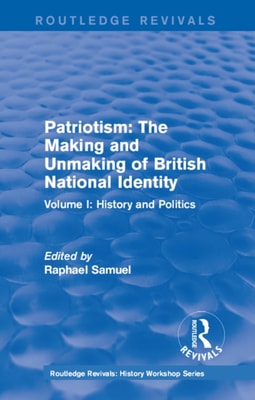
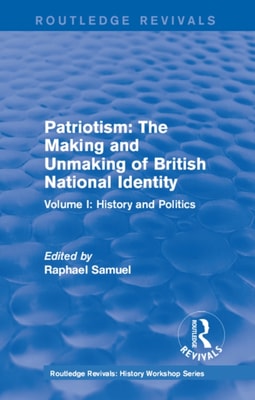
First published in 1989, this is the first of three volumes exploring the changing notions of patriotism in British life from the thirteenth century to the late twentieth century and constitutes an attempt to come to terms with the power of the national idea through a historically informed critique.
First published in 1989, this is the first of three volumes exploring the changing notions of patriotism in British life from the thirteenth century to the late twentieth century and constitutes an attempt to come to terms with the power of the national idea through a historically informed critique.
First published in 1989, this is the third of three volumes exploring the changing notions of patriotism in British life from the thirteenth century to the late twentieth century and constitutes an attempt to come to terms with the power of the national idea through a historically informed critique.
First published in 1989, this is the third of three volumes exploring the changing notions of patriotism in British life from the thirteenth century to the late twentieth century and constitutes an attempt to come to terms with the power of the national idea through a historically informed critique.
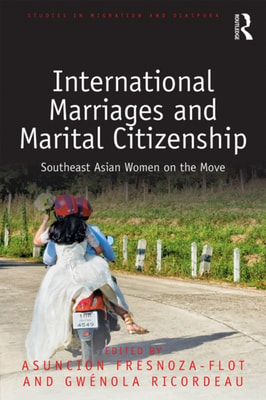
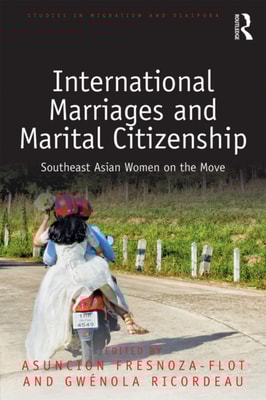
While marriage has lost its popularity in many developed countries and is no longer an obligatory path to family formation, it has gained momentum among binational couples as states reinforce their control over human migration.
While marriage has lost its popularity in many developed countries and is no longer an obligatory path to family formation, it has gained momentum among binational couples as states reinforce their control over human migration.
In the past decade, historians have begun to make use of the optic of 'transnationalism', a perspective used traditionally by social anthropologists and sociologists in their study of the movement and flow of ideas between continents and countries.
In the past decade, historians have begun to make use of the optic of 'transnationalism', a perspective used traditionally by social anthropologists and sociologists in their study of the movement and flow of ideas between continents and countries.
First published in 1939, this book sets out to refute some of the 'unjust charges laid at India's door' and correct the 'false impressions' that prevailed at the time.
First published in 1939, this book sets out to refute some of the 'unjust charges laid at India's door' and correct the 'false impressions' that prevailed at the time.
First published in 1930, this book sought to explain to western readers the vital necessity of approaching the 'Indian problem' from the emerging national standpoint in India, and of appreciating its ideals.
First published in 1930, this book sought to explain to western readers the vital necessity of approaching the 'Indian problem' from the emerging national standpoint in India, and of appreciating its ideals.
A ground-breaking work in Africana political thought that links the plight of progressive political endeavors in Africa with those in the Diaspora and beyond, Democratic Tragedy in the Postcolony engages with two of the defining political sagas of the postcolonial era.
A ground-breaking work in Africana political thought that links the plight of progressive political endeavors in Africa with those in the Diaspora and beyond, Democratic Tragedy in the Postcolony engages with two of the defining political sagas of the postcolonial era.
Cool Britannia and Multi-Ethnic Britain: Uncorking the Champagne Supernova attempts to move away from the melancholia of Cool Britannia and the discourse which often encases the period by repositioning this phenomenon through an ethnic minority perspective.
Cool Britannia and Multi-Ethnic Britain: Uncorking the Champagne Supernova attempts to move away from the melancholia of Cool Britannia and the discourse which often encases the period by repositioning this phenomenon through an ethnic minority perspective.
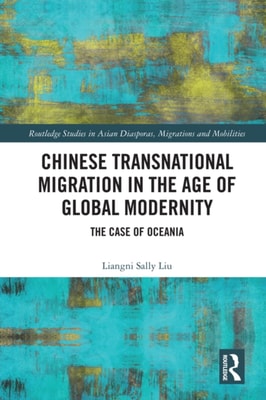
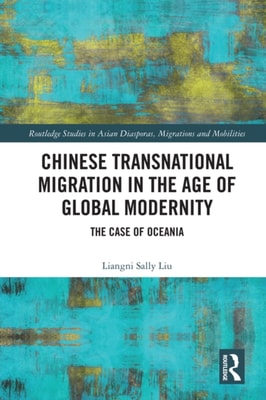
The term 'circulatory transnational migration' best describes the unconventional migratory route of many contemporary Chinese migrants - that is an unfinished set of circulatory movements that these migrants engage in between the homeland and various host countries.
The term 'circulatory transnational migration' best describes the unconventional migratory route of many contemporary Chinese migrants - that is an unfinished set of circulatory movements that these migrants engage in between the homeland and various host countries.
During the late eighteenth and early nineteenth centuries the fertile islands of Zanzibar and Pemba became of central importance to East Africa's growing contact with the international economy as the ruling dynasty encouraged trade in cloves, slaves and ivory.
During the late eighteenth and early nineteenth centuries the fertile islands of Zanzibar and Pemba became of central importance to East Africa's growing contact with the international economy as the ruling dynasty encouraged trade in cloves, slaves and ivory.
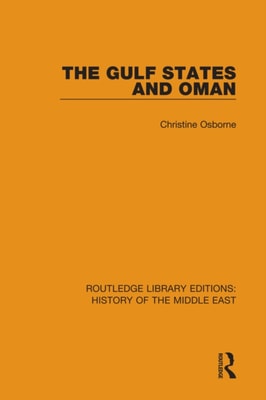
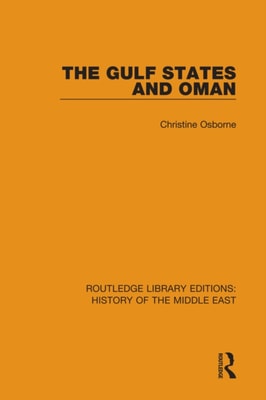
This book, first published in 1994, provides a comprehensive treatment of a crucial set of geopolitical issues from a region where political developments are observed with great care and some trepidation by the rest of the world.
This book, first published in 1994, provides a comprehensive treatment of a crucial set of geopolitical issues from a region where political developments are observed with great care and some trepidation by the rest of the world.
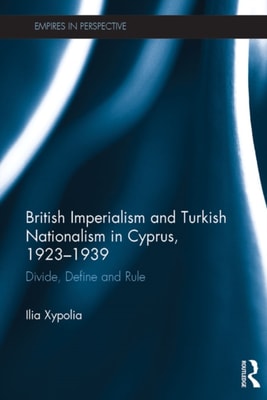
As Cyprus experienced British imperial rule between 1878 and 1960, Greek and Turkish nationalism on the island developed at different times and at different speeds.
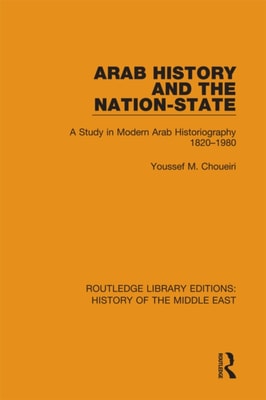
The study of Arab historiography and of the emergence of the Arab nation-state as an object of historical treatment is a matter of considerable current interest.
The study of Arab historiography and of the emergence of the Arab nation-state as an object of historical treatment is a matter of considerable current interest.
This book revisits and analyzes three of the most accomplished twentieth century Black Diaspora activists: Malcolm X (1925-1965), Stokely Carmichael (1941-1998) and Walter Rodney (1942-1980).
This book revisits and analyzes three of the most accomplished twentieth century Black Diaspora activists: Malcolm X (1925-1965), Stokely Carmichael (1941-1998) and Walter Rodney (1942-1980).
This book, first published in 1948, grew out of a series of lectures delivered since the War at the Middle East Centre for Arab Studies to British students who required a solid grounding in Middle East history and politics to assist in fitting them for active careers in the region.
This book, first published in 1948, grew out of a series of lectures delivered since the War at the Middle East Centre for Arab Studies to British students who required a solid grounding in Middle East history and politics to assist in fitting them for active careers in the region.
First published in 1937, this book grew out of the author's belief that there needed to be a 'drastic revision' of British policy on the North-West Frontier of India (now Khyber Pakhtunkhwa in Pakistan) in order to achieve a lasting peace.
First published in 1937, this book grew out of the author's belief that there needed to be a 'drastic revision' of British policy on the North-West Frontier of India (now Khyber Pakhtunkhwa in Pakistan) in order to achieve a lasting peace.
First published in 1938, this book aims to provide a history of the rise and growth of the Indian National Congress for the general reader, covering the period from its foundation in 1885 until the beginning of the non-co-operation movement in 1920.
First published in 1938, this book aims to provide a history of the rise and growth of the Indian National Congress for the general reader, covering the period from its foundation in 1885 until the beginning of the non-co-operation movement in 1920.