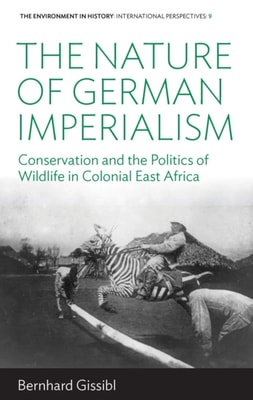
Today, the East African state of Tanzania is renowned for wildlife preserves such as the Serengeti National Park, the Ngorongoro Conservation Area, and the Selous Game Reserve.
Eighth Army, Britain's most famous field army of the twentieth century, landed in Italy in September 1943 and fought continously until the defeat of the Germans in early-May 1945.
Spanning more than two thousand years of African history, from the African Iron Age to the collapse of colonialism and the beginnings of independence, Hosea Jaffe's magisterial work remains one of the few to do full justice to the continent's complex and diverse past.
Spanning more than two thousand years of African history, from the African Iron Age to the collapse of colonialism and the beginnings of independence, Hosea Jaffe's magisterial work remains one of the few to do full justice to the continent's complex and diverse past.
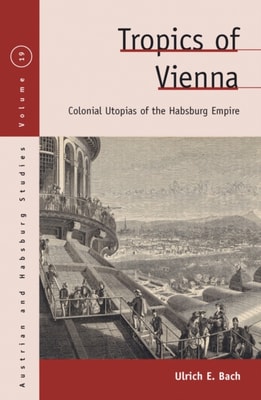
When European explorers went out into the world to open up trade routes and establish colonies, they brought back much more than silks and spices, cotton and tea.
When European explorers went out into the world to open up trade routes and establish colonies, they brought back much more than silks and spices, cotton and tea.
While there have been many analyses of American imperialism, few have equalled the breadth or insight of this seminal text, one of the first to provide a historical perspective on the origins of the American empire.
While there have been many analyses of American imperialism, few have equalled the breadth or insight of this seminal text, one of the first to provide a historical perspective on the origins of the American empire.
In the summer of 1914, our finest young men flocked to the colors in Northern towns and cities to answer Lord Kitcheners Call to Arms in a spontaneous burst of enthusiasm and patriotism.
In a new departure in the Battleground Europe series, this book is a guide to both sides of a major battle in this case to the Canadian Corps operations against 1st Bavarian Reserve Corps at Vimy from 9 12 April 1917, which formed part of the opening of the British offensive, known as the Battle of Arras.
The Battleground Europe series has helped create a new audience for the story of the desperate battles of World War I, But up to now the series has largely been concerned with the ground war.
Concentrating on the Ploegsteert and Neuve Eglise sectors in Belgium, this book features stories on such well known figures as sculptor Charles Sargent Jagger, ARA ; R Poulton Palmer and 'Tanky' Turner, great friends and rugby football captains of England and Scotland respectively; as well the discovery and eventual burial of a Lancashire Fuslier who was killed in action in 1914; the research leading to the erection in 2002 of a 'Believed to be buried' headstone in the Strand cemetery of an Australian killed in action at Messines in 1917; the action in 1914 that initiated the birth of the infamous 'Birdcage' on the western edge of Ploegsteert Wood and other stories of interest to enthusiasts of the Great War.
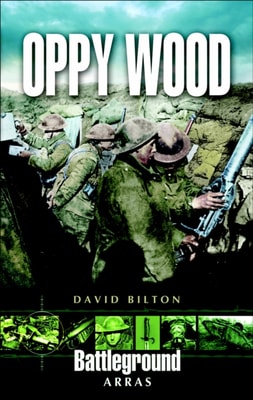
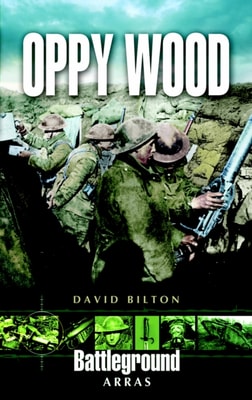
This latest book in the Battleground Europe series describes the battles over several years, and in particular 1917 and 1918, for a wood and small village.
Ninety years after the Battle of the Somme was fought, visitors continue to flock in very large numbers to the massive Memorial to the Missing at Thiepval, site of a bitter three-month struggle during the summer of 1916.
In a new departure in the Battleground Europe series, this book is a guide to both sides of a major battle in this case to the Canadian Corps operations against 1st Bavarian Reserve Corps at Vimy from 9 12 April 1917, which formed part of the opening of the British offensive, known as the Battle of Arras.
Ninety years after the Battle of the Somme was fought, visitors continue to flock in very large numbers to the massive Memorial to the Missing at Thiepval, site of a bitter three-month struggle during the summer of 1916.
This latest book in the Battleground Europe series describes the battles over several years, and in particular 1917 and 1918, for a wood and small village.
Concentrating on the Ploegsteert and Neuve Eglise sectors in Belgium, this book features stories on such well known figures as sculptor Charles Sargent Jagger, ARA ; R Poulton Palmer and 'Tanky' Turner, great friends and rugby football captains of England and Scotland respectively; as well the discovery and eventual burial of a Lancashire Fuslier who was killed in action in 1914; the research leading to the erection in 2002 of a 'Believed to be buried' headstone in the Strand cemetery of an Australian killed in action at Messines in 1917; the action in 1914 that initiated the birth of the infamous 'Birdcage' on the western edge of Ploegsteert Wood and other stories of interest to enthusiasts of the Great War.
The river Aisne featured prominently in August 1914 during the Retreat from Mons and in September was the scene of bitter fighting when the BEF re-crossed it in their unsuccessful attempt to dislodge the German Army entrenched along the Northern Crest.
The letters of John Max Staniforth are among the most perceptive, graphic and evocative personal records of a soldiers life to have come down to us from the Great War.