Created in a world of empires, the United States was to be something new: an expansive republic proclaiming commitments to liberty and equality but eager to extend its territory and influence.
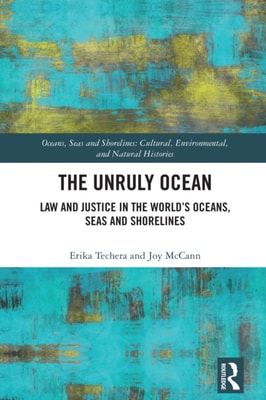
This book introduces non-specialist readers to the history of how human societies have sought to control, use and exploit our oceans, seas and shorelines over time in different geographical and cultural contexts.
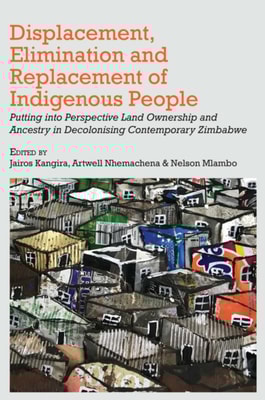
In 1859 the British "e;imported"e; 445 German settler families to strengthen the colonial borders in British Kaffraria (now Eastern Cape) in South Africa.
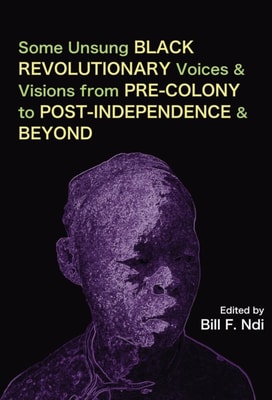
Although there have been a number of studies on Black resistance, very few of these have focused exclusively on such a wide range of resistance campaigns and strategies within a single volume.
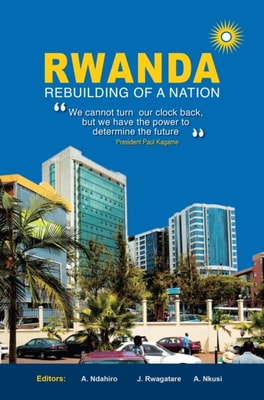
Rwanda: Rebuilding of a Nation is a story that takes the reader through a sweeping panorama of Rwanda,s history, from its recent past as a nearfailed state to its present as a beacon of hope and successful innovations.
The dawn of the twenty-first century heralded an apparent change of fortunes for most sub-Saharan African economies, with annual growth averaging over 5% for fifteen years.
Professor Russell-Wood's detailed studies of Brazilian social history in the colonial era have long been recognised as model contributions to the history of class, race, gender and religion.
This book on rights, entitlements and citizenship in post-apartheid South Africa shows how the playing field has not been as levelled as presumed by some and how racism and its benefits persist.
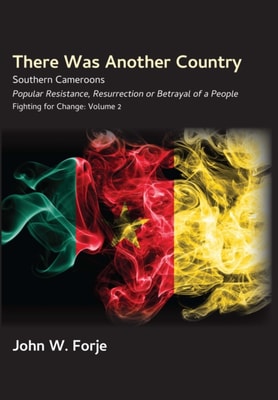
In this comprehensive, well-reasoned, critical, richly documented and boldly argued account on the Anglophone/Southern Cameroons/Ambazonia crisis, John Forje, a foremost scholar of identity politics in Cameroon, offers insightful explorations and explanations of histories and cultures of telling truth to power that have come to be associated with the people of the English-speaking region of Cameroon.
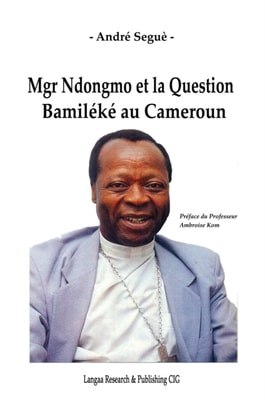
Plus de cent ans apr,s la naissance de Um Nyob, nous publions dans cet ouvrage des t,moignages et des r,flexions afin que les morts ne courent plus le risque d',tre une fois de plus tu,s.
This volume confronts black problems rooted in historical and material realities of oppression, colonialism, slavery, corruption, and subjugation in a world deaf to the cries, voices, and visions of heralds of an imminent black revolution.
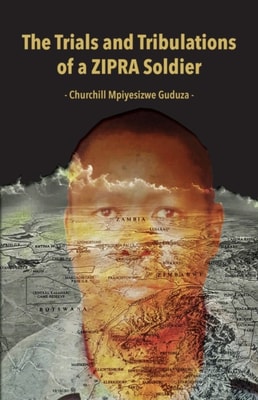
The Trials and Tribulations of a ZIPRA Soldier is a riveting spider web story of courage, determination, pursuit of justice and survival against all odds.
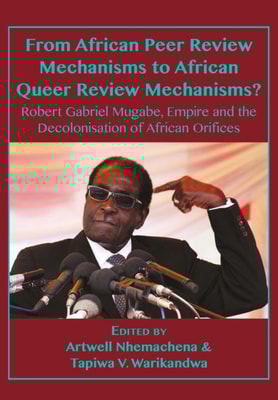
Tracing recent bouts of globalised Mugabephobia to Robert Mugabe,s refusal to be neoimperially penetrated, this book juxtaposes economic liberalisation with the mounting liberalisation of African orifices.
Colonial scholars have taken immense pleasure in portraying Africans as possessed by spirits but as lacking possession and ownership of their resources, including land.
Right from the enslavement era through to the colonial and contemporary eras, Africans have been denied their human essence , portrayed as indistinct from animals or beasts for imperial burdens, Africans have been historically dispossessed and exploited.
This book on rights, entitlements and citizenship in post-apartheid South Africa shows how the playing field has not been as levelled as presumed by some and how racism and its benefits persist.
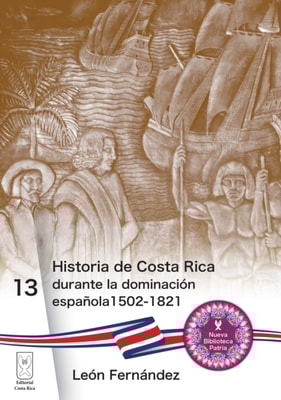
Esta obra ha mantenido su vigencia pues representa un enorme esfuerzo de sintesis documental y de ordenamiento logico y cronologico, resultado de un proceso de investigacion documental imposible de superar, dada la calidad del material rescatado por Leon Fernandez.
Hubo un tiempo, entre 1814 y 1820, en que las independencias hispanoamericanas –ese acontecimiento inaugural que solemos dar por sentado como una consecuencia "natural" de las guerras revolucionarias– peligraron y estuvieron literalmente en suspenso, a punto de verse sofocadas por fuerzas contrarrevolucionarias.
Vivimos sumergidos en la política, bombardeados por noticias nacionales o internacionales que yuxtaponen guerras, elecciones, crisis económicas, delitos de sangre.
This book presents a unique array of insights into Hong Kong's transition to China since the 1 July 1997 handover, from several perspectives around the region.
This book introduces non-specialist readers to the history of how human societies have sought to control, use and exploit our oceans, seas and shorelines over time in different geographical and cultural contexts.
This book looks at facets in the history of capitalism from the Enlightenment period, through the emergence of the American Empire in the Pacific, and to the contemporary era of neoliberal globalization.
This book analyses how public toilets were provided by the government and local business in Hong Kong between the 1860s and 1930s through a process that was embedded in class and racial politics.
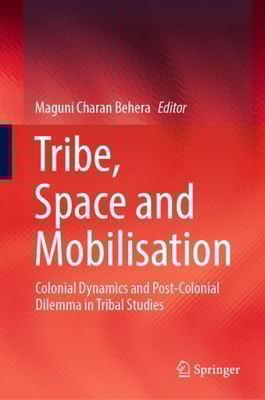
This book presents multidisciplinary critical engagement in Tribe-British relations, the interfacing between colonial mind and tribal worldview, and some of their contemporary implications to conceptualise tribal space and mobilisation at national, regional, and native levels.