This book develops a philosophical conception of human rights that responds satisfactorily to the challenges raised by cultural and political critics of human rights, who contend that the contemporary human rights movement is promoting an imperialist ideology, and that the humanitarian intervention for protecting human rights is a neo-colonialism.
This collection brings together essays examining the international influence of queens, other female rulers, and their representatives from 1450 through 1700, an era of expanding colonial activity and sea trade.
This book provides an interpretive narrative of the wars fought by Bulgaria against the Byzantine Empire for dominant control of the Balkan Peninsula during the early medieval era.
This book considers three defining movements driven from London and within the region that describe the experience of the Church of England in New England between 1686 and 1786.
This book analyses the processes and factors that contributed to the emergence and eventual consolidation of the Greek Cypriot Right in the era of British colonialism.
This book offers a new perspective on the cultural politics of the Napoleonic Empire by exploring the issue of language within four pivotal institutions - the school, the army, the courtroom and the church.
This book offers an analysis of the decolonisation process across three different regions around the world: Central America, Southeast Asia and the Caucasus.
This book looks back to the period 1860 to 1950 in order to grasp how alternative visions of amity and co-existence were forged between people of faith, both within and resistant to imperial contact zones.
The successor to Kenyatta and Britain: An Account of Political Transformation, 1929-1963, this book completes the first systematic political history of Jomo Kenyatta by examining the mechanisms of installing a neo-colonial regime in Kenya, and how such regimes were duplicated elsewhere in Africa.
This book challenges existing accounts of the nineteenth and twentieth centuries in which political developments are explained in terms of the rise of the nation-state.
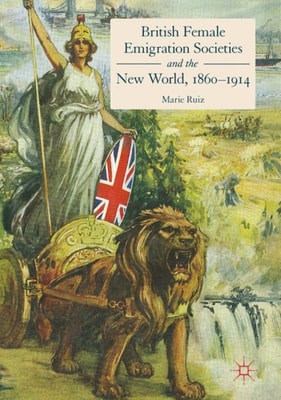
This book focuses on the departure of Britain's 'surplus' women to Australia and New Zealand organised by Victorian British female emigration societies.
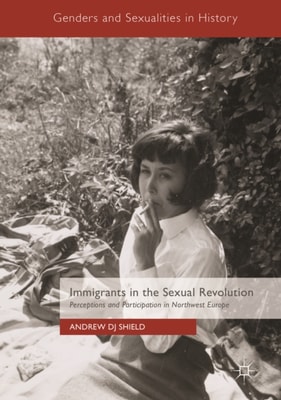
This book focuses on the latter half of the twentieth century, when much of northwest Europe grew increasingly multicultural with the arrival of foreign workers and (post-)colonial migrants, whilst simultaneously experiencing a boom in feminist and sexual liberation activism.
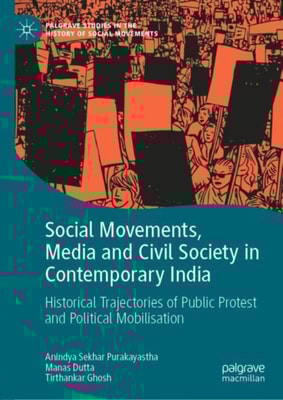
This book examines instances of transformative dissent, turning points or shifts in popular mobilisation patterns in contemporary India, while adopting a historical approach and analysing past events.
This edited volume brings together essays that examine recent scholarship on the history of the Rio de la Plata region (present-day Argentina, Paraguay, Uruguay and southern Brazil) from the colonial period to the nineteenth century.
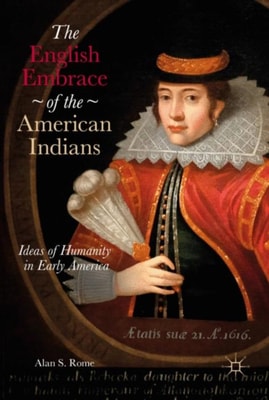
This book makes a wide, conceptual challenge to the theory that the English of the colonial period thought of Native Americans as irrational and subhuman, dismissing any intimations to the contrary as ideology or propaganda.
This book argues that the history of colonial empires has been shaped to a considerable extent by negative emotions such as anxiety, fear and embarrassment as well as by the regular occurrence of panics.
This book examines the formation of identity of the Nagas in northeast India in light of the proselytizing efforts by the Americans and the colonization by the British in their search for control over areas inhabited by the Nagas which were perfect for tea plantations.
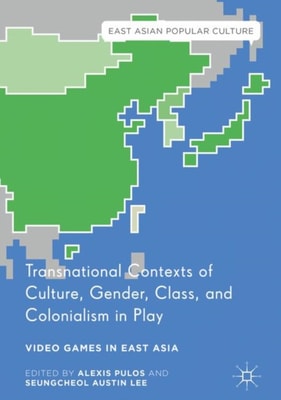
This book examines the local, regional and transnational contexts of video games through a focused analysis on gaming communities, the ways game design regulates gender and class relations, and the impacts of colonization on game design.
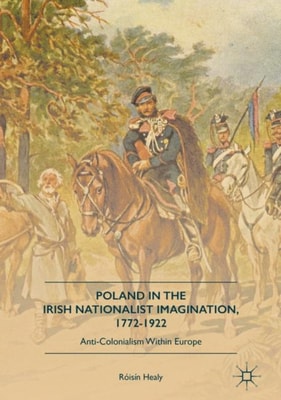
This book explores the assertions made by Irish nationalists of a parallel between Ireland under British rule and Poland under Russian, Prussian and Austrian rule in the long nineteenth century.
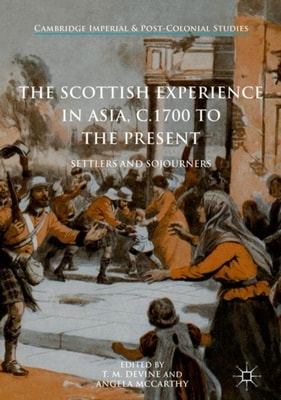
This pioneering volume focuses on the scale, territorial trajectories, impact, economic relationships, identity and nature of the Scottish-Asia connection from the late seventeenth century to the present.
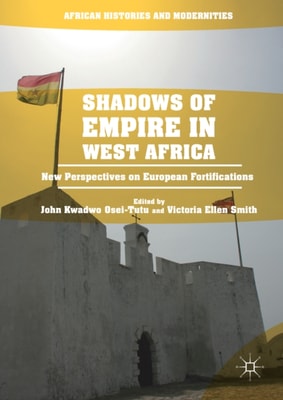
These essays reexamine European forts in West Africa as hubs where different peoples interacted, negotiated and transformed each other socially, politically, culturally, and economically.
This book contributes to the increasing interest in John Adams and his political and legal thought by examining his work on the medieval British Empire.
This book focuses on Africa's challenges, achievements, and failures over the past several centuries using an interdisciplinary approach that combines theory and fact and evidence-based practices and interventions in public health, and argues that most of the health problems in Africa are not a result of scarce or lack of resources, but of the misconceived and misplaced priorities that have left the continent behind every other on the globe in terms of health, education, and equitable distribution of opportunities and access to (quality) health as agreed by the United Nations member states at Alma-Ata in 1978.
This book examines the historical and current state of health and the health of the African people, including the Arab North, impacted by such factors as geography and natural elements, cultural and colonial traditions, and competing biomedical and traditional systems.
This book analyzes the eventsthat impacted the structure and competitive processes of the two dominantCypriot political factions while under the watchful eye of British rule.