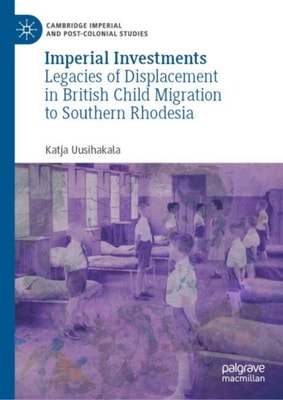
This book examines the legacy of a British child migration scheme that relocated British children to Southern Rhodesia between 1946 and 1962, with the aim of populating the colony with "e;fresh white stock"e;.
This book studies the cultural adjustment of the coastal Indian of British Columbia to white society and the development of leadership among the Indians in response to the great changes they have experienced as a result of the settlement of Canada.
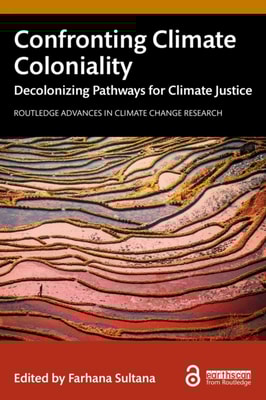
This timely and urgent collection brings together cutting-edge interdisciplinary scholarship and ideas from around the world to present critical examinations of climate coloniality.
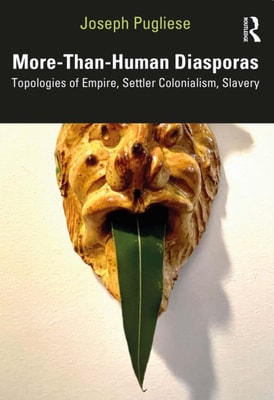
Pugliese's More Than Human Diasporas breaks the confines of existing scholarship in its vision of the way that more than human diasporic entities-such as water, trees, clay, stone and architectural styles-have functioned as agents within the context of empire, settler colonialism and a largely effaced history of Mediterranean enslavement, a history that pre existed and then coincided with the Atlantic slave trade.
This book gives a true account of one sojourners trip through a place that seemed hard to imagine, almost impossible to endure, and too painful to remember.
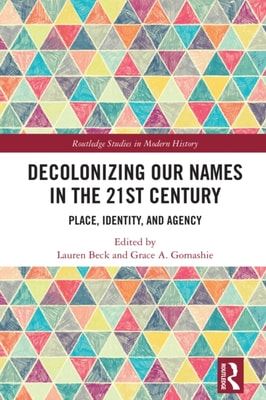
This book combines different decolonial approaches from around the world to offer a roadmap for updating names and naming practices, restoring and protecting precolonial ones, and reimagining or recontextualizing the relationship between place, identity, and names.
This book explores a panorama of historical studies, focused on the historical tensions between genealogical knowledge and well-known Pacific Islander engagements with genomic research in a postwar era of simultaneous decolonization and Big Science.
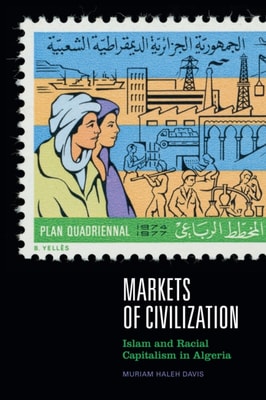
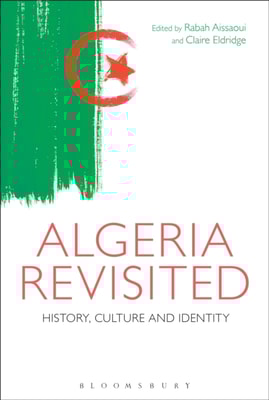
In Markets of Civilization Muriam Haleh Davis provides a history of racial capitalism, showing how Islam became a racial category that shaped economic development in colonial and postcolonial Algeria.
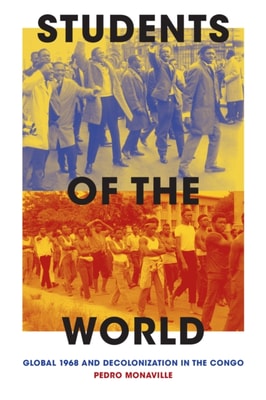
On June 30, 1960-the day of the Congo's independence-Prime Minister Patrice Lumumba gave a fiery speech in which he conjured a definitive shift away from a past of colonial oppression toward a future of sovereignty, dignity, and justice.
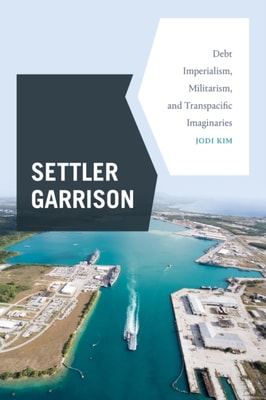
In Settler Garrison Jodi Kim theorizes how the United States extends its sovereignty across Asia and the Pacific in the post-World War II era through a militarist settler imperialism that is leveraged on debt as a manifold economic and cultural relation undergirded by asymmetries of power.
In Hindutva as Political Monotheism, Anustup Basu offers a genealogical study of Hindutva-Hindu right-wing nationalism-to illustrate the significance of Western anthropology and political theory to the idea of India as a Hindu nation.
In Elementary Aspects of the Political Prathama Banerjee moves beyond postcolonial and decolonial critiques of European political philosophy to rethink modern conceptions of "e;the political"e; from the perspective of the global South.
In The Visceral Logics of Decolonization Neetu Khanna rethinks the project of decolonization by exploring a knotted set of relations between embodied experience and political feeling that she conceptualizes as the visceral.
Militarization: A Reader offers a range of critical perspectives on the dynamics of militarization as a social, economic, political, cultural, and environmental phenomenon.
This companion analyzes, frames, and provokes race in insightful ways that center non white communities' artistic and visual expression in the early modern period, rather than presenting the bias of European artistic and visual depictions of the colonization, enslavement, and subordination of People of Color.
During his lifetime, Alexandre Dumas (1802-1870)--grandson of a Caribbean slave and author of The Three Musketeers and The Count of Monte Cristo--faced racial prejudice in his homeland of France and constantly strove to find a sense of belonging.
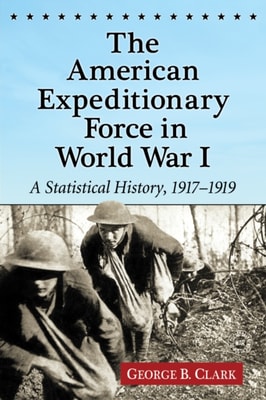
During World War I, the American Expeditionary Force Second Division saw more action and captured more ground and enemy combatants than any other, including the vaunted First Division.
In April 1917, the United States ended its nonintervention policy and entered World War I as an "e;Associated Power"e; to aid the Allies in their fight against the Central Powers.
When Thomas Harding discovered that his family had profited from slavery, he set out to interrogate the choices of his ancestors and Britain's role in this terrible history.
This book examines the radicalization of beliefs, tactics, and oppression by a dominant governing group when faced with a subordinate group's historic quest for basic human rights dating back for five centuries.
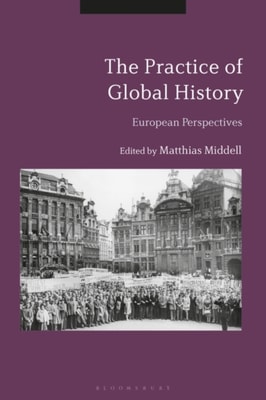
Over recent decades, almost every area of historical study has seen its global turn – from consumption to finance, from politics to migration, from social order to cultural patterns.
Over recent decades, almost every area of historical study has seen its global turn – from consumption to finance, from politics to migration, from social order to cultural patterns.
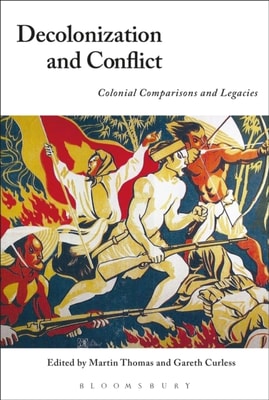
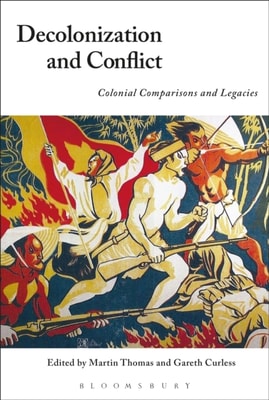
The history of the British Empire, a subject that had slipped into obscurity when the empire came to an end, has since made a stunning comeback, generating a series of heated debates about the causes, character, and consequences of empire.
The history of the British Empire, a subject that had slipped into obscurity when the empire came to an end, has since made a stunning comeback, generating a series of heated debates about the causes, character, and consequences of empire.
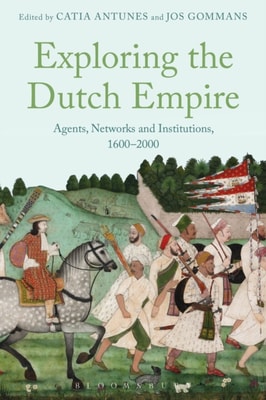
In 1602, the States General of the United Provinces of the Netherlands chartered the first commercial company, the Dutch East India Company, and, in so doing, initiated a new wave of globalization.
In 1602, the States General of the United Provinces of the Netherlands chartered the first commercial company, the Dutch East India Company, and, in so doing, initiated a new wave of globalization.