This fully updated book offers the first systematic analysis of Putin's three wars, placing the Second Chechen War, the war with Georgia of 2008, and the war with Ukraine in their broader historical context.
First published in 1964, this book tells how what Columbus started in 1492 was finished in 1898, when the red and gold flag was lowered at Havana to mark the end of four centuries of Spanish dominance in the Caribbean.
Winner of the Kekoo Naoroji Award for Mountain Literature 2019An engrossing story of passion and exploration that traces the end of empire and the stirring of a new world order.
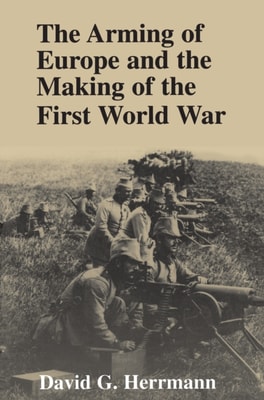
David Herrmann's work is the most complete study to date of how land-based military power influenced international affairs during the series of diplomatic crises that led up to the First World War.
Reformatting Agrarian Life presents a stealth urban history from the countryside that foregrounds the mutual entanglements of agrarian and urban expertise.
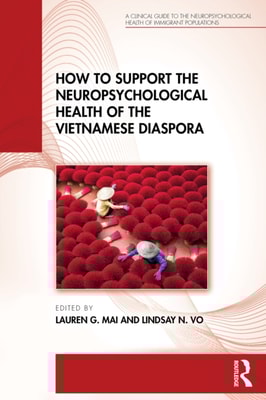
How to Support the Neuropsychological Health of the Vietnamese Diaspora is the first book in a new series entitled A Clinical Guide to the Neuropsychological Health of Immigrant Populations, which guides clinicians in the art and science of providing culturally competent services to specific communities.
This book is a detailed exploration of the Hispanic intellectual context and the different Aristotelian traditions that prevailed until the 16th century.
Winner of the 2017 PEN Hessell-Tiltman PrizeWinner of the Longman History Today Trustees' AwardA Waterstones History Book of the YearLonglisted for the Orwell PrizeShortlisted for the inaugural Jhalak Prize'Groundbreaking' - ObserverIn this vital re-examination of a shared history, historian and broadcaster David Olusoga tells the rich and revealing story of the long relationship between the British Isles and the people of Africa and the Caribbean.
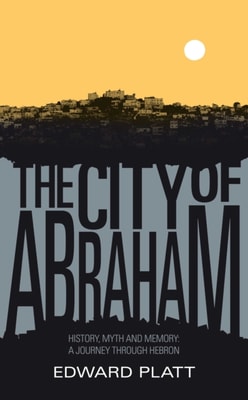
A journey through one of the world's most divided cities - Hebron, in the Israeli-occupied West Bank of Palestine, exploring the influence of the history, religion and myth on the country's tumultuous present.
At the centre of this extraordinary historical narrative are two linked themes: the grinding down of the aborigines during the long rivalries of the quest for El Dorado, the mythical kingdom of gold; and, two hundred years later, the man-made horror of the new slave colony.
The relationship between colonial pluralism and nationalist civil war in former British coloniesWhy do some communities fight civil wars over national self-rule while others do not?
This enchanting, juicy history takes us from the pineapple's origins in the Amazon rainforests to its first tasting by Columbus in Guadeloupe and its starring role on the royal dinner tables of Europe.
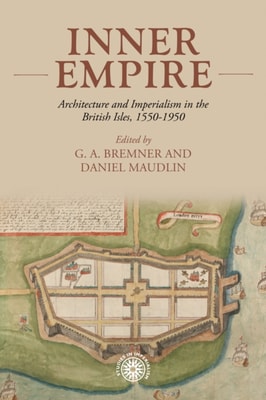
Inner Empire explores the impact of imperial cultures on the landscapes and urban environments of the British Isles from the sixteenth century through to the twentieth century.
Perhaps the most readable history ever written Time OutLords of the Horizons charts the Ottoman Empire's swirling epic history; dramatic detailed and alive a journey, and a world all in one.
After the German surrender in November 1918, the German High Seas Fleet was interned at Scapa Flow in the Orkney Islands, the anchorage for the Royal Navy's Grand Fleet throughout the First World War.
The Great War Display Team was founded in 1988 and has since gone on to become one of Britain's premier display teams, with a wealth of talented pilots passing through its ranks and amazing crowds with a variety of recreated aircraft including Fokker Dr1s, Royal Aircraft Factory S.
The year 1919 has often been ignored in historians' dizzy haste to enter the world of the Roaring Twenties but it was a year of enormous challenges and change.
Ordinary Heroes is the first book to focus on the staggering achievements of hundreds of thousands of civilian volunteers and charity workers, the majority of them women, during the First World War, both at home and abroad.
Hans Rose was one of Germany's most successful WWI U-boat aces, and her most successful ace during the convoy period when attacks by U-boats were most difficult and dangerous.
This book gives a detailed account of the Zeppelin raids on Bolton and Rossendale in late September 1916, setting them in the context of wider events at home and abroad.
An advertising illustrator and artist by trade, Private Fergus Mackain enlisted in 1915 to 'do his bit', serving in France when the fighting was at its fiercest.
A rare and forgotten first-hand account of the first day of the Battle of the Somme by a British infantry soldier who went 'over the top' and survived.
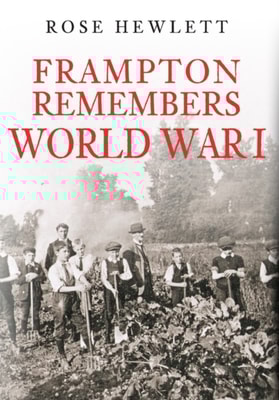
Frampton Remembers World War I tells the story of a Gloucestershire village during the First World War, and how its inhabitants individually and collectively contributed towards victory.
During the First World War, there were five air bases in Wales: two airship stations, one at Llangefni on Anglesey (RNAS Anglesey) and one at Milton in Pembrokeshire (RNAS Pembroke), a fighter/bomber station at Aber (RNAS Bangor) and a seaplane base at Fishguard (RNAS Fishguard).
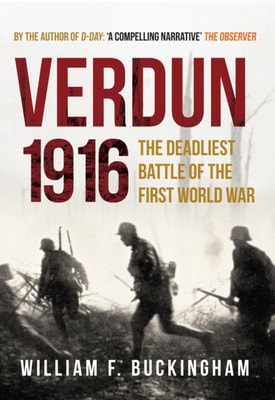
Fought on the heights above the garrison town of the same name on the River Meuse, 140 miles east of Paris, the Battle of Verdun lasted for ten months, between February and December 1916, double the length of the Battle of the Somme and over three times the length of the Battle of Passchendaele.
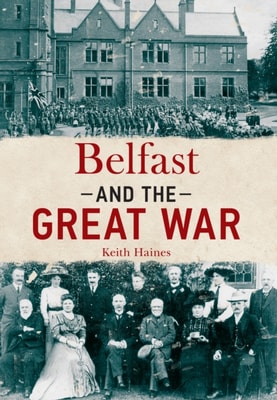
Shortly before the First World War, Belfast was one of the most prosperous and vibrant cities in the world, boasting an impressive new City Hall and some of the largest industrial concerns of their kind.