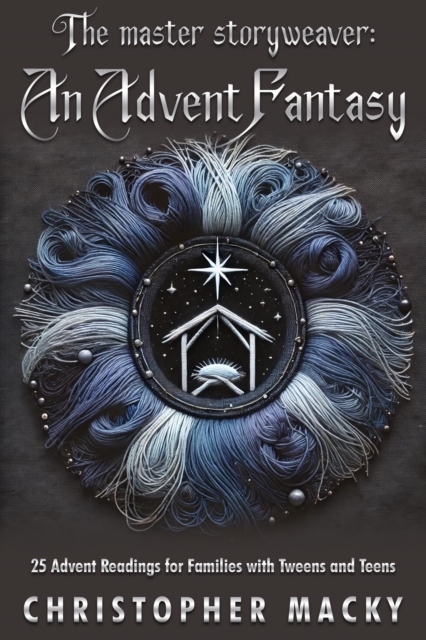
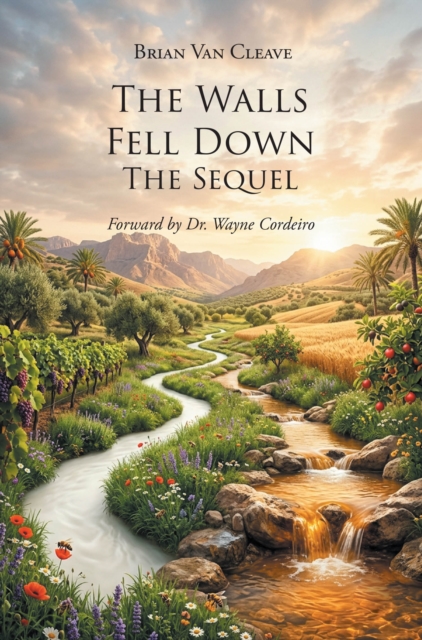
The Master Storyweaver: An Advent Fantasy reignites the imagination of tweens and teens by reimagining the Advent narrative of Scripture as a fantasy novel.
A damning account of how Israel and the US manufactured the case for genocide in Gaza and a devastating regional war in the Middle East, from Tel Aviv to Tehran.
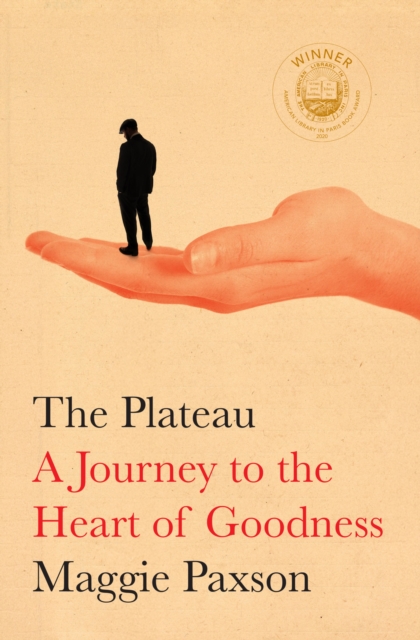
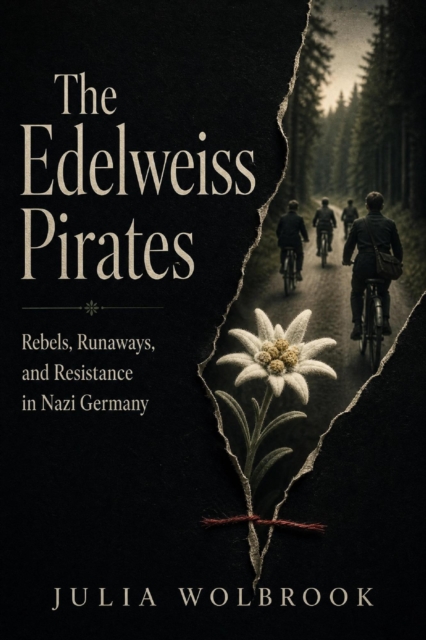
An anthropologist explores the altruism of rural villagers who protected Jews and others during the Holocaust-and its connection to her own family history.
Un manifesto agghiacciante nel cuore del Terzo Reich: scopri le radici dell'antisemitismo, del totalitarismo e della propaganda che hanno sconvolto la storia del XX secolo.
Un manifiesto estremecedor en el corazon del Tercer Reich: descubre las raices del antisemitismo, el totalitarismo y la propaganda que sacudieron la historia del siglo XX.
Um manifesto arrepiante no coracao do Terceiro Reich: descubra as raizes do antissemitismo, do totalitarismo e da propaganda que abalaram a historia do seculo XX.
Een huiveringwekkend manifest uit het hart van het Derde Rijk: ontdek de wortels van het antisemitisme, het totalitarisme en de propaganda die de geschiedenis van de twintigste eeuw ingrijpend hebben veranderd.
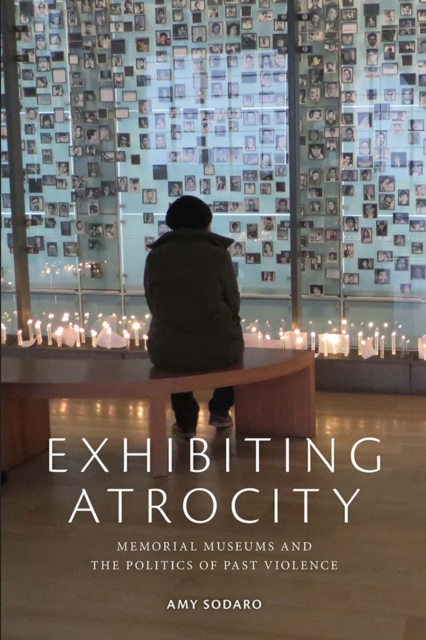
Honorable Mention, 2021 Outstanding First Book Award from the Memory Studies Association Today, nearly any group or nation with violence in its past has constructed or is planning a memorial museum as a mechanism for confronting past trauma, often together with truth commissions, trials, and/or other symbolic or material reparations.
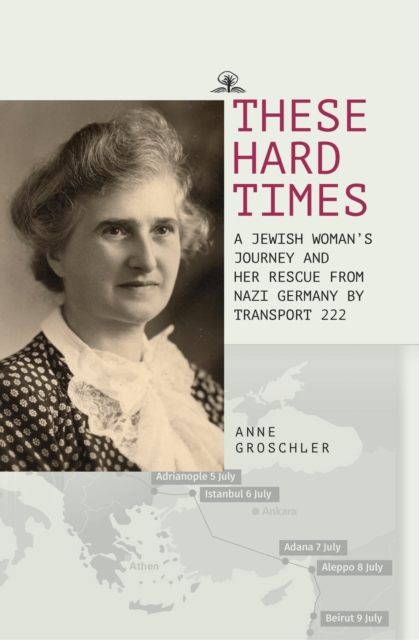
In this vivid memoir originally published in German, Anne Groschler (1888-1982) recounts her 1944 escape from the Bergen-Belsen concentration camp to Mandatory Palestine via "e;Transport 222"e;, an exchange transport of 222 Jews for "e;Aryan"e; prisoners of war.
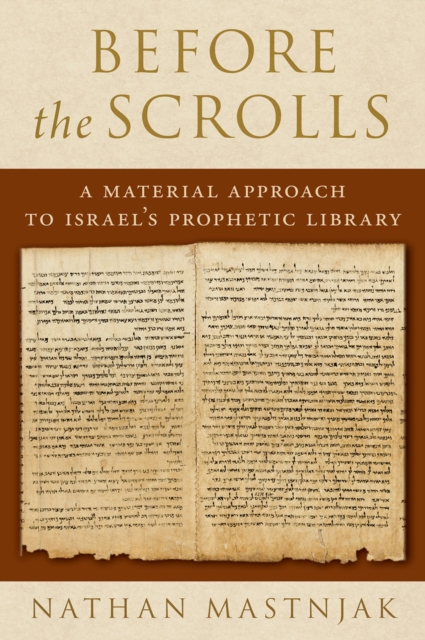
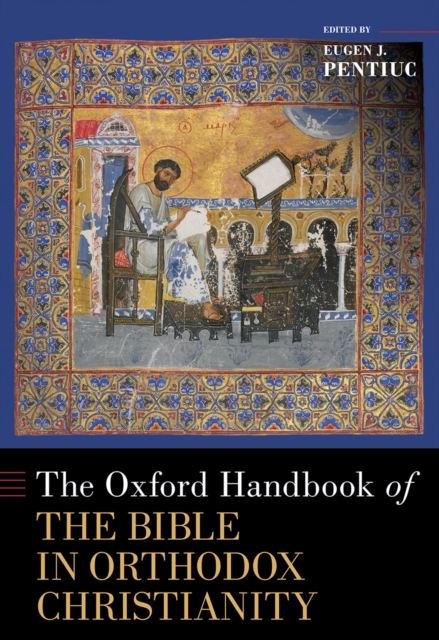
Over 15 years after its original publication The Bible in History remains an essential examination of the symbiotic relationship between Scripture and the social and cultural contexts shaping its interpretation.
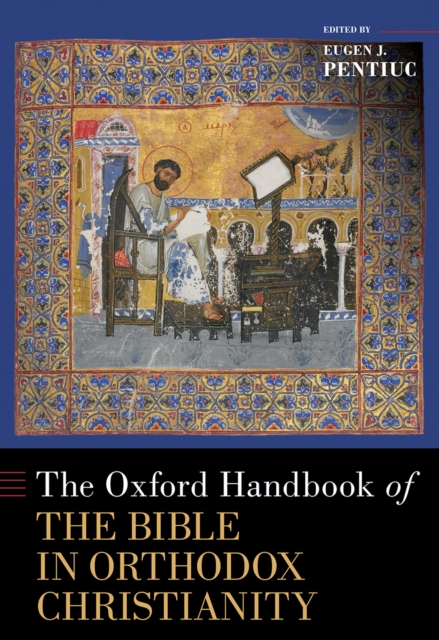
Over 15 years after its original publication The Bible in History remains an essential examination of the symbiotic relationship between Scripture and the social and cultural contexts shaping its interpretation.
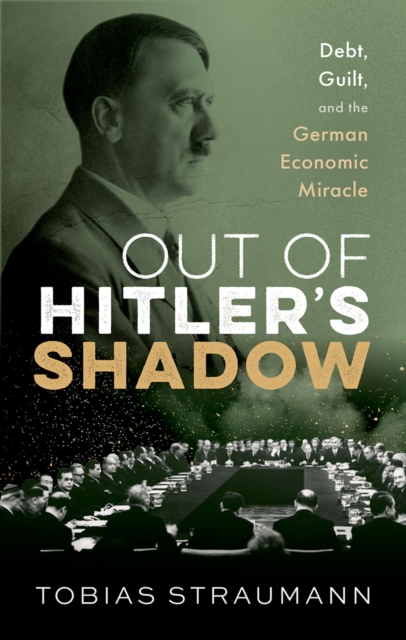
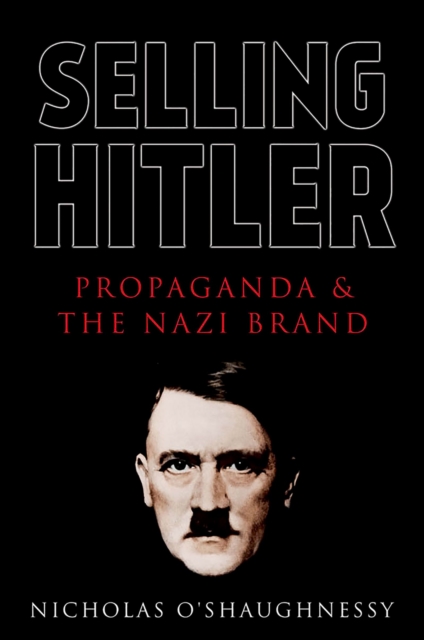
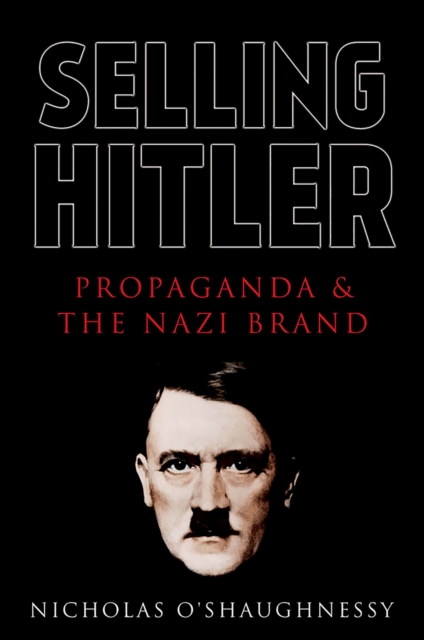
Hitler was one of the few politicians who understood that persuasion was everything, deployed to anchor an entire regime in the confections of imagery, rhetoric and dramaturgy.
Hitler was one of the few politicians who understood that persuasion was everything, deployed to anchor an entire regime in the confections of imagery, rhetoric and dramaturgy.
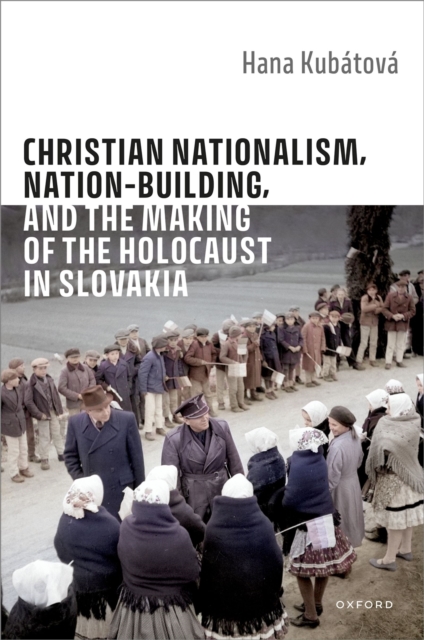
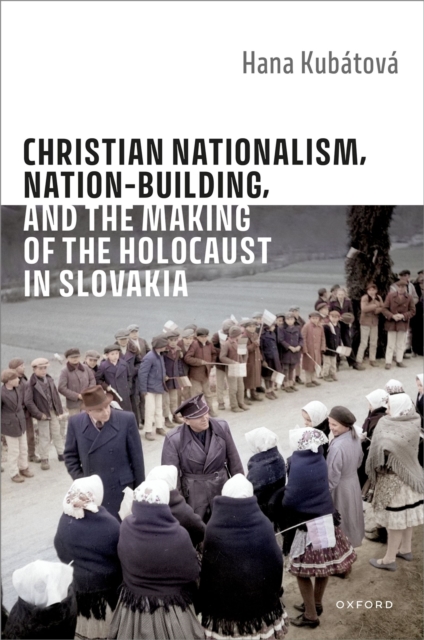
Previous scholarship on fascism in Slovakia has focused on either state actors operating from urban centres or the mechanisms of violence on a grassroots level - with the result being that the Holocaust is seen as primarily a top-down and state-centred process.
Previous scholarship on fascism in Slovakia has focused on either state actors operating from urban centres or the mechanisms of violence on a grassroots level - with the result being that the Holocaust is seen as primarily a top-down and state-centred process.
Complicity in American Literature after 1945 offers a literary and intellectual history of the idea of complicity in the United States, proposing a new frame for understanding American literature in the period.
Complicity in American Literature after 1945 offers a literary and intellectual history of the idea of complicity in the United States, proposing a new frame for understanding American literature in the period.
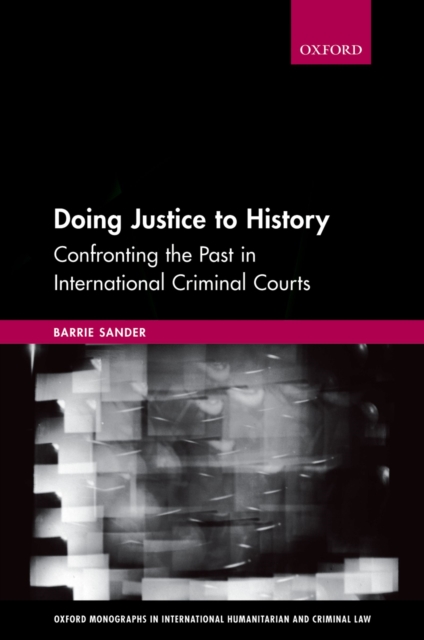
As communities struggle to make sense of mass atrocities, expectations have increasingly been placed on international criminal courts to render authoritative historical accounts of episodes of mass violence.
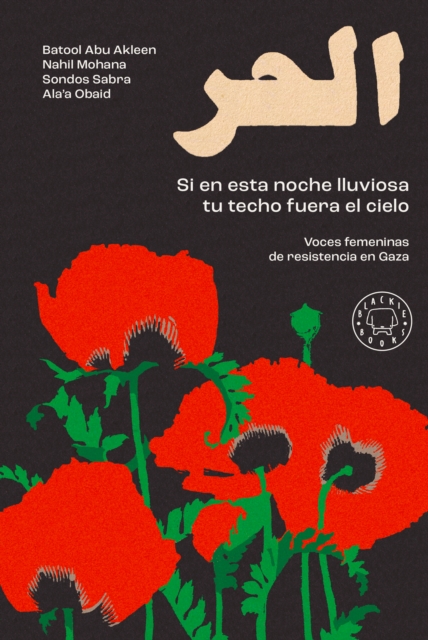
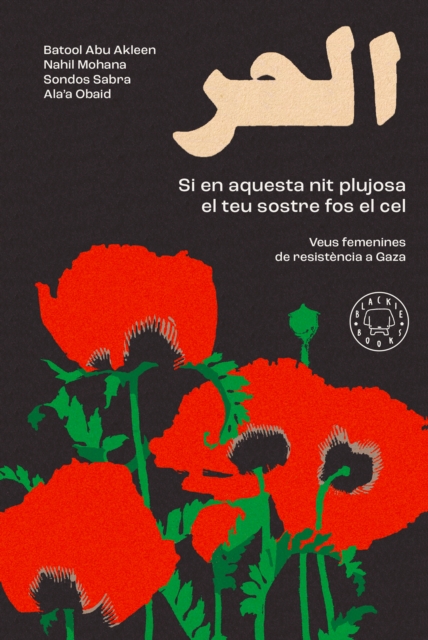
VOCES DE RESISTENCIA FEMENINA DESDE GAZA CUATRO MUJERES, CUATRO DIARIOS Y UN SOLO GRITO: NO BORRAREIS NUESTRA HISTORIA COMO ESCRIBIR LITERATURA DESDE UN GENOCIDIO?
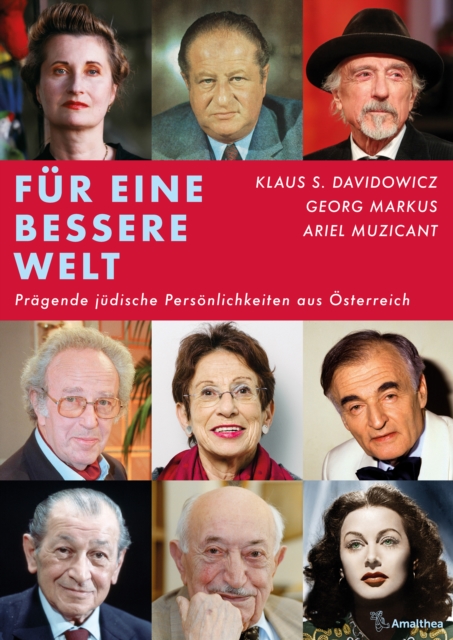
Judinnen und Juden schafften nach dem Ende des Zweiten Weltkrieges etwas Unglaubliches: Sie gaben angesichts der Verbrechen der Nationalsozialisten nicht auf, sondern hielten die judische Gemeinschaft in Europa am Leben und bauten sie neu auf.
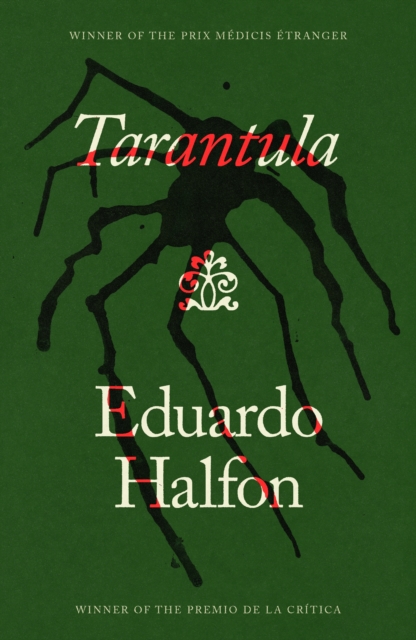
Winner of the Prix M dicis tranger in France and the Premio de la Critica in SpainConversation-starting and prize-winning international fiction: an extraordinary meditation on violence, conspiracy and the many complex afterlives of the Holocaust 'Audacious' Observer'Provocative' Times Literary Supplement'Extraordinary' Olivia LaingEduardo and his brother have been living in the US for three years when their parents send them back to Guatemala for the holidays.
This book argues that the international community created and managed the dysfunctional state of Bosnia and Herzegovina by effectively rewarding ethnic cleansing, drawing up a transitional constitution which, in turn, generated a complex ethnifying polity incapable of independent reform.
This book argues that the international community created and managed the dysfunctional state of Bosnia and Herzegovina by effectively rewarding ethnic cleansing, drawing up a transitional constitution which, in turn, generated a complex ethnifying polity incapable of independent reform.