This concise, easy-to-use resource on the Holocaust is rich in factual and statistical information, and provides a comprehensive compilation of the people and terms that are essential for an understanding of the Holocaust.
A collection of prisoner of war and concentration camp survivor stories from some of the toughest World War II camps in Europe and the Pacific, this book details the daring escapes and highlights the fundamental aspects of human nature that made such heroic efforts possible.
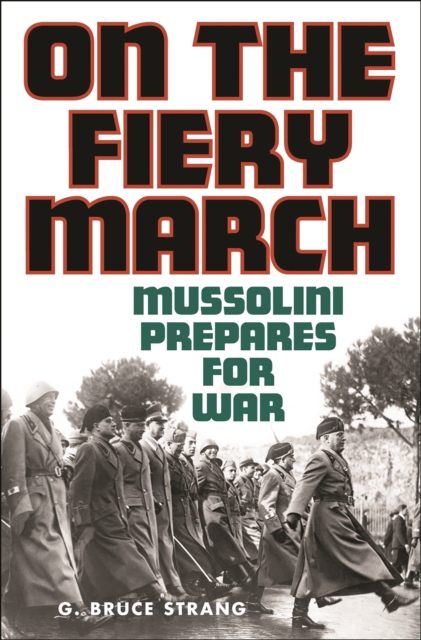
By the 1930s fascist dictator Benito Mussolini reached the conclusion that Italy faced a clear choice: expand its power at the expense of the British and French Empires or face stagnation and decline.
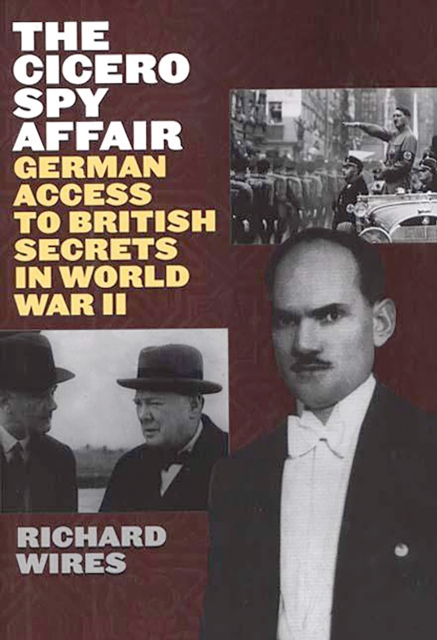
The episode of the opportunistic valet of Britain's ambassador to neutral Turkey during World War II-dubbed Cicero for the eloquence of the top-secret material he appropriated from his employer Sir Hughe Knatchbull-Hugessen and sold to the Nazis-is a staple of intelligence lore.
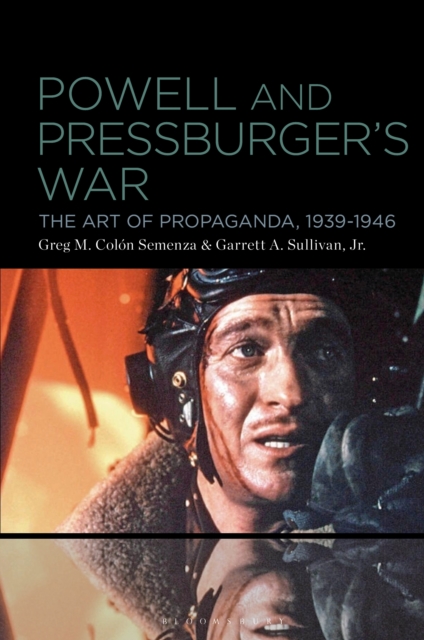
A focused study on Michael Powell and Emeric Pressburger's cinematic contributions to the war effort, arguing for the centrality of propaganda to their work as film artists.
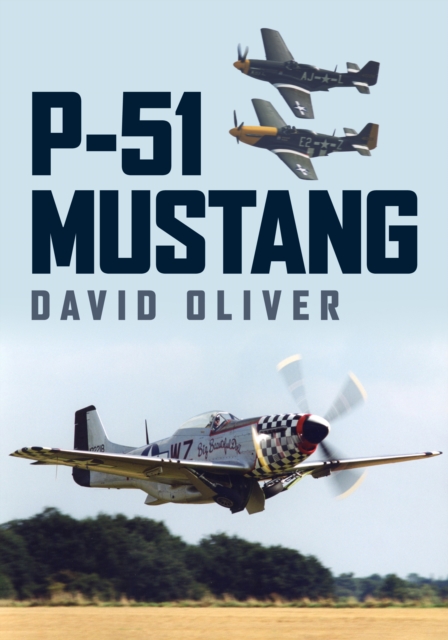
Designed and produced by North American Aviation in response to a British order for aircraft in 1940, the P-51 Mustang went on to become one of the most successful aircraft in the Second World War and beyond.
Bimberg provides a military history of the Moroccan Goums, the knife-wielding irregular troops who distinguished themselves, fighting under French command in Tunisia, Italy, France and Germany during World War II.
Covering all Pacific islands involved in World War II military operations, this book is a detailed, single source of information on virtually every geo-military aspect of the Pacific Theater.
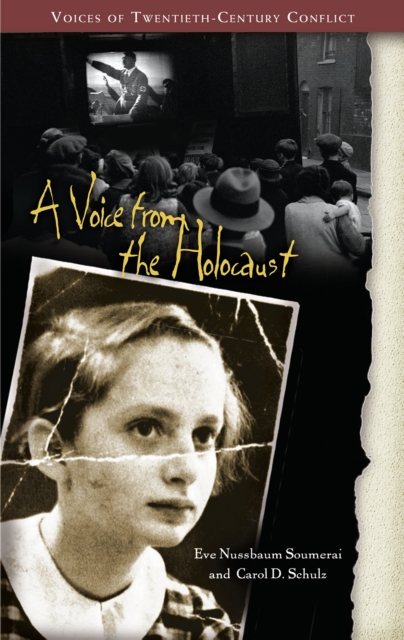
Eve Soumerai recounts her childhood as a Jewish girl growing up in Nazi Berlin, as a teenaged refugee in the United Kingdom, and later as a young adult searching for answers in postwar Germany.
Created and used as an instrument of coercion and indoctrination, the Nazi language, Nazi-Deutsch, reveals how the Nazis ruled Germany and German-occupied Europe, fought World War II, and committed mass murder and genocide, employing language to encode and euphemize these actions.
The questions posed by the Holocaust force faithful Christians to reexamine their own identities and loyalties in fundamental ways and to recognize the necessity of excising the Church's historic anti-Jewish rhetoric from its confessional core.
This collection is comprised of essays about Holocaust education by a diverse group of educators involved primarily at the secondary level of schooling (grades 7-12).
Thanks for the Memories destroys the historical myth that young men and women went about the business of war and stayed on the straight and narrow path.
A brief, yet complete history of the Allied campaign for the liberation of Europe from the Normandy invasion to the surrender of Germany, this study describes not only what happened, but why it happened.
Without succumbing to utopian fantasies or realistic pessimism, Riemer and his contributors call for strengthening the key institutions of a global human rights regime, developing an effective policy of prudent prevention of genocide, working out a sagacious strategy of keenly targeted sanctions-political, economic, military, judicial-and adopting a guiding philosophy of just humanitarian intervention.
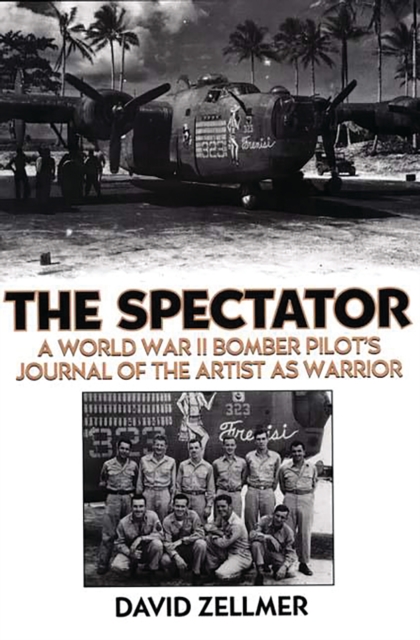
From Greenwich Village to Guadalcanal in just over a year, David Zellmer would find piloting a B-24 bomber in the South Pacific a far cry from his life as a fledgling member of the Martha Graham Dance Company.
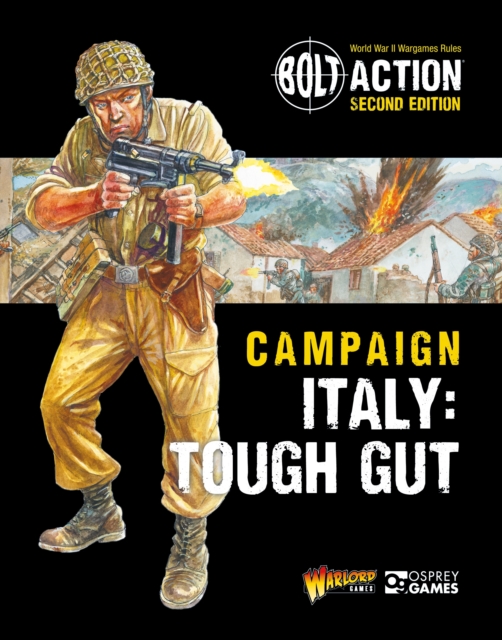
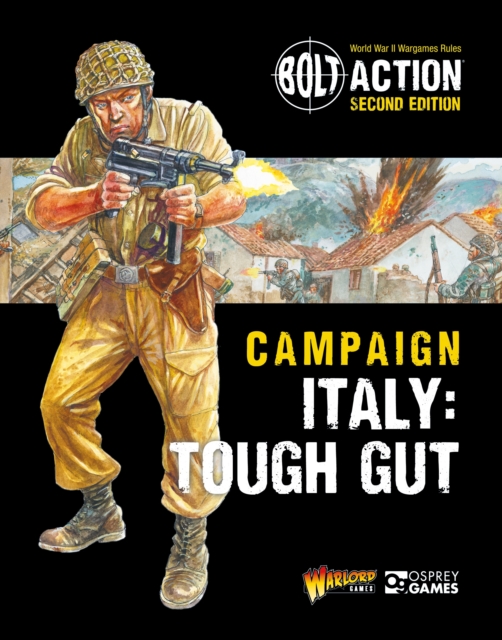
A new supplement for Bolt Action focusing on the later Italian Campaign, following on from Soft Underbelly, adding new units, scenarios, and special rules.
A new supplement for Bolt Action focusing on the later Italian Campaign, following on from Soft Underbelly, adding new units, scenarios, and special rules.
A landmark book that changed the story of Poland's role in the HolocaustOn July 10, 1941, in Nazi-occupied Poland, half of the town of Jedwabne brutally murdered the other half: 1,600 men, women, and children-all but seven of the town's Jews.
For fourteen centuries, a gap of mutual suspicion and hostility has existed between Christians and Muslims, despite attempts to engage theologically, apologetically, polemically, and militarily (such as the Crusades).
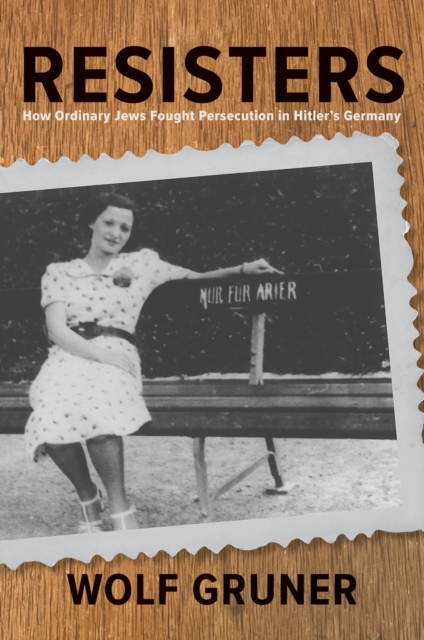
A highly original and compelling account of individual Jews who resisted Nazi persecution, challenging the traditional portrayal of Jewish passivity during the Holocaust Drawing on twelve years of research in dozens of archives in Austria, Germany, Israel, and the United States, this book tells the story of five Jewish people-a merchant, a homemaker, a real estate broker, and two teenagers-who bravely resisted persecution and defended themselves in Nazi Germany.
Antisemitism is a topic on which there is a wide gap between scholarly and popular understanding, and as concern over antisemitism has grown, so too have the debates over how to understand and combat it.
Antisemitism is a topic on which there is a wide gap between scholarly and popular understanding, and as concern over antisemitism has grown, so too have the debates over how to understand and combat it.
For years, Johanna Reiss' American husband, Jim, encouraged her to return to Holland to chronicle the two years, seven months, and one day she had spent hiding from the Nazis in rural Usselo, Holland.
Nazi Germany provides a comprehensive survey of the National Socialist dictatorship, artfully balancing social and cultural history with a political and military history of the regime.
The study of genocide has been appropriate in emphasizing the centrality of the Holocaust; yet, other preceding episodes of mass violence are of great significance.
The study of genocide has been appropriate in emphasizing the centrality of the Holocaust; yet, other preceding episodes of mass violence are of great significance.
A landmark book that changed the story of Poland's role in the HolocaustOn July 10, 1941, in Nazi-occupied Poland, half of the town of Jedwabne brutally murdered the other half: 1,600 men, women, and children-all but seven of the town's Jews.
The present book aims to explore how the perpetrator of crimes against humanity is represented in recent documentary films in different sociocultural contexts around the world.
Memories and Representations of Terror: Working Through Genocide explores how memories and representations shape our understanding of historical events, particularly the ways in which societies create narratives about genocide and its aftermath, using Argentina's last military dictatorship (1976-1983) and its contested legacy as a case study.