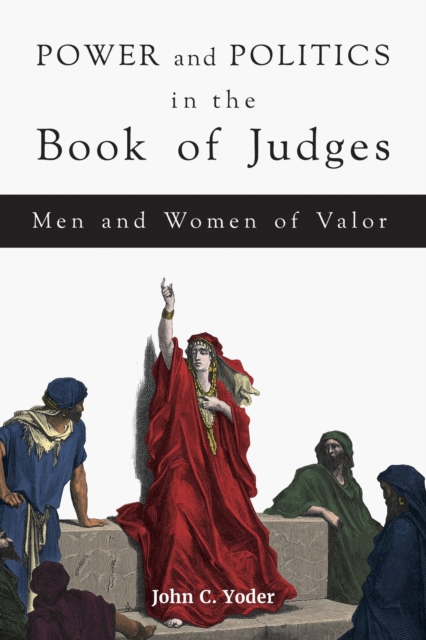
Power and Politics in the Book of Judges studies political culture and behavior in premonarchic Israel, focusing on the protagonists in the book of Judges.
The Texts @ Contexts series gathers scholarly voices from diverse contexts and social locations to bring new or unfamiliar facets of biblical texts to light.
What difference would it make for Old Testament theology if we turned our attention from the more dramatic, forceful "e;mighty acts of God"e; to the more subdued, but more realistic themes of later writings in the Hebrew Bible?
The Texts @ Contexts series gathers scholarly voices from diverse contexts and social locations to bring new or unfamiliar facets of biblical texts to light.
1 Enoch was an important and popular text in ancient Judaism, well attested among the manuscripts at Qumran, and a key piece of the puzzle of the development of early Judaism and Christian origins.
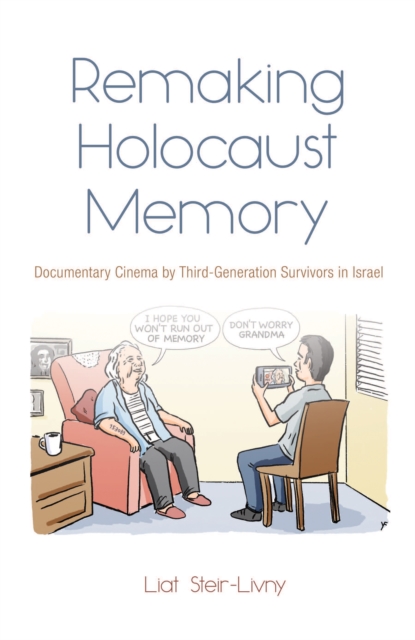
Since the late 1990s in Israel, third-generation Holocaust survivors have become the new custodians of cultural memory, and the documentary films they produce play a major role in shaping a societal consensus of commemoration.
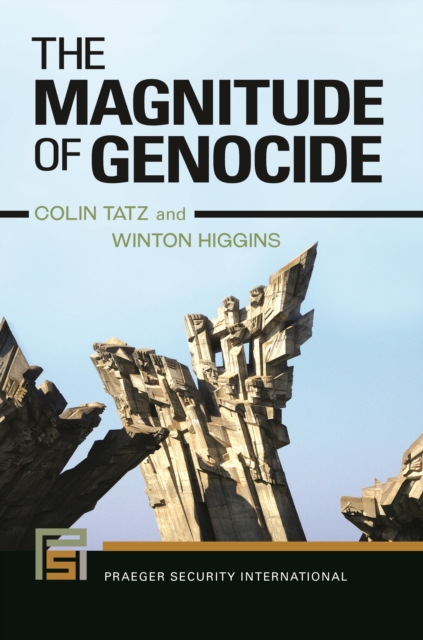
This book defines genocide, distinguishing it from mass murder, war crimes, and other atrocities; allows readers to grasp the magnitude of the crime of genocide across time and throughout human civilization; and facilitates an understanding of new and potential cases of genocide as they occur.
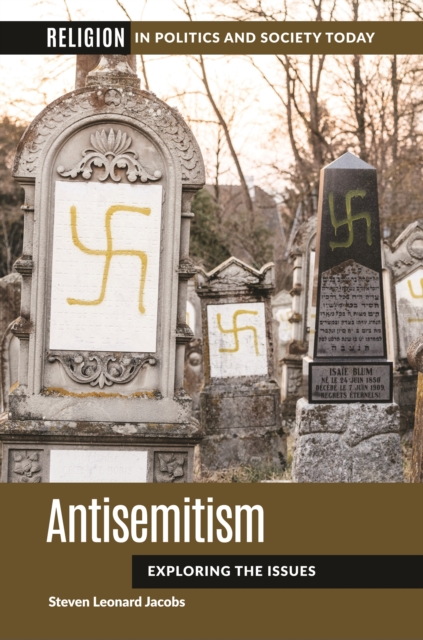
With an overview essay, timeline, reference entries, and annotated bibliography, this resource is a concise, one-stop reference on antisemitism in today's society.
The Texts @ Contexts series gathers scholarly voices from diverse contexts and social locations to bring new or unfamiliar facets of biblical texts to light.
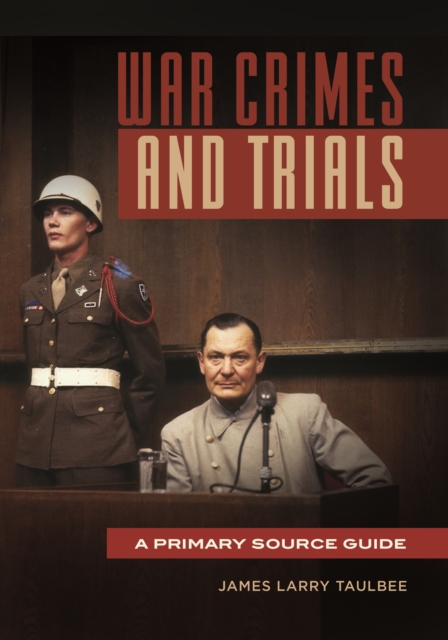
This comprehensive reference work serves as an important resource for anyone interested in the international prosecution of war crimes and how it has evolved.
Hezekiah is a critical figure in the Hebrew Bible, which credits him with major political, social, and religious reforms in Judah’s history and the weathering of a major crisis in the invasion of the Assyrians under their emperor, Sennacherib.
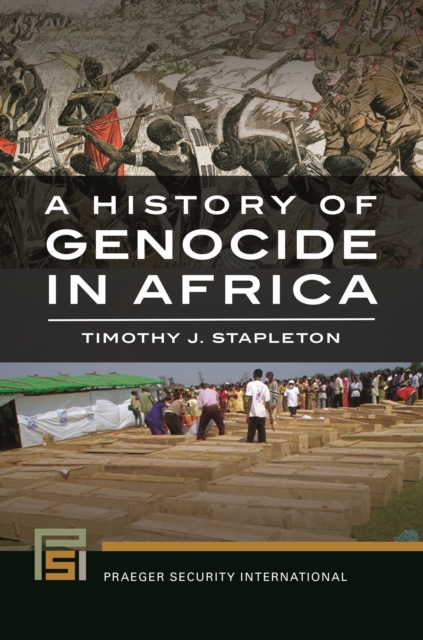
Based on a series of detailed case studies, this book presents the history of genocide in Africa within the specific context of African history, examining conflicts in countries such as Burundi, Democratic Republic of Congo, Namibia, Rwanda, and Sudan.
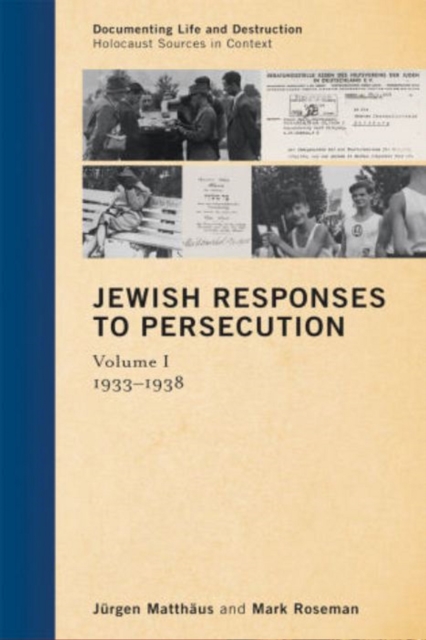
Published in association with the United States Holocaust Memorial MuseumJewish Responses to Persecution, 1933-1946 offers a new perspective on Holocaust history by presenting documentation that describes the manifestations and meanings of Nazi Germany's "e;Final Solution"e; from the Jewish perspective.
Narrative Reflections presents a series of poignant personal reflections by mental health professionals, triggered by reading interviews of Holocaust survivors and their families.
The Diary of Samuel Golfard and the Holocaust in Galicia examines the contents and context of a rare diary written by a Jewish man from Nazi-occupied Poland.
Just Remembering: Rhetorics of Genocide Remembranceand Sociopolitical Judgment analyzes a set of influential discourses of genocide remembrance to explain how public memory discourses inform sociopolitical judgment.
This work explores the experiences of Hans Werner Richter and Alfred Andersch, authors who served in the German army during World War II, were captured by U.
Historical Archives and the Historians' Commission to Investigate the Armenian Events of 1915 demonstrates the vital importance of Ottoman and other relevant archives in Turkey for the study of the Armenian question.
Despite considerable progress in research and practice in the constructive transformation of intractable conflicts beginning in the 1970s, many terribly destructive conflicts have recently erupted.
Published in association with the United States Holocaust Memorial MuseumJewish Responses to Persecution: 1941-1942 is the third volume in a five-volume set published in association with the United States Holocaust Memorial Museum that offers a new perspective on Holocaust history.
Based on select writings from an exceptional Amsterdam archive containing more than two thousand Dutch diaries from World War II, The Diary Keepers illuminates a part of history we haven't seen in quite this way before.
Scholars have questioned every aspect of the story of Mattathias in 1 Maccabees; the revisionist narrative turns Mattathias and his Maccabees from the heroes of the Jewish holiday of Hanukkah and idealistic fighters for religious freedom, into merely ambitious men who ruthlessly strove for power and usurped the high priesthood of Judaea.
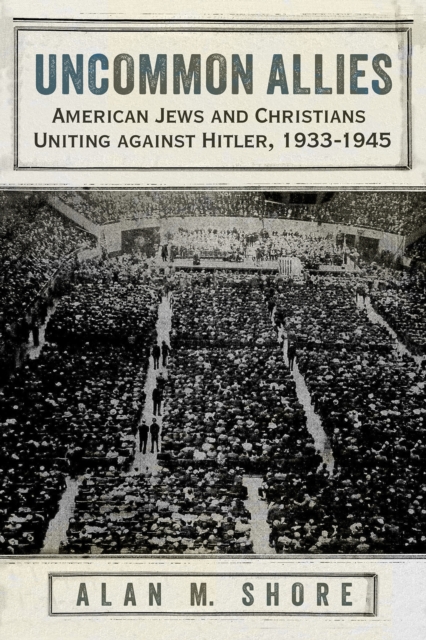
On March 27, 1933, representatives from across the American religious spectrum came to Madison Square Garden, united in a shared purpose to speak out against the rise of fascism in Germany and Adolph Hitler's seizure of power.
Before the Arabo-Muslim conquest of 698, the Jews lived peacefully in North Africa with the other inhabitants of the region, except for a few brief periods of Roman and Byzantine rules.
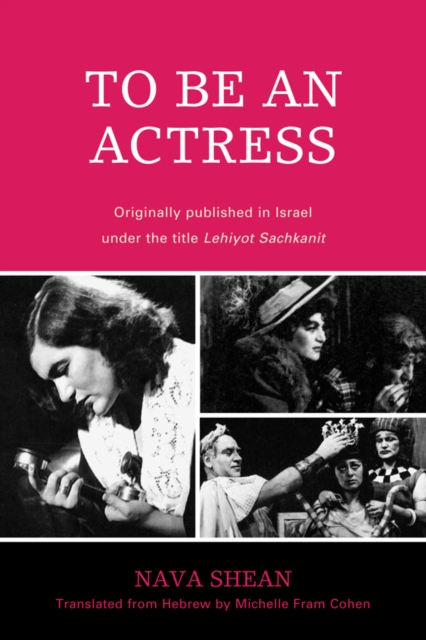
In To Be an Actress, Nava Shean tells about her life on the stage: from children's theater in Prague to traveling theater in the Czech countryside, to performances of prisoners in Terezin concentration camp, to Israel's national theater, Munich State theater, and her one-woman shows.
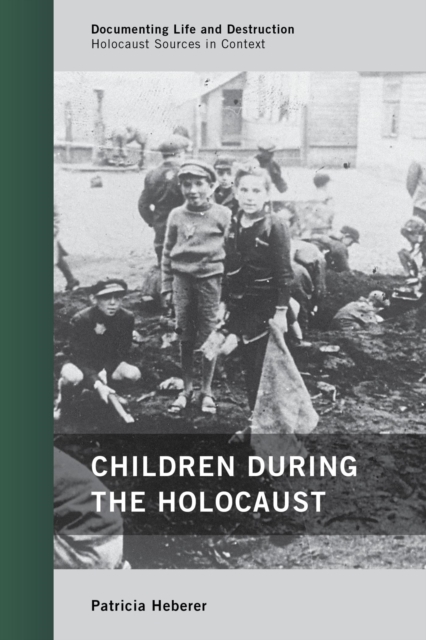
Children during the Holocaust, from the United States Holocaust Memorial Museum's Center for Advanced Holocaust Studies, tells the story of the Holocaust through the eyes, and fates, of its youngest victims.
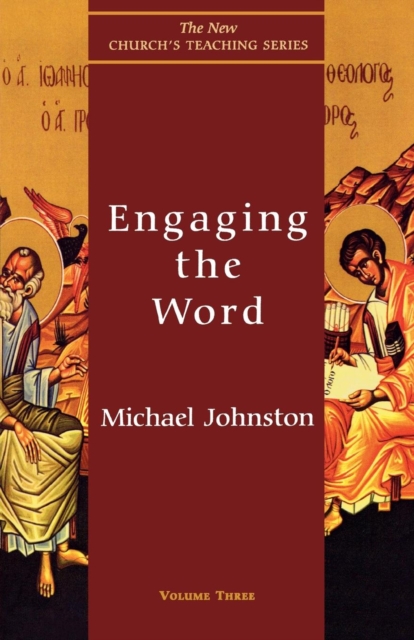
The companion to Volume 2 of The New Church's Teaching Series, Roger Ferlo's Opening the Bible, Michael Johnston's Engaging the Word teaches us how to use the critical and practical tools for reading the Bible described by Ferlo to interpret the Hebrew and Christian scriptures: what did they mean for their original audience and what do they mean for us today?
A fresh, deeply biblical account of God's expanding grace and mercy, tracing how the Bible's narrative points to the full inclusion of LGBTQ people in Christian communities "e;A radical new vision .
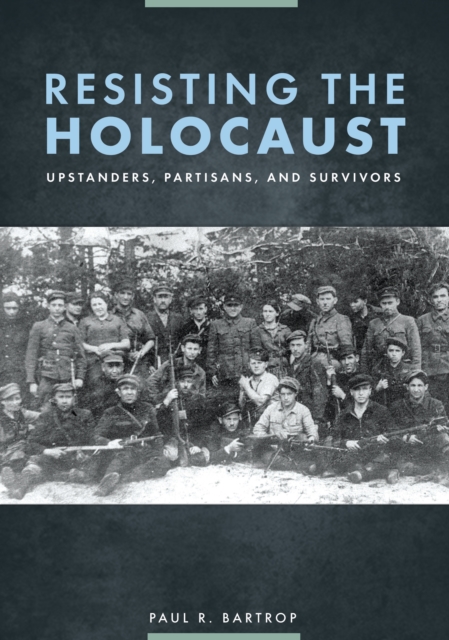
This book enables readers to learn about upstanders, partisans, and survivors from first-hand perspectives that reveal the many forms of resistance-some bold and defiant, some subtle-to the Nazis during the Holocaust.