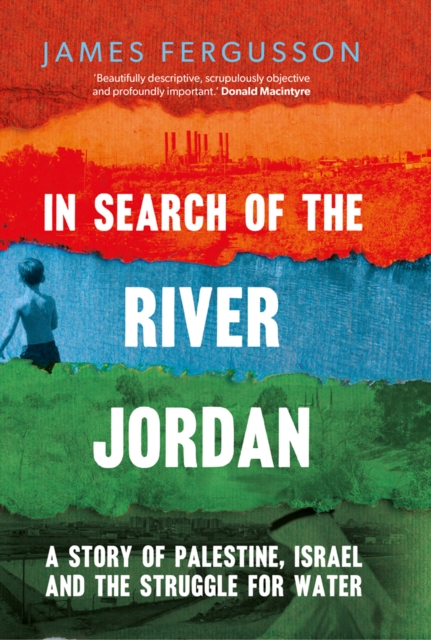
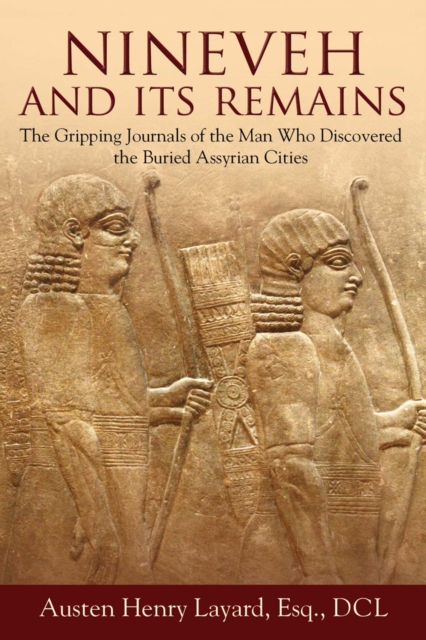
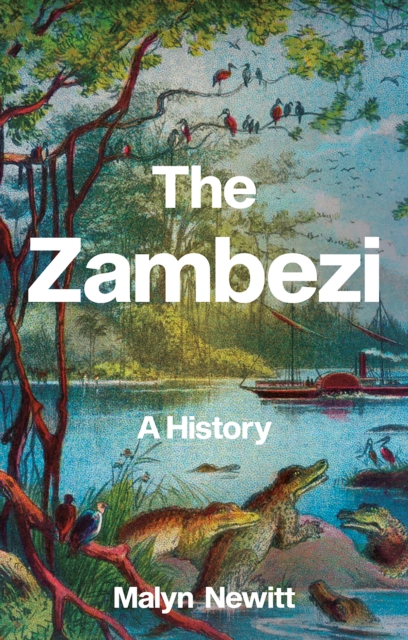
Within these pages, celebrated Native American writer Gabriel Horn weaves a hauntingly beautiful tapestry of traditional stories, songs, and prayers that highlight the sacred Native way of life.
In this elegantly written and illustrated book, bestselling author Susan Chernak McElroy has gathered the voices of the wind, weather, animals, and elements and transcribed the he truths they have to share.
Growing up near the Sabine, journalist Wes Ferguson, like most East Texans, steered clear of its murky, debris-filled waters, where alligators lived in the backwater sloughs and an occasional body was pulled from some out-of-the-way crossing.
"Bauernaufstände in Deutschland und ihre Auswirkungen auf Europa"Entdecken Sie ein faszinierendes Kapitel der europäischen Geschichte, das die Grundlagen unserer modernen Gesellschaft nachhaltig geprägt hat.
A bold redefinition of historical inquiry based on the "e;cropscape"e;-the people, creatures, technologies, ideas, and places that surround a crop Human efforts to move crops from one place to another have been a key driving force in history.
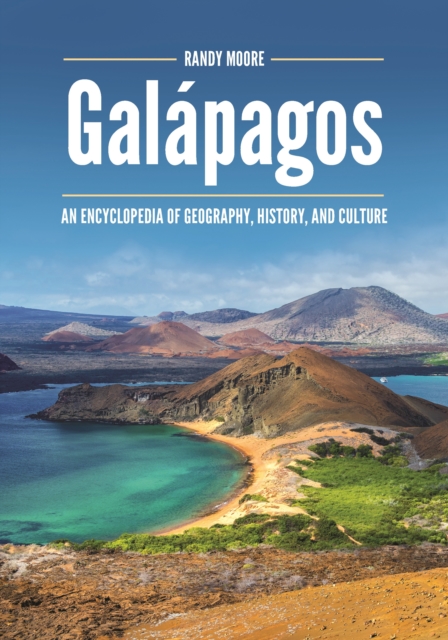
Winner, 2022 RUSA Outstanding Reference SourceThis encyclopedia provides readers with a comprehensive look at the Galapagos Islands, from the wildlife and scientists that made them famous to the challenges and issues the islands face today.
This single-volume encyclopedia examines the Grand Canyon in depth, from the native peoples who have survived there for centuries to the explorers who charted its vast expanses and to the challenges that Grand Canyon National Park faces.
Cultivating Empire charts the connections between missionary work, capitalism, and Native politics to understand the making of the American empire in the late-eighteenth and early-nineteenth centuries.
A fresh examination of the formidable and resilient Native nations who helped shape the modern Gulf SouthIn The Great Power of Small Nations, Elizabeth N.
Under the Skin investigates the role of cross-cultural body modification in seventeenth-century and eighteenth-century North America, revealing that the practices of tattooing and scalping were crucial to interactions between Natives and newcomers.
Not your run-of-the-mill world history tome, this book takes readers on a fascinating journey through time to examine world history through the closely related discipline of geography.
A partir del turismo, se han proyectado ciudades que nacieron prácticamente en lugares deshabitados, como la ciudad de Cancún, que nace después del boom mundial de los destinos de sol y playa (García de Fuentes, Jouault y Romero, 2019), como parte de las políticas de desarrollo regional del Estado mexicano para atraer inversiones en zonas poco desarrolladas del país e impulsar su proceso de colonización, lo que trajo como consecuencia su urbanización, así como el crecimiento de ciudades costeras de litoral, con impactos ambientales que acompañan al proceso (Bunicontro, 2019).
This book presents current research in the political ecology of indigenous revival and its role in nature conservation in critical areas in the Americas.
Useful for academic and recreational archaeologists alike, this book identifies and describes over 200 projectile points and stone tools used by prehistoric Native American Indians in Texas.
South America is an area of fascination and study for geographers and other scholars from around the world, and its land and people have played important roles in the discovery and distribution of civilizations, resources, and nations for millennia.
Through the eyes of the men involved Meredith Hooper recounts one of the greatest tales of adventure and endurance which has often been overshadowed by the tragedy that befell Scott.