Mark Gould's Revolution in the Development of Capitalism: The Coming of the English Revolution offers a reinterpretation of seventeenth-century England by situating its upheavals within a rigorous sociological framework.
Mark Gould's Revolution in the Development of Capitalism: The Coming of the English Revolution offers a reinterpretation of seventeenth-century England by situating its upheavals within a rigorous sociological framework.
El general y profesor, Alberto Carrera Torres, comando el grupo armado rebelde mas potente y organizado, en los estados de Tamaulipas, Nuevo Leon y San Luis Potosi, en el lapso de 1911 a 1917, ano de su muerte.
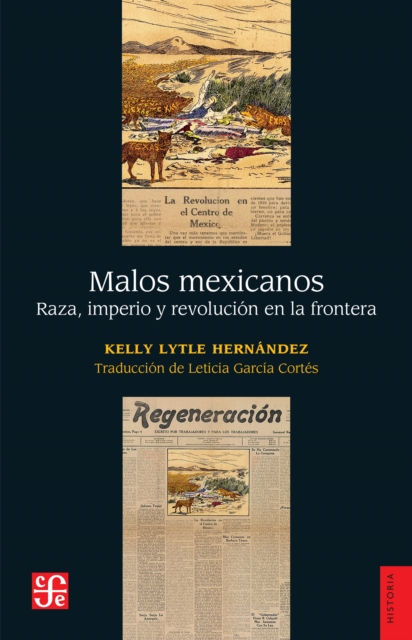
Malos mexicanos aborda la dramatica historia de los magonistas, migrantes rebeldes que desencadenaron la Revolucion mexicana de 1910 desde los Estados Unidos.
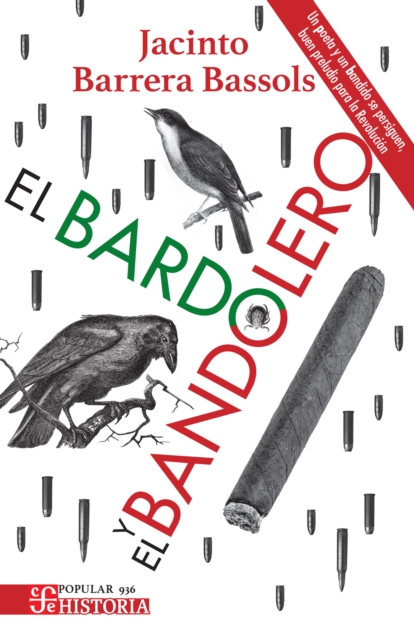
En 1910 los crímenes de Santana Rodríguez Palafox, Santanón, comenzaban a convertirse en leyenda; esto desencadenó la persecución del bandido en la sierra veracruzana, encabezada por el político y poeta Salvador Díaz Mirón, el Bardo.
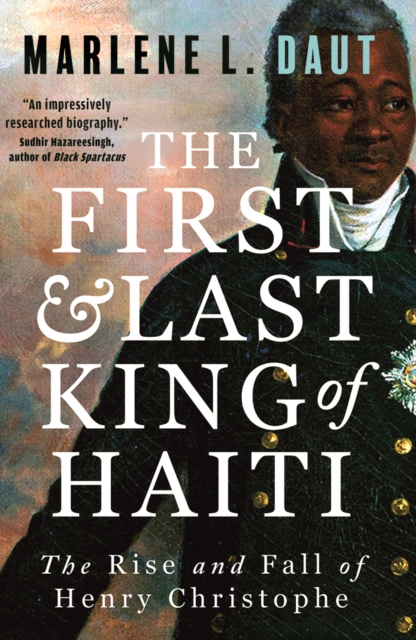
The dramatic story of a pivotal figure in the Haitian Revolution, who shook the Atlantic world to its core Born to an enslaved mother in Grenada, Henry Christophe first fought to overthrow the British in North America, before joining the Black freedom fighters of Saint-Domingue in their quest to gain independence from France.
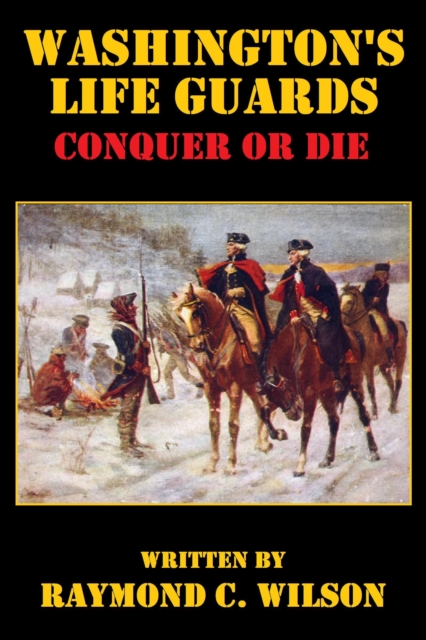
Alexander McKee and Simon Girty were colonial British Indian agents who preferred to remain loyal to the government which had long employed them when the colonies decided to sever connections with the motherland.
Christiane Kruse stellt in diesem Buch fünfzig mutige Frauen aus verschiedenen gesellschaftlichen Schichten vor, die sich unter Lebensgefahr in Untergrundorganisationen engagierten, Verfolgte versteckten oder ihnen zur Flucht verhalfen, Flugblätter verteilten oder Treffpunkte organisierten.
Drawing upon extensive fieldwork, this book unveils the Egyptian Muslim Brotherhood intra-dynamics by examining the emerging pathways of political disengagement and radicalization in the aftermath of 2013 Coup.
First published in 1987 and this edition in 1990, Israel, Palestinians and the Intifada is a comprehensive book covering the dynamics of interaction between Israeli policies and Palestinian responses.
El proposito fundamental de este libro es reconstruir la historia de San Basilio de Palenque como un homenaje a los antiguos cimarrones que tuvieron la capacidad de escapar de la vida en esclavitud.
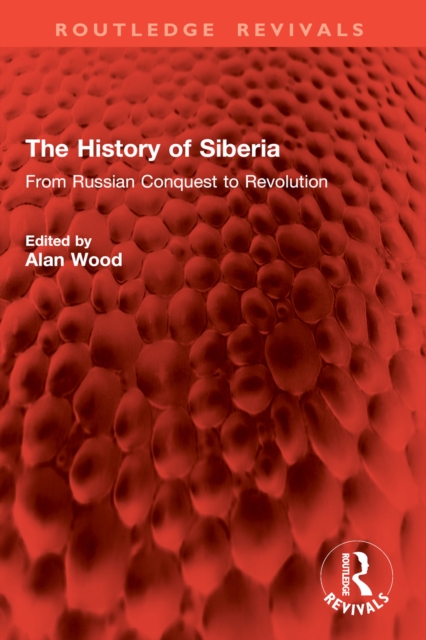
Russia's vast Asian territories beyond the Urals, traditionally known as Siberia, have, despite their enormous size and the crucial role they played in the development of Russian state and society, attracted little attention from Western scholars.
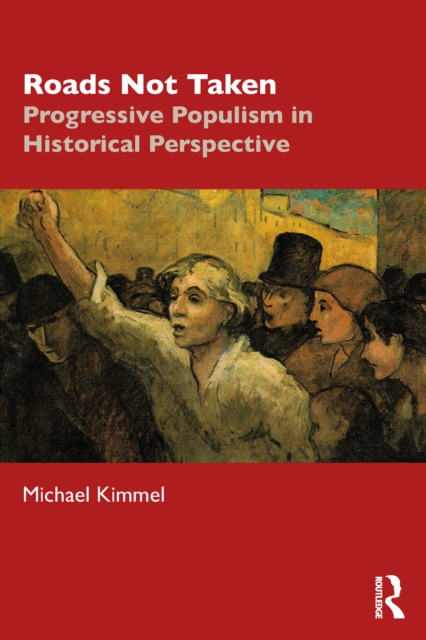
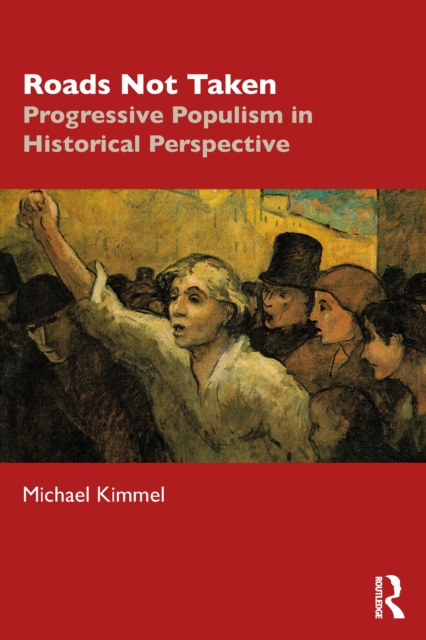
Using a range of in-depth historical case studies, this timely work excavates the oft-forgotten tradition of progressive populism and highlights the relevance of such movements to our own tumultuous times.
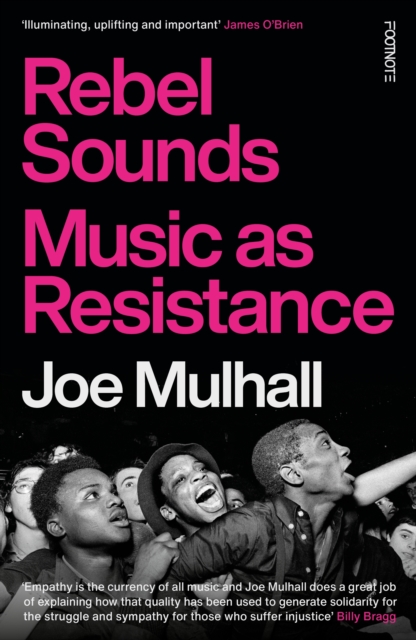
'Empathy is the currency of all music and Joe Mulhall does a great job of explaining how that quality has been used to generate solidarity for the struggle and sympathy for those who suffer injustice' Billy BraggWhile the global history of the dictatorships, oppression, racism and state violence over the last century is well known - the role that music played in people's lives during these times is less understood.
Using a range of in-depth historical case studies, this timely work excavates the oft-forgotten tradition of progressive populism and highlights the relevance of such movements to our own tumultuous times.
The world would witness a revolution: The Industrial Revolution, a revolution that would change not only England, the UK as a whole - but the whole wide world.
First published in 1987 and this edition in 1990, Israel, Palestinians and the Intifada is a comprehensive book covering the dynamics of interaction between Israeli policies and Palestinian responses.
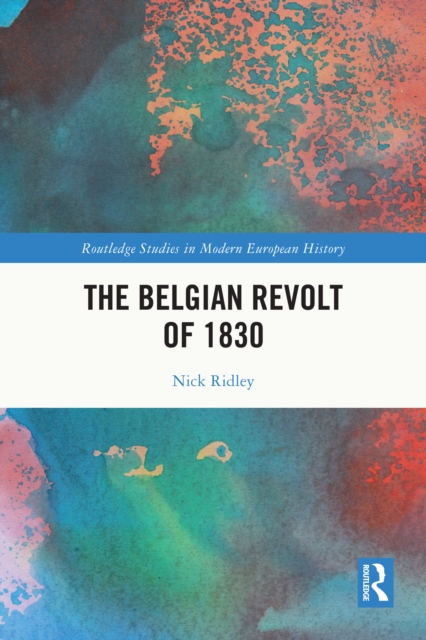
This book examines and analyses the factors essential for the success of the Belgian Revolution of 1830, in which the southern provinces of the United Kingdom of the Netherlands successfully broke away in a nationalist revolt and became the independent Kingdom of Belgium.