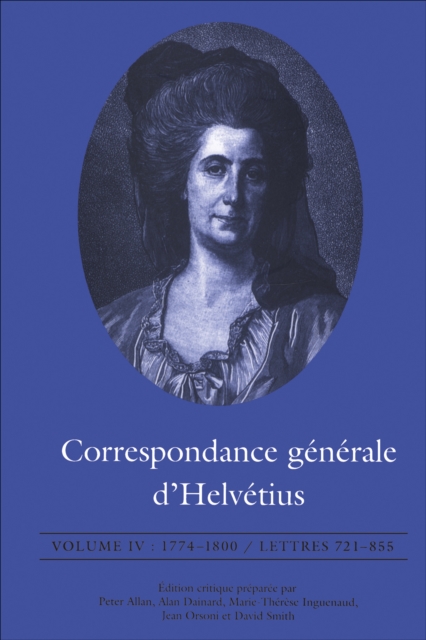
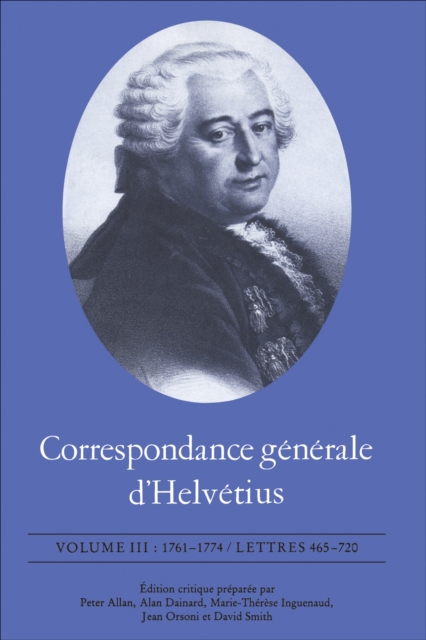
This is the fourth of five volumes of the letters of the French philosopher Claude Adrien Helvétius (1715-1771), author of the controversial De l'Esprit (1758).
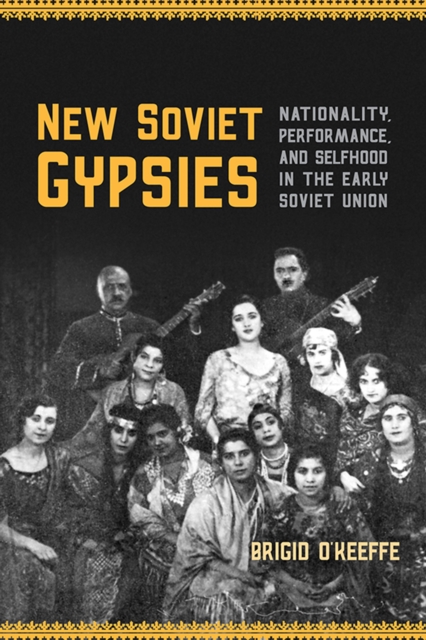
As perceived icons of indifferent marginality, disorder, indolence, and parasitism, “Gypsies” threatened the Bolsheviks’ ideal of New Soviet Men and Women.
As perceived icons of indifferent marginality, disorder, indolence, and parasitism, “Gypsies” threatened the Bolsheviks’ ideal of New Soviet Men and Women.
This historical and critical study of Zola’s Fécondité contributes much to an understanding of how the novel came to be written and of its achievements.
This is the fourth of five volumes of the letters of the French philosopher Claude Adrien Helvétius (1715-1771), author of the controversial De l'Esprit (1758).
Polish populism, which advocated agrarian socialism by either revolutionary or reformist means, emerged first among the émigrés who had left Poland after the Russians defeated the nationalist uprising of 1830.
By choosing to concentrate upon discovering what forest resources were available to the French navy during the ancien régime and what use it was able to make of them, Mr.
This historical and critical study of Zola’s Fécondité contributes much to an understanding of how the novel came to be written and of its achievements.
Allegorical Bodies begins with the paradoxical observation that at the same time as the royal administrators of late fourteenth and early fifteenth-century France excluded women from the royal succession through the codification of Salic law, writers of the period adopted the female form as the allegorical personification of France itself.
Deeply influenced by Enlightenment writers from Naples and France, Vincenzo Cuoco (1770–1823) was forced into exile for his involvement in the failed Neapolitan revolution of 1799.
This book provides the first detailed study in English of the religious philosophy of Vasilii Rozanov, one of the most influential and controversial thinkers of Russia's Silver Age.
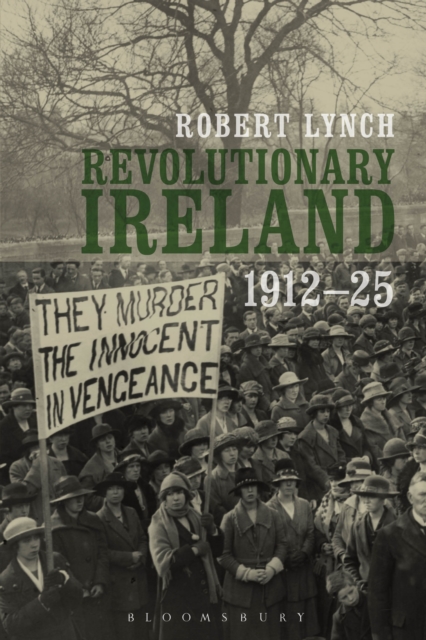
Revolutionary Ireland, 1912-25 analyses the main events in Ireland from the initial crisis over the Third Home Rule Bill in 1912 to the consolidation of partition Ulster with the settling of the boundary issue in 1925.
Cross-dressing author, envoy, soldier and spy Charles d'Eon de Beaumont's unusual career fascinated his contemporaries and continues to attract historians, novelists, playwrights, filmmakers, image makers, cultural theorists and those concerned with manifestations of the extraordinary.
Revolutionary Ireland, 1912-25 analyses the main events in Ireland from the initial crisis over the Third Home Rule Bill in 1912 to the consolidation of partition Ulster with the settling of the boundary issue in 1925.
Cross-dressing author, envoy, soldier and spy Charles d'Eon de Beaumont's unusual career fascinated his contemporaries and continues to attract historians, novelists, playwrights, filmmakers, image makers, cultural theorists and those concerned with manifestations of the extraordinary.
This book argues that Jane Austin did know of the French Revolution and its effects on the European world, even though she never refers to it directly in her writing.
_______________'Powerful A humbling and important first-hand account of a brutal civil war in which as many as 500,000 people have died' - Guardian'A memoir of resistance and survival unique in the annals of modern war If the shedding of blood can be beautiful in words, he makes it so' - Wall Street Journal'A valuable perspective absent from much of what has already been written on Syria .
Set in the 1950s, The Broken Word is an extraordinary poetic sequence that animates and illuminates a dark, terrifying period in British colonial history.
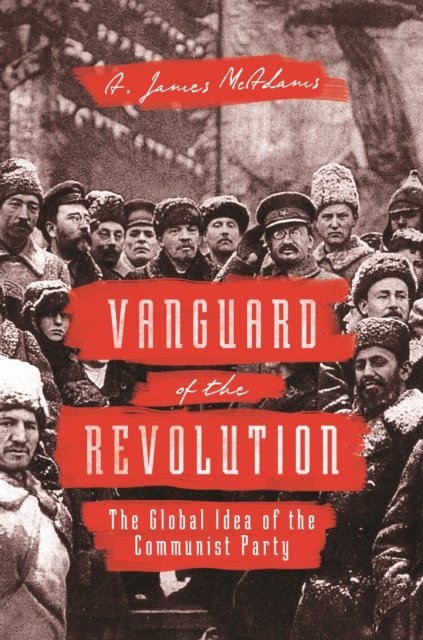
The first comprehensive political history of the communist partyVanguard of the Revolution is a sweeping history of one of the most significant political institutions of the modern world.
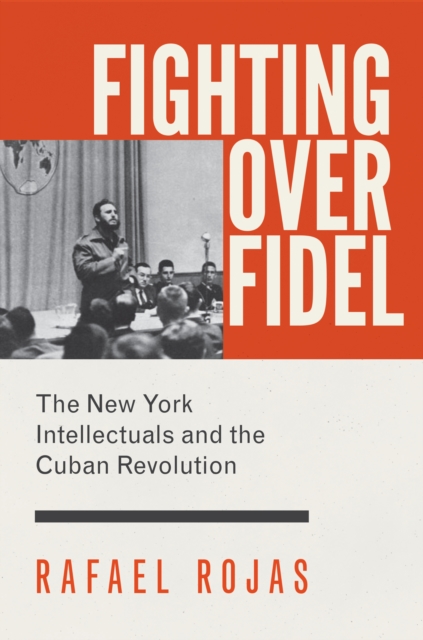
How New York intellectuals interpreted and wrote about Castro's revolution in the 1960sNew York in the 1960s was a hotbed for progressive causes of every stripe, including women's liberation, civil rights, opposition to the Vietnam War-and the Cuban Revolution.
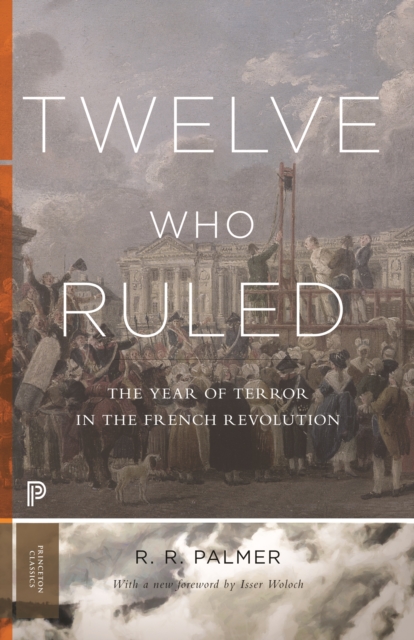
The Reign of Terror continues to fascinate scholars as one of the bloodiest periods in French history, when the Committee of Public Safety strove to defend the first Republic from its many enemies, creating a climate of fear and suspicion in revolutionary France.
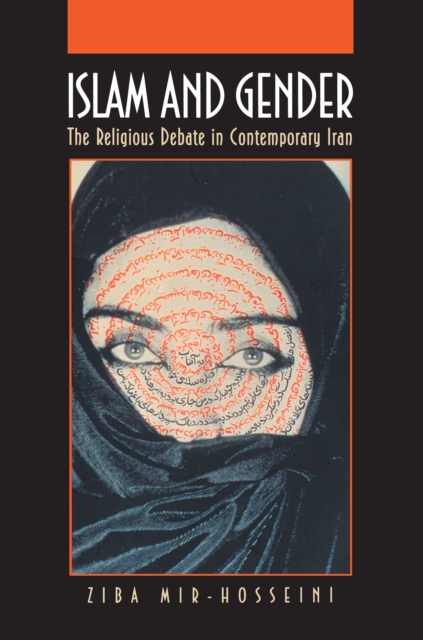
Following the Islamic Revolution of 1979 and the re-introduction of Sharica law relating to gender and the family, women's rights in Iran suffered a major setback.