The millions of Egyptians who returned to the heart of Cairo and Egypt's other major cities for 18 days until the eventual toppling of the Mubarak regime were orderly without an organisation, inspired without a leader, and single-minded without one guiding political ideology.
The millions of Egyptians who returned to the heart of Cairo and Egypt's other major cities for 18 days until the eventual toppling of the Mubarak regime were orderly without an organisation, inspired without a leader, and single-minded without one guiding political ideology.
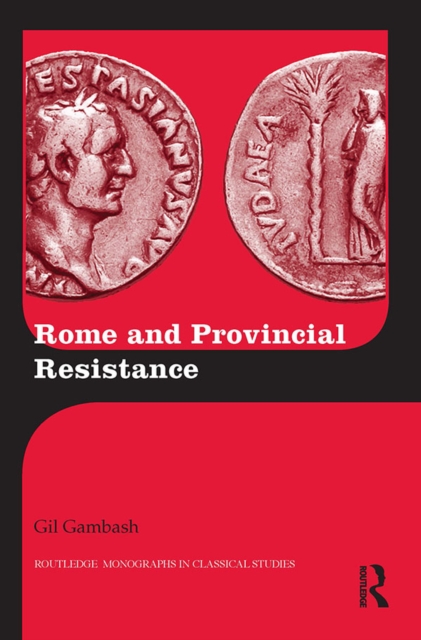
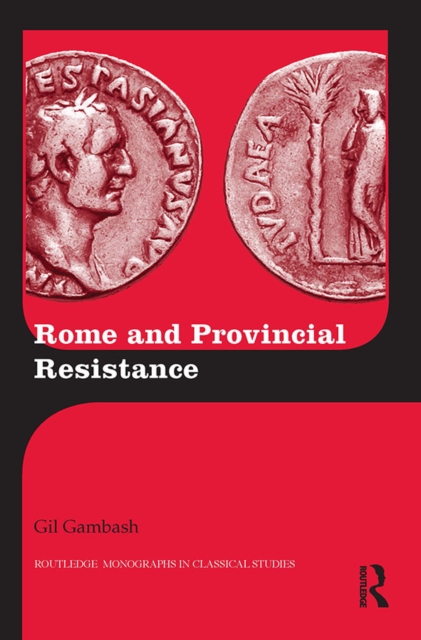
This book demonstrates and analyzes patterns in the response of the Imperial Roman state to local resistance, focusing on decisions made within military and administrative organizations during the Principate.
This book demonstrates and analyzes patterns in the response of the Imperial Roman state to local resistance, focusing on decisions made within military and administrative organizations during the Principate.
This book, first published in 1961 and revised in 1964, is both a critical study of a body of thought and an historical account of how Marxist theory arose from the context of European history in the 19th century.
This book, first published in 1961 and revised in 1964, is both a critical study of a body of thought and an historical account of how Marxist theory arose from the context of European history in the 19th century.
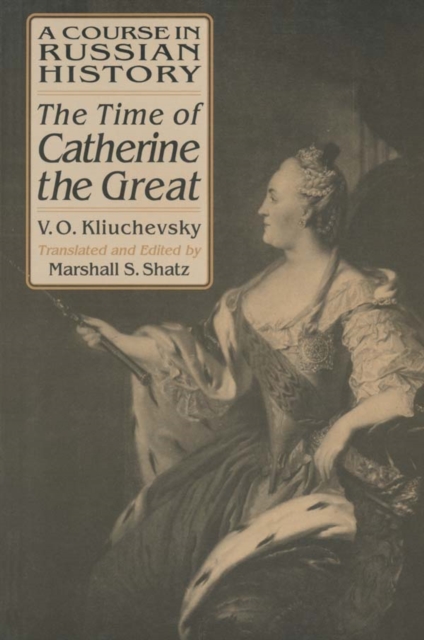
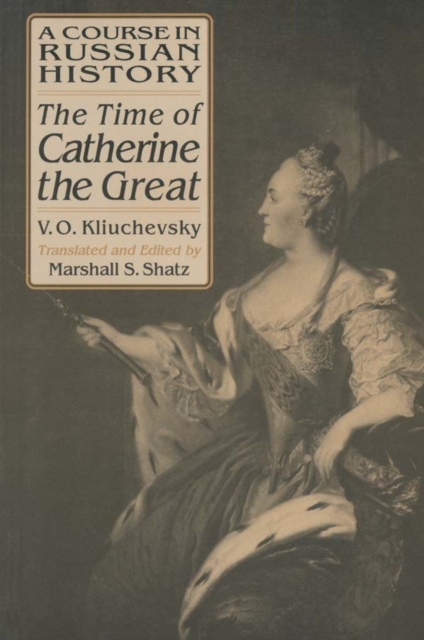
In this newly-translated excerpt from his five-volume "e;Course"e;, Kliuchevsky (1841-1911) provides a colourful description of Russian court life in the 18th century, a dramatic narrative of the coup d'etat that brought Catherine II to power, a portrait of the empress herself, and an analysis of her foreign conquests and her major internal initiatives.
In this newly-translated excerpt from his five-volume "e;Course"e;, Kliuchevsky (1841-1911) provides a colourful description of Russian court life in the 18th century, a dramatic narrative of the coup d'etat that brought Catherine II to power, a portrait of the empress herself, and an analysis of her foreign conquests and her major internal initiatives.
Written by one of Japan' most popular modern authors, this is a lively, readable, and immensely entertaining fictional portrayal of one of the epochal events of the nineteenth century.
Written by one of Japan' most popular modern authors, this is a lively, readable, and immensely entertaining fictional portrayal of one of the epochal events of the nineteenth century.
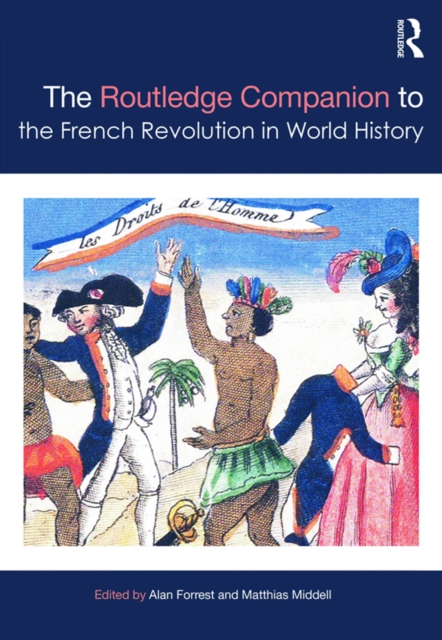
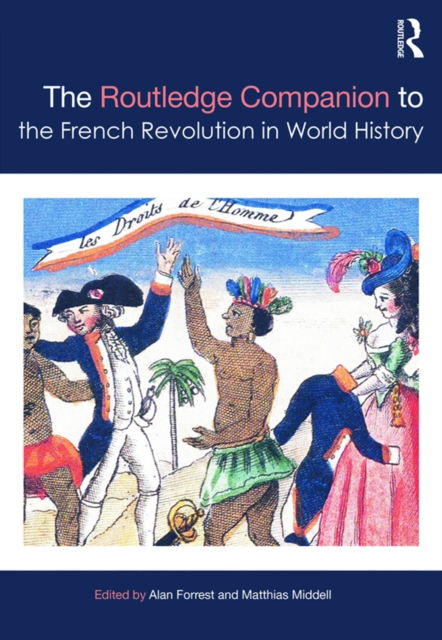
The Routledge Companion to the French Revolution in World History engages with some of the most recent trends in French revolutionary scholarship by considering the Revolution in its global context.
The Routledge Companion to the French Revolution in World History engages with some of the most recent trends in French revolutionary scholarship by considering the Revolution in its global context.
Pentland's study has 3 aims: to place the uprising in a wider context by exploring the modes of extra-parliamentary politics between 1815 and1820 as well as the situation outside Scotland; (ii) to provide the first full account of the rising itself; and (iii) to examine the legacies of both the politics of 1815-20 and the Radical War.
Pentland's study has 3 aims: to place the uprising in a wider context by exploring the modes of extra-parliamentary politics between 1815 and1820 as well as the situation outside Scotland; (ii) to provide the first full account of the rising itself; and (iii) to examine the legacies of both the politics of 1815-20 and the Radical War.
Originally published in 1926, this translation of Engels' account of the Peasant War in fourteenth Century Germany explores the social and economic forces that led to peasant rebellion with a particular focus on how closely this related to the Reformation.
Originally published in 1926, this translation of Engels' account of the Peasant War in fourteenth Century Germany explores the social and economic forces that led to peasant rebellion with a particular focus on how closely this related to the Reformation.
Leading figures and rising stars in the field present the first contribution explaining the transnational nature of the revolutionary violence of the New Left.
Leading figures and rising stars in the field present the first contribution explaining the transnational nature of the revolutionary violence of the New Left.
The revolutionary movements of 1905-1907 formed the first stage of the Russian Revolution, followed by an interval of peace and economic prosperity, but the outbreak of WWI and social unrest led to further revolutionary action in 1917 resulting in the abdication and murder of Tsar Nicholas II and the creation of the Soviet Union.
The revolutionary movements of 1905-1907 formed the first stage of the Russian Revolution, followed by an interval of peace and economic prosperity, but the outbreak of WWI and social unrest led to further revolutionary action in 1917 resulting in the abdication and murder of Tsar Nicholas II and the creation of the Soviet Union.
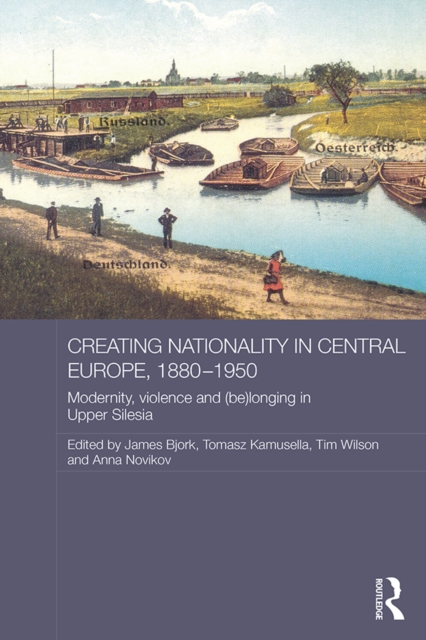
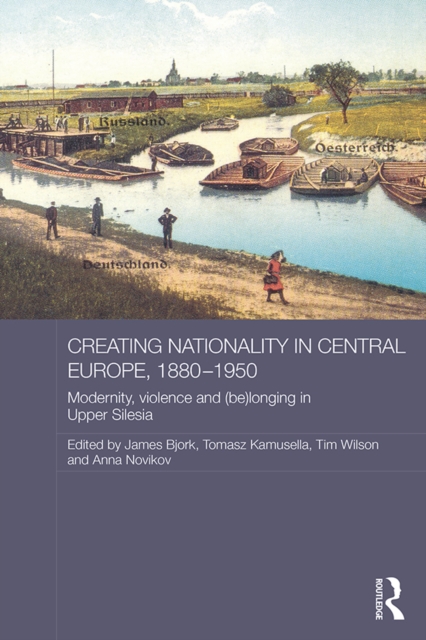
In the immediate aftermath of the First World War, Upper Silesia was the site of the largest formal exercise in self-determination in European history, the 1921 Plebiscite.
In the immediate aftermath of the First World War, Upper Silesia was the site of the largest formal exercise in self-determination in European history, the 1921 Plebiscite.
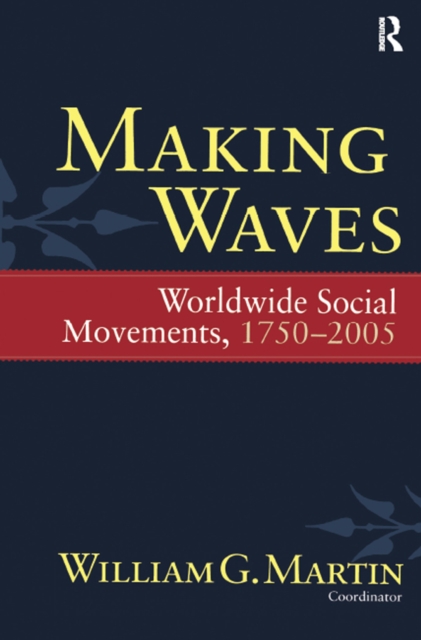
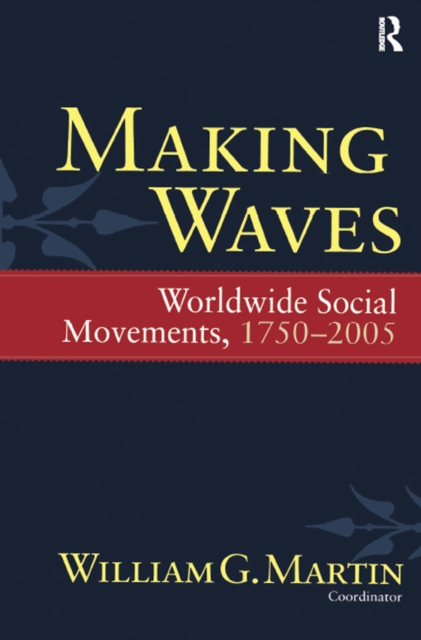
Making Waves unearths the successive, worldwide waves of revolts, rebellions, and revolutions that have shaken and remade the world from the eighteenth century to the present.
Making Waves unearths the successive, worldwide waves of revolts, rebellions, and revolutions that have shaken and remade the world from the eighteenth century to the present.
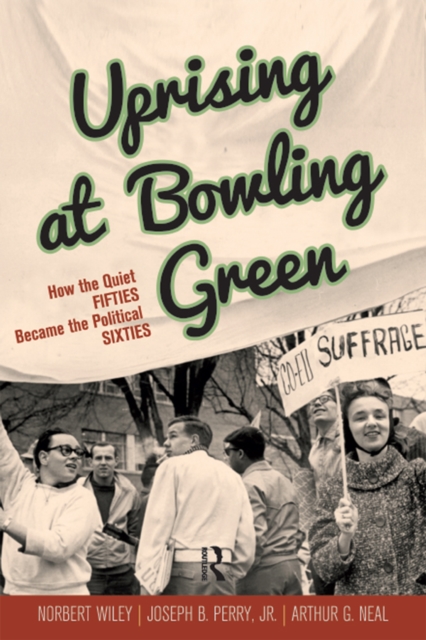
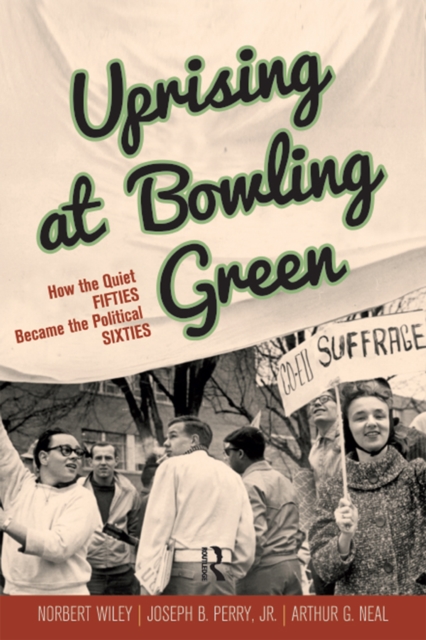
Often overlooked, the student demonstration at Bowling Green State University was the first and most successful 1960s campus protest - and a key point in the transition from 1950s social mores to 1960s activism.
Often overlooked, the student demonstration at Bowling Green State University was the first and most successful 1960s campus protest - and a key point in the transition from 1950s social mores to 1960s activism.