In Theorizing Revolutions, some of the most exciting thinkers in the study of revolutions today look critically at the many theoretical frameworks through which revolutions can be understood and apply them to specific revolutionary cases.
In Theorizing Revolutions, some of the most exciting thinkers in the study of revolutions today look critically at the many theoretical frameworks through which revolutions can be understood and apply them to specific revolutionary cases.
The Spanish Civil War (1936-1939) pitted conservative forces including the army, the Church, the Falange (fascist party), landowners, and industrial capitalists against the Republic, installed in 1931 and supported by intellectuals, the petite bourgeoisie, many campesinos (farm laborers), and the urban proletariat.
The Spanish Civil War (1936-1939) pitted conservative forces including the army, the Church, the Falange (fascist party), landowners, and industrial capitalists against the Republic, installed in 1931 and supported by intellectuals, the petite bourgeoisie, many campesinos (farm laborers), and the urban proletariat.
Jackie Sheehan traces the background and development of workers clashes with the Chinese Communist Party through mass campaigns such as the 1956-7 Hundred Flowers movement, the Cultural Revolution, the April Fifth Movement of 1976, Democracy Wall and the 1989 Democracy Movement.
Jackie Sheehan traces the background and development of workers clashes with the Chinese Communist Party through mass campaigns such as the 1956-7 Hundred Flowers movement, the Cultural Revolution, the April Fifth Movement of 1976, Democracy Wall and the 1989 Democracy Movement.
Revolutions presents eight European case studies including the English revolution of 1649, the French Revolution and the recent revolutions within the Soviet Union and Eastern Europe (1989-1991) and examines them not only in their specific political, economic and social contexts but also as part of the wider European revolutionary tradition.
Revolutions presents eight European case studies including the English revolution of 1649, the French Revolution and the recent revolutions within the Soviet Union and Eastern Europe (1989-1991) and examines them not only in their specific political, economic and social contexts but also as part of the wider European revolutionary tradition.
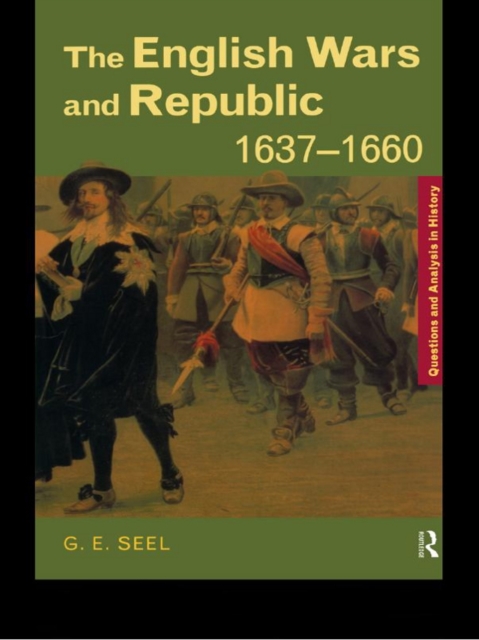
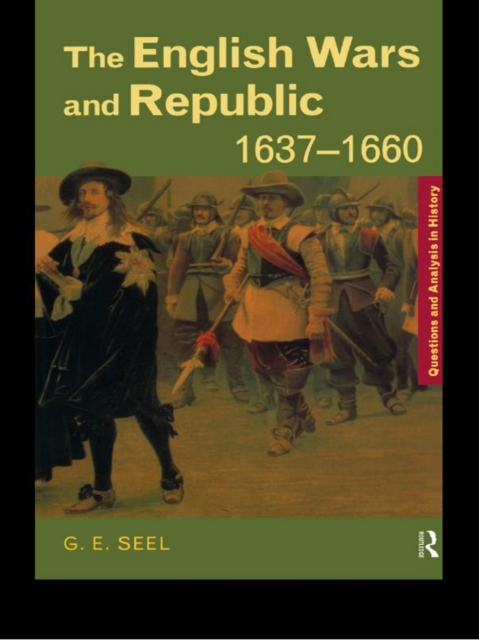
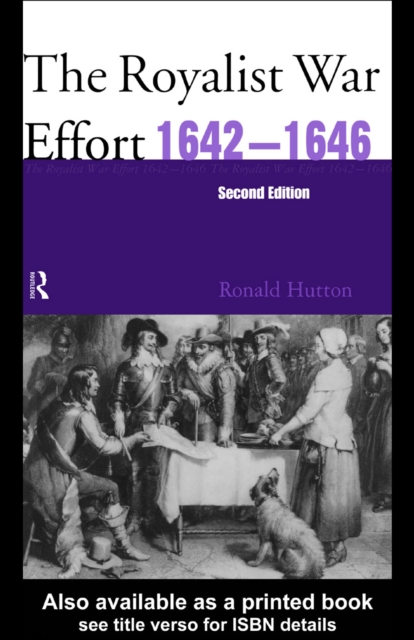
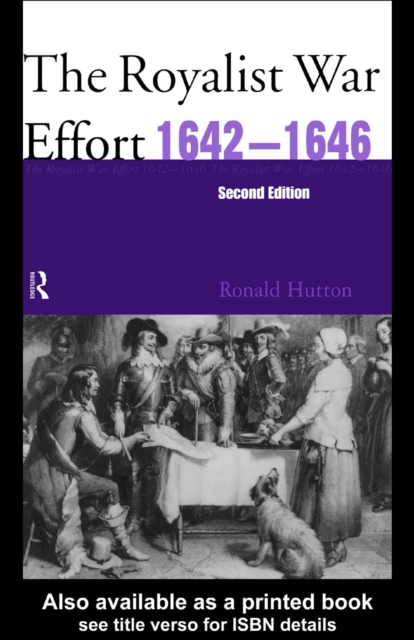
The English Civil Wars explores the period of turmoil in British history from 1637 and the latter part of the reign of Charles I, to the restoration with Charles II in 1660.
The English Civil Wars explores the period of turmoil in British history from 1637 and the latter part of the reign of Charles I, to the restoration with Charles II in 1660.
This book provides an original assessment of the First World War in Ireland and its consequences, the key to understanding the complexities of the Irish nation today.
This book provides an original assessment of the First World War in Ireland and its consequences, the key to understanding the complexities of the Irish nation today.
This broad comparative survey focuses on five big case studies, starting with the English Revolution in the seventeenth century, and going on to the Mexican, Russian, Vietnamese and Iranian Revolutions.
This broad comparative survey focuses on five big case studies, starting with the English Revolution in the seventeenth century, and going on to the Mexican, Russian, Vietnamese and Iranian Revolutions.
Internationally renowned as the greatest authority on the French Revolution, Georges Lefebvre combined impeccable scholarship with a lively writing style.
Internationally renowned as the greatest authority on the French Revolution, Georges Lefebvre combined impeccable scholarship with a lively writing style.
Providing essays, sources with questions and worked answers, together with background to each topic within Irish history, Nick Pelling provides a good foundational text for the study of Anglo-Irish relations.
Providing essays, sources with questions and worked answers, together with background to each topic within Irish history, Nick Pelling provides a good foundational text for the study of Anglo-Irish relations.
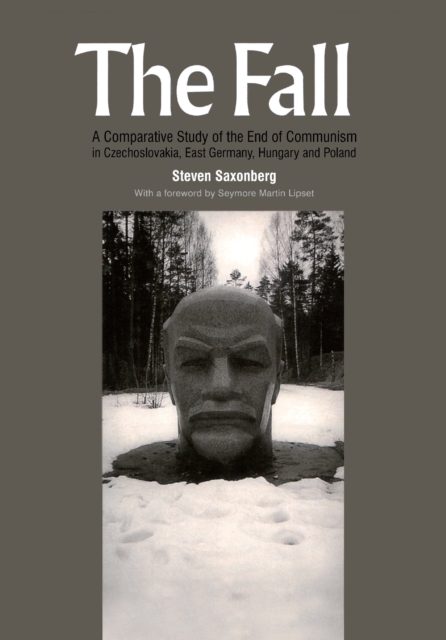
With a foreword by Seymour Lipset, Hoover Institution and George Mason University, USAThe Fall examines one of the twentieth century's great historical puzzles: why did the communist-led regimes in Eastern Europe collapse so quickly and why was the process of collapse so different from country to country?
With a foreword by Seymour Lipset, Hoover Institution and George Mason University, USAThe Fall examines one of the twentieth century's great historical puzzles: why did the communist-led regimes in Eastern Europe collapse so quickly and why was the process of collapse so different from country to country?
Despite enormous differences between Asia and Eastern Europe, there are striking similarities between the peaceful, spontaneous, urban-based and cross-class democratic uprisings against unyielding dictatorships that have occurred in the two regions.
Despite enormous differences between Asia and Eastern Europe, there are striking similarities between the peaceful, spontaneous, urban-based and cross-class democratic uprisings against unyielding dictatorships that have occurred in the two regions.
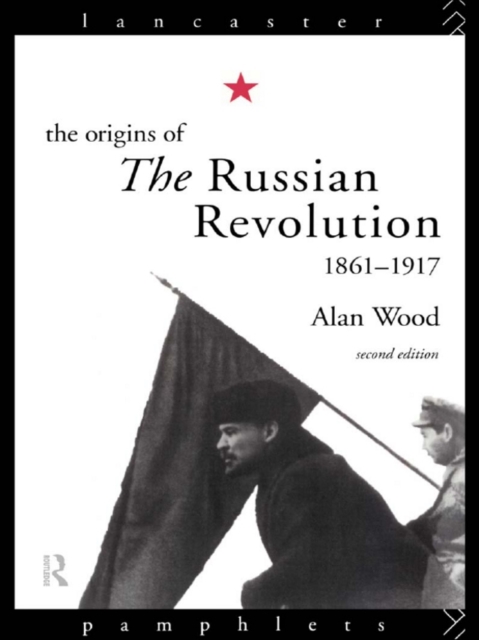
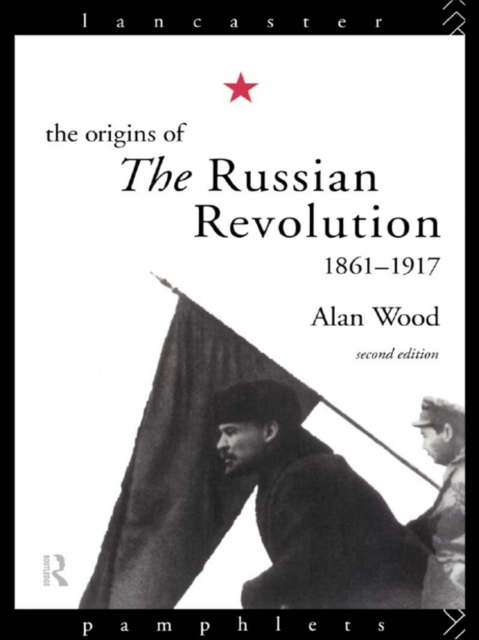
Alan Wood provides a concise introduction to the Russian Revolution and its origins dating back to the emancipation of the Russian peasant serfs in 1861.
Alan Wood provides a concise introduction to the Russian Revolution and its origins dating back to the emancipation of the Russian peasant serfs in 1861.
This wide-ranging collection brings together multiple perspectives on a key period in Irish history, from the Fenian Rising in 1867 to the creation of the Irish Free State and Northern Ireland in 1921, with a focus on the formation of Irish identity.
This wide-ranging collection brings together multiple perspectives on a key period in Irish history, from the Fenian Rising in 1867 to the creation of the Irish Free State and Northern Ireland in 1921, with a focus on the formation of Irish identity.
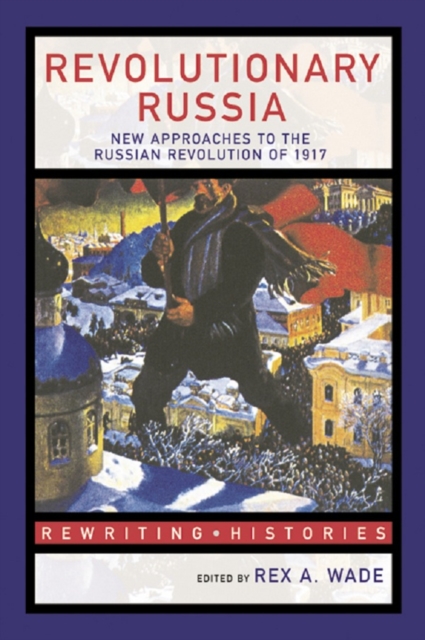
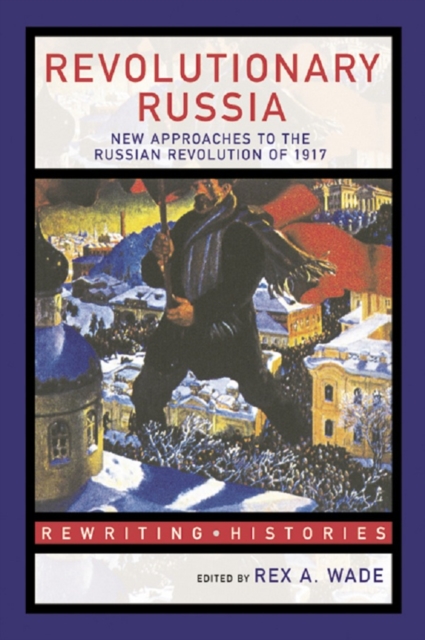
2005 marks the centenary of Russia's 'first revolution' - an unplanned, spontaneous rejection of Tsarist rule that was a response to the 'Bloody Sunday' massacre of 9th January 1905.
2005 marks the centenary of Russia's 'first revolution' - an unplanned, spontaneous rejection of Tsarist rule that was a response to the 'Bloody Sunday' massacre of 9th January 1905.
This book analyzes the decay of Liberal politics in Spain as the regional version of the general crisis that engulfed most of Europe between 1916 and 1923.