The Fall of Tsarism contains a series of gripping, plain-spoken testimonies from some of the leading participants of the Russian Revolution of February 1917, including the future revolutionary premier Alexander Kerenskii.
In 1842 Heinrich Heine, the German poet, wrote that the bourgeoisie, 'obsessed by a nightmare apprehension of disaster' and 'an instinctive dread of communism', were driven against their better instincts into tolerating absolutist government.
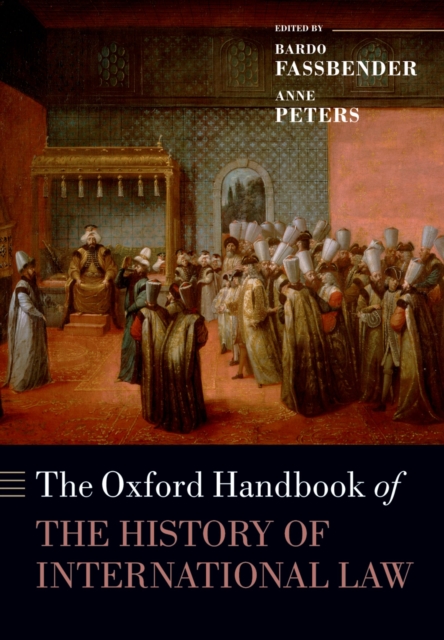
The Oxford Handbook of the History of International Law provides an authoritative and original overview of the origins, concepts, and core issues of international law.
The Oxford Handbook of the History of International Law provides an authoritative and original overview of the origins, concepts, and core issues of international law.
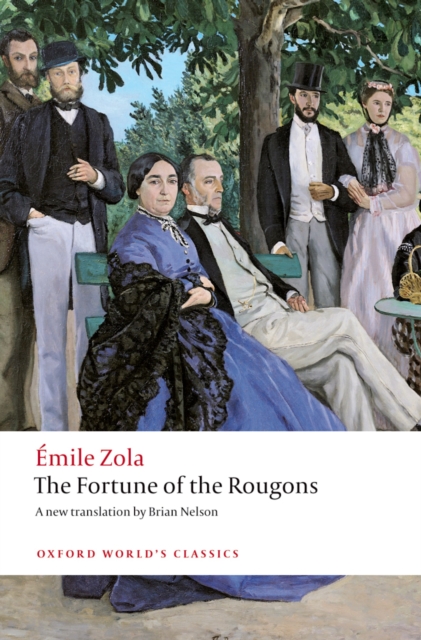
'He thought he could see, in a flash, the future of the Rougon-Macquart family, a pack of wild satiated appetites in the midst of a blaze of gold and blood.
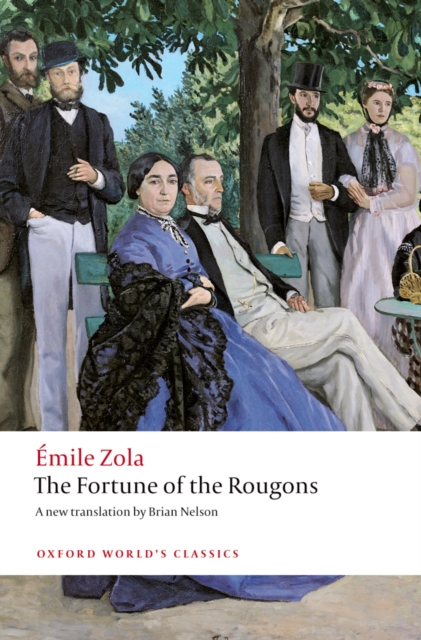
'He thought he could see, in a flash, the future of the Rougon-Macquart family, a pack of wild satiated appetites in the midst of a blaze of gold and blood.
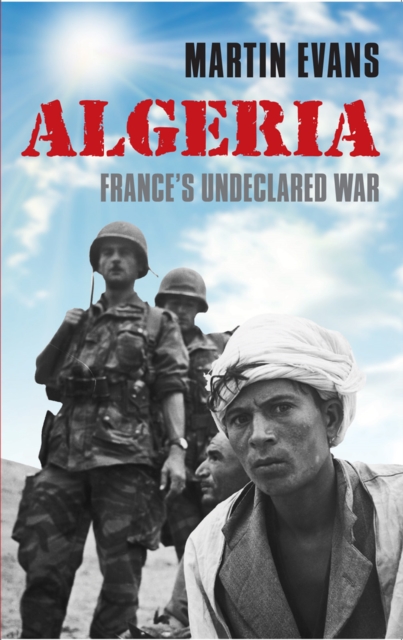
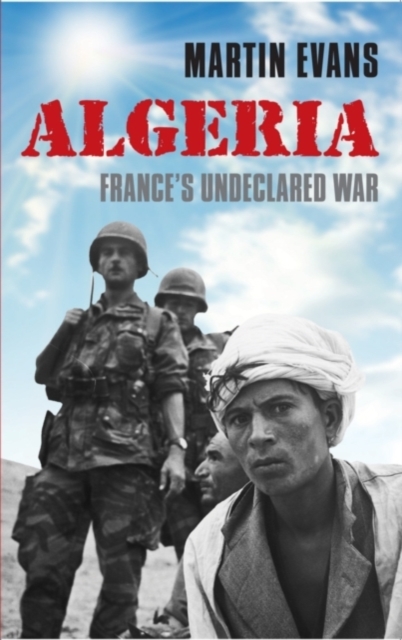
Invaded in 1830, populated by one million settlers who co-existed uneasily with nine million Arabs and Berbers, Algeria was different from other French colonies because it was administered as an integral part of France, in theory no different from Normandy or Brittany.
Invaded in 1830, populated by one million settlers who co-existed uneasily with nine million Arabs and Berbers, Algeria was different from other French colonies because it was administered as an integral part of France, in theory no different from Normandy or Brittany.
In The Oxford Handbook of the Ancien Regime, an international team of thirty contributors survey and present current thinking about the world of pre-revolutionary France and Europe.
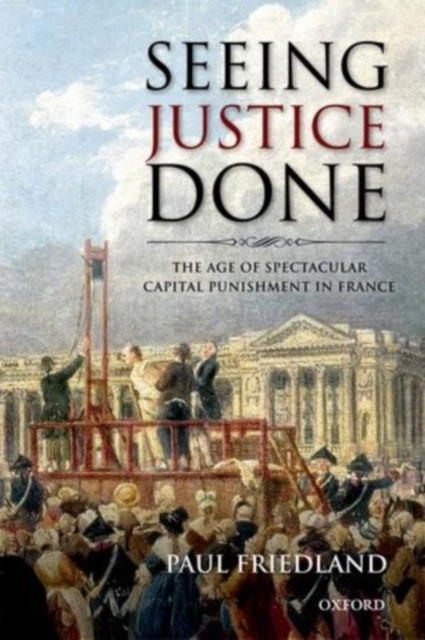
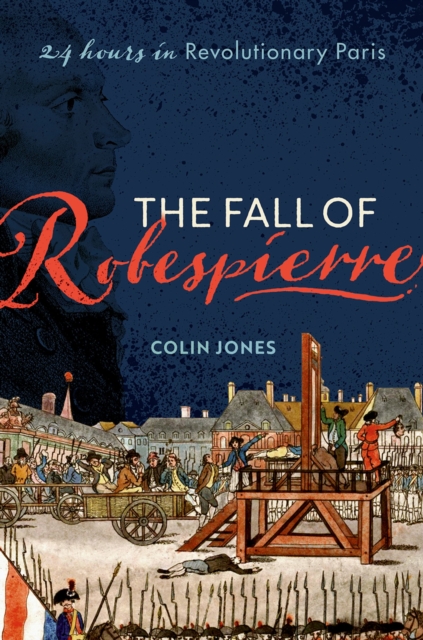
From the early Middle Ages to the twentieth century, capital punishment in France, as in many other countries, was staged before large crowds of spectators.
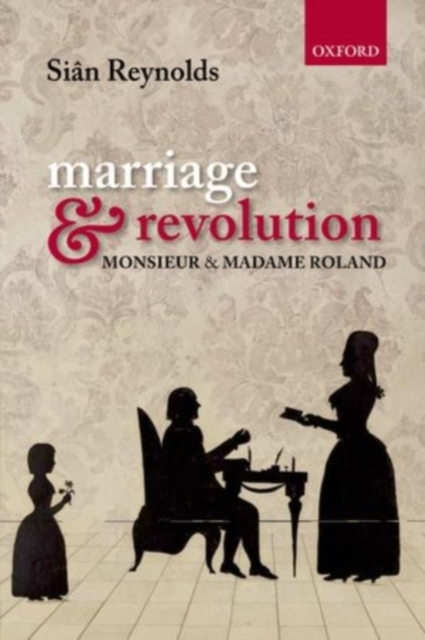
Marriage and Revolution is a double biography of Jean-Marie Roland (1734-1793) and Marie-Jeanne Phlipon, later Madame Roland (1754-1793), leading figures in the French Revolution.
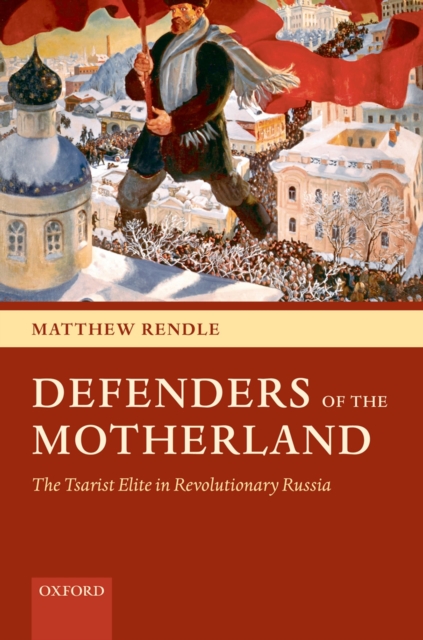
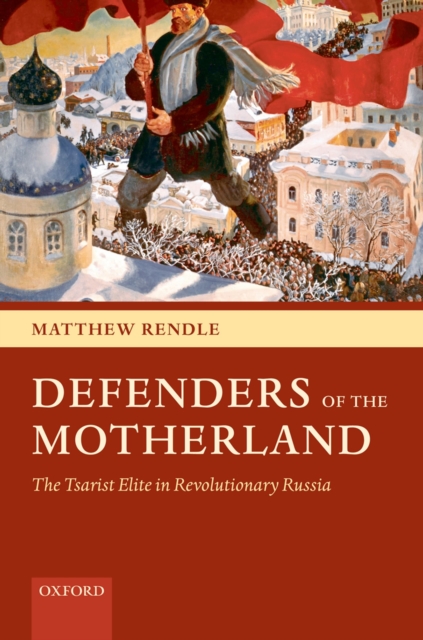
Defenders of the Motherland studies how the most powerful social groups in tsarist Russia reacted to the challenges posed by the Russian Revolutions of 1917.
This volume brings together extracts of the major political writings of Mary Wollstonecraft in the order in which they appeared in the revolutionary 1790s.
This volume brings together extracts of the major political writings of Mary Wollstonecraft in the order in which they appeared in the revolutionary 1790s.
Defenders of the Motherland studies how the most powerful social groups in tsarist Russia reacted to the challenges posed by the Russian Revolutions of 1917.
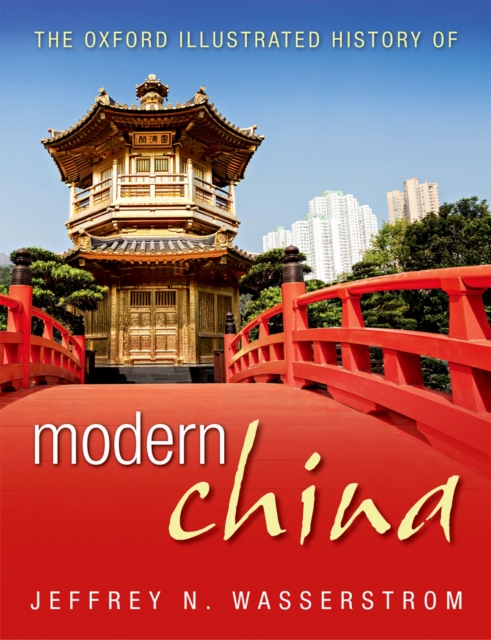
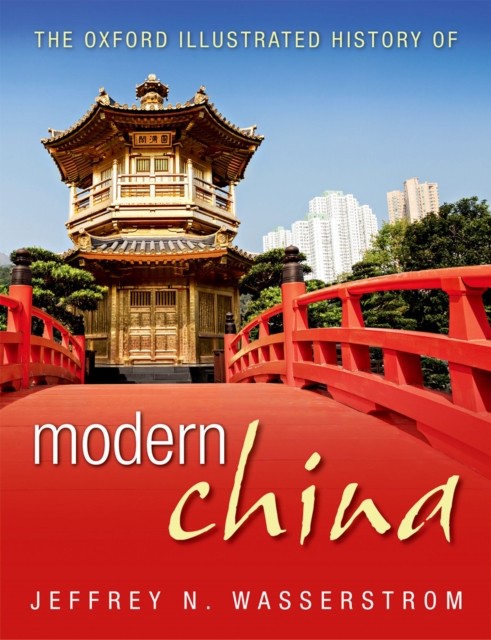
This lavishly illustrated volume explores the history of China during a period of dramatic shifts and surprising transformations, from the founding of the Qing Dynasty (1644-1912) through to the present day.
This lavishly illustrated volume explores the history of China during a period of dramatic shifts and surprising transformations, from the founding of the Qing Dynasty (1644-1912) through to the present day.
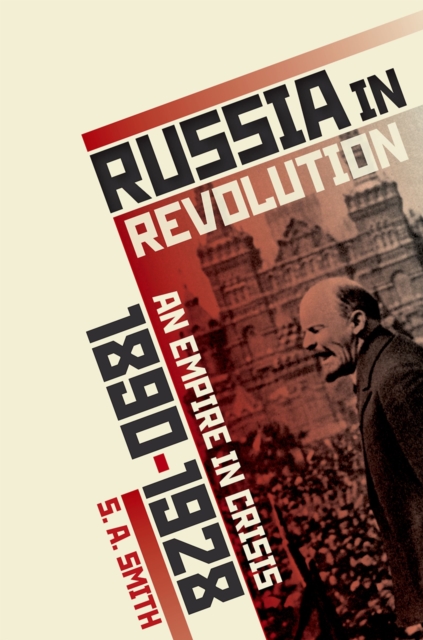
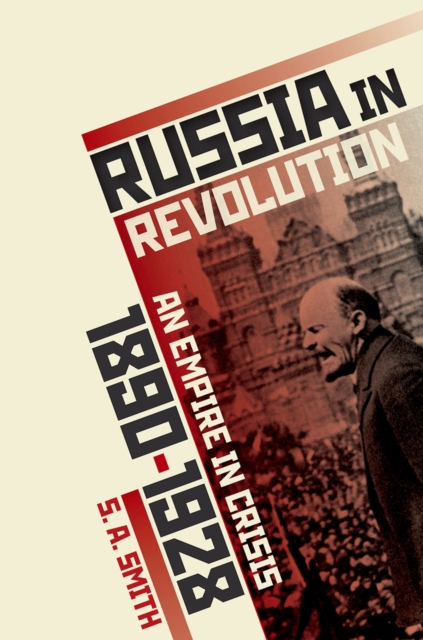
The Russian Revolution of 1917 transformed the face of the Russian empire, politically, economically, socially, and culturally, and also profoundly affected the course of world history for the rest of the twentieth century.
The Russian Revolution of 1917 transformed the face of the Russian empire, politically, economically, socially, and culturally, and also profoundly affected the course of world history for the rest of the twentieth century.
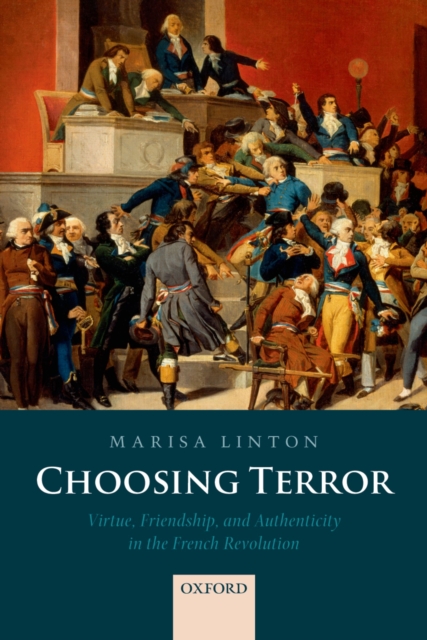
Choosing Terror: Virtue, Friendship and Authenticity in the French Revolution examines the leaders of the French Revolution - Robespierre and his fellow Jacobins - and particularly the gradual process whereby many of them came to 'choose terror'.
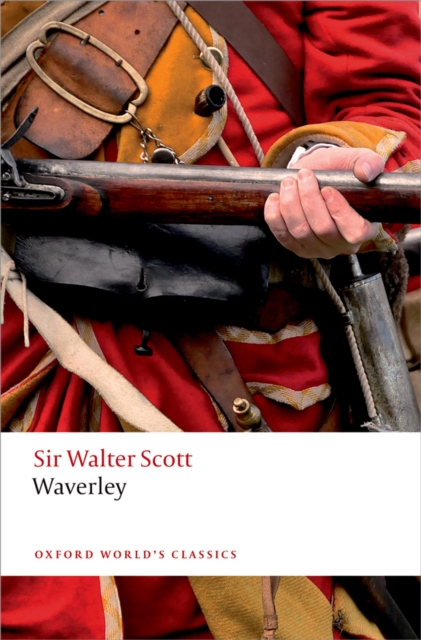
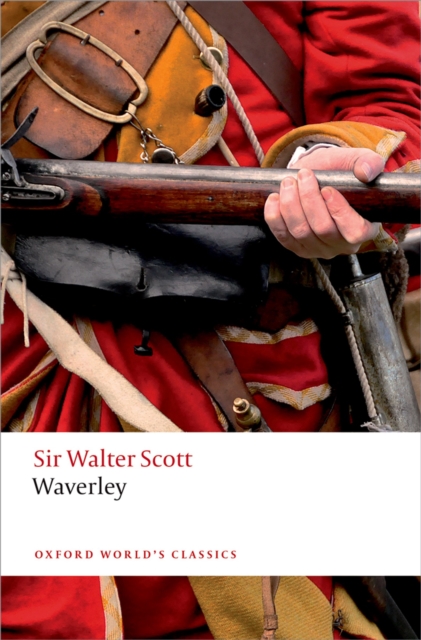
'the most romantic parts of this narrative are precisely those which have a foundation in fact'Edward Waverley, a young English soldier in the Hanoverian army, is sent to Scotland where he finds himself caught up in events that quickly transform from the stuff of romance into nightmare.
'the most romantic parts of this narrative are precisely those which have a foundation in fact'Edward Waverley, a young English soldier in the Hanoverian army, is sent to Scotland where he finds himself caught up in events that quickly transform from the stuff of romance into nightmare.