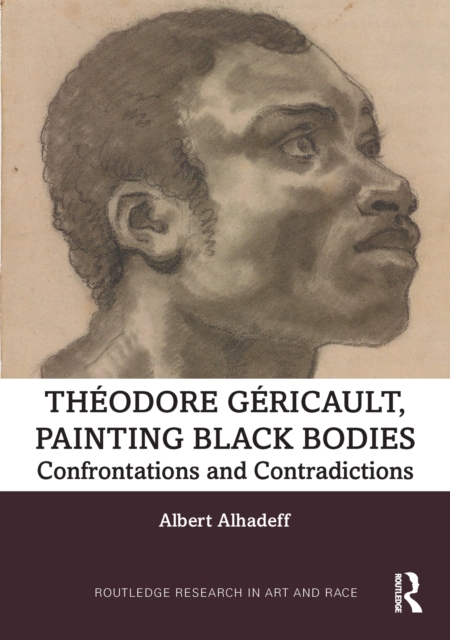
This book examines Theodore Gericault's images of black men, women and children who suffered slavery's trans-Atlantic passage in the late eighteenth and early nineteenth centuries, including his 1819 painting The Raft of the Medusa.
This book examines Theodore Gericault's images of black men, women and children who suffered slavery's trans-Atlantic passage in the late eighteenth and early nineteenth centuries, including his 1819 painting The Raft of the Medusa.
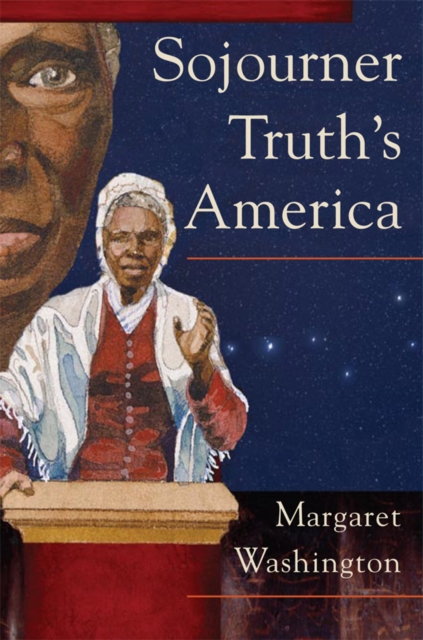
This fascinating biography tells the story of nineteenth-century America through the life of one of its most charismatic and influential characters: Sojourner Truth.
This is a new critical edition of an unjustly forgotten drama by Alphonse de Lamartine, written in the early 1840s but only given its first, and last, performance in Paris in 1850.
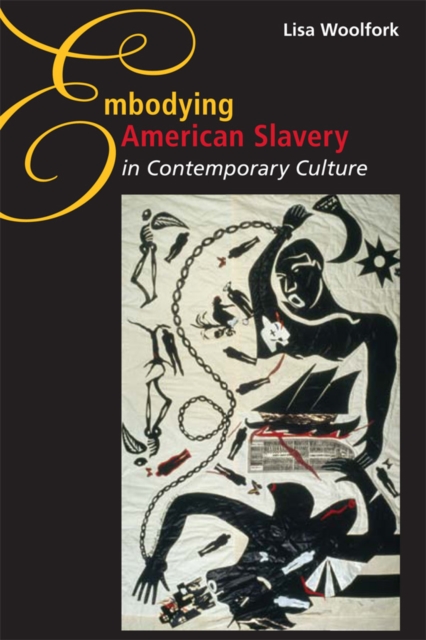
This study explores contemporary novels, films, performances, and reenactments that depict American slavery and its traumatic effects by invoking a time-travel paradigm to produce a representational strategy of "e;bodily epistemology.
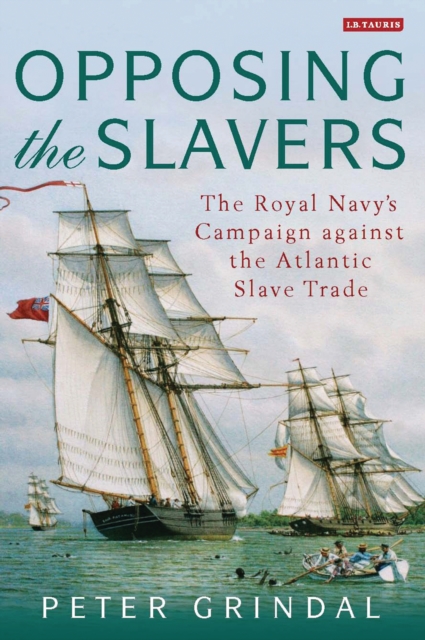
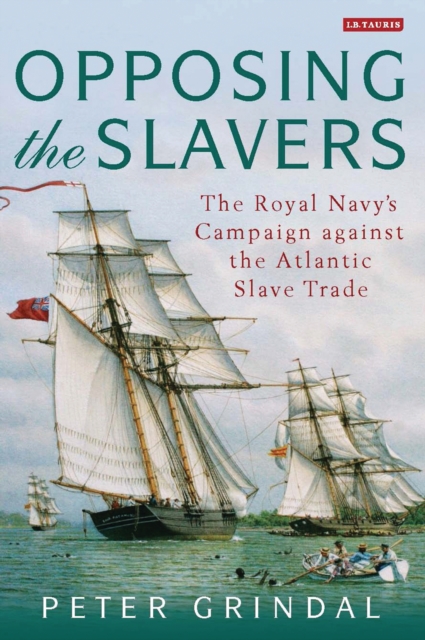
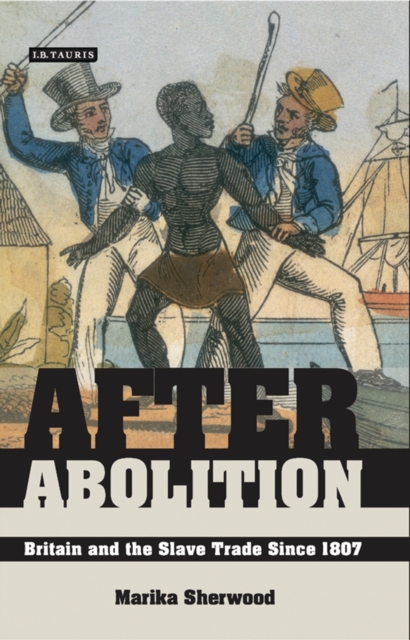
Much is known about Britain's role in the Atlantic slave trade during the eighteenth century but few are aware of the sustained campaign against slaving conducted by the Royal Navy after the passing of the Slave Trade Abolition Act of 1807.
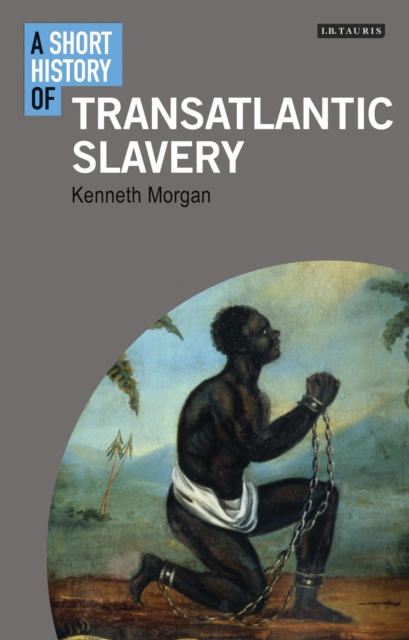
From 1501, when the first slaves arrived in Hispaniola, until the nineteenth century, some twelve million people were abducted from west Africa and shipped across thousands of miles of ocean - the infamous Middle Passage - to work in the colonies of the New World.
From 1501, when the first slaves arrived in Hispaniola, until the nineteenth century, some twelve million people were abducted from west Africa and shipped across thousands of miles of ocean - the infamous Middle Passage - to work in the colonies of the New World.
Much is known about Britain's role in the Atlantic slave trade during the eighteenth century but few are aware of the sustained campaign against slaving conducted by the Royal Navy after the passing of the Slave Trade Abolition Act of 1807.
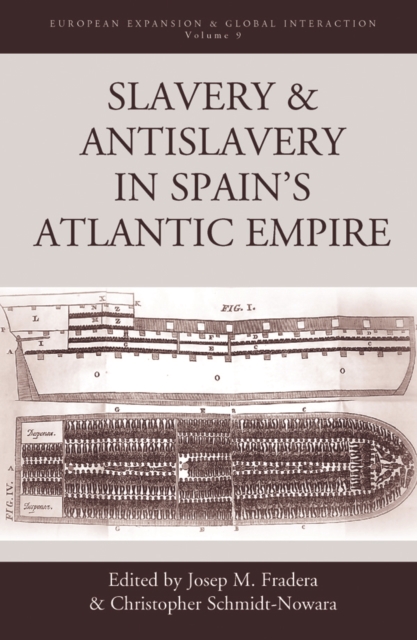
African slavery was pervasive in Spain s Atlantic empire yet remained in the margins of the imperial economy until the end of the eighteenth century when the plantation revolution in the Caribbean colonies put the slave traffic and the plantation at the center of colonial exploitation and conflict.
Author Sandra Morgan awarded Wilberforce AwardHuman trafficking is one of the most pressing social justice issues of our time, and in recent years there has been renewed interest among Christians, as many have beenstirred up to take their part in the ongoing battle.
The essays in this book demonstrate the importance of transatlantic and intra-American slave trafficking in the development of colonial Spanish America, highlighting the Spanish colonies' previously underestimated significance within the broader history of the slave trade.
The politics of slavery and slave trade in nineteenth-century Cuba and Brazil is the subject of this acclaimed study, first published in Brazil in 2010 and now available for the first time in English.
Although it never had a plantation-based economy, the Ro de la Plata region, comprising present-day Argentina, Uruguay, and Paraguay, has a long but neglected history of slave trading and slavery.
Unlike most books on slavery in the Americas, this social history of Africans and their enslaved descendants in colonial Costa Rica recounts the journey of specific people from West Africa to the New World.
In People of Faith, Mariza de Carvalho Soares reconstructs the everyday lives of Mina slaves transported in the eighteenth century to Rio de Janeiro from the western coast of Africa, particularly from modern-day Benin.
More than forty years after the major victories of the civil rights movement, African Americans have a vexed relation to the civic myth of the United States as the land of equal opportunity and justice for all.
In September 1781, the captain of the British slave ship Zong ordered 133 slaves thrown overboard, enabling the ship's owners to file an insurance claim for their lost "e;cargo.
This book brings back into print, for the first time since the 1830s, a text that was central to the transatlantic campaign to fully abolish slavery in Britain's colonies.
Originally published in 1985, and available for the first time in paperback, Bondmen & Rebels provides a pioneering study of slave resistance in the Americas.
In May 1888 the Brazilian parliament passed, and Princess Isabel (acting for her father, Emperor Pedro II) signed, the lei aurea, or Golden Law, providing for the total abolition of slavery.
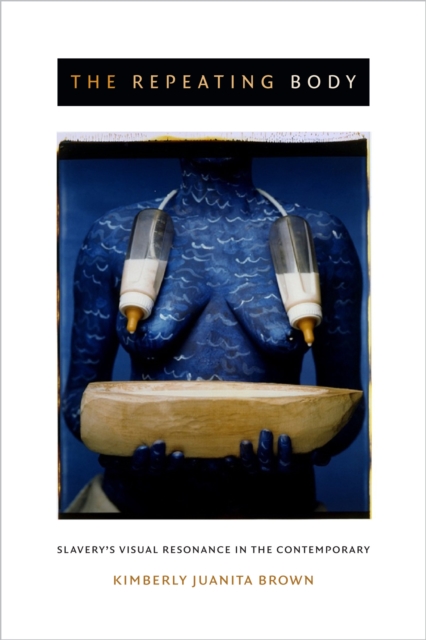
Haunted by representations of black women that resist the reality of the body's vulnerability, Kimberly Juanita Brown traces slavery's afterlife in black women's literary and visual cultural productions.
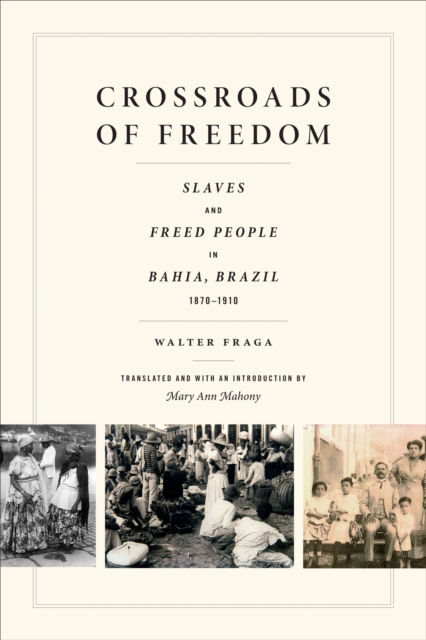
By 1870 the sugar plantations of the Reconcavo region in Bahia, Brazil, held at least seventy thousand slaves, making it one of the largest and most enduring slave societies in the Americas.
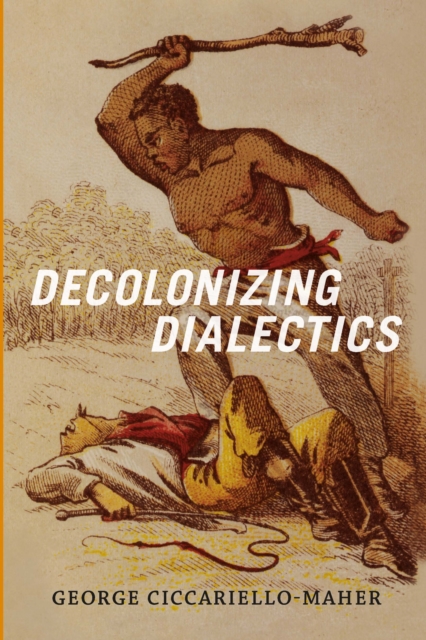
Anticolonial theorists and revolutionaries have long turned to dialectical thought as a central weapon in their fight against oppressive structures and conditions.
In Illegible Will Hershini Bhana Young engages with the archive of South African and black diasporic performance to examine the absence of black women's will from that archive.
Following the publication of Adam Smith's The Wealth of Nations, nineteenth-century liberal economic thinkers insisted that a globally hegemonic Britain would profit only by abandoning the formal empire.
In Slavery Unseen, Lamonte Aidoo upends the narrative of Brazil as a racial democracy, showing how the myth of racial democracy elides the history of sexual violence, patriarchal terror, and exploitation of slaves.
A thought-provoking history of slaveholders' fear of the people they enslaved and its consequencesFrom the Stono Rebellion in 1739 to the Haitian Revolution of 1791 to Nat Turner's Rebellion in 1831, slave insurrections have been understood as emblematic rejections of enslavement, the most powerful and, perhaps, the only way for slaves to successfully challenge the brutal system they endured.
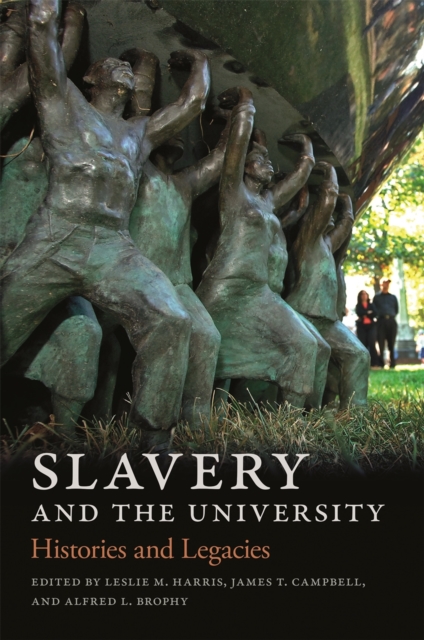
Slavery and the University is the first edited collection of scholarly essays devoted solely to the histories and legacies of this subject on North American campuses and in their Atlantic contexts.
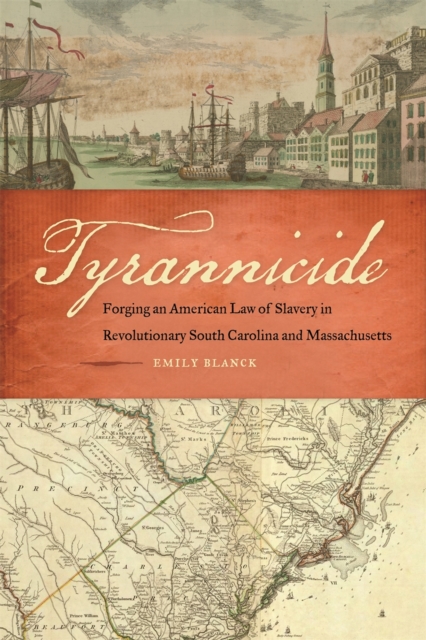
Tyrannicide uses a captivating narrative to unpack the experiences of slavery and slave law in South Carolina and Massachusetts during the Revolutionary Era.
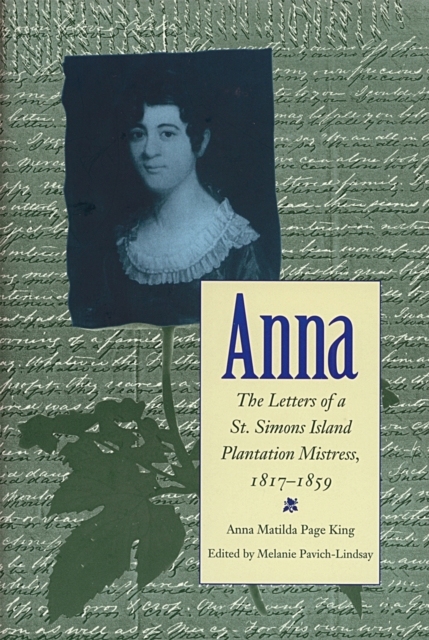
As the wife of a frequently absent slaveholder and public figure, Anna Matilda Page King (1798-1859) was the de facto head of their Sea Island plantation.
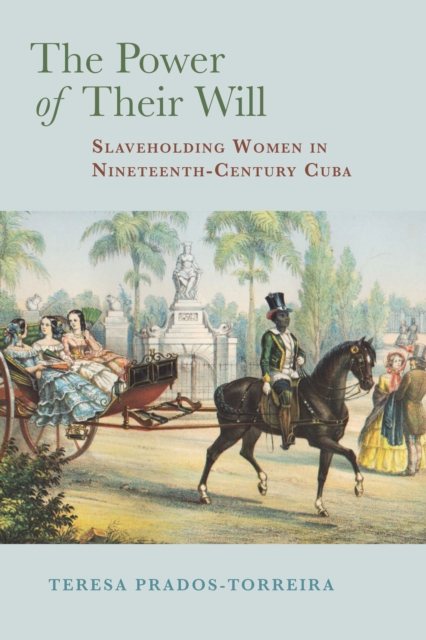
A Choice Outstanding Academic Title, 2022 "e;This fascinating book explores the unique circumstances of white slaveholding women in 19th-century Cuba and the enslaved peoples they controlled .
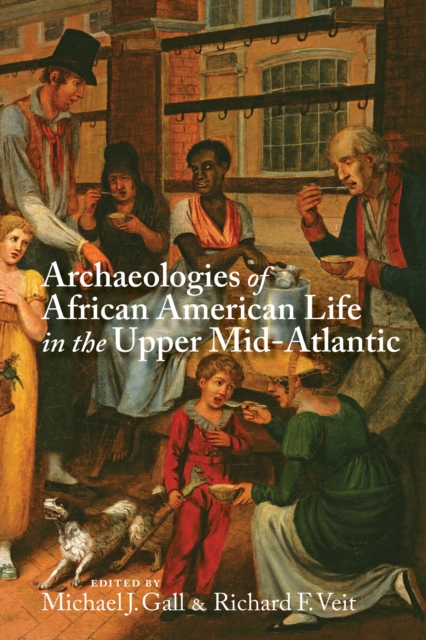
A 2018 CHOICE OUTSTANDING ACADEMIC TITLE New scholarship provides insights into the archaeology and cultural history of African American life from a collection of sites in the Mid-Atlantic This groundbreaking volume explores the archaeology of African American life and cultures in the Upper Mid-Atlantic region, using sites dating from the eighteenth through the twentieth centuries.