This model county history chronicles one hundred years in the life of a representative Deep South county The history of Bibb County between 1818 and 1918 is in many ways representative of the experience of central Alabama during that period.
A deeply researched and definitive account of the climactic battle at the end of the Haitian Revolution Among the many rebellions against European colonial empires, the Haitian Revolution against France is among the most dramatic and complex.
This is the first book-length work on wartime race relations in Tennessee, and it stresses the differences within the slave community as well as Military Governor Andrew Johnson's role in emancipation.
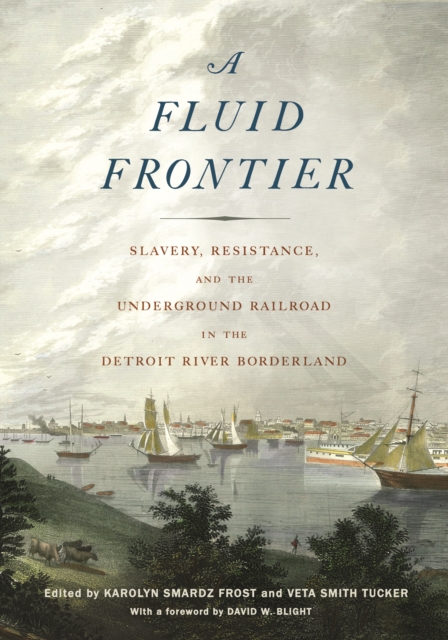
New research on the long, shared struggle for freedom by people of African descent in the Detroit River borderland from a uniquely bi-national perspective.
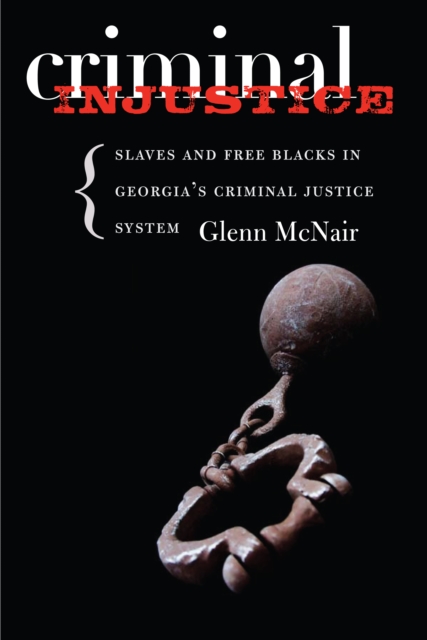
Criminal Injustice: Slaves and Free Blacks in Georgia's Criminal Justice System is the most comprehensive study of the criminal justice system of a slave state to date.
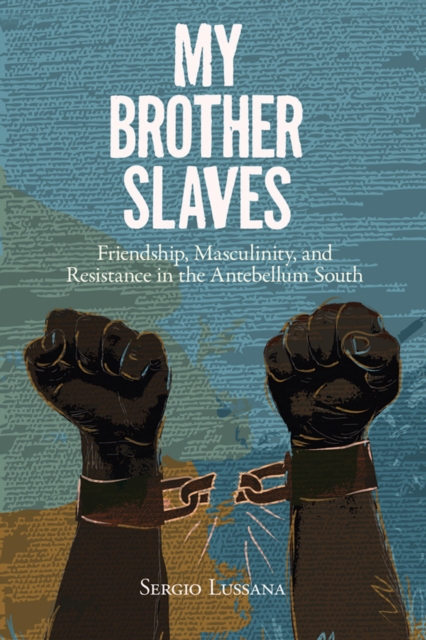
Trapped in a world of brutal physical punishment and unremitting, back-breaking labor, Frederick Douglass mused that it was the friendships he shared with other enslaved men that carried him through his darkest days.
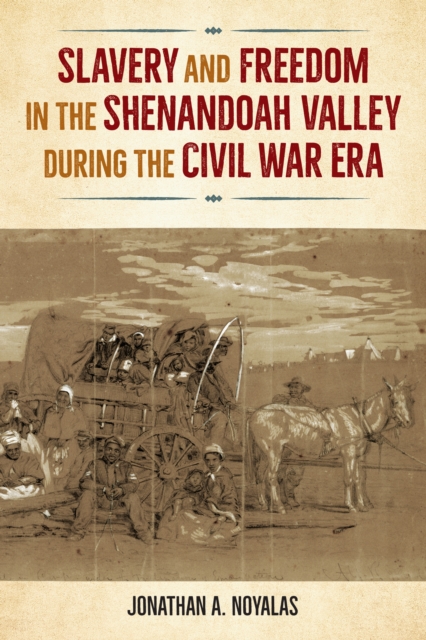
The African American experience in Virginia's Shenandoah Valley from the antebellum period through ReconstructionThis book examines the complexities of life for African Americans in Virginias Shenandoah Valley from the antebellum period through Reconstruction.
';Demonstrates that the ';emancipation generation' bequeathed values, ethical frameworks, and identities to multiple ensuing generations, shaping religious, educational, and cultural institutions as well as labor and political organizations.
The African American experience in Virginia's Shenandoah Valley from the antebellum period through ReconstructionThis book examines the complexities of life for African Americans in Virginias Shenandoah Valley from the antebellum period through Reconstruction.
Investigating what life was like for African Americans north of the Mason-Dixon Line during the eighteenth and nineteenth centuries, James Delle presents the first overview of archaeological research on the topic in this book, debunking the notion that the "e;free"e; states of the Northeast truly offered freedom and safety for African Americans.
Rich with historical sketches of the life and experiences of slaves in Africa, on slave ships, and in Jamaica, this volume illustrates the way enslaved Africans lived and helped to shape Jamaican society in the three decades before British abolition of the slave trade.
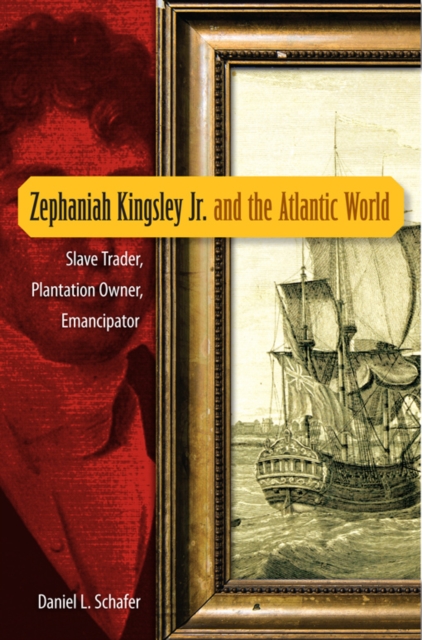
Florida Book Awards, Silver Medal for Florida NonfictionFlorida Historical Society Charlton Tebeau AwardFlorida Historical Society Stetson Kennedy AwardA biography of a controversial patriarch of a mixed-race familyA controversial figure for his views on manumission and his unorthodox marital arrangements, Zephaniah Kingsley Jr.
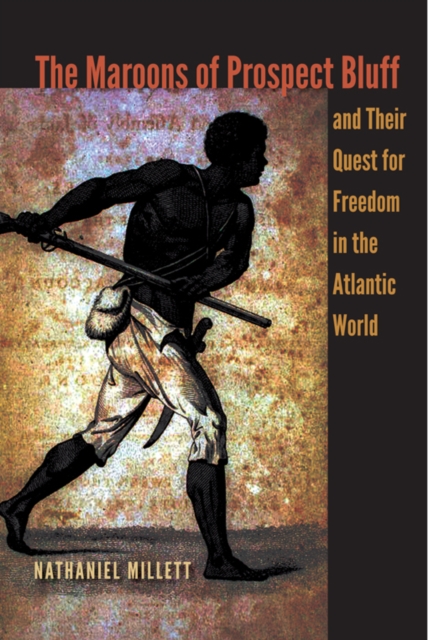
Nathaniel Millett examines how the Prospect Bluff maroons constructed their freedom, shedding light on the extent to which they could fight physically and intellectually to claim their rights.
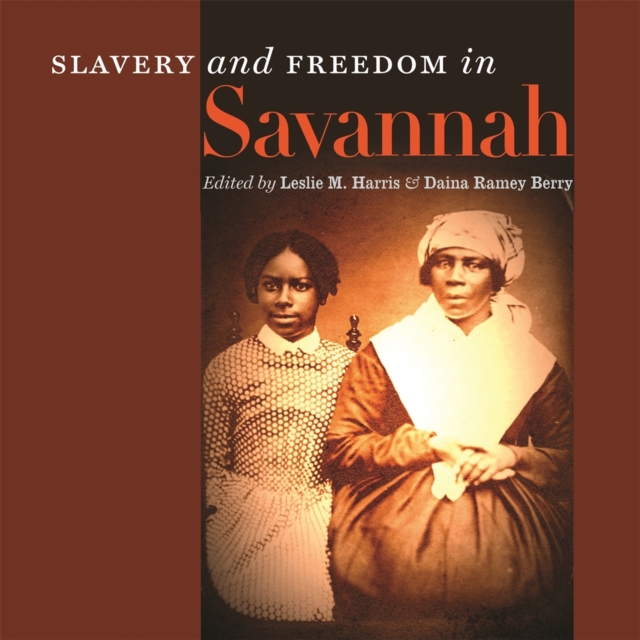
Slavery and Freedom in Savannah is a richly illustrated, accessibly written book modeled on the very successful Slavery in New York, a volume Leslie M.
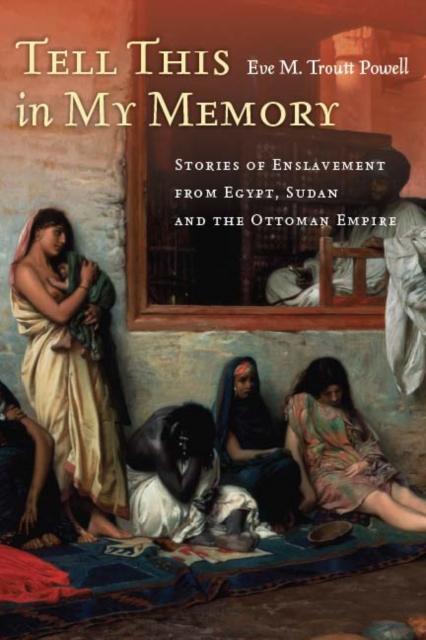
In the late nineteenth century, an active slave trade sustained social and economic networks across the Ottoman Empire and throughout Egypt, Sudan, the Caucasus, and Western Europe.
Finding Charity's Folk highlights the experiences of enslaved Maryland women who negotiated for their own freedom, many of whom have been largely lost to historical records.
The Children of Peace, which existed from 1812 to 1890, was started by former Quakers from the United States who set up a utopian community near Toronto.
From 1798 to 1801, during the Haitian Revolution, President John Adams and Toussaint Louverture forged diplomatic relations that empowered white Americans to embrace freedom and independence for people of color in Saint-Domingue.
"e;The Indian War of 1864"e; describes events of the Colorado War, fought from 1863 to 1865 between the Cheyenne and Arapaho Nations and white settlers and militia in the Colorado Territory and adjacent regions in Kansas, Nebraska and Wyoming.
Walter Rodney claimed developing countries were heirs to uneven development and ethnic disequilibrium, including continued forms of oppression from the capitalist countries and their own leaders.
A Sunday Times bestseller, shortlisted for the Man Booker Prize and a BBC Between the Covers Book Club pickIntroduction by Sara Collins_____You do not know me yet but I am the narrator of this work.
#1 NEW YORK TIMES BESTSELLER A dramatic expansion of a groundbreaking work of journalism, The 1619 Project: A New American Origin Story offers a profoundly revealing vision of the American past and present.
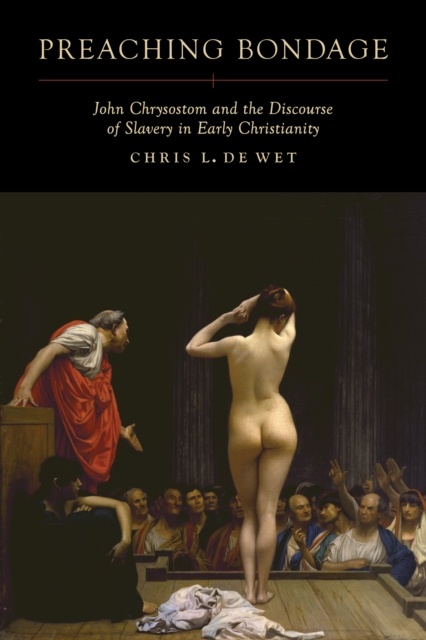
Preaching Bondage introduces and investigates the novel concept of doulology, the discourse of slavery, in the homilies of John Chrysostom, the late fourth-century priest and bishop.
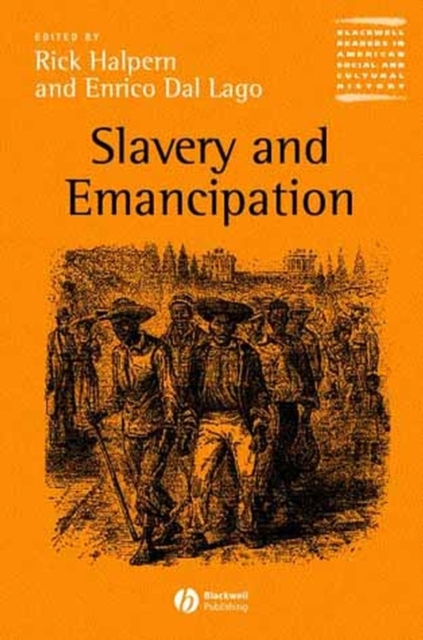
Slavery and Emancipation is a comprehensive collection of primary and secondary readings on the history of slaveholding in the American South combining recent historical research with period documents.
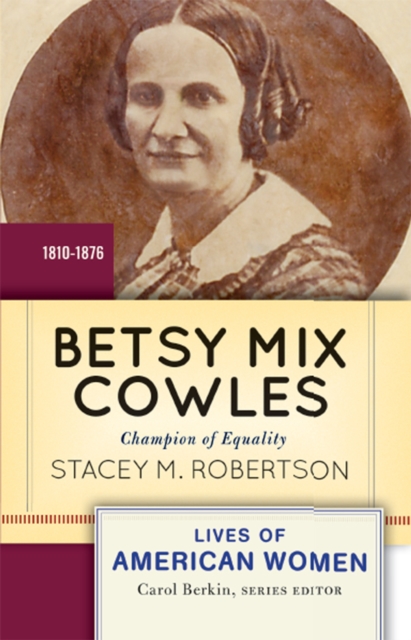
Betsy Mix Cowles (a champion of equality whose circle of acquaintances included Frederick Douglass, Abby Kelley, and William Lloyd Garrison) is a brilliant example of what an educated and independent woman can accomplish.