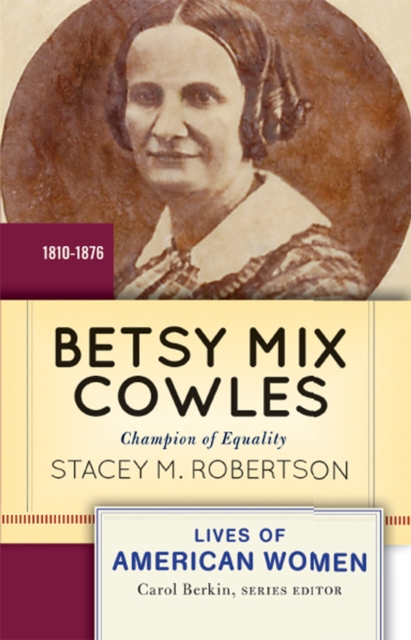
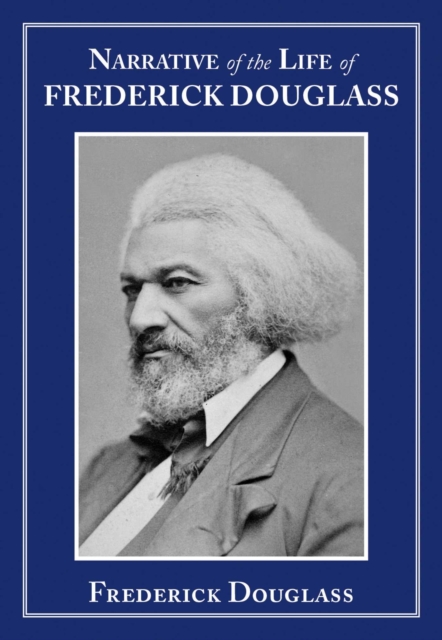
Betsy Mix Cowles (a champion of equality whose circle of acquaintances included Frederick Douglass, Abby Kelley, and William Lloyd Garrison) is a brilliant example of what an educated and independent woman can accomplish.
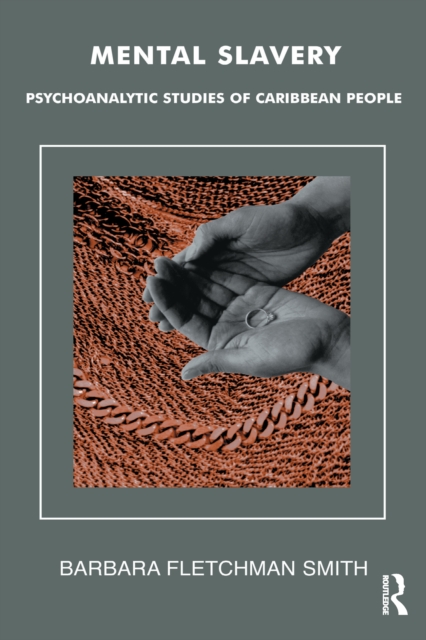
Mental Slavery is a unique and timely contribution to the field of trans-cultural psychoanalysis, casting light on an area previously neglected within mainstream psychoanalytic writing.
Mental Slavery is a unique and timely contribution to the field of trans-cultural psychoanalysis, casting light on an area previously neglected within mainstream psychoanalytic writing.
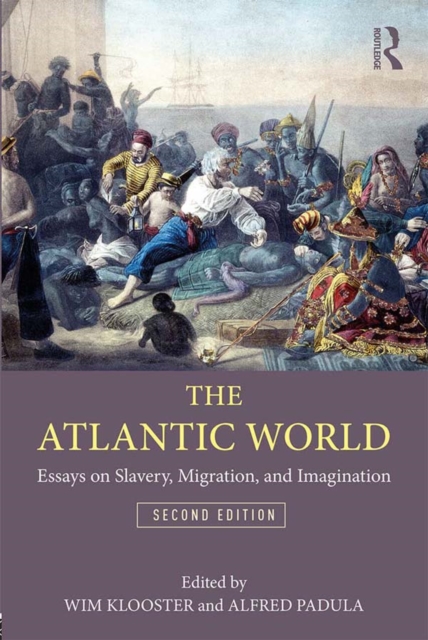
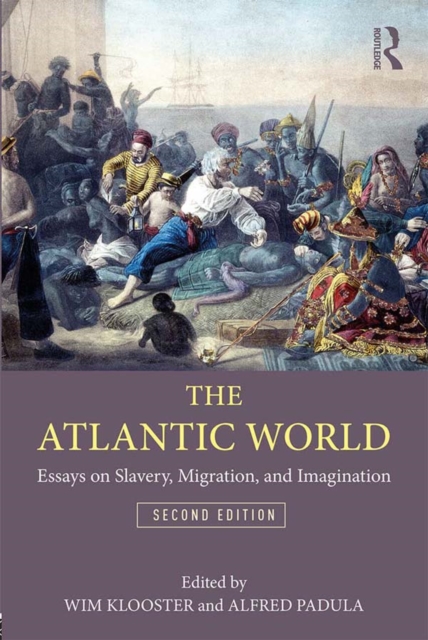
The Atlantic World: Essays on Slavery, Migration, and Imagination brings together ten original essays that explore the many connections between the Old and New Worlds in the early modern period.
The Atlantic World: Essays on Slavery, Migration, and Imagination brings together ten original essays that explore the many connections between the Old and New Worlds in the early modern period.
Modern international criminal law typically traces its origins to the twentieth-century Nuremberg and Tokyo trials, excluding the slave trade and abolition.
Modern international criminal law typically traces its origins to the twentieth-century Nuremberg and Tokyo trials, excluding the slave trade and abolition.
Since 1776, the Founding generation has been portrayed as creators of a new world where liberty and freedom were the inherent birthright of all peoples.
Originally published in 1917, this book is an investigation of industrial and social conditions in the British West Indies in the effort to reach a better understandinf of the part those islands played in the growth and dissolution of the British empire, including chapters on white labor in the sugar islands, the slave trade, and foreign markets for British sugar.
Originally published in 1917, this book is an investigation of industrial and social conditions in the British West Indies in the effort to reach a better understandinf of the part those islands played in the growth and dissolution of the British empire, including chapters on white labor in the sugar islands, the slave trade, and foreign markets for British sugar.
First published in 1997, this volume looks at the process of European expansion which brought into contact societies and cultures across the world which had been initially alien to one another.
First published in 1997, this volume looks at the process of European expansion which brought into contact societies and cultures across the world which had been initially alien to one another.
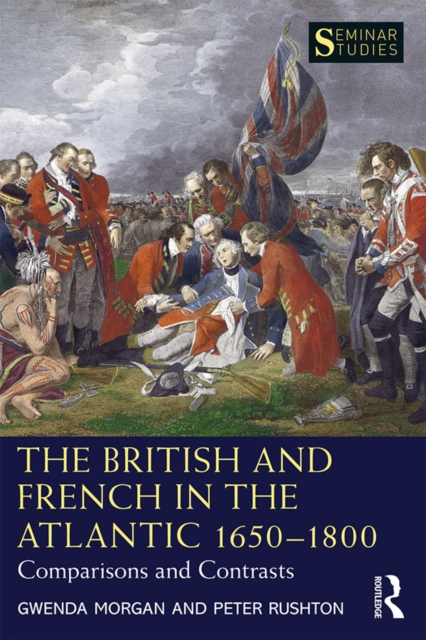
The British and French in the Atlantic 1650-1800 provides a comprehensive history of this complex period and explores the contrasting worlds of the British and the French Empires as they strove to develop new societies in the Americas.
The British and French in the Atlantic 1650-1800 provides a comprehensive history of this complex period and explores the contrasting worlds of the British and the French Empires as they strove to develop new societies in the Americas.
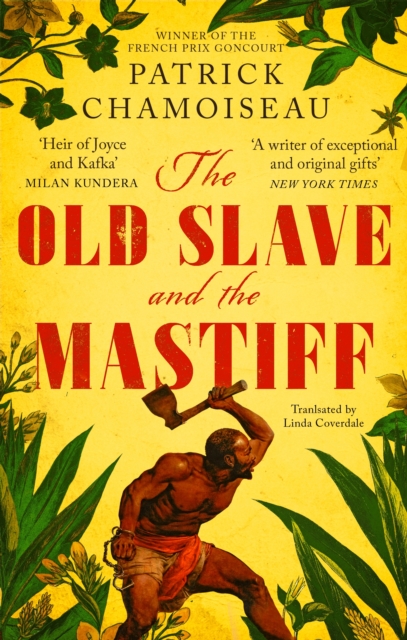
A profoundly unsettling story of a plantation slave's desperate escape into a rainforest beyond human control, with his master and a ferocious dog on his heels.
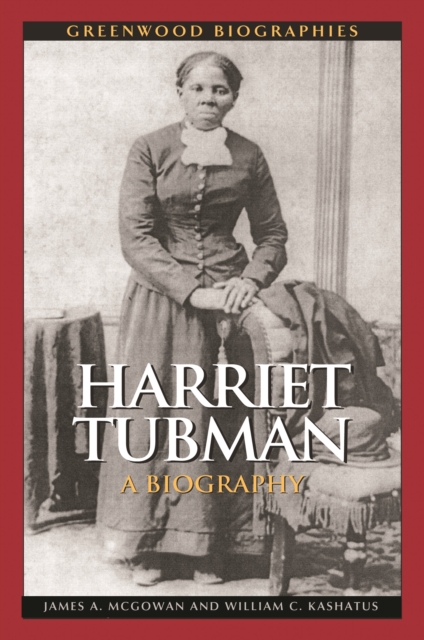
This concise biography of Harriet Tubman, the African American abolitionist, explores her various roles as an Underground Railroad conductor, Civil War scout and nurse, and women's rights advocate.
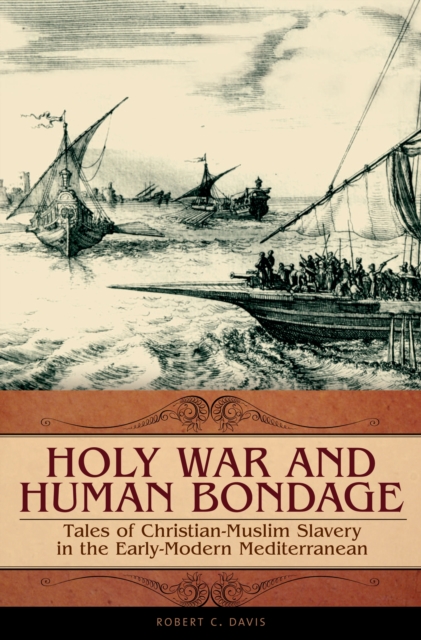
Holy War and Human Bondage: Tales of Christian-Muslim Slavery in the Early-Modern Mediterranean tells a story unfamiliar to most modern readers-how this pervasive servitude involved, connected, and divided those on both sides of the Mediterranean.
An NPR Best Book of the Year The incredible true story of the last ship to carry enslaved people to America, the remarkable town its survivors founded after emancipation, and the complicated legacy their descendants carry with them to this dayby the journalist who discovered the ship's remains.
Slavery in the United States is once again a topic of contention as politicians and interest groups argue about and explore the possibility of reparations.
This work is an in-depth analysis of the full breadth of Sojourner Truth's public discourse that places it in its proper historical context and explores the use of humor and narratives as primary rhetorical strategies used by this illiterate ex-slave to create a powerful public persona.
The abolitionists of the 1830s-1850s risked physical harm and social alienation as a result of their refusal to ignore what they considered a national sin, contrary to the ideals upon which America was founded.
The African American slave narrative is popularly viewed as the story of a lone male's flight from slavery to freedom, best exemplified by the Narrative of the Life of Frederick Douglass, An American Slave (1845).
Dramatized in the major motion picture Amazing Grace, the story of William Wilberforce is the remarkable account of how one man's vision, courage, and relentless pursuit of justice brought freedom to thousands and changed the course of history.
'More than lives up to the hype' Observer'Set to become a publishing sensation' Kirsty Lang, BBC Front Row'An astounding achievement' Sunday Times'The lost giant of American literature' New YorkerJune, 1957.
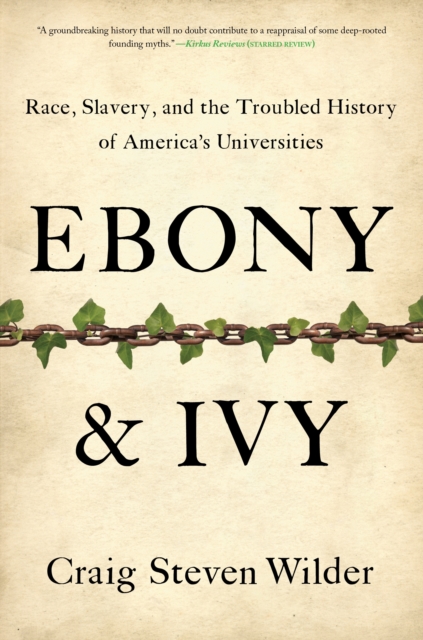
A groundbreaking exploration of the intertwined histories of slavery, racism, and higher education in America, from a leading African American historian.