Personal, provocative and powerfully persuasive - an essential guide to what white feminism is, why it matters, and how we can put an end to it'Thoughtful and provocative.
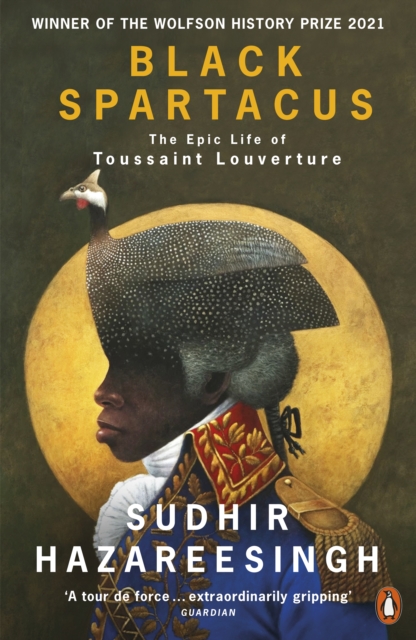
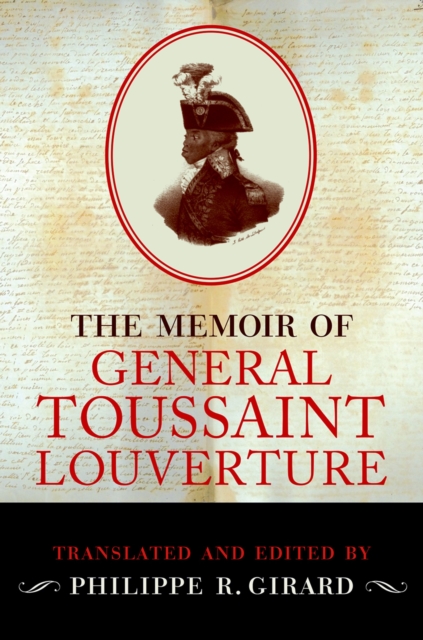
The definitive modern biography of the great slave leader, military genius and revolutionary hero Toussaint LouvertureThe Haitian Revolution began in the French Caribbean colony of Saint-Domingue with a slave revolt in August 1791, and culminated a dozen years later in the proclamation of the world's first independent black state.
*Longlisted for the William MB Berger Prize for British Art History, 2022*A spectacular biography of the great designer, entrepreneur, abolitionist and beacon of the Industrial Revolution, from acclaimed historian and Director of the Victoria and Albert Museum, Tristram HuntJosiah Wedgwood, perhaps the greatest English potter who ever lived, epitomized the best of his age.
Winner of the Nayef Al-Rodhan Prize for Global Cultural Understanding 2019Shortlisted for the Cundill History Prize and the Pius Adesanmi Memorial Award 'Astonishing, staggering' Ben Okri, Daily TelegraphA groundbreaking new history that will transform our view of West AfricaBy the time of the 'Scramble for Africa' in the late nineteenth century, Africa had already been globally connected for many centuries.
Gender, family and sexual relations defined human slavery from its classical origins in Europe to the rise and fall of race-based slavery in the Americas.
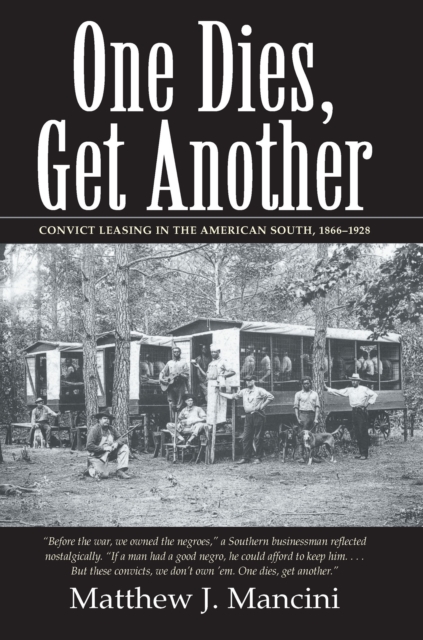
A chronicle one of the harshest, most exploitative labor systems in American historyIn his seminal study of convict leasing in the post-Civil War South, Matthew J.
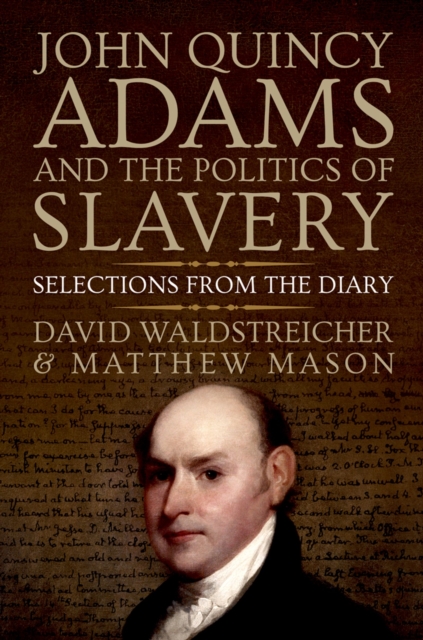
In the final years of his political career, President John Quincy Adams was well known for his objections to slavery, with rival Henry Wise going so far as to label him "e;the acutest, the astutest, the archest enemy of southern slavery that ever existed.
Here is an annotated, scholarly, multilingual edition of the only lengthy text personally written by Haitian revolutionary Toussaint Louverture: the memoirs he wrote shortly before his death in the French prison of Fort de Joux.
In May of 1857, the body of Duncan Skinner was found in a strip of woods along the edge of the plantation near Natchez, Mississippi, where he worked as an overseer.
Europeans, Africans, and American Indians practiced slavery long before the first purchase of a captive African by a white land-owner in the American colonies; that, however, is the image of slavery most prevalent in the minds of Americans today.
Europeans, Africans, and American Indians practiced slavery long before the first purchase of a captive African by a white land-owner in the American colonies; that, however, is the image of slavery most prevalent in the minds of Americans today.
Bondspeople who fled from slavery during and after the Civil War did not expect that their flight toward freedom would lead to sickness, disease, suffering, and death.
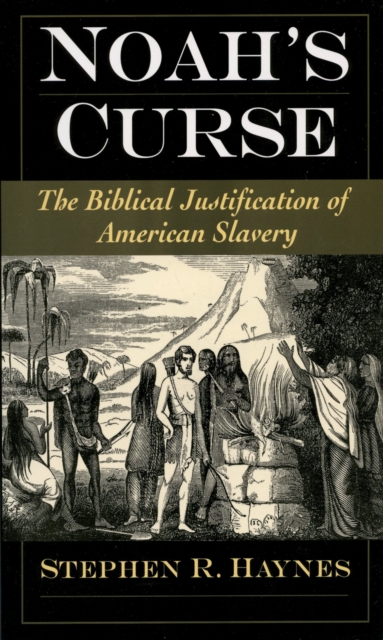
Molly Oshatz reveals the antislavery origins of liberal Protestantism, arguing that the antebellum slavery debates forced antislavery Protestants to develop new understandings of truth and morality and apply the theological lessons of antislavery to the challenges posed by evolution and historical biblical criticism.
Bondspeople who fled from slavery during and after the Civil War did not expect that their flight toward freedom would lead to sickness, disease, suffering, and death.
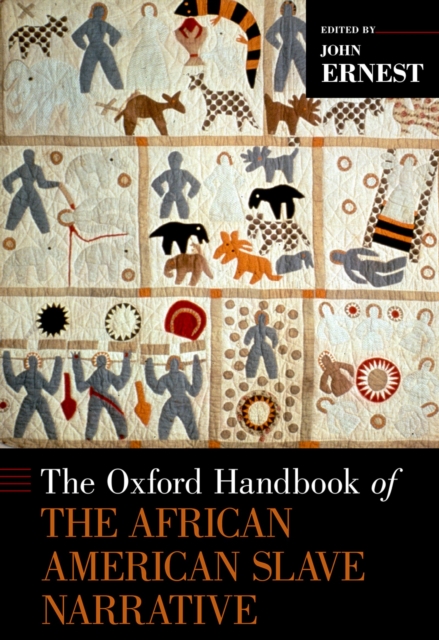
Conceived as a literary form to aggressively publicize the abolitionist cause in the United States, the African American slave narrative remains a powerful and illuminating demonstration of America's dark history.
Making Slavery History focuses on how commemorative practices and historical arguments about the American Revolution set the course for antislavery politics in the nineteenth century.
Civil War officer, Reconstruction "e;carpetbagger,"e; best-selling novelist, and relentless champion of equal rights--Albion Tourgee battled his entire life for racial justice.
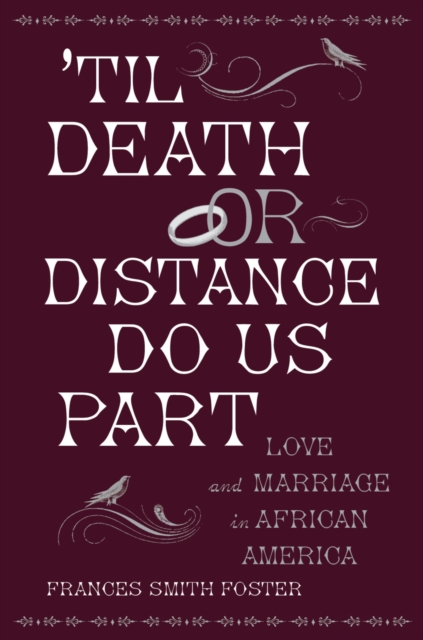
Conventional wisdom tells us that marriage was illegal for African Americans during the antebellum era, and that if people married at all, their vows were tenuous ones: "e;until death or distance do us part.
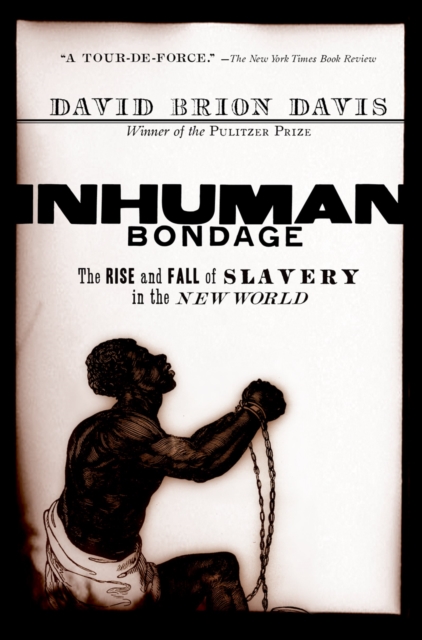
David Brion Davis's books on the history of slavery reflect some of the most distinguished and influential thinking on the subject to appear in the past generation.
Prince Hall, a black veteran of the American Revolution, was insulted and disappointed but probably not surprised when white officials refused his offer of help.
Given the rise of new interdisciplinary and methodological approaches to African American and Black Atlantic studies, The Oxford Handbook of the African American Slave Narrative will offer a fresh, wide-ranging assessment of this major American literary genre.
The Interesting Narrative of the Life of Olaudah Equiano, or Gustavus Vassa, the African, first published in England in 1789, was one of the earliest and remains to this day one of the best-known English language slave narratives.
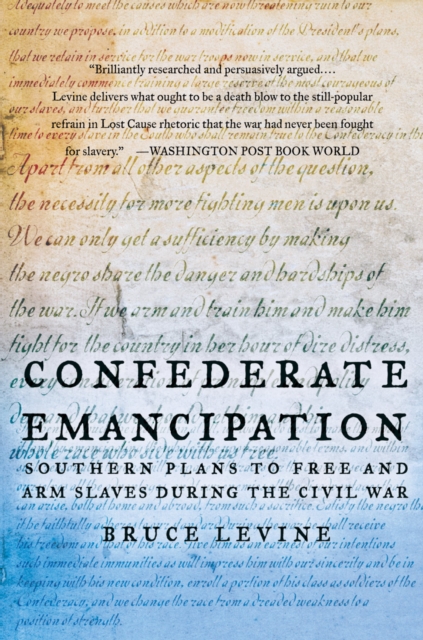
In early 1864, as the Confederate Army of Tennessee licked its wounds after being routed at the Battle of Chattanooga, Major-General Patrick Cleburne (the "e;Stonewall of the West"e;) proposed that "e;the most courageous of our slaves"e; be trained as soldiers and that "e;every slave in the South who shall remain true to the Confederacy in this war"e; be freed.
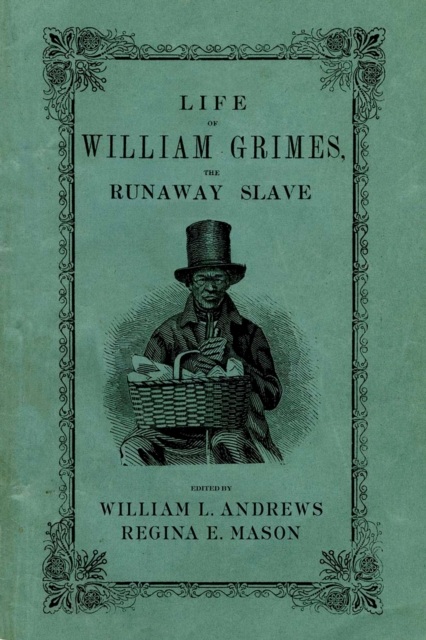
The pre-Civil War autobiographies of famous fugitives such as Frederick Douglass, William Wells Brown, and Harriet Jacobs form the bedrock of the African American narrative tradition.
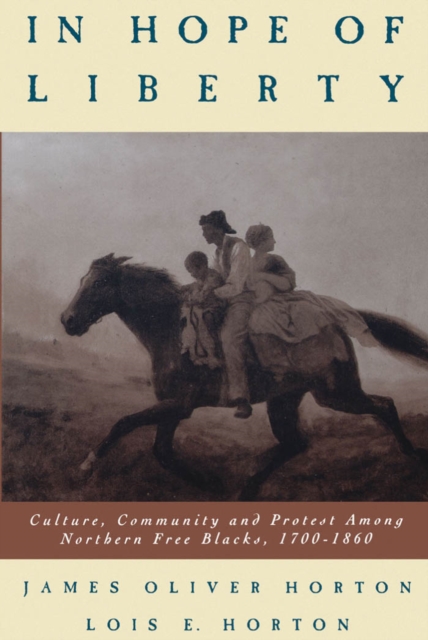
They baked New England's Thanksgiving pies, preached their faith to crowds of worshippers, spied for the patriots during the Revolution, wrote that human bondage was a sin, and demanded reparations for slavery.