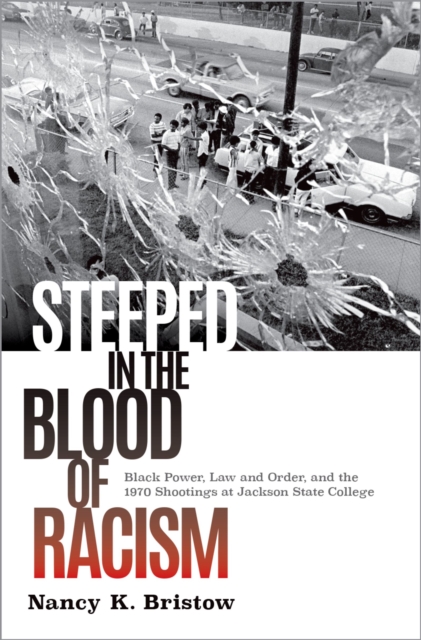
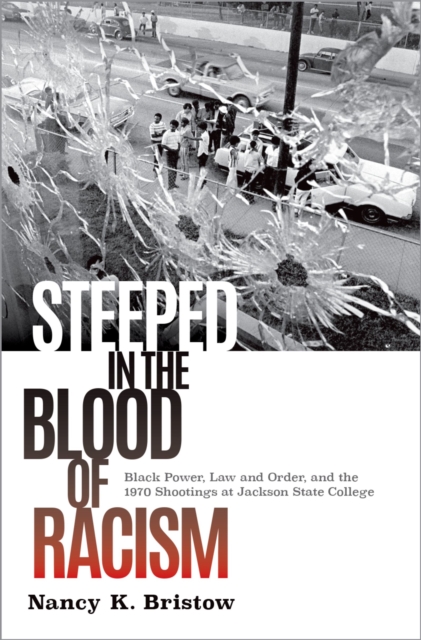
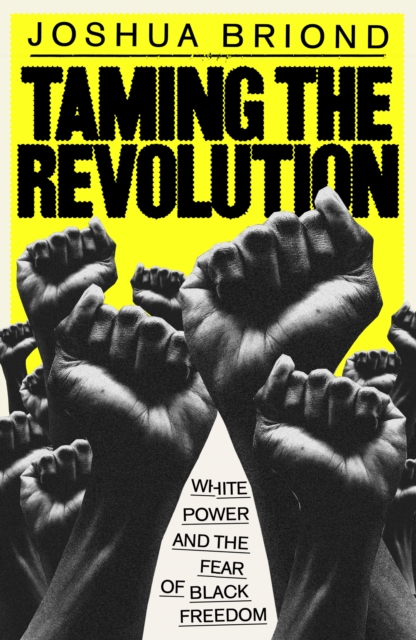
Minutes after midnight on May 15, 1970, white members of the Jackson city police and the Mississippi Highway Patrol opened fire on young people in front of a women's dormitory at Jackson State College, a historically black college in Jackson, Mississippi, discharging "e;buckshot, rifle slugs, a submachine gun, carbines with military ammunition, and two 30.
Minutes after midnight on May 15, 1970, white members of the Jackson city police and the Mississippi Highway Patrol opened fire on young people in front of a women's dormitory at Jackson State College, a historically black college in Jackson, Mississippi, discharging "e;buckshot, rifle slugs, a submachine gun, carbines with military ammunition, and two 30.
SHORTLISTED FOR THE FORWARD PRIZE FOR BEST COLLECTION 2018A New York Times Notable Book of 2018Even the men in black armor, the onesJangling handcuffs and keys, what elseAre they so buffered against, if not love's bladeSizing up the heart's familiar meat?
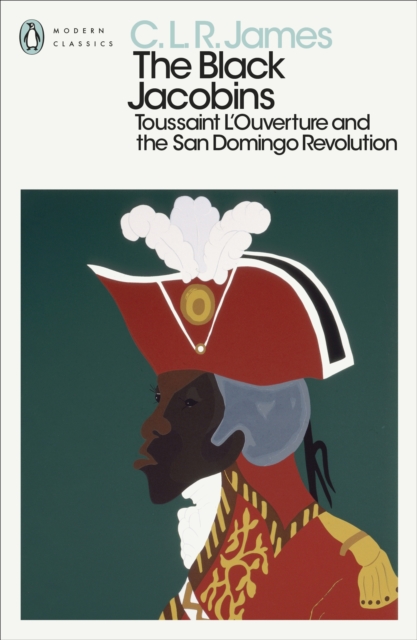
'James is a titan of twentieth-century politics and culture' Sunday Times'The Black Jacobins is not only a groundbreaking historical work; it is a masterpiece in storytelling and analysis' Gary YoungeThe iconic study of the Haitian revolution, by one of the most important historians of the twentieth centuryC.
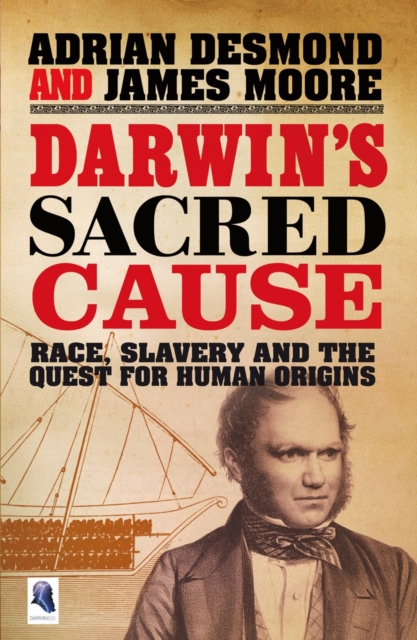
In this remarkable book Adrian Desmond and James Moore, world authorities on Darwin, give a completely new explanation of how Darwin came to his famous view of evolution, which traced all life to an ancient common ancestor.
As we approach the bicentenary of the abolition of the Atlantic trade, Walvin has selected the historical texts that recreate the mindset that made such a savage institution possible - morally acceptable even.
How American colonists laid the foundations of American capitalism with an economy built on creditEven before the United States became a country, laws prioritizing access to credit set colonial America apart from the rest of the world.
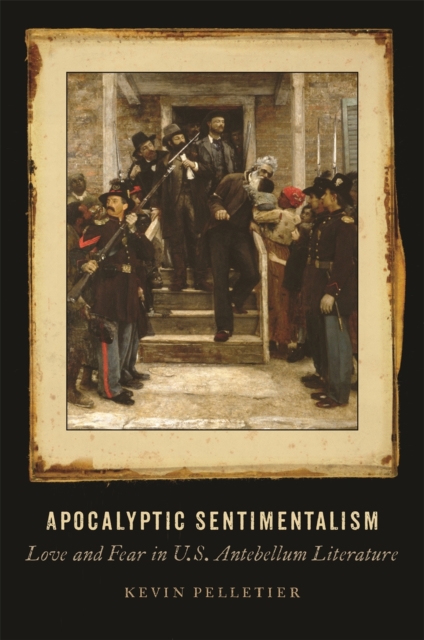
In contrast to the prevailing scholarly consensus that understands sentimentality to be grounded on a logic of love and sympathy, Apocalyptic Sentimentalism demonstrates that in order for sentimentality to work as an antislavery engine, it needed to be linked to its seeming opposite-fear, especially the fear of God's wrath.
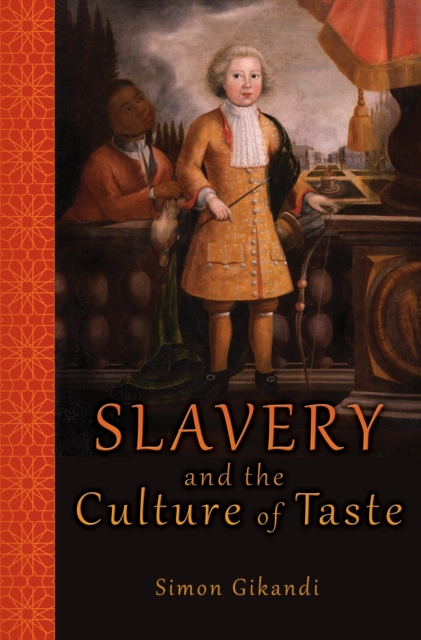
It would be easy to assume that, in the eighteenth century, slavery and the culture of taste--the world of politeness, manners, and aesthetics--existed as separate and unequal domains, unrelated in the spheres of social life.
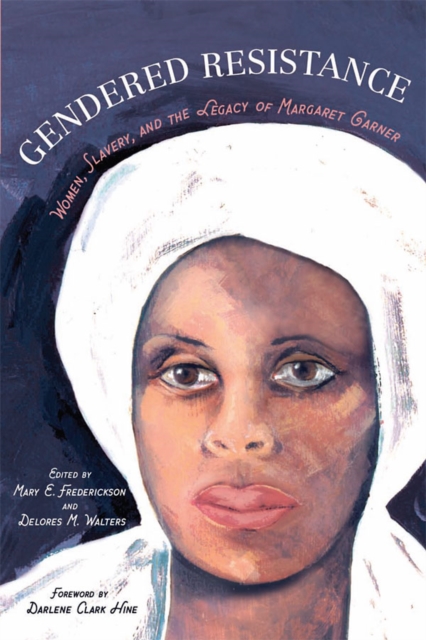
Inspired by the searing story of Margaret Garner, the escaped slave who in 1856 slit her daughter's throat rather than have her forced back into slavery, the essays in this collection focus on historical and contemporary examples of slavery and women's resistance to oppression from the nineteenth century to the twenty-first.
On March 23, 1849, Henry Brown climbed into a large wooden postal crate and was mailed from slavery in Richmond, Virginia, to freedom in Philadelphia, Pennsylvania.
An in-depth examination of the economic and social transition from slavery to capitalism during ReconstructionAt the center of the upheavals brought by emancipation in the American South was the economic and social transition from slavery to modern capitalism.
How slave emancipation transformed capitalism in the United States and BrazilIn the nineteenth century, the United States and Brazil were the largest slave societies in the Western world.
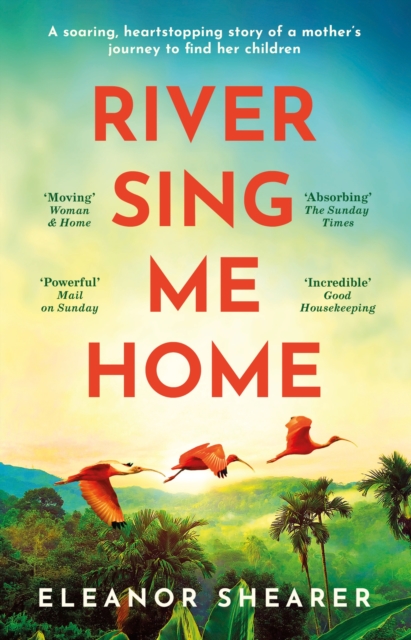
Inspired by extraordinary true events, River Sing Me Home is a soaring story of courage and sacrifice, and a testament to the remarkable tenacity of hope.
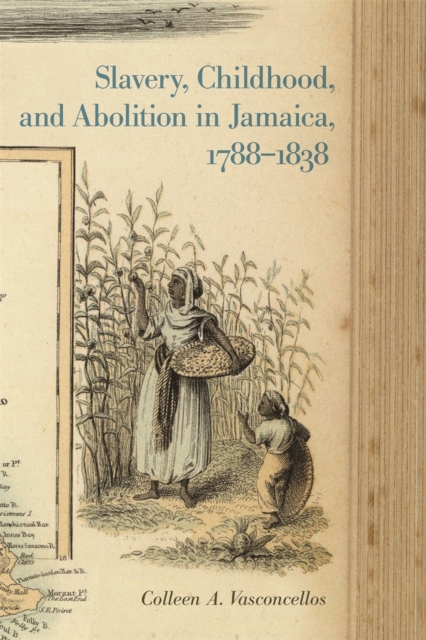
This study examines childhood and slavery in Jamaica from the onset of improved conditions for the island's slaves to the end of all forced or coerced labor throughout the British Caribbean.
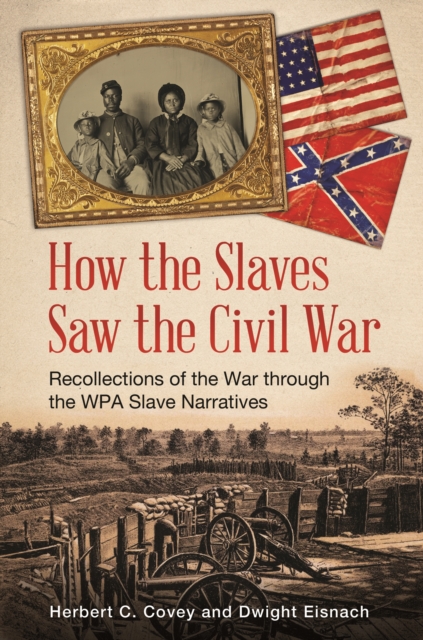
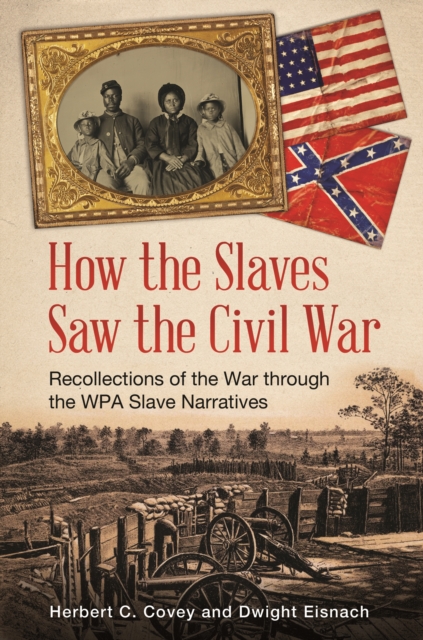
Drawing from narratives of former slaves to provide accurate and poignant insights, this book presents descriptions in the former slaves' own words about their lives before, during, and following the Civil War.
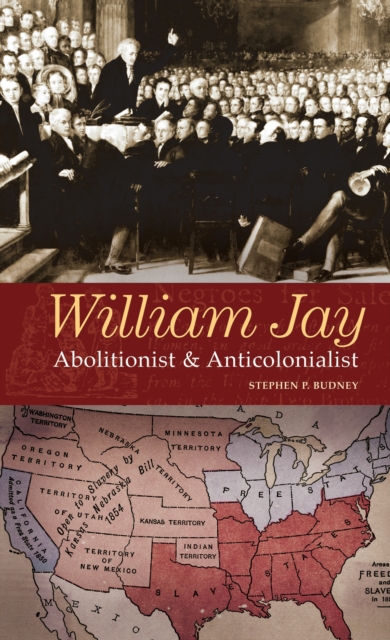
A founder of the New York Anti-Slavery Society, William Jay was one of the most prolific and influential abolitionists of his day, yet Americans know little about him.
Drawing from narratives of former slaves to provide accurate and poignant insights, this book presents descriptions in the former slaves' own words about their lives before, during, and following the Civil War.