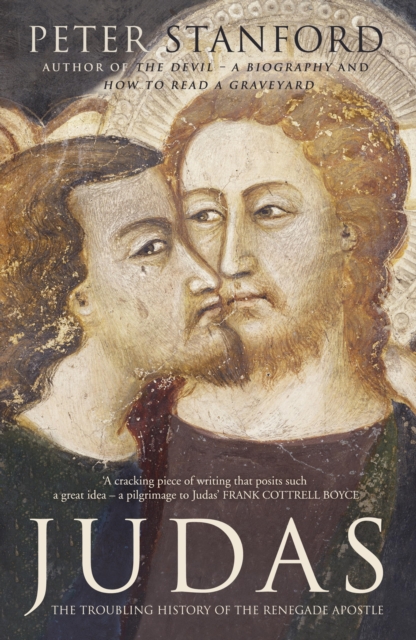
In this fascinating historical and cultural biography, writer and broadcaster Peter Stanford deconstructs that most vilified of Bible characters: Judas Iscariot, who famously betrayed Jesus with a kiss.
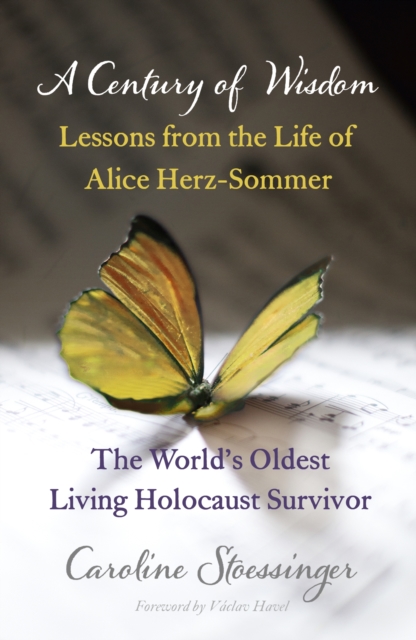
Alice Herz-Sommer, 1903-2014The pianist Alice Herz-Sommer survived the Theresienstadt concentration camp, attended Eichmann's trial in Jerusalem, and along the way befriended some of the most fascinating historical figures of our time, from Franz Kafka to Gustav Mahler, Leonard Bernstein and Golda Meir.
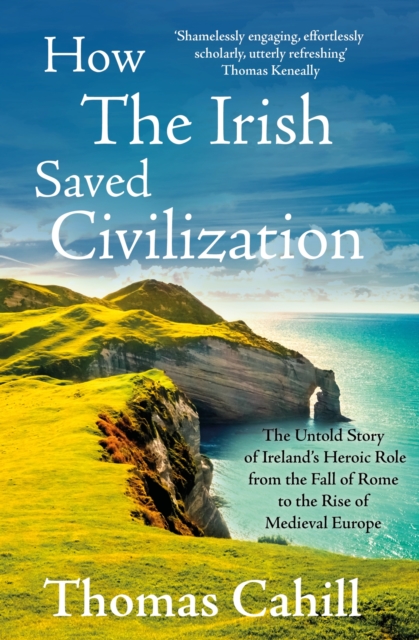
'Shamelessly engaging, effortlessly scholarly, utterly refreshing'Thomas Keneally, author of Schindler's Ark'A small treasure'New York Times'This sweepingly confident overview is more entertainingly told than any previous account'Sunday TelegraphIreland played the central role in maintaining European culture when the dark ages settled on Europe in the fifth century: as Rome was sacked by Visigoths and its empire collapsed, Ireland became 'the isle of saints and scholars' that enabled the classical and religious heritage to be saved.
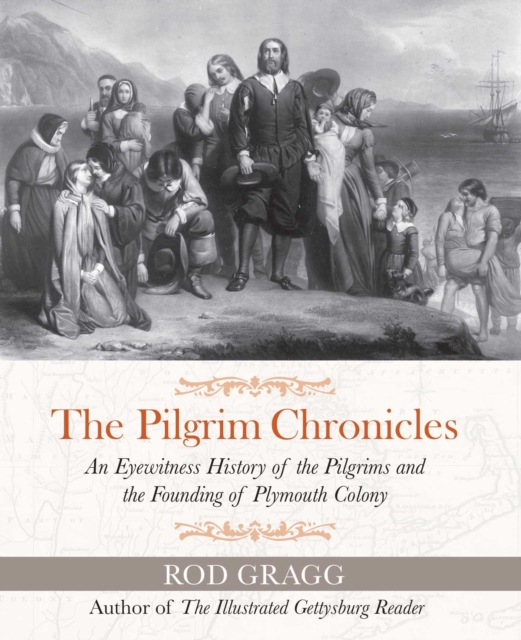
All Americans are familiar with the story of the Pilgrimspersecuted for their religion in the Old World, they crossed the ocean to settle in a wild and dangerous land.
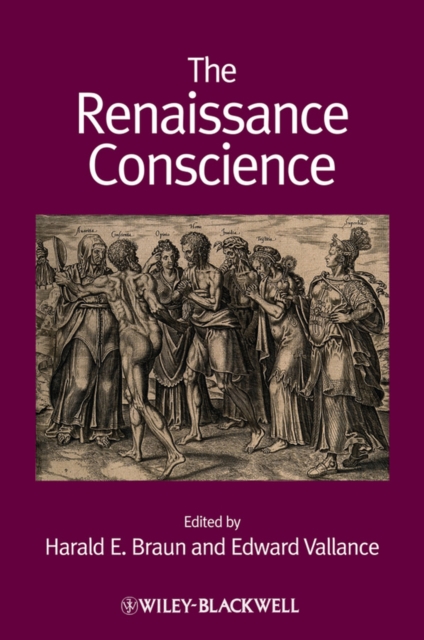
This book presents one of the first studies of the Renaissance notion of conscience, through examining theological manuals, legal treatises, letters and other sources of the period.
This book presents one of the first studies of the Renaissance notion of conscience, through examining theological manuals, legal treatises, letters and other sources of the period.
A Companion to American Immigration is an authoritative collection of original essays by leading scholars on the major topics and themes underlying American immigration history.
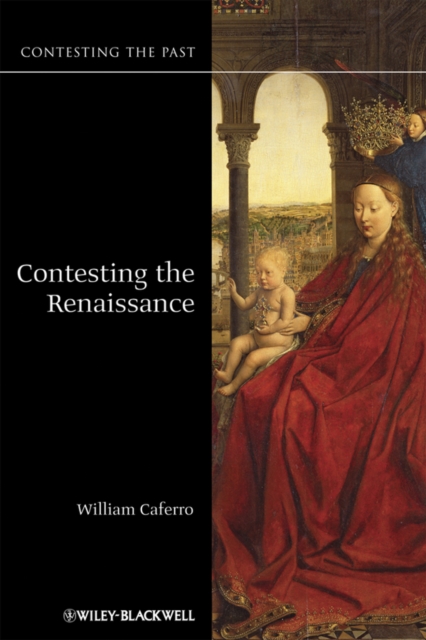
In this book, William Caferro asks if the Renaissance was really a period of progress, reason, the emergence of the individual, and the beginning of modernity.
A COMPANION TO THE HISTORY OF THE BOOK A COMPANION TOTHE HISTORY OF THE BOOK Edited by Simon Eliot and Jonathan Rose As a stimulating overview of the multidimensional present state of the field, the Companion has no peer.
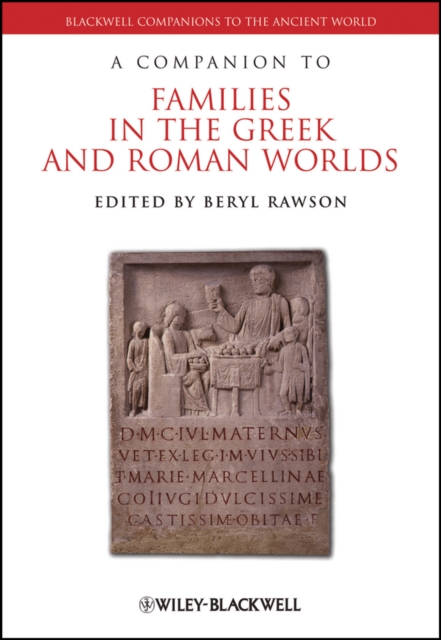
A Companion to Families in the Greek and Roman Worlds draws from both established and current scholarship to offer a broad overview of the field, engage in contemporary debates, and pose stimulating questions about future development in the study of families.
A Companion to Families in the Greek and Roman Worlds draws from both established and current scholarship to offer a broad overview of the field, engage in contemporary debates, and pose stimulating questions about future development in the study of families.
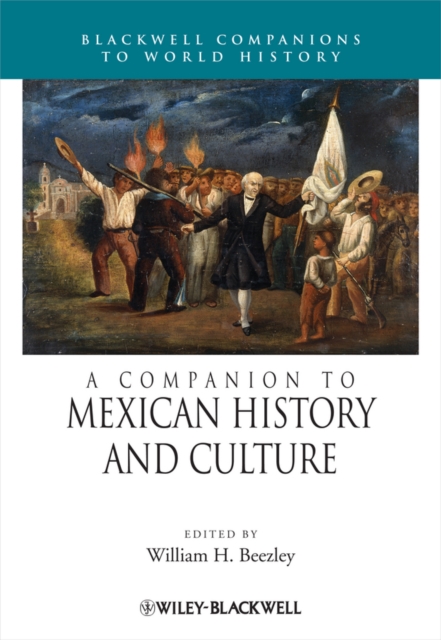
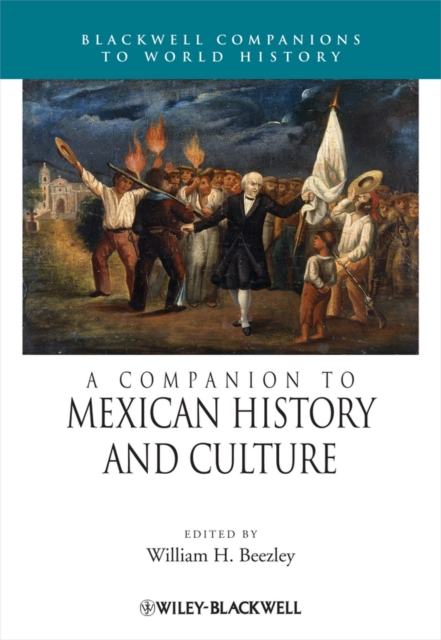
A Companion to Mexican History and Culture features 40 essays contributed by international scholars that incorporate ethnic, gender, environmental, and cultural studies to reveal a richer portrait of the Mexican experience, from the earliest peoples to the present.
A Companion to Mexican History and Culture features 40 essays contributed by international scholars that incorporate ethnic, gender, environmental, and cultural studies to reveal a richer portrait of the Mexican experience, from the earliest peoples to the present.
If you just can't decide what to wear, this enlightening guide will lead you through the diverse and sometimes contradictory aspects of fashion in a series of lively, entertaining and thoughtful essays from prominent philosophers and writers.
If you just can't decide what to wear, this enlightening guide will lead you through the diverse and sometimes contradictory aspects of fashion in a series of lively, entertaining and thoughtful essays from prominent philosophers and writers.
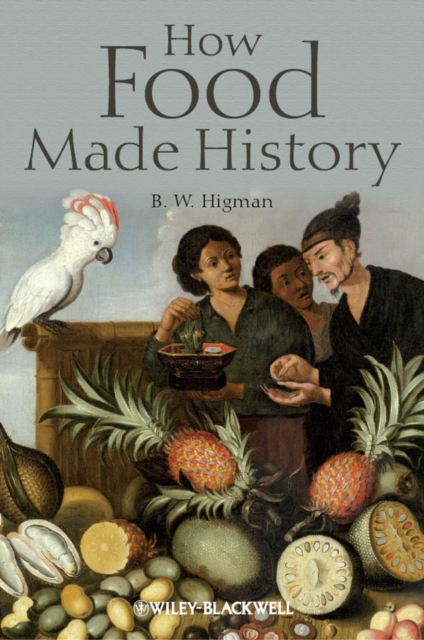
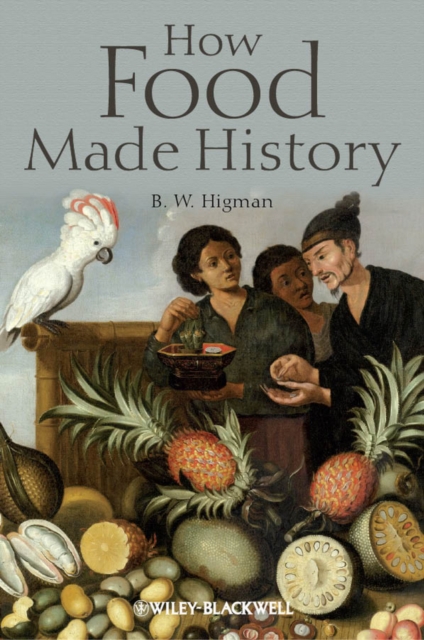
Covering 5,000 years of global history, How Food Made History traces the changing patterns of food production and consumption that have molded economic and social life and contributed fundamentally to the development of government and complex societies.
Covering 5,000 years of global history, How Food Made History traces the changing patterns of food production and consumption that have molded economic and social life and contributed fundamentally to the development of government and complex societies.
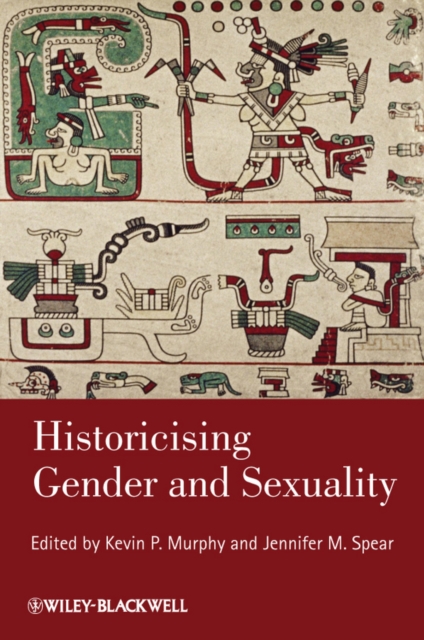
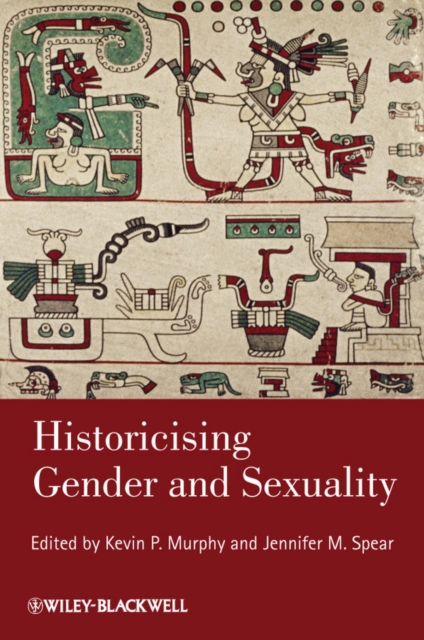
Historicising Gender and Sexuality features a diverse collection of essays that shed new light on the historical intersections between gender and sexuality across time and space.
Historicising Gender and Sexuality features a diverse collection of essays that shed new light on the historical intersections between gender and sexuality across time and space.
In this book, William Caferro asks if the Renaissance was really a period of progress, reason, the emergence of the individual, and the beginning of modernity.
A Companion to American Environmental History gathers together a comprehensive collection of over 30 essays that examine the evolving and diverse field of American environmental history.
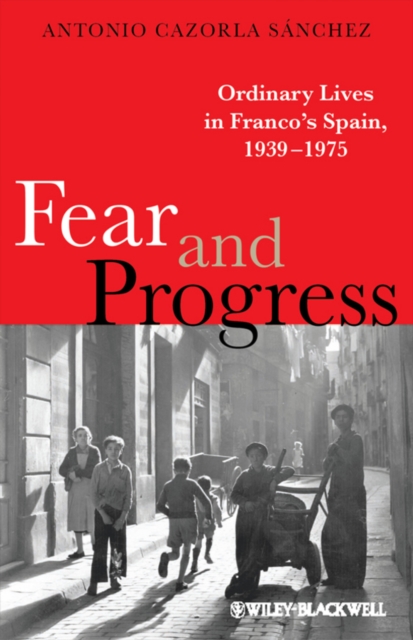
Utilizing hundreds of confidential documents from authorities in the Franco government, Fear and Progress: Ordinary Lives in Franco's Spain, 1939-1975 recounts the experiences of Spanish citizens who lived during the 40-year Franco dictatorship.
This insightful and provocative journey through spiritual landscapes explores the ways in which spiritualities of life have been experienced and understood in Western society, and argues that today s myriad forms of holistic spirituality are helping us to find balance in face of the stifling demands of twenty-first century living.
There is a missing chapter in the narrative of Canada’s Indigenous peoples—the story of the Métis Nation, a new Indigenous people descended from both First Nations and EuropeansTheir story begins in the last decade of the eighteenth century in the Canadian North-West.
WINNER of CBC Canada ReadsIn the tradition of Elie Wiesels Night and Primo Levis Survival in Auschwitz comes a bestsellingnew memoir by Canadian survivorFinalistfor the 2017 RBC Taylor PrizeMore than 70 years after the Nazi camps were liberated by the Allies, a new Canadian Holocaust memoir details the rural Hungarian deportations to Auschwitz-Birkenau, back-breaking slave labour in Auschwitz I, the infamous death march in January 1945, the painful aftermath of liberation, a journey of physical and psychological healing.
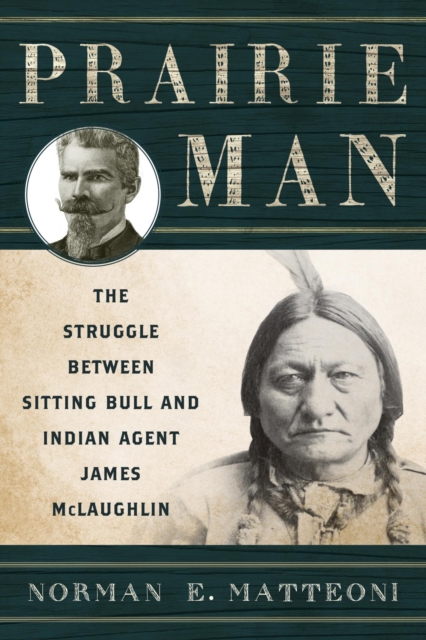
One week after the infamous June 1876 Battle of the Little Big Horn, when news of the defeat of General George Armstrong Custer and his 7th Cavalry troops reached the American public, Sitting Bull became the most wanted hostile Indian in America.
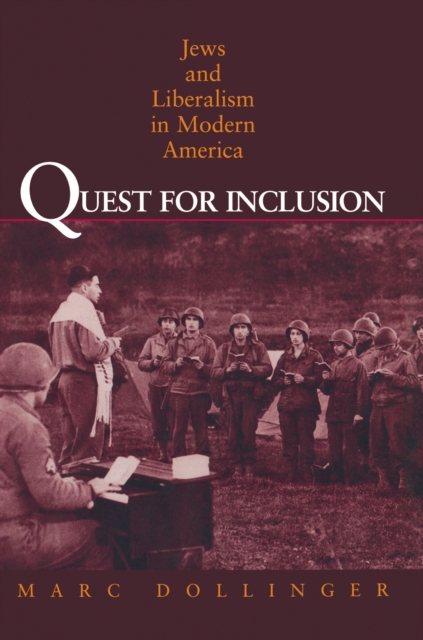
For over sixty years, Jews have ranked as the most liberal white ethnic group in American politics, figuring prominently in social reform campaigns ranging from the New Deal to the civil rights movement.
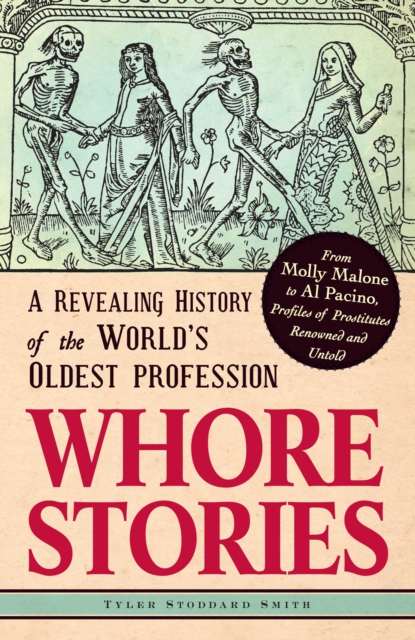
A Working History of Working Girls (and Guys)Have you ever wondered how Heidi Fleiss came to be the face of upscale prostitution or if Casanova really was the world's greatest lover?