A historical overview of the census race question-and a bold proposal for eliminating itAmerica is preoccupied with race statistics-perhaps more than any other nation.
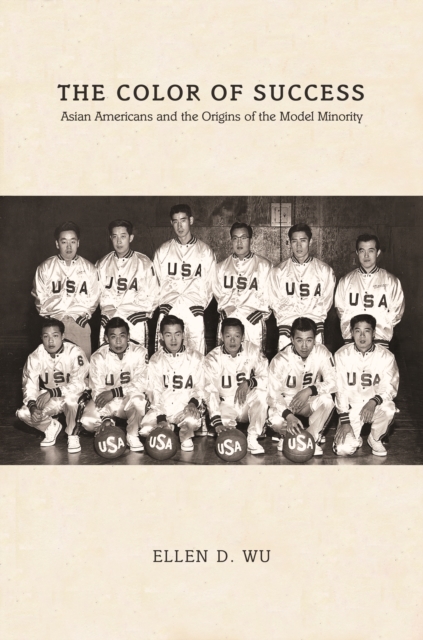
The Color of Success tells of the astonishing transformation of Asians in the United States from the "e;yellow peril"e; to "e;model minorities"e;--peoples distinct from the white majority but lauded as well-assimilated, upwardly mobile, and exemplars of traditional family values--in the middle decades of the twentieth century.
A comprehensive and accessible account of the life and thought of Judaism's most celebrated philosopherMaimonides was the greatest Jewish philosopher and legal scholar of the medieval period, a towering figure who has had a profound and lasting influence on Jewish law, philosophy, and religious consciousness.
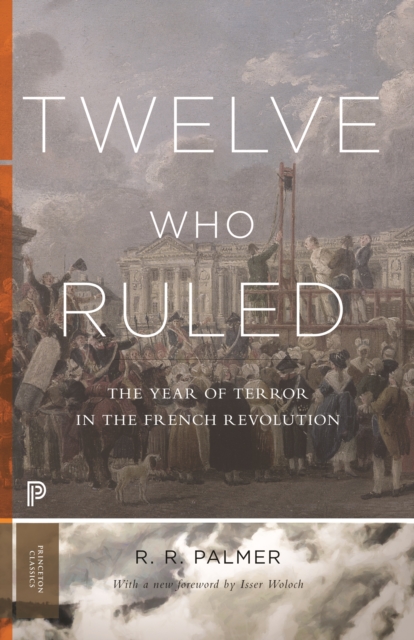
The Reign of Terror continues to fascinate scholars as one of the bloodiest periods in French history, when the Committee of Public Safety strove to defend the first Republic from its many enemies, creating a climate of fear and suspicion in revolutionary France.
A new intellectual history that looks at "e;Jewish self-hatred"e;Today, the term "e;Jewish self-hatred"e; often denotes a treasonous brand of Jewish self-loathing, and is frequently used as a smear, such as when it is applied to politically moderate Jews who are critical of Israel.
This richly textured social history recovers the voices and experiences of poor Egyptians--beggars, foundlings, the sick and maimed--giving them a history for the first time.
Following the Islamic Revolution of 1979 and the re-introduction of Sharica law relating to gender and the family, women's rights in Iran suffered a major setback.
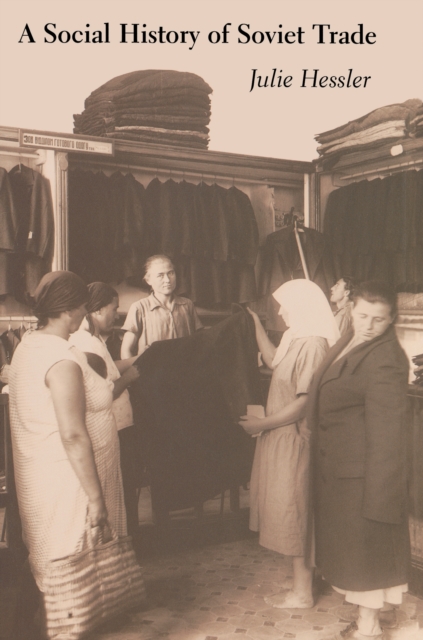
In this sweeping study, Julie Hessler traces the invention and evolution of socialist trade, the progressive constriction of private trade, and the development of consumer habits from the 1917 revolution to Stalin's death in 1953.
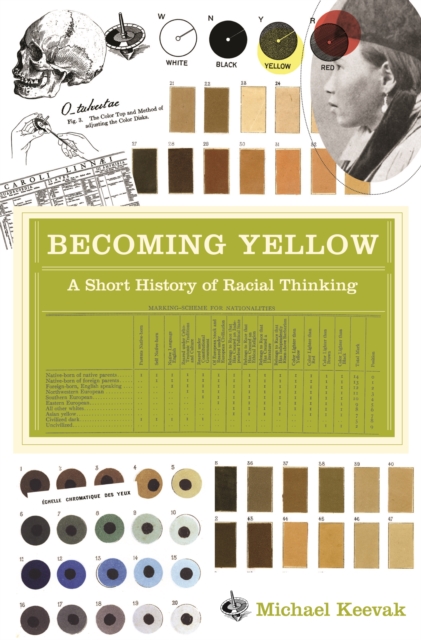
The story of how East Asians became "e;yellow"e; in the Western imagination-and what it reveals about the problematic history of racial thinkingIn their earliest encounters with Asia, Europeans almost uniformly characterized the people of China and Japan as white.
A sweeping account of what medieval life was like for ordinary peopleIn The Axe and the Oath, one of the world's leading medieval historians presents a compelling picture of daily life in the Middle Ages as it was experienced by ordinary people.
The story of the origins and development of a Jewish form of secularismNot in the Heavens traces the rise of Jewish secularism through the visionary writers and thinkers who led its development.
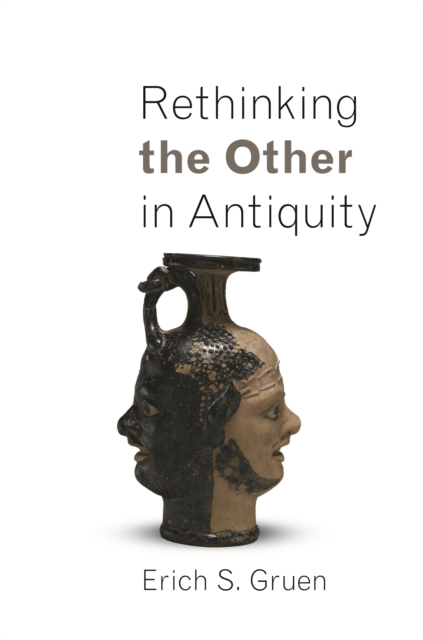
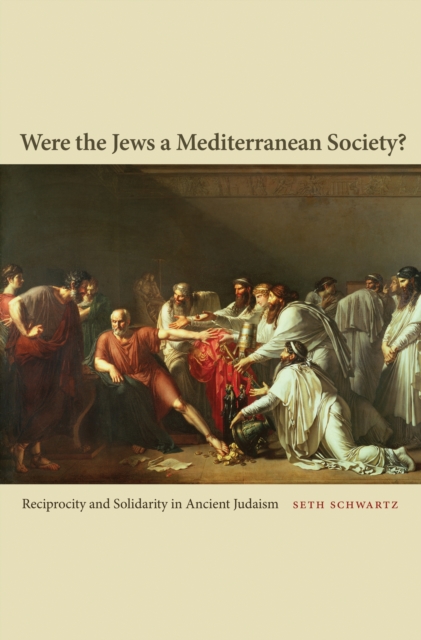
Prevalent among classicists today is the notion that Greeks, Romans, and Jews enhanced their own self-perception by contrasting themselves with the so-called Other--Egyptians, Phoenicians, Ethiopians, Gauls, and other foreigners--frequently through hostile stereotypes, distortions, and caricature.
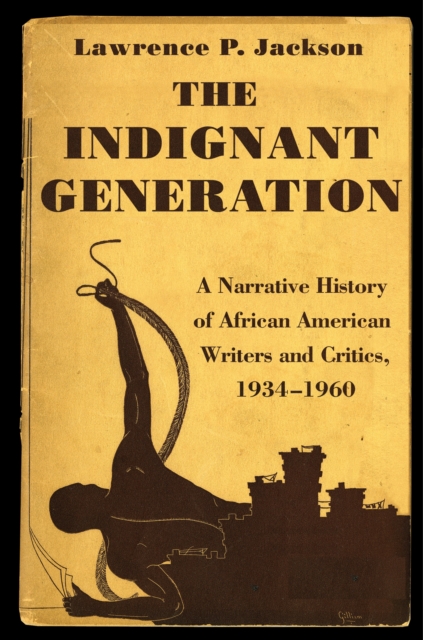
Recovering the lost history of a crucial era in African American literatureThe Indignant Generation is the first narrative history of the neglected but essential period of African American literature between the Harlem Renaissance and the civil rights era.
A concise narrative history that brings the story of the Jewish people marvelously to lifeThis is a sweeping and powerful narrative history of the Jewish people from biblical times to today.
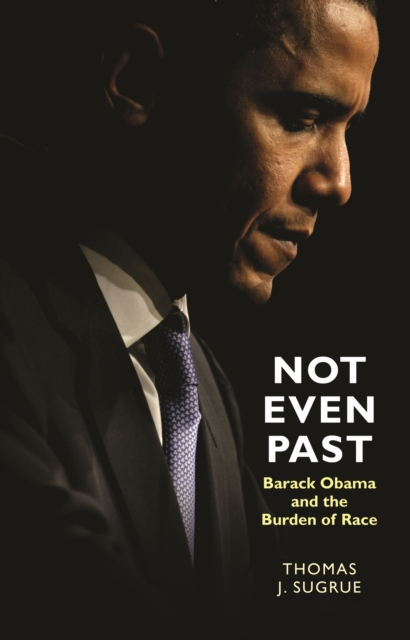
The paradox of racial inequality in Barack Obama's AmericaBarack Obama, in his acclaimed campaign speech discussing the troubling complexities of race in America today, quoted William Faulkner's famous remark "e;The past isn't dead and buried.
First published in 2000, Dipesh Chakrabarty's influential Provincializing Europe addresses the mythical figure of Europe that is often taken to be the original site of modernity in many histories of capitalist transition in non-Western countries.
For over sixty years, Jews have ranked as the most liberal white ethnic group in American politics, figuring prominently in social reform campaigns ranging from the New Deal to the civil rights movement.
As waves of epidemic disease swept the Philippines in the late nineteenth century, some colonial physicians began to fear that the indigenous population would be wiped out.
The triumphant rise of Louis Napoleon Bonaparte over his Republican opponents has been the central theme of most narrative accounts of mid-nineteenth-century France, while resistance to the coup d'etat generally has been neglected.
The First Amendment ideal of an independent press allows American journalists to present critical perspectives on government policies and actions; but are the media independent of government in practice?
The impact of technology-enhanced mass death in the twentieth century, argues Zachary Braiterman, has profoundly affected the future shape of religious thought.
Assuming that "e;marginal"e; citizens cannot govern their own lives, proponents of the therapeutic state urge casework intervention to reshape the attitudes and behaviors of those who live outside the social mainstream.
A distinguished professor debunks the assertion that America's Founders were deists who desired the strict separation of church and state and instead shows that their political ideas were profoundly influenced by their Christian convictions.
Includes interviews with Mary Kennedy, Sean O'Rourke, Mary Coughlan, Bertie Ahern and many othersWhat was life like for Ireland's grandparents when they were young?
'A gold mine of gossip with a cast of thousands' GUARDIANThe unexpurgated diaries of one of the greatest, most talented, and wittily flamboyant characters of the 20th century - with a new introduction by Stephen Fry'Compulsive reading' SUNDAY TIMES'19th February 1956.
'As in a good novel, the people, their feelings and reactions are instantly recognisable and as fresh and immediate today as they were then' GUARDIAN'She writes vividly and movingly' DAILY TELEGRAPH26th September 1939.
Following the death of her beloved mother Jennifer Worth in 2011, Suzannah Worth discovered amongst her manuscripts a folder simply labelled 'Fifth Book'.
A fascinating exploration of the urbanism at the heart of Utopian thinkingThe vision of Utopia obsessed the nineteenth-century mind, shaping art, literature, and especially town planning.
How devastating viruses, pandemics, and other natural catastrophes swept through the far-flung Roman Empire and helped to bring down one of the mightiest civilizations of the ancient worldHere is the monumental retelling of one of the most consequential chapters of human history: the fall of the Roman Empire.
How secularism has been used to justify the subordination of womenJoan Wallach Scott's acclaimed and controversial writings have been foundational for the field of gender history.
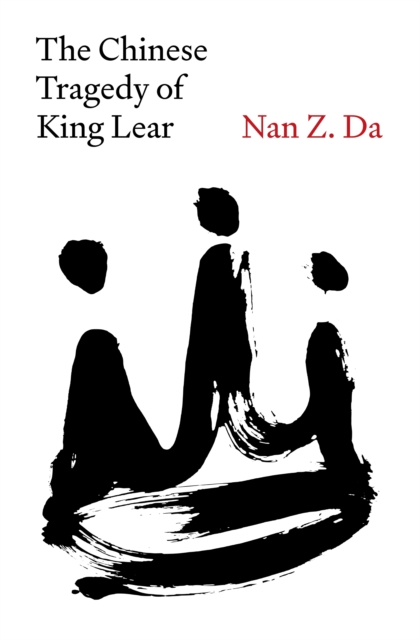
A compelling new reading of The Tragedy of King Lear that finds parallels in twentieth-century Chinese historyAt the start of Shakespeare's famous tragedy, King Lear promises to divide his kingdom based on his daughters' professions of love, but portions it out before hearing all of their answers.
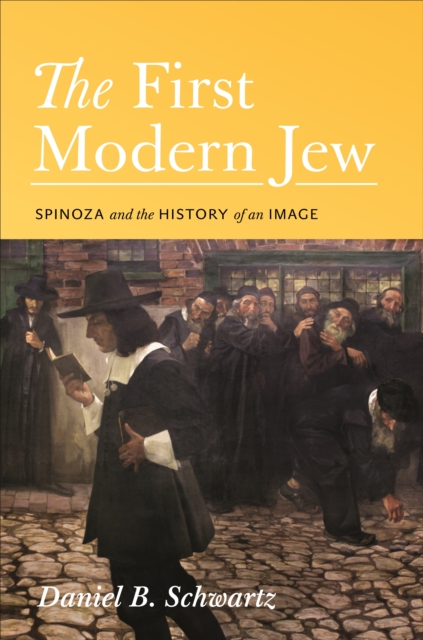
Pioneering biblical critic, theorist of democracy, and legendary conflater of God and nature, Jewish philosopher Baruch Spinoza (1632-1677) was excommunicated by the Sephardic Jews of Amsterdam in 1656 for his "e;horrible heresies"e; and "e;monstrous deeds.
'Stand by for fireworks as it hits the shelves' SUNDAY TIMES'If Orwell were with us today, he'd be writing books like this' PATRICK RADDEN KEEFE'Breath-taking and jaw-dropping' PETER FRANKOPAN'A true-life thriller' ANNE APPLEBAUMFrom the bestselling author of Kleptopia comes a true story about Cuckooland - a world where the rich can buy everything - including the truth.
An award-winning history of the transformation of Europe between 1989 and todayThe year 1989 brought the fall of the Berlin Wall and the collapse of communism in Eastern Europe.
Esta obra trata sobre un episodio prácticamente silenciado en la historiografía del país: el proceso que se entabló contra el general Rojas Pinilla después de su derrocamiento en 1957 y ante su regreso inesperado a Colombia después de un período en el exterior.