A leading historian argues that historically Jews were more often voluntary migrants than involuntary refugees For millennia, Jews and non-Jews alike have viewed forced population movement as a core aspect of the Jewish experience.
A masterfully researched and compelling history of Iran from 1501 to 2009 This history of modern Iran is not a survey in the conventional sense but an ambitious exploration of the story of a nation.
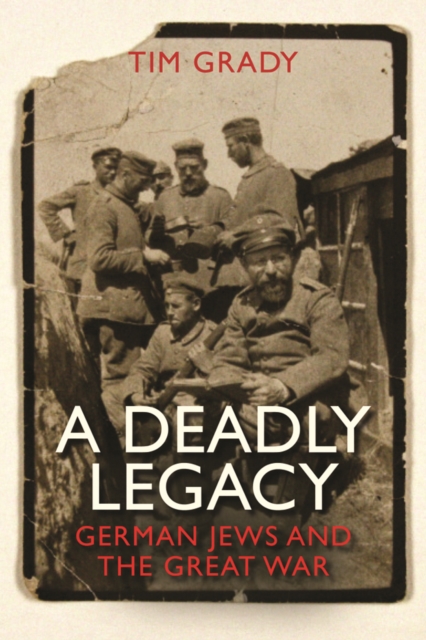
Shortlisted for the Wolfson History Prize 2018 This book is the first to offer a full account of the varied contributions of German Jews to Imperial Germany’s endeavors during the Great War.
Noted historian Christine DeLucia offers a major reconsideration of the violent seventeenth-century conflict in northeastern America known as King Philip’s War, providing an alternative to Pilgrim-centric narratives that have conventionally dominated the histories of colonial New England.
A comprehensive history of deafness, signed languages, and the unresolved struggles of the Deaf to be taught in their unspoken tongue Partially deaf due to a childhood illness, Gerald Shea is no stranger to the search for communicative grace and clarity.
A fascinating new study of the symbolic power of food and its role in forming kinship bonds and religious identity in early Christianity Scholar of religion John Penniman considers the symbolic importance of food in the early Roman world in an engaging and original new study that demonstrates how “eating well” was a pervasive idea that served diverse theories of growth, education, and religious identity.
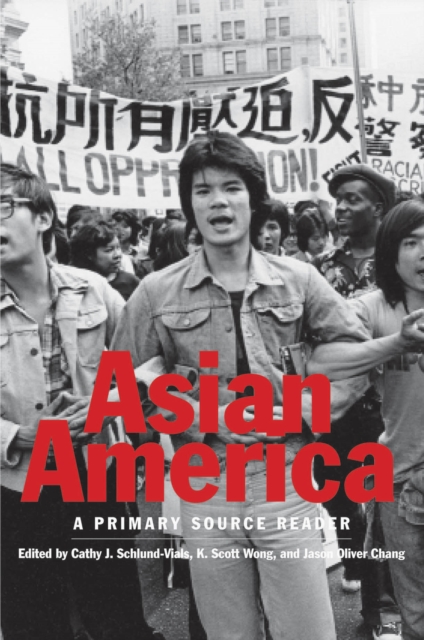
An essential collection that brings together the core primary texts of the Asian American experience in one volume An essential volume for the growing academic discipline of Asian American studies, this collection of core primary texts draws from a wide range of fields, from law to visual culture to politics, covering key historical and cultural developments that enable students to engage directly with the Asian American experience over the past century.
Commemorating the fiftieth anniversary of the National Historic Preservation Act, a critique of the preservation movement—and a bold vision for its future Every day, millions of people enter old buildings, pass monuments, and gaze at landscapes unaware that these acts are possible only thanks to the preservation movement.
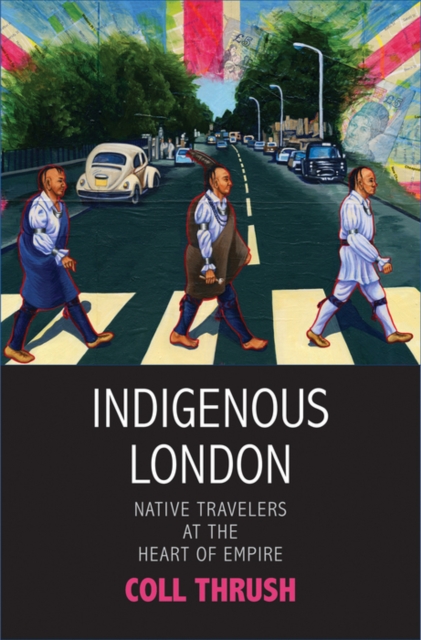
An imaginative retelling of London’s history, framed through the experiences of Indigenous travelers who came to the city over the course of more than five centuries London is famed both as the ancient center of a former empire and as a modern metropolis of bewildering complexity and diversity.
A compelling study of “new sincerity” as a powerful cultural practice, born in perestroika-era Russia, and how it interconnects with global social and media flows The global cultural practice of a “new sincerity” in literature, media, art, design, fashion, film, and architecture grew steadily in the wake of the Soviet collapse.
A historical interpretation of the diary of an eighteenth-century Jewish woman who resisted the efforts of the papal authorities to force her religious conversion After being seized by the papal police in Rome in May 1749, Anna del Monte, a Jew, kept a diary detailing her captors’ efforts over the next thirteen days to force her conversion to Catholicism.
In this monumental work, Laurence Senelick and Sergei Ostrovsky offer a panoramic history of Soviet theater from the Bolshevik Revolution to the eventual collapse of the USSR.
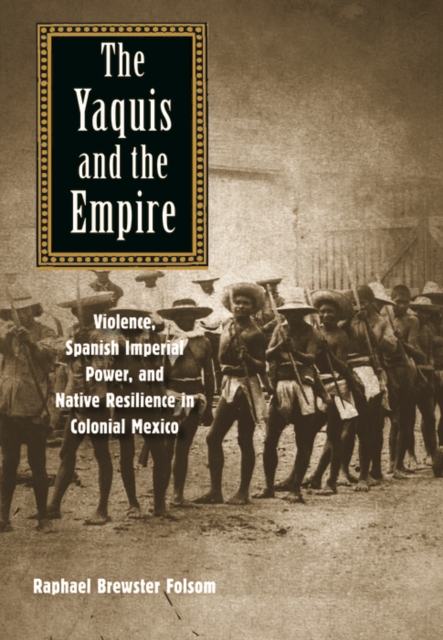
This groundbreaking new study examines the history of the Yaqui people and their interactions with the Spanish Empire from first contact through Mexican independence.
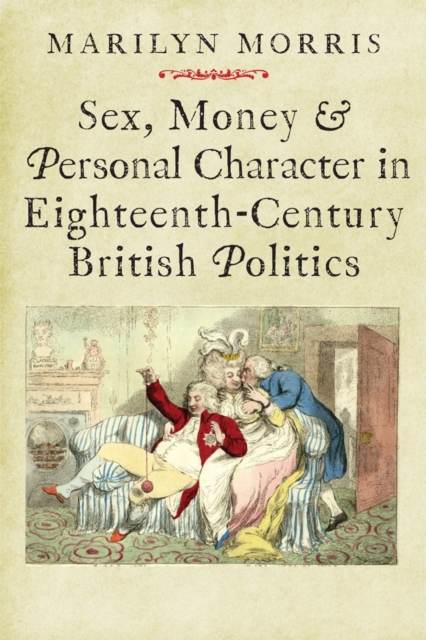
A sophisticated analysis of changing views of political virtue in the 18th century and the origins of the modern dilemma over probity and suitability for high public office How, and why, did the Anglo-American world become so obsessed with the private lives and public character of its political leaders?
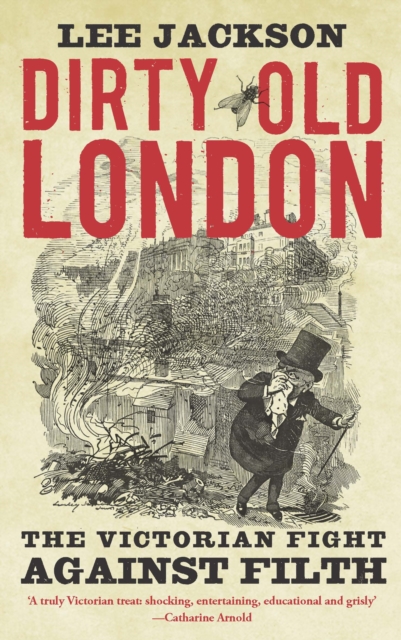
In Victorian London, filth was everywhere: horse traffic filled the streets with dung, household rubbish went uncollected, cesspools brimmed with "night soil," graveyards teemed with rotting corpses, the air itself was choked with smoke.
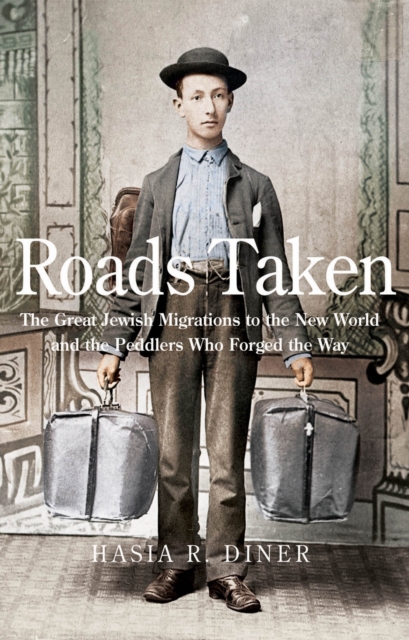
Finalist for the 2015 National Jewish Book Award--Celebrate 350 Award for American Jewish Studies Between the late 1700s and the 1920s, nearly one-third of the world’s Jews emigrated to new lands.
In this elegant book Richard Bosworth explores Venice-not the glorious Venice of the Venetian Republic, but from the fall of the Republic in 1797 and the Risorgimento up through the present day.
Centered around one family's preserved personal letters, this is "e;an intimate, engaging examination of the plight of German Jewish refugees"e; (Kirkus Reviews).
This magnificently illustrated people's history celebrates the extraordinary feats of cultivation by the working class in Britain, even if the land they toiled, planted, and loved was not their own.
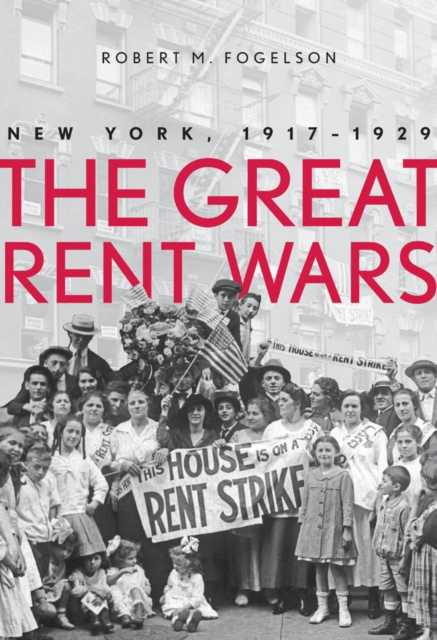
A groundbreaking account of the early history of rent control Written by one of the country’s foremost urban historians, The Great Rent Wars tells the fascinating but little-known story of the battles between landlords and tenants in the nation’s largest city from 1917 through 1929.
A masterful exploration of the practice of civil disobedience in America from the nation’s earliest days to the present The distinctive American tradition of civil disobedience stretches back to pre-Revolutionary War days and has served the purposes of determined protesters ever since.
In the late seventeenth and early eighteenth centuries, cultural, economic, and political changes, as well as increased geographic mobility, placed strains upon British society.
From the Charge of the Light Brigade to Scott of the Antarctic and beyond, it seems as if glorious disaster and valiant defeat have been essential aspects of the British national character for the past two centuries.
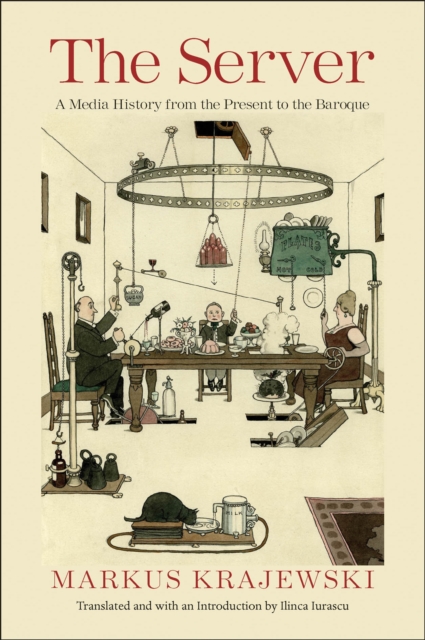
A cutting-edge media history on a perennially fascinating topic, which attempts to answer the crucial question: Who is in charge, the servant or the master?
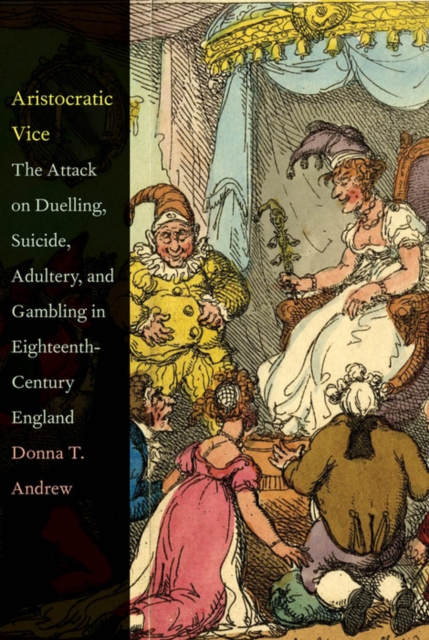
Aristocratic Vice examines the outrage against—and attempts to end—the four vices associated with the aristocracy in eighteenth-century England: duelling, suicide, adultery, and gambling.
Examining the lives and works of three iconic personalities —Germaine de Staël , Stendhal, and Georges Cuvier—Kathleen Kete creates a groundbreaking cultural history of ambition in post-Revolutionary France.
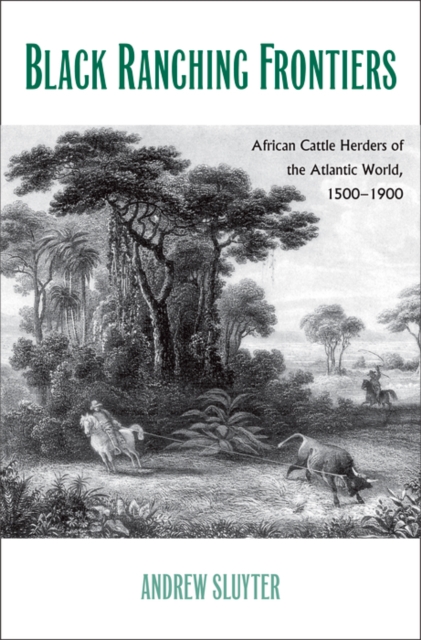
In this groundbreaking book Andrew Sluyter demonstrates for the first time that Africans played significant creative roles in establishing open-range cattle ranching in the Americas.
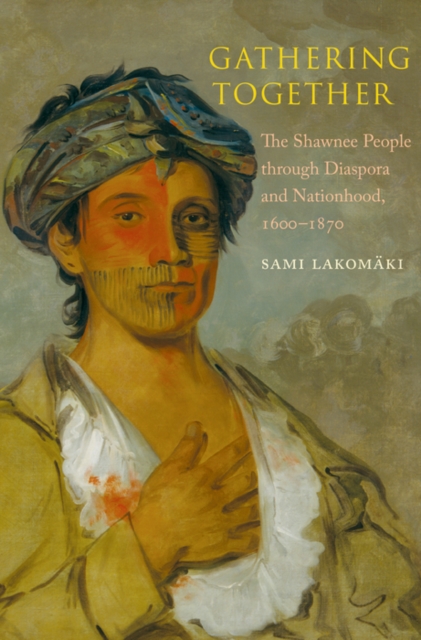
Weaving Indian and Euro-American histories together in this groundbreaking book, Sami Lakomaki places the Shawnee people, and Native peoples in general, firmly at the center of American history.
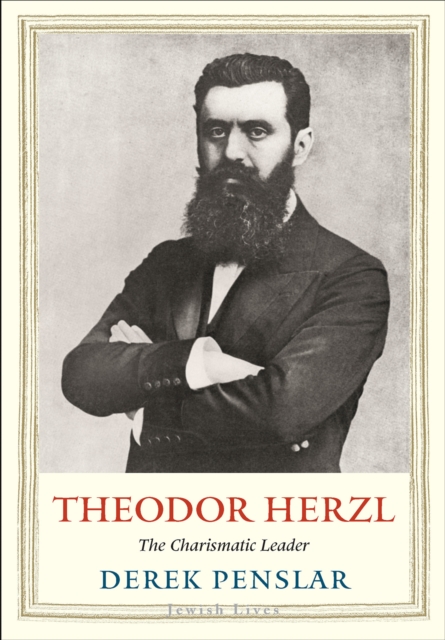
From the prizewinning Jewish Lives series, a masterful new biography of Theodor Herzl by an eminent historian of Zionism The life of Theodor Herzl (1860–1904) was as puzzling as it was brief.
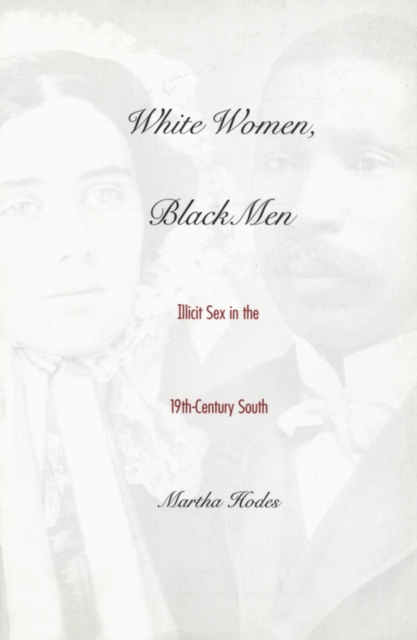
This book is the first to explore the history of a powerful category of illicit sex in America's past: liaisons between Southern white women and black men.
Winner of the 2015 Louisville Grawemeyer Award in Religion and of the 2011 American Academy of Religion Award for Excellence, Constructive-Reflective Study "[A] theological masterpiece.
An accomplished Italianist looks beyond Rome's storied facades to offer insight into the many histories of one of the world's best-loved cities In Civilization and Its Discontents, Sigmund Freud claimed that Rome must be comprehended as "not a human dwelling place but a mental entity," in which the palaces of the Caesars still stand alongside modern apartment buildings in layers of brick, mortar, and memory.
The people and publications at the root of a national obsession In the century between the accession of Elizabeth I and the restoration of Charles II, a horticultural revolution took place in England, making it a leading player in the European horticultural game.
David Torres-Rouff significantly expands borderlands history by examining the past and original urban infrastructure of one of America's most prominent cities; its social, spatial, and racial divides and boundaries; and how it came to be the Los Angeles we know today.
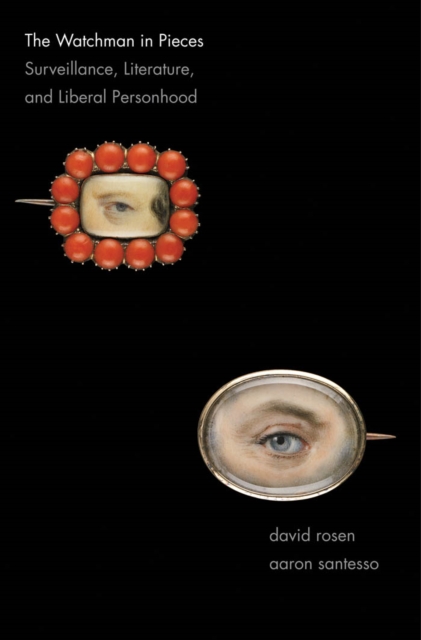
Spanning nearly 500 years of cultural and social history, this book examines the ways that literature and surveillance have developed together, as kindred modern practices.