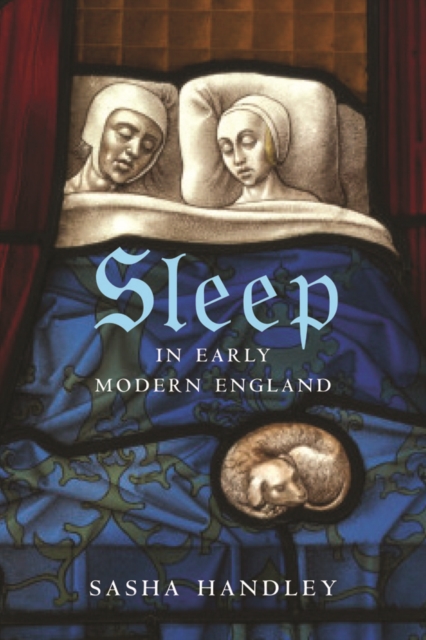
A riveting look at how the early modern world revolutionized sleep and its relation to body, mind, soul, and society Drawing on diverse archival sources and material artifacts, Handley reveals that the way we sleep is as dependent on culture as it is on biological and environmental factors.
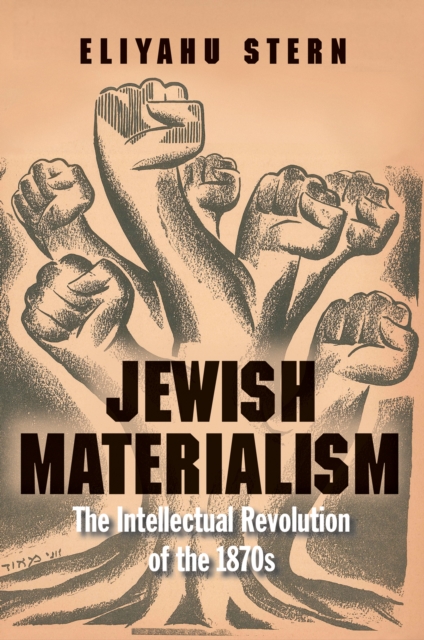
A paradigm-shifting account of the modern Jewish experience, from one of the most creative young historians of his generationTo understand the organizing framework of modern Judaism, Eliyahu Stern believes that we should look deeper and farther than the Holocaust, the establishment of the State of Israel, and the influence and affluence of American Jewry.
El libro de los oficios de antaño rescata el alma del pasado al evocar los trabajos comunes en la vida de los pueblos, labores silenciosas y cotidianas que plasmaron el folclor nacional en largas épocas de quietud y ensoñación.
The activist storytelling practice of testimonio, long associated with Latin American struggles for justice, forges coalitions across social differences for the purpose of social change.
This book, focusing on the history of religious and political thinking in early modern Russia, demonstrates that Russia’s path toward enlightenment began long before Peter the Great’s opening to the West.
In the late seventeenth and early eighteenth centuries, cultural, economic, and political changes, as well as increased geographic mobility, placed strains upon British society.
In this powerful book one of the most important Jewish thinkers in the world today grapples with issues that increasingly divide Israel’s secular Jewish community from its religious Zionists.
A groundbreaking volume on the rich 13,000-plus-year history and culture of Connecticut’s indigenous peoples More than 13,000 years ago, people settled on lands that now lie within the boundaries of the state of Connecticut.
Winner of the 2008 Washington State Book Award in History/BiographyThis updated edition of Native Seattle brings the indigenous story to the present day and puts the movement of recognizing Seattle's Native past into a broader context.
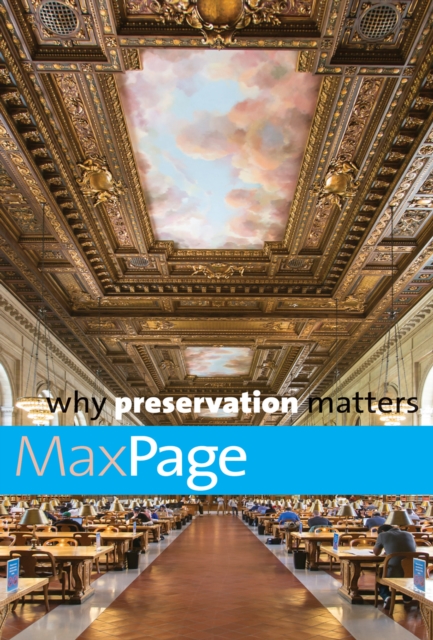
Commemorating the fiftieth anniversary of the National Historic Preservation Act, a critique of the preservation movement—and a bold vision for its future Every day, millions of people enter old buildings, pass monuments, and gaze at landscapes unaware that these acts are possible only thanks to the preservation movement.
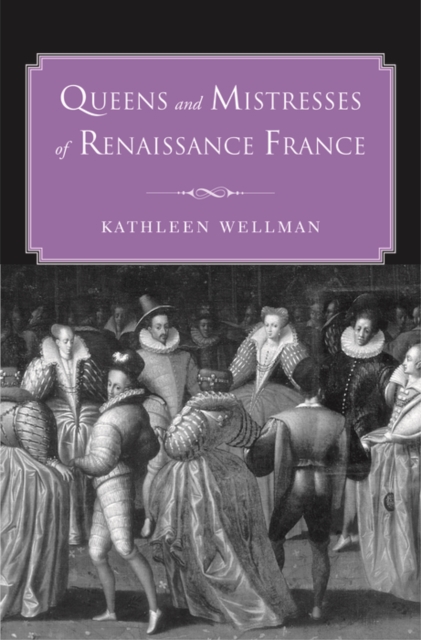
This book tells the history of the French Renaissance through the lives of its most prominent queens and mistresses, beginning with Agnès Sorel, the first officially recognized royal mistress in 1444; including Anne of Brittany, Catherine de Medici, Anne Pisseleu, Diane de Poitiers, and Marguerite de Valois, among others; and concluding with Gabrielle d’Estrées, Henry IV’s powerful mistress during the 1590s.
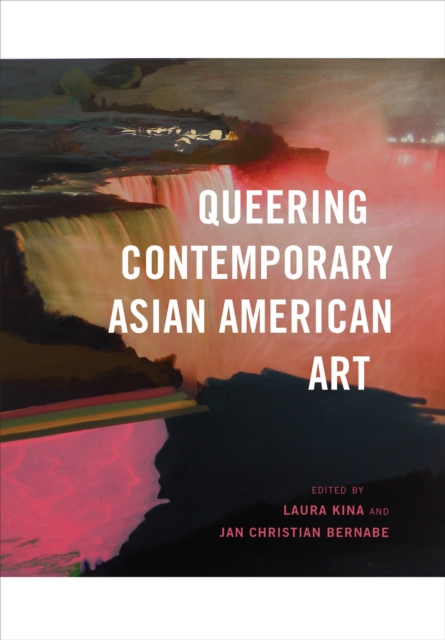
Queering Contemporary Asian American Art takes Asian American differences as its point of departure, and brings together artists and scholars to challenge normative assumptions, essentialisms, and methodologies within Asian American art and visual culture.
From the Flint water crisis to the Dakota Access Pipeline controversy, environmental threats and degradation disproportionately affect communities of color, with often dire consequences for peoples lives and health.
Based on a previously unexplored source, this book transforms the way we think about the formation of Jewish identity This book tells the story of the earliest Jewish diaspora in Egypt in a way it has never been told before.
This magnificently illustrated people's history celebrates the extraordinary feats of cultivation by the working class in Britain, even if the land they toiled, planted, and loved was not their own.
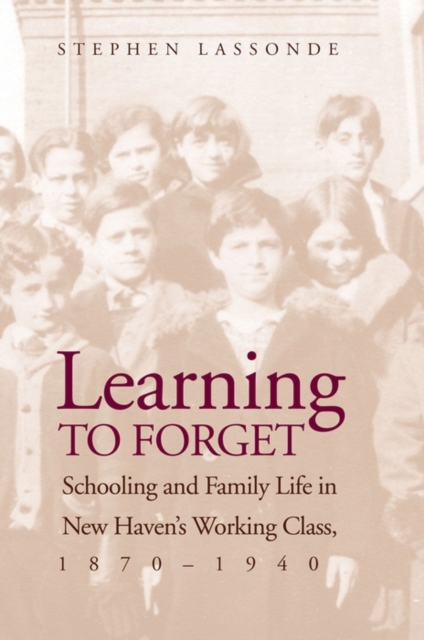
This book offers an insightful view of the complex relations between home and school in the working-class immigrant Italian community of New Haven, Connecticut.
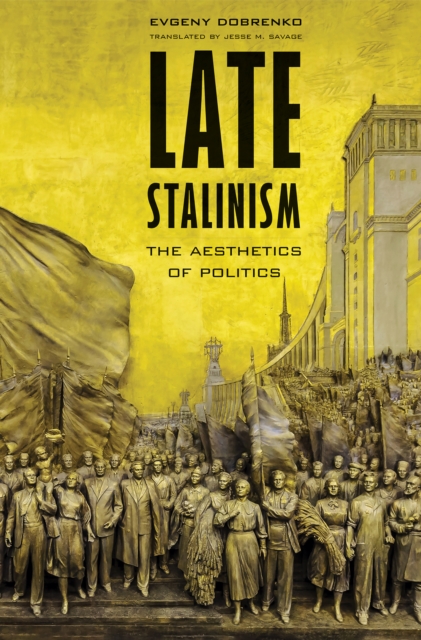
How the last years of Stalin’s rule led to the formation ofan imperial Soviet consciousness In this nuanced historical analysis of late Stalinism organized chronologically around the main events of the period—beginning with Victory in May 1945 and concluding with the death of Stalin in March 1953—Evgeny Dobrenko analyzes key cultural texts to trace the emergence of an imperial Soviet consciousness that, he argues, still defines the political and cultural profile of modern Russia.
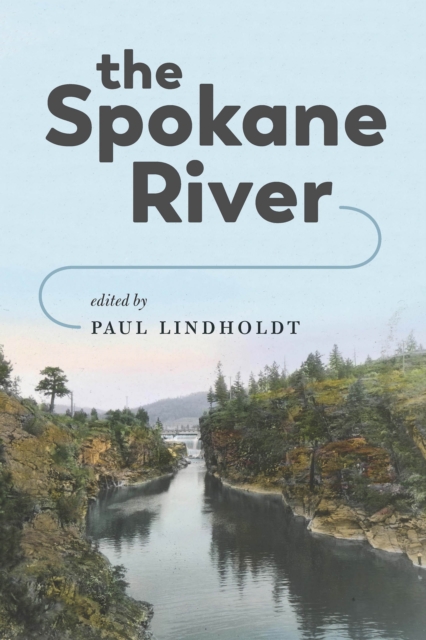
From Lake Coeur dAlene to its confluence with the Columbia, the Spokane River travels 111 miles of varied and often spectacular terrainrural, urban, in places wild.
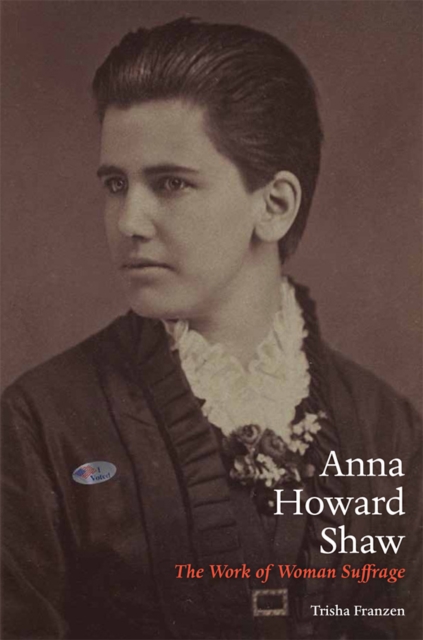
With this first scholarly biography of Anna Howard Shaw (1847-1919), Trisha Franzen sheds new light on an important woman suffrage leader who has too often been overlooked and misunderstood.
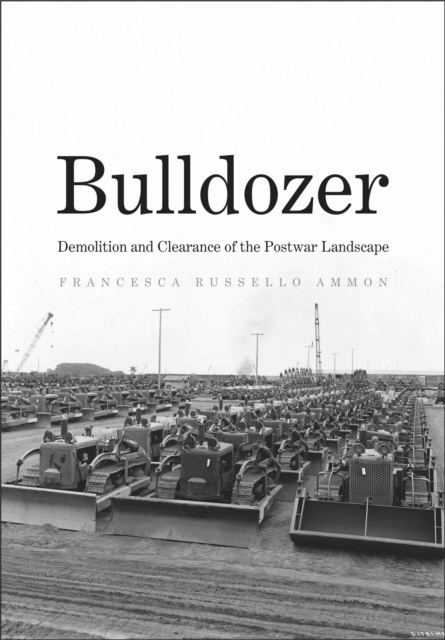
Although the decades following World War II stand out as an era of rapid growth and construction in the United States, those years were equally significant for large-scale destruction.
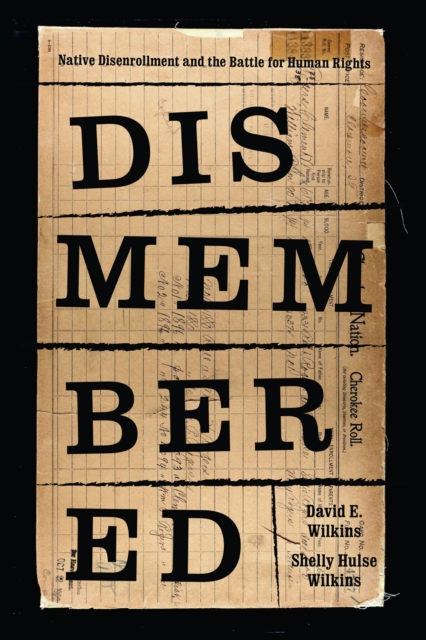
While the number of federally recognized Native nations in the United States are increasing, the population figures for existing tribal nations are declining.
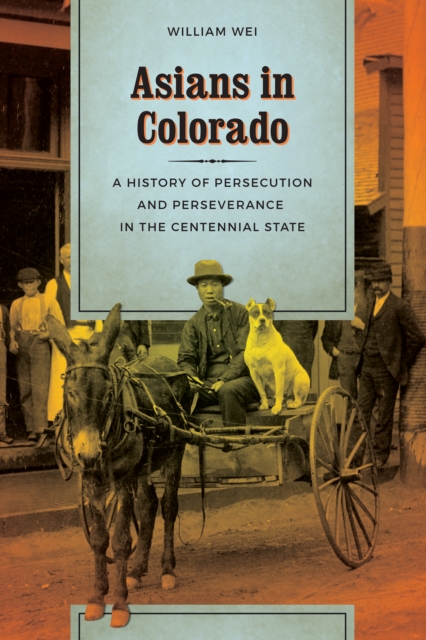
Providing the most comprehensive examination to date of Asians in the Centennial State, William Wei addresses a wide range of experiences, from anti-Chinese riots in late nineteenth-century Denver to the World War II incarceration of Japanese Americans at the Amache concentration camp to the more recent influx of Southeast Asian refugees and South Asian tech professionals.
“It was the arbitrary nature of the serfholder’s power that weighed on serfs like Nikitenko, for as they discovered, even the most benevolent patron could turn overnight into an overbearing tyrant.
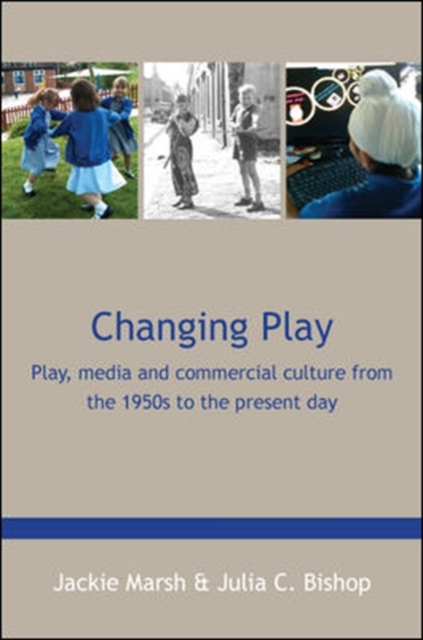
This book explores changes in the nature of the relationship between play, media and commercial culture through a comparison of play in the 1950s/60s and the present day, examining the continuities and discontinuities in play over time.
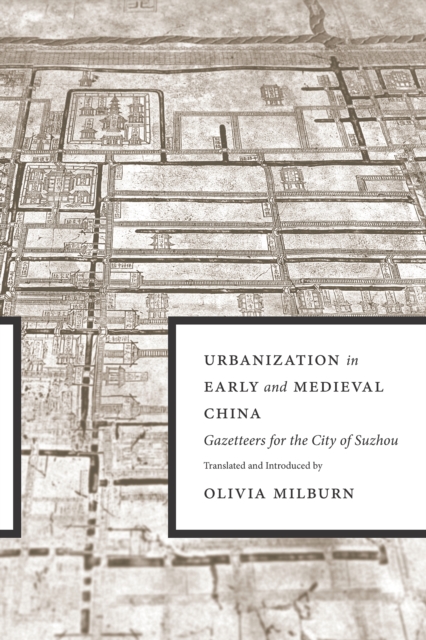
The heart of Urbanization in Early and Medieval China consists of translations of three gazetteers written during the Han (206 BCE220 CE), Tang (618907), and Northern Song (9601126) dynasties describing the city of Suzhou.
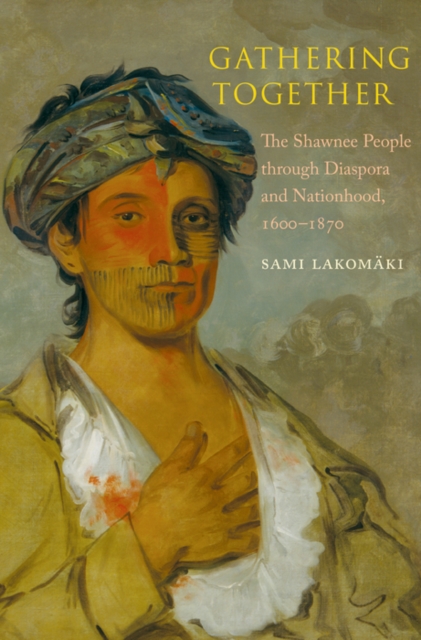
Weaving Indian and Euro-American histories together in this groundbreaking book, Sami Lakomaki places the Shawnee people, and Native peoples in general, firmly at the center of American history.
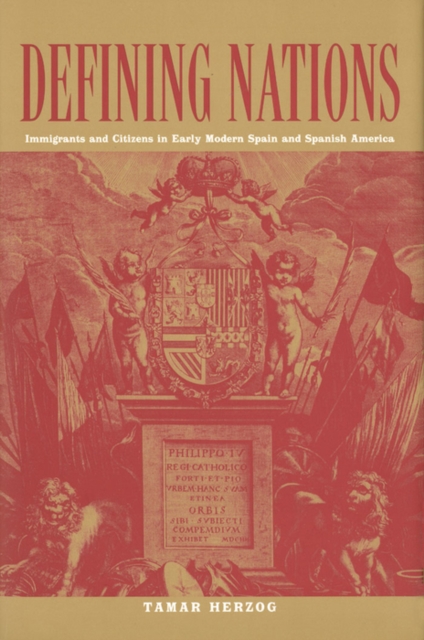
In this book Tamar Herzog explores the emergence of a specifically Spanish concept of community in both Spain and Spanish America in the eighteenth century.
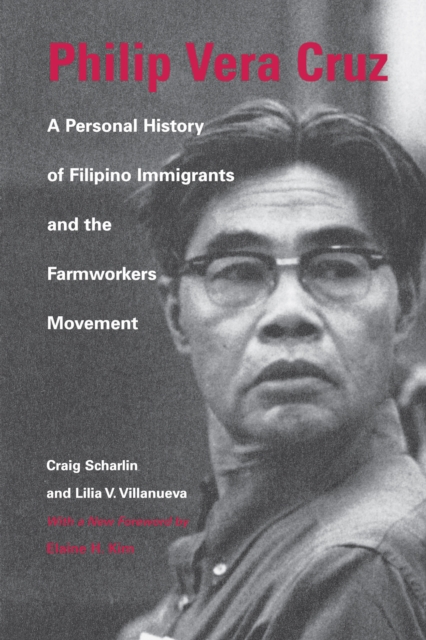
Filipino farmworkers sat down in the grape fields of Delano, California, in 1965 and began the strike that brought about a dramatic turn in the long history of farm labor struggles in California.
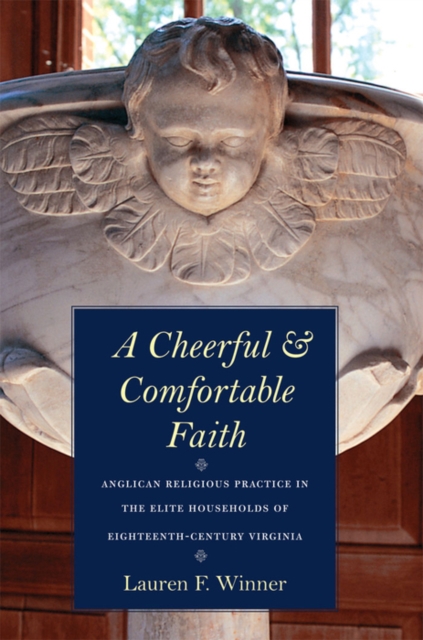
This enlightening book examines the physical objects found in elite Virginia households of the eighteenth century to discover what they can tell us about their owners’ lives and religious practices.
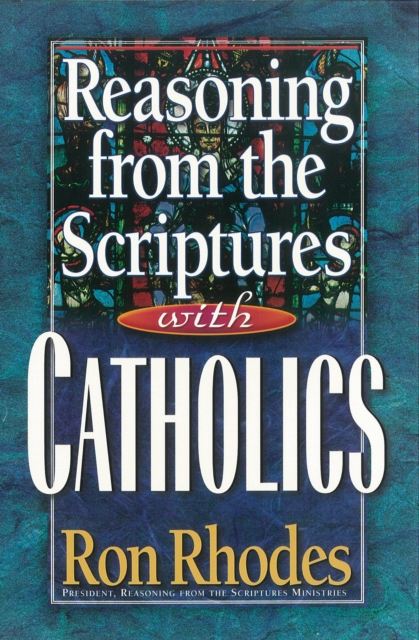
Anyone interested in sharing the gospel with Catholic friends or understanding where members of that denomination stand on important points of theology will appreciate this thorough yet easy-to-use reference.
"e;Daniel Bedrosian has done a wonderful job of a seemingly impossible task of reconstructing this history-finding everybody who's been a part of, involved with, or in any way left their fingerprint on what has become the P-Funk.
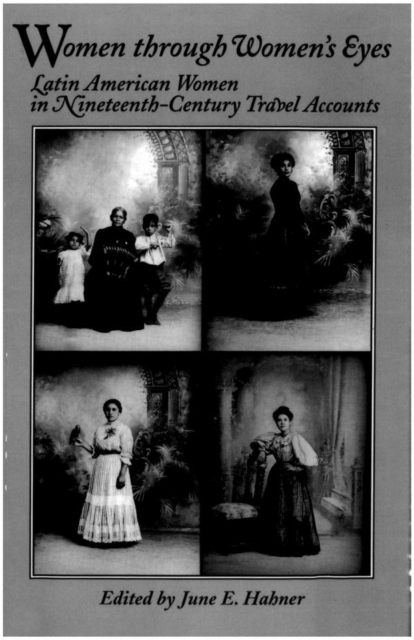
The nineteenth century was a period of peak popularity for travel to Latin America, where a new political independence was accompanied by loosened travel restrictions.
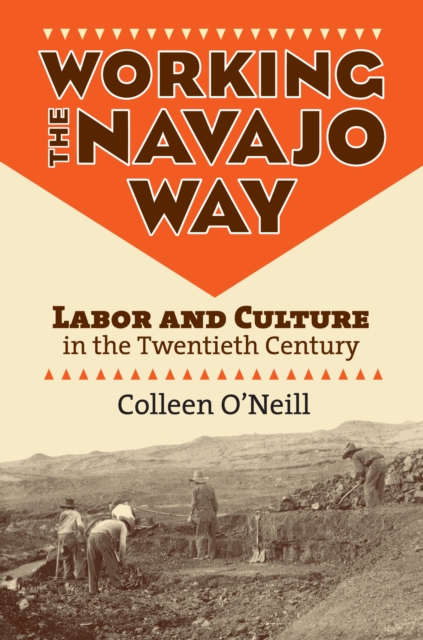
Winner: Gaspar Perez de Villagra AwardThe Dine have been a pastoral people for as long as they can remember; but when livestock reductions in the New Deal era forced many into the labor market, some scholars felt that Navajo culture would inevitably decline.
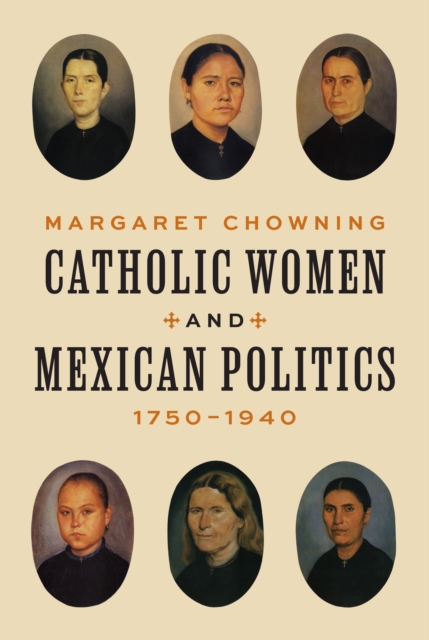
How women preserved the power of the Catholic Church in Mexican political lifeWhat accounts for the enduring power of the Catholic Church, which withstood widespread and sustained anticlerical opposition in Mexico?