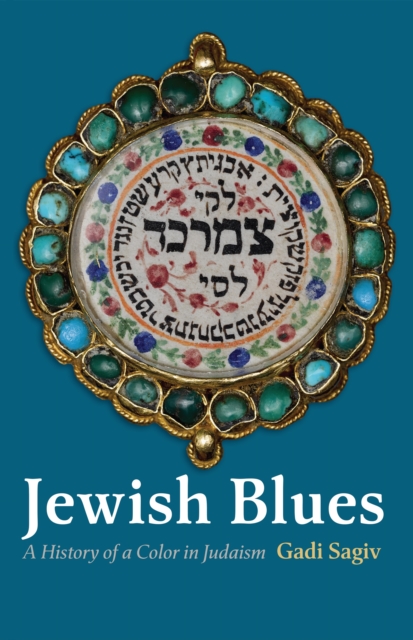
Jewish Blues presents a broad cultural, social, and intellectual history of the color blue in Jewish life between the sixteenth and twenty-first centuries.
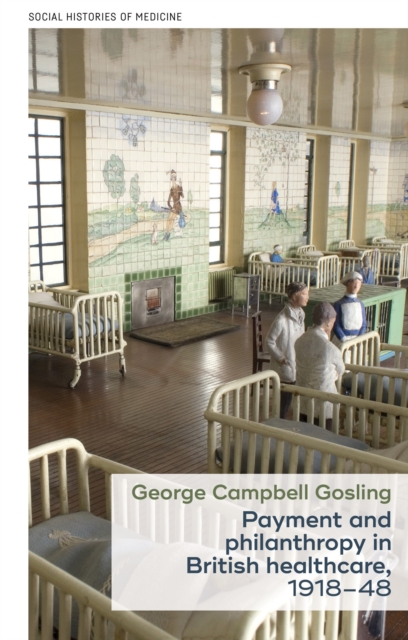
At a time when payment is claiming a greater place than ever before within the NHS, this book provides the first in-depth investigation of the workings, scale and meaning of payment in British hospitals before the NHS.
Comic empires is a unique collection of new research exploring the relationship between imperialism and political cartoons, caricature, and satirical art.
Reexamining the case of one of the most famous intellectuals to embrace fascism, this book argues that Martin Heidegger's politics and philosophy of language emerge from a deep affinity for the ethno-nationalist and anti-Semitic politics of the Nazi movement.
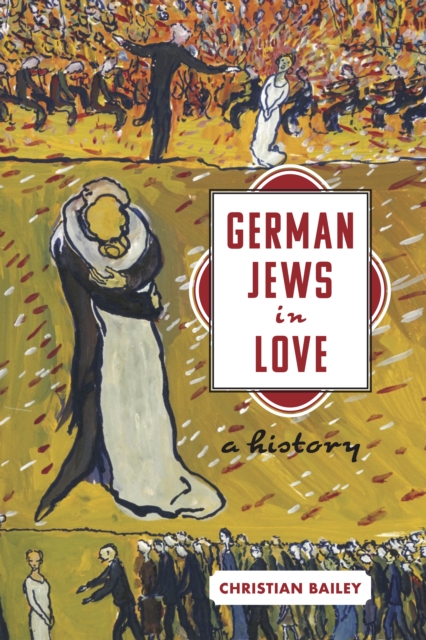
This book explores the dynamic role of love in German-Jewish lives, from the birth of the German Empire in the 1870s, to the 1970s, a generation after the Shoah.
Copts and the Security State combines political, anthropological, and social history to analyze the practices of the Egyptian state and the political acts of the Egyptian Coptic minority.
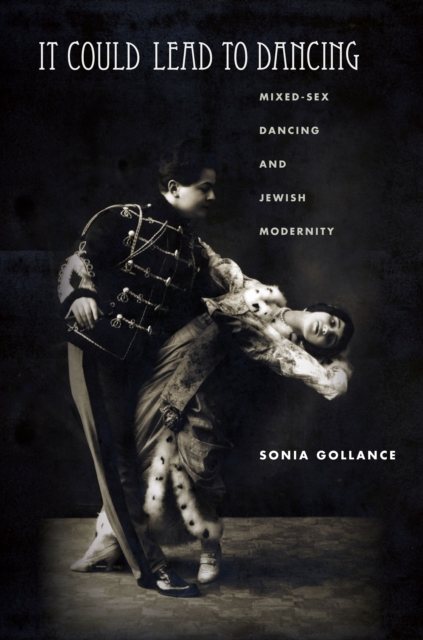
Dances and balls appear throughout world literature as venues for young people to meet, flirt, and form relationships, as any reader of Pride and Prejudice, War and Peace, or Romeo and Juliet can attest.
How did Jews go from lives organized by synagogues, shul, and mikvehs to lives that-if explicitly Jewish at all-were conducted in Hillel houses, JCCs, Katz's, and even Chabad?
Around the beginning of the twentieth century, Jewish writers and artists across Europe began depicting fellow Jews as savages or "e;primitive"e; tribesmen.
This book offers the first social and intellectual history of Dalit performance of Tamasha-a popular form of public, secular, traveling theater in Maharashtra-and places Dalit Tamasha women who represented the desire and disgust of the patriarchal society at the heart of modernization in twentieth century India.
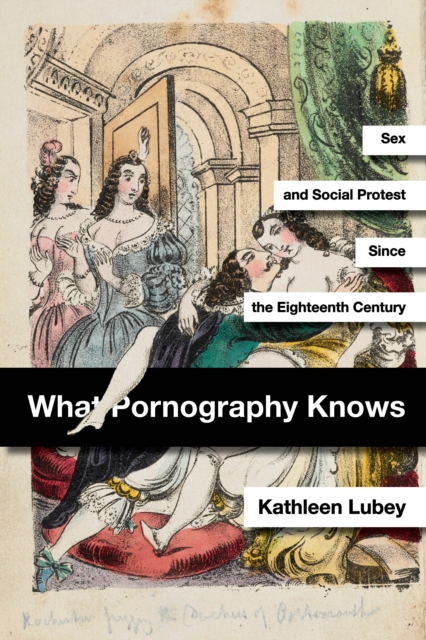
What Pornography Knows offers a new history of pornography based on forgotten bawdy fiction of the eighteenth century, its nineteenth-century republication, and its appearance in 1960s paperbacks.
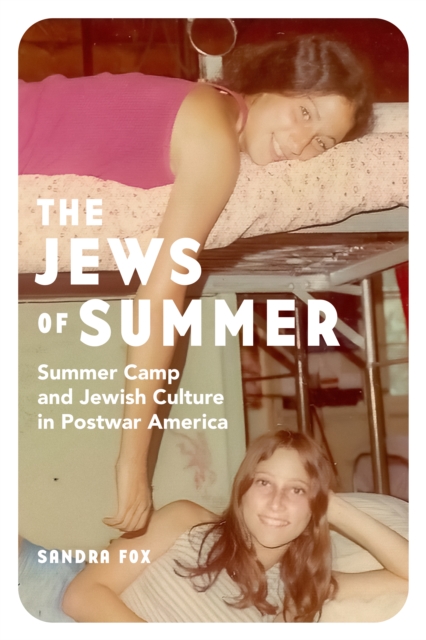
In the decades directly following the Holocaust, American Jewish leaders anxiously debated how to preserve and produce what they considered authentic Jewish culture, fearful that growing affluence and suburbanization threatened the future of Jewish life.
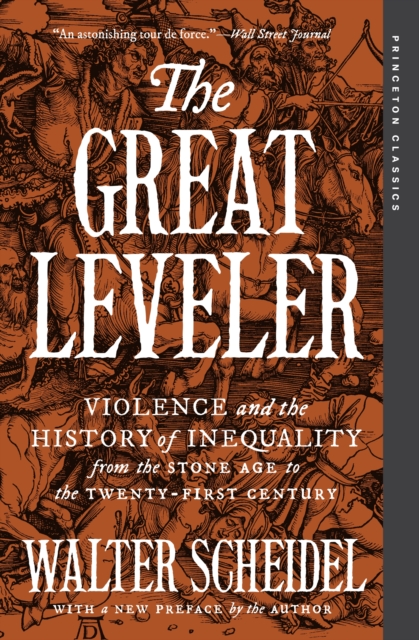
How only violence and catastrophes have consistently reduced inequality throughout world historyAre mass violence and catastrophes the only forces that can seriously decrease economic inequality?
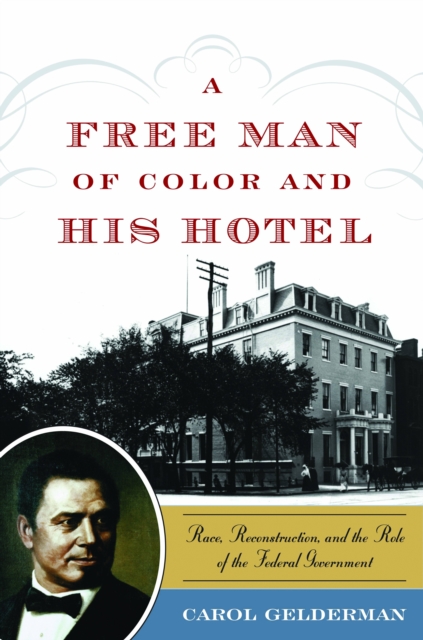
A Free Man of Color and His Hotel weaves the story of a uniquely successful black businessman into the burgeoning post-Civil War political struggle that pitted the federal government against the states' desire to remain autonomous.
During histhirty-eight-year career as a military officer, Henry Clay Merriam received the Medal of Honor for his service in the Civil War, rose to prominence in the Western army, and exerted significant influence on the American West by establishing military posts, protecting rail lines, and maintaining an uneasy peace between settlers and Indians.
Historians have published countless studies of the American Civil War from 1861 to 1865 and the era of Reconstruction that followed those four years of brutally destructive conflict.
Growing up in the mostly wooded rural countryside of northern Wisconsin, in the decades immediately after the Second World War, meant immersion in cultural transformation.
The Right Side of History tells the 100-year history of queer activism in a series of revealing close-ups, first-person accounts, and intimate snapshots of LGBT pioneers and radicals.