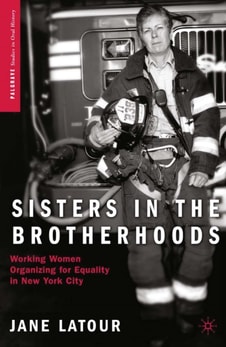
Sisters in the Brotherhoods is an oral-history-based study of women who have, against considerable odds, broken the gender barrier to blue-collar employment in various trades in New York City beginning in the 1970s.
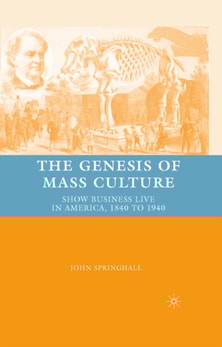
A thorough survey of the origins and development of the major distinct American commercial entertainments that emerged between over the course of the 19th century and into the 20th, including P.
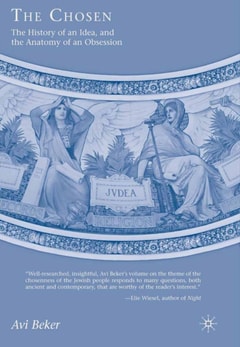
The Chosen explores Judaism s key defining concept and inquires why it remains the central unspoken and explosive psychological, historical, and theological problem at the heart of Jewish-Gentile relations.
This book traces the progression of cosmopolitanism from the private experience of a group of artists and intellectuals who lived and worked in Boston between 1865 and 1915 to finished works of monumental art that shaped public space.
An analysis of Vietnam, 9/11 and the Iraq War from patriotism to dissent through various visual and written signs among which the US flag, ribbons, car-stickers, cartoons, movies, the media and presidential war rhetoric.
This book argues that while pain is an irreducible neuro-physiological phenomenon, how pain is experienced is powerfully inflected by language and culture.
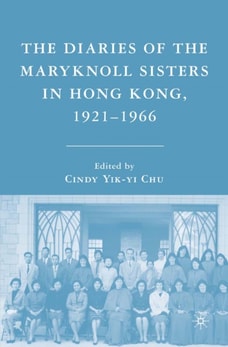
This book is a documentary survey of Hong Kong history, from the 1920s to the mid-1960s, from the perspective of the Maryknoll Sisters, as recorded in their diaries written during that period.
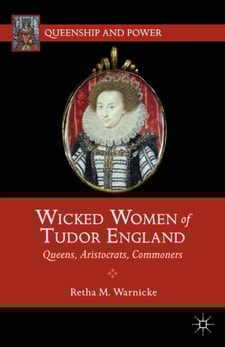
In The Monstrous Regiment of Women , Sharon Jansen explores the case for and against female rule by examining the arguments made by theorists from Sir John Fortescue (1461) through Bishop Bossuet (1680) interweaving their arguments with references to the most well-known early modern queens.
This comprehensive study traces the history of over forty royal free towns from the sixteenth-century to 1848 in the territories of what today are Hungary, Slovakia, and Romania.
This volume brings together specialists from a variety of disciplines to develop a deeper understanding of the social, political, and cultural history of women in Italy in the years 1946-1960.
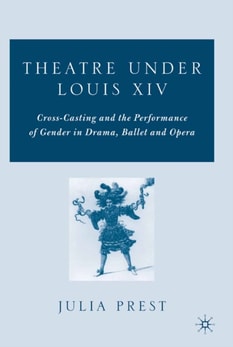
This book explores the fascinating phenomenon of cross-casting and related gender issues in different theatrical genres and different performance contexts during the heyday of French theatre.
This book aims to solve the problem of how parts of mankind escaped from an apparently inevitable trap of war, famine and disease in the last three hundred years.
Arguing on recent cognitive evidence that reading a Bible is much more difficult for human brains than seeing images, this book exposes the depth and breadth of Protestant theologians' misunderstandings about how people could reform their spiritual lives - how they could literally change their minds.
Drawing on extensive research, John Sutherland builds up a fascinating picture of the cultural, social and commercial factors influencing the content and production of Victorian fiction, discussing major writers such as Collins, Dickens, Eliot, Thackeray and Trollope alongside writers also very popular with the reading public - Reade, Lytton and Mrs Humphry Ward - but whose fame has not endured.
In this controversial book, the authors show how the Roman-Jewish wars were precipitated partly by Jewish demographic and religious expansion and by conflict with the Greeks and their culture.
A history of French homosexuals since 1942 in the interconnected realms of law, politics and the media, with a focus on the complex relationship between French republican values and the possibilities they have offered for change in each of these three spheres.
The Mass Image situates the creation of the first photographically illustrated magazines within the social relations of the emerging popular culture of late Victorian London.
Women in Russian Culture and Society, 1700-1825 is a collection of essays by leading researchers shedding new light on women as writers, actresses, nuns and missionaries.
This ground-breaking book explores the experiences of gay men and their understanding of what it meant to be gay in the 20th Century: from when homosexuality was illegal though the less repressed but no less difficult eras of gay liberation and the HIV-AIDS epidemic.
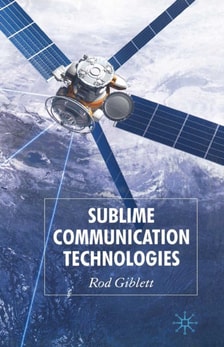
This lively new study is a critical cultural history of communication technologies, from railways and telegraphy to computers and the Internet, in which Rod Giblett argues that these technologies play a pivotal role in the cultural history of modernity and its project of the sublime.
Based on extensive archival research, this book is the first wide-ranging analysis of how memories of the Franco-Prussian War shaped French political culture and identities.
In the twentieth century, glamour has often been associated with the cinema and its stars, though fashion, 'high society', popular music, shopping, glossy magazines and advertising have all sought to harness its allure.
The Writing of Rural England 1500-1800 documents and contextualizes the conflicting representations of rural life during a crucial period of social, economic and cultural change.
By scrutinizing the major Victorian political thinkers' perceptions and representations of France this book shows how comparisons with the country on the other side of the Channel, its politics, civilization, and the French 'national character' contributed to nineteenth-century Britain's self-definition.
The first detailed examination of the place of pop music film in British cinema, Stephen Glynn explores the interpenetration of music and cinema in an economic, social and aesthetic context through case studies ranging from Cliff Richard to The Rolling Stones, and from The Beatles to Plan B.
The Sculpture Machine portrays the dramatic revolution in bodily representation, ideas and pleasures that characterized the century encompassing the twilight of Romanticism and the dawn of Totalitarianism.
Documenting an audacious Franco-German movement for moral disarmament, instigated in 1921 by war veteran and French Catholic politician Marc Sangnier, in this transnational study Gearoid Barry examines the European resonance of Sangnier's Peace Congresses and their political and religious ecumenism within France in the era of two World Wars.
A fascinating account which discusses the indigenous peoples at the Cape at the time of the Dutch colonisers' arrival through to the years of apartheid.