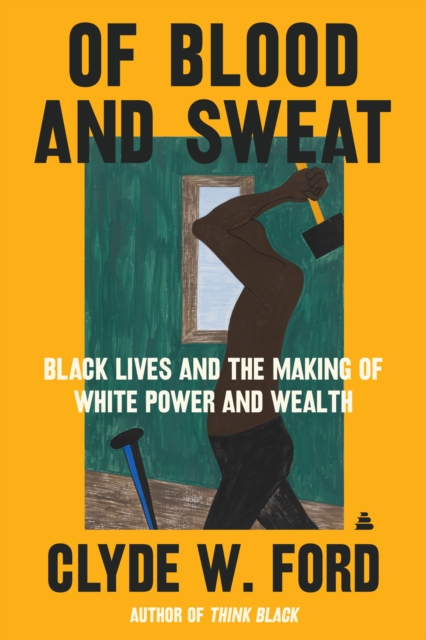
Fords overlap of past and present, narrative and commentary is masterful, and makes this volume all the more valuable to those readers wise enough to allow the past to inform the future.
Ranging from chattel slavery, through the New Deal to the Covid pandemic, a groundbreaking work thatinvestigateshow pivotal decisions have established and perpetuated discriminatory practices, even as the rise of disinformation and other modern advertising techniques have plunged democracy into an ever-deepening crisis.
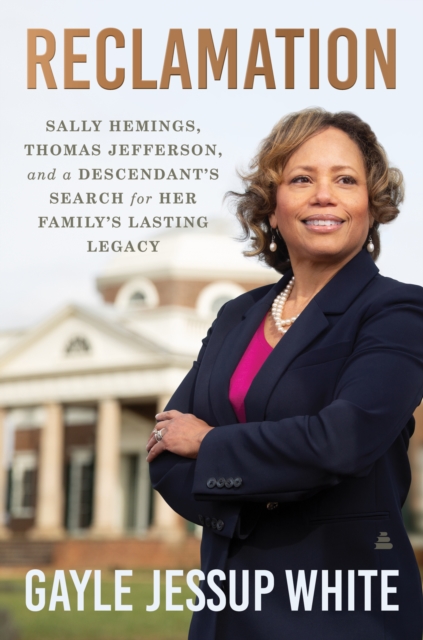
A Black descendant of Thomas Jefferson and Sally Hemings family explores Americas racial reckoning through the prism of her ancestorsboth the enslaver and the enslaved.
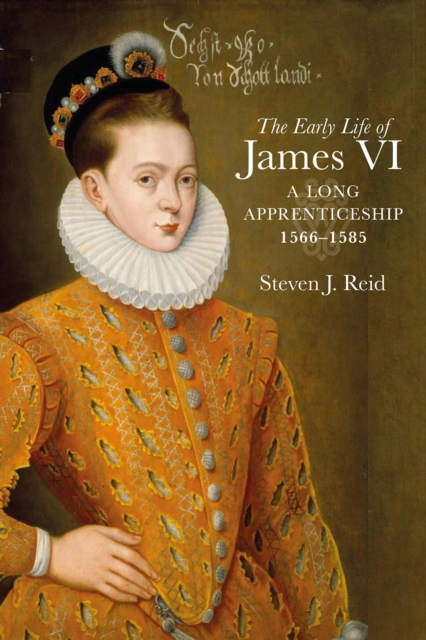
Shortlisted for the Saltire Society Scottish History Book of the Year AwardJames VI and I was arguably the most successful ruler of the Stewart Dynasty in Scotland, and the first king of a united Great Britain.
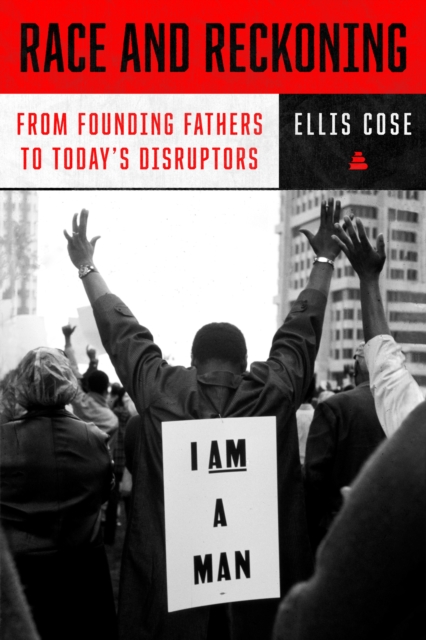
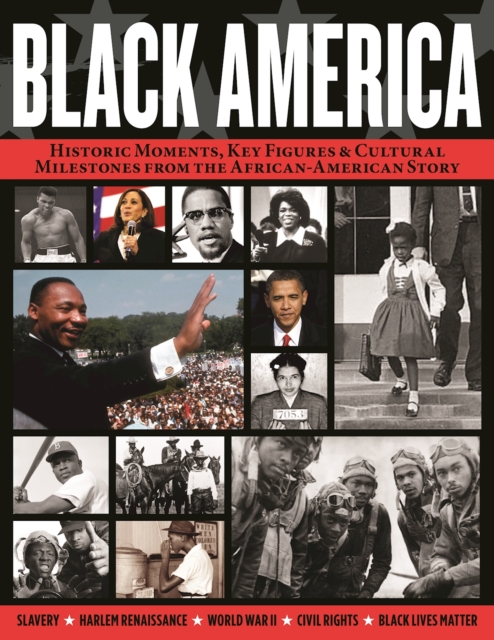
From slavery through the election of Vice President Kamala Harris, here is the history of Black America told through striking photographs and compelling narrative that captures many of the key joys, struggles and milestones.
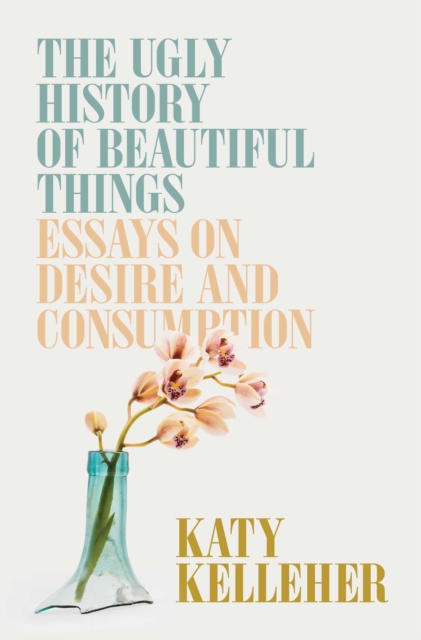
Paris Review contributor Katy Kelleher explores our obsession with gorgeous things, unveiling the fraught histories of makeup, flowers, perfume, silk, and other beautiful objects.
Rassistisches Wissen über »Ausländer« verschwand nicht in der »Stunde Null« 1945, sondern prägte die sich formierende Einwanderungsgesellschaft grundlegend.
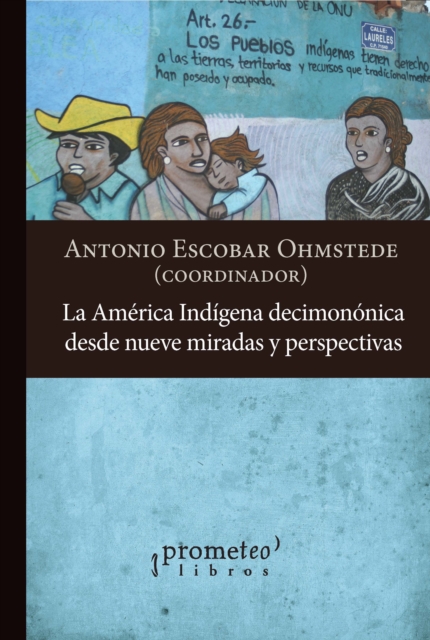
La América Indígena decimonónica desde nueve miradas y perspectivas viene a sumarse a una historiografía latinoamericanista que busca encontrar en lo comparativo procesos que afectaron a aquellos países que cuentan con un alto porcentaje de población indígena en sus territorios.
Riding With Cochise brings the violent drama of the American Southwest to life through the eyes of the legendary Apache chieftain Cochise and three other tribal leaders, Geronimo, Victorio, and Mangas Coloradas.
Von der Oder bis Sibirien, von der Krim bis zum Baltikum – zum ersten Mal wird der osteuropäische Kulturraum insgesamt ins Auge gefasst, ja nachgerade neu entdeckt: Jacob Mikanowski entwirft das Panorama einer ungemein reichen Welt, die dem Westen stets fremd war und zugleich starke Impulse gab – sei es in Musik und Kunst um 1900, in der Erfindung des Nationalismus oder im jüdischen Leben.
The History of the Women's Suffrage: The Origin of the Movement (Illustrated Edition) is a seminal anthology that captures the diverse literary styles and profound themes associated with the early days of the women's rights movement.
A fascinating history of marginalized identities in the medieval worldWhile the term "e;intersectionality"e; was coined in 1989, the existence of marginalized identities extends back over millennia.
In this history of roads and what they have meant to the people who have driven them, one of Britain's favourite cultural historians reveals how a relatively simple road system turned into a maze-like pattern of roundabouts, flyovers, and spaghetti junctions.
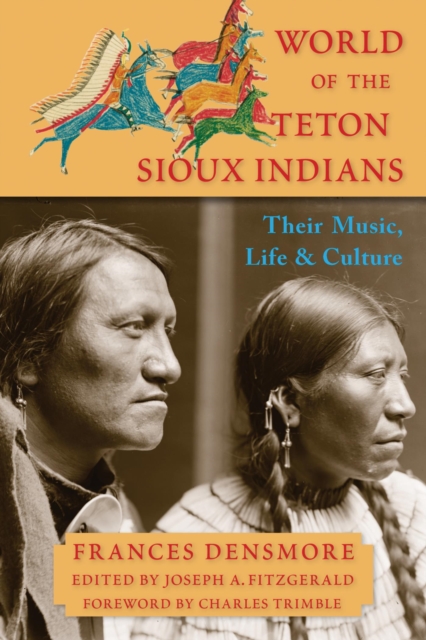
Sometime in August 1913, two Sioux warriors, Old Buffalo and Swift Dog, met with Frances Densmore at a makeshift recording site in McLaughlin, South Dakota.
Hard seltzer is a booming category in the world of lifestyle beverages and many craft brewers are lending their artisanal skills to this refreshing beverage.
The Brewers Association's Guide to Starting Your Own Brewery distills the wisdom of craft brewing veteran Dick Cantwell into one text that delivers essential industry insight.
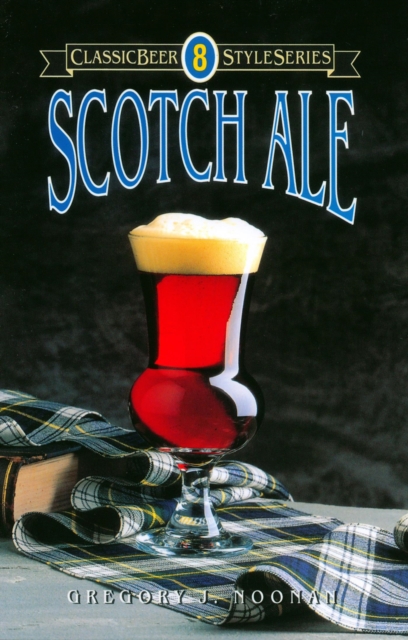
In Scotch Ale, Greg Noonan presents keen insights into yeast, hops, malts, water and brewing conditions that will help you achieve a superior batch of Scotch ale.
Eric Warner, one of Americas foremost brewers of German beer, unravels the story behind Klsch and shares tried-and-true recipes and brewing techniques.
The first complete history of US industry's most influential and controversial lobbyistFounded in 1895, the National Association of Manufacturers-NAM-helped make manufacturing the basis of the US economy and a major source of jobs in the twentieth century.
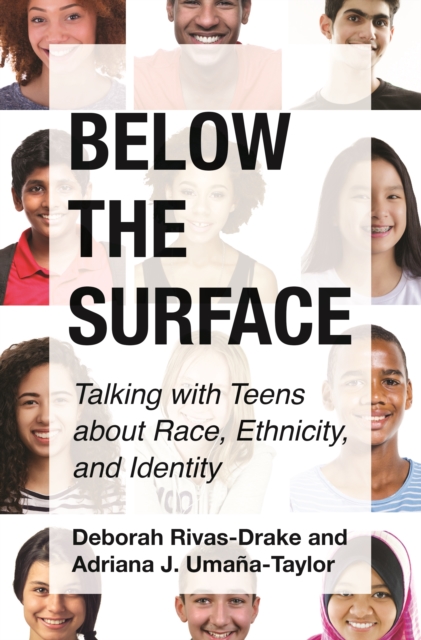
A guide to the latest research on how young people can develop positive ethnic-racial identities and strong interracial relationsToday's young people are growing up in an increasingly ethnically and racially diverse society.
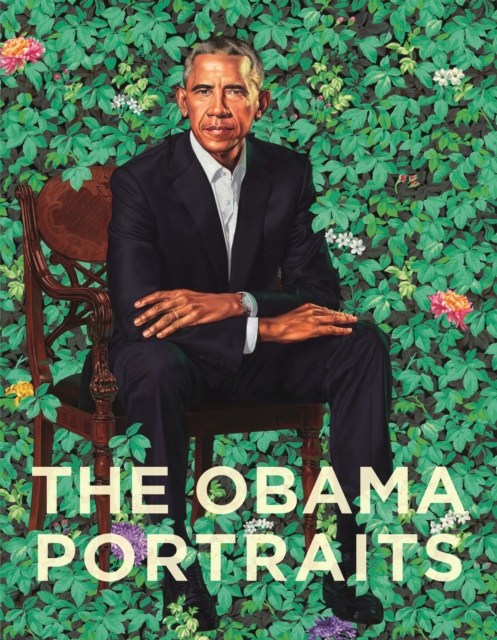
A richly illustrated celebration of the paintings of President Barack Obama and First Lady Michelle Obama From the moment of their unveiling at the National Portrait Gallery in early 2018, the portraits of Barack and Michelle Obama have become two of the most beloved artworks of our time.
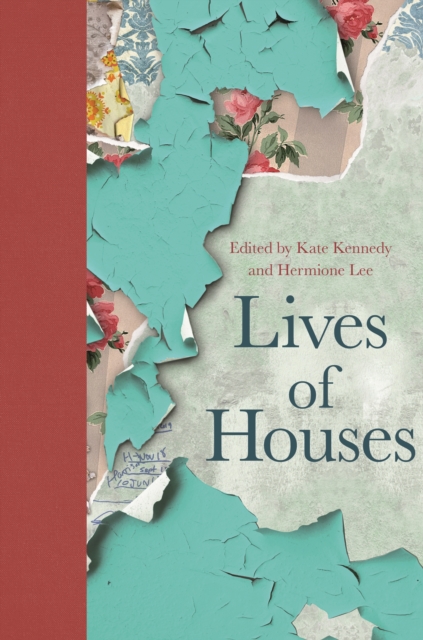
Notable writers-including UK poet laureate Simon Armitage, Julian Barnes, Margaret MacMillan, and Jenny Uglow-celebrate our fascination with the houses of famous literary figures, artists, composers, and politicians of the pastWhat can a house tell us about the person who lives there?
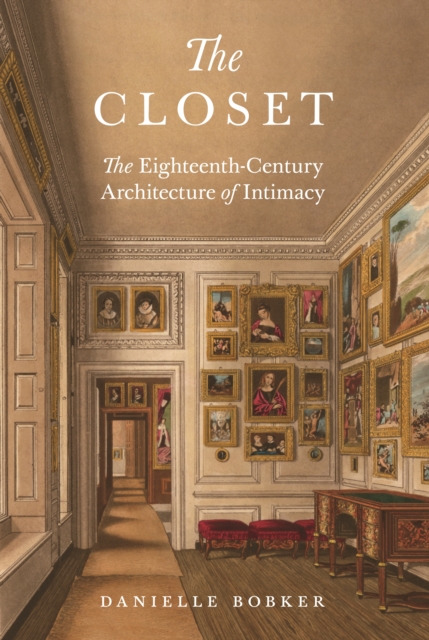
A literary and cultural history of the intimate space of the eighteenth-century closet-and how it fired the imaginations of Pepys, Sterne, Swift, and so many other writers Long before it was a hidden storage space or a metaphor for queer and trans shame, the closet was one of the most charged settings in English architecture.