'A rich and readable account of left-wing activism in the West and opposition to Soviet-style communism in the East' Katja Hoyer, The Spectator'A dream, perhaps, but one that still sounds worth fighting for, even beautiful' Stuart Jeffries, The Observer'An ambitious and masterly account of utopian protest in Europe .
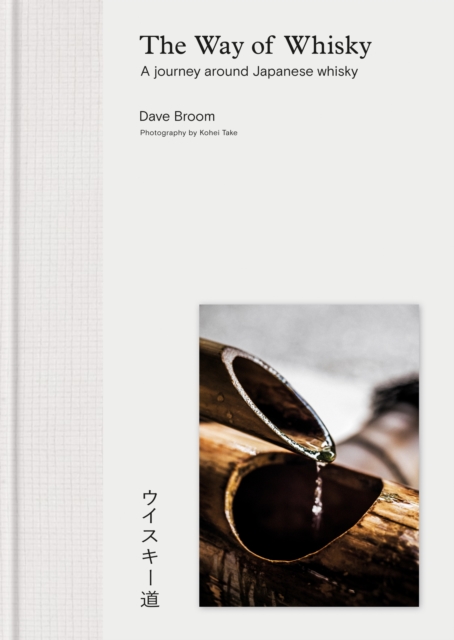
In this beautifully crafted narrative, award-winning writer Dave Broom examines Scotch whisky from the point of view of its terroir - the land, weather, history, craft and culture that feed and enhance the whisky itself.
"e;As comprehensive as it gets"e; THE NEW YORK TIMESA tequila revolution is taking place, with more and more people learning to appreciate the rich culture, craft and flavour to be found in this unique spirit.
From BBC television and radio presenter Amber Butchart, The Fashion Chronicles is an exploration of 100 of the most fascinating style stories ever told.
The 007 official cocktail book - created in association with the Ian Fleming EstateExplore Bond creator Ian Fleming's writings on the pleasures of drinking and sample 50 delicious cocktail recipes inspired by his work - developed by award-winning bar Swift.
Winner of Fortnum & Mason Food and Drink Awards Drink Book Award 2019Shortlisted for the Andr Simon Drinks Book of the Year Award'Masterfully written, beautifully photographed' Nigel SlaterThis journey to the world's finest teas, captured in extraordinary photography, brings alive the aroma, taste and texture of this drink in all its many nuances, and will give connoisseurs and casual readers alike a much deeper understanding of how great tea is created.
We've trawled the globe and pulled together a compendium of quirky happenings, anniversaries, birthdays and traditional events and, using our vast knowledge of the cocktail world, paired each one with an appropriate cocktail.
The anticipated follow-up to GQ Eats, this ultimate drinks book features creations from bar legends such as Salvatore Calabrese as well as innovative mixes from new talent from the UK's best bars.
A comprehensive intellectual history of the idea of the WestHow did ';the West' come to be used as a collective self-designation signaling political and cultural commonality?
A SUNDAY TIMES BEST FILM AND THEATRE BOOK OF 2022'Anyone in love with the arts will fall in love with this beautifully written and fascinating book' Kathy BurkeAstonish Me!
'Turner's seductive blend of political analysis, social reportage and cultural immersion puts him wonderfully at ease with his readers' David Kynaston'Reading Alwyn Turner's account of life in the first two decades of the 21st century is a bit like trying to recall a dream from three nights ago .
A NEW YORK TIMES TOP 100 BOOK OF THE 21ST CENTURY WINNER OF THE NATIONAL BOOK CRITICS CIRCLE AWARDSHORTLISTED FOR THE JAMES TAIT BLACK PRIZE 2020'Exhilarating .
THE TOP 10 SUNDAY TIMES BESTSELLER A NEW YORK TIMES NOTABLE BOOK OF THE YEARONE OF BARACK OBAMA'S TOP BOOKS OF THE YEARShortlisted for The Orwell Prize 2020Shortlisted for the FT Business Book of the Year Award 2019 'Easily the most important book to be published this century.
A Financial Times Book of the YearThough we might not realise it, our collective memory of the twentieth century was defined by the poets who lived and wrote in it.
Longlisted for the Jhalak Prize 2021A TIME Magazine Must-Read Book of 2020Shortlisted for the Katharine Briggs Award 2020'Deirdre Mask's book was just up my Strasse, alley, avenue and boulevard.
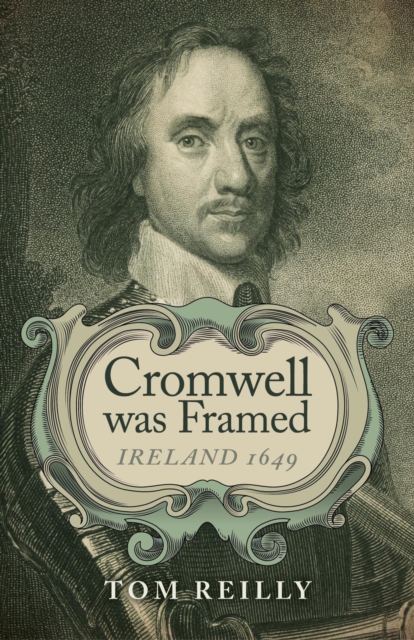
Revealed: The definitive research that proves the Irish nation owes Oliver Cromwell a huge posthumous apology for wrongly convicting him of civilian atrocities in 1649.
1914 dawned with Britain at peace, albeit troubled by faultlines within and threats without: Ireland trembled on the brink of civil war; suffragette agitation was assuming an ever more violent hue; and suspicions of Germany's ambitions bred a paranoia that was expressed in a rash of 'invasion scare' literature.