This work investigates a case of political persecution that occurred over 50 years ago (the Wang case), but which still raises profound issues for the relationship between revolutionary regimes and the intellectuals who serve them.
This work investigates a case of political persecution that occurred over 50 years ago (the Wang case), but which still raises profound issues for the relationship between revolutionary regimes and the intellectuals who serve them.
Intellectual Horizons offers a pioneering, transnational and comparative treatment of key thematic areas in the intellectual and cultural history of Central and Eastern Europe in the twentieth century.
Intellectual Horizons offers a pioneering, transnational and comparative treatment of key thematic areas in the intellectual and cultural history of Central and Eastern Europe in the twentieth century.
This book uses an interdisciplinary approach to chart how various forms of violence - domestic, military, legal and political - are not separate instances of violence, but rather embedded in structural inequalities brought about by colonialism, occupation and state violence.
This book uses an interdisciplinary approach to chart how various forms of violence - domestic, military, legal and political - are not separate instances of violence, but rather embedded in structural inequalities brought about by colonialism, occupation and state violence.
Museums and Mass Violence examines the varied ways in which museums around the world address - or fail to address - the problem of mass violence and severe human rights abuses.
Stalin and War, 1918-1953 is the first book to examine the patterns of radicalized internal violence that characterized the Stalinist regime across the whole of the dictator's rule, and it is one of the only works to connect patterns of internal violence to the dictator's perceptions of war and foreign threat.
'This is Irish history seen anew, from below, bristling with practical lessons for working-class struggle today' - Eamonn McCannThe 32 counties of Ireland were divided through imperial terror and gerrymandering.
Catholics and Political Violence in the Twentieth Century presents a historical reconstruction of the ways in which Catholics have justified the recourse to political violence during the twentieth century, a period marked by major wars, nationalisms, decolonization, ideological clashes, and episodes of genocide.
Violence and Public Memory assesses the relationship between these two subjects by examining their interconnections in varied case studies across the United States, South America, Europe, the Middle East, and Africa.
This book describes the adventures of two young writers, set in the midst of political repression, anti-Semitism and violence during the Latin American dictatorships of Brazil and Argentina in the 60s.
This book describes the adventures of two young writers, set in the midst of political repression, anti-Semitism and violence during the Latin American dictatorships of Brazil and Argentina in the 60s.
***LONGLISTED FOR THE ANDREW CARNEGIE MEDAL******A GUARDIAN GRAPHIC NOVEL OF THE YEAR 2023***Darrin Bell was six years old when his mother told him he couldn't have a realistic water gun.
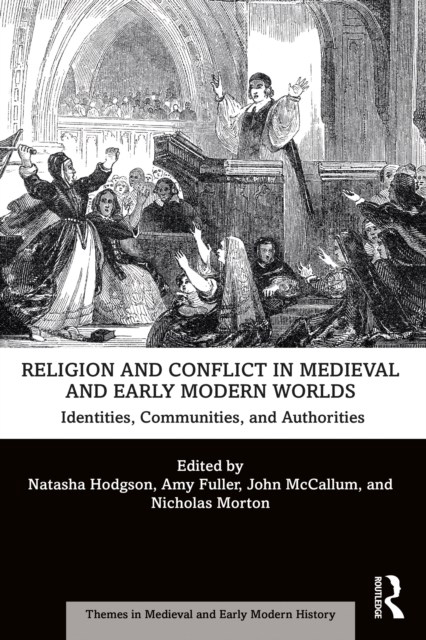
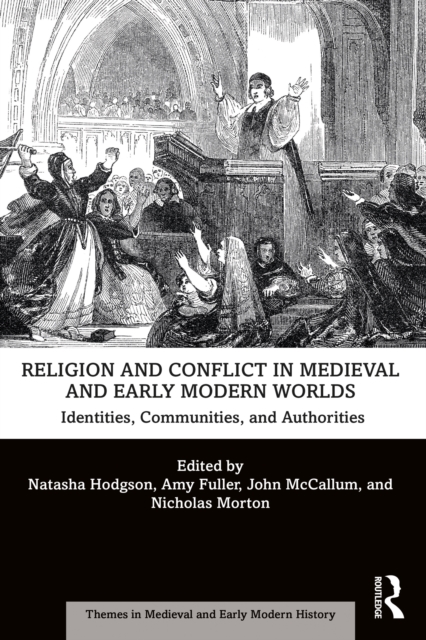
This volume seeks to increase understanding of the origins, ideology, implementation, impact, and historiography of religion and conflict in the medieval and early modern periods.
This volume seeks to increase understanding of the origins, ideology, implementation, impact, and historiography of religion and conflict in the medieval and early modern periods.
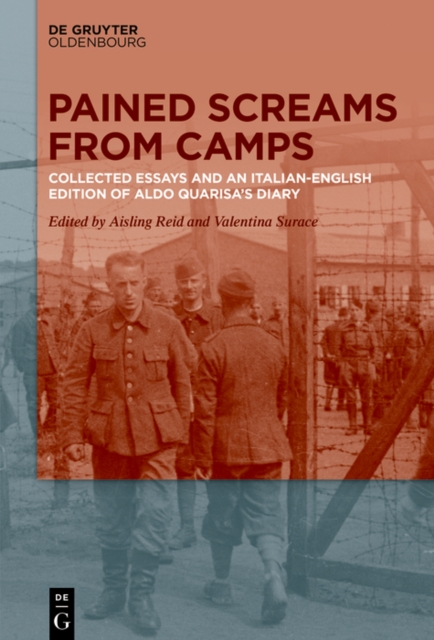
This book-which is based on vast archival research and on a variety of primary sources-has filled a gap in Italy's historiography on Fascism, and in European and world history about concentration camps in our contemporary world.
This book-which is based on vast archival research and on a variety of primary sources-has filled a gap in Italy's historiography on Fascism, and in European and world history about concentration camps in our contemporary world.
This book, first published in 2001, uses key oral histories to confirm and explain the professional and private lives of post-1949 Chinese intellectuals through the focal point of Chen Renbing, a man personally criticised by Mao Zedong.
This book, first published in 2001, uses key oral histories to confirm and explain the professional and private lives of post-1949 Chinese intellectuals through the focal point of Chen Renbing, a man personally criticised by Mao Zedong.
The White Terror was a movement of right-wing militias that for two years actively tracked down, tortured, and murdered members of the Jewish community, as well as former supporters of the short-lived Council Republic in the years following World War I.
The White Terror was a movement of right-wing militias that for two years actively tracked down, tortured, and murdered members of the Jewish community, as well as former supporters of the short-lived Council Republic in the years following World War I.
A thrilling biography of Benito Mussolini's favourite daughter, and a heart-stopping account of the unravelling of the Fascist dream in Italy'Engrossing.
Winner of the National Book Critics Circle Award for NonfictionWinner of the Guardian First Book award'I know few books, fiction or non-fiction, as compelling as Philip Gourevitch's account of the Rwandan genocide' - Sebastian Junger, author of The Perfect Storm'Should be compulsory reading' - The GuardianIn 1994, the Rwandan government orchestrated a campaign of extermination, in which everyone in the Hutu majority was called upon to murder everyone in the Tutsi minority.
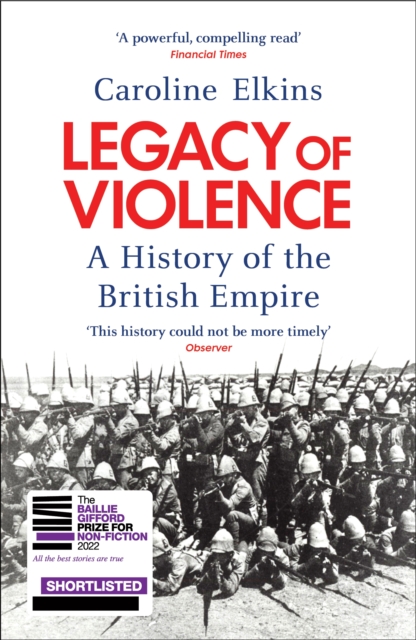
Shortlisted for the Baillie Gifford Prize, a revelatory, fearless history of the British Empire that lays bare its pervasive use of violence throughout the twentieth century.
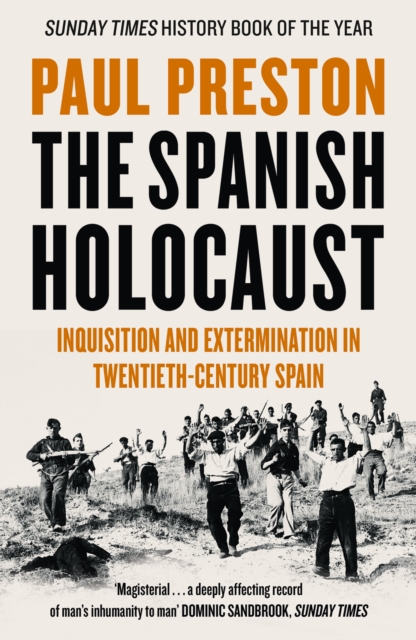
Selected as the Sunday Times History Book of the Year for 2012, this is a meticulous work of scholarship from the foremost historian of 20th-century Spain.
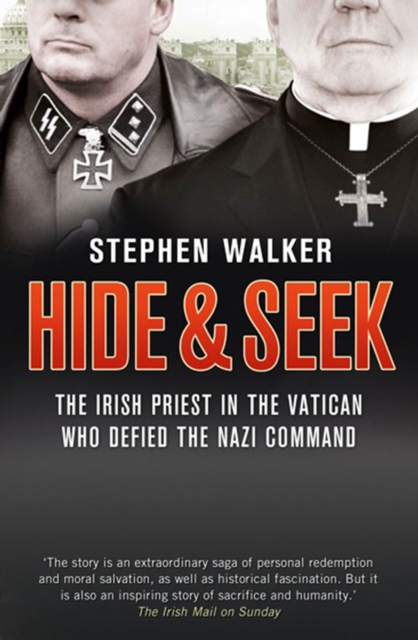
Irish Sunday Times BestsellerA true story of war, peace and friendship: a Nazi colonel and an Irish priestThe story begins in Rome at the outbreak of WWII, when ardent Nazi Herbert Kappler, SS Obersturmbanfuhrer, and Monsignor Hugh O'Flaherty would become adversaries in a real-life game of 'cat and mouse' of epic proportions.
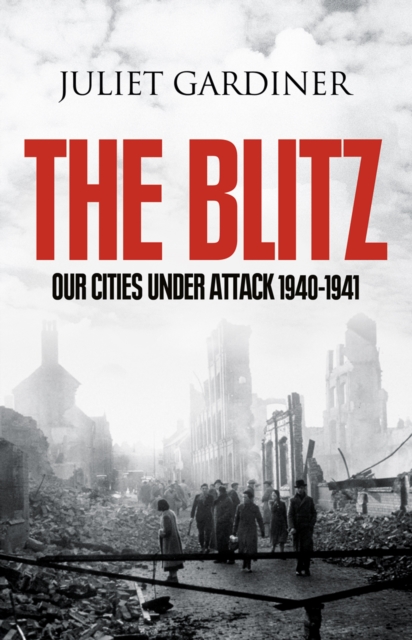
In a series of powerful accounts drawn from diaries, letters, sound archives and interviews recorded during the period of devastation, discovery and transformation that make the blitz such an outstanding event in Britain's recent past, "e;The Blitz"e; brings to life the intense experiences, as they happened all over Britain.
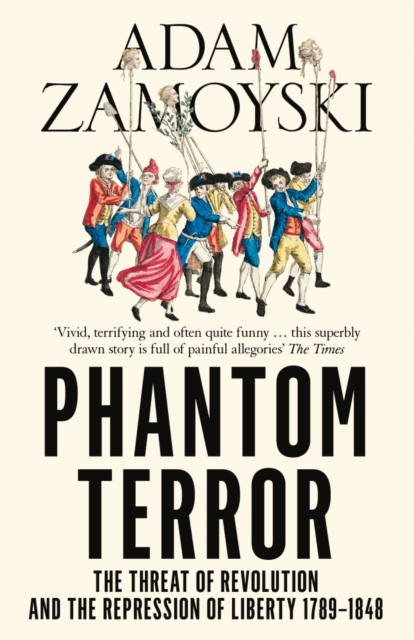
A magnificent and timely examination of an age of fear, subversion, suppression and espionage, Adam Zamoyski explores the attempts of the governments of Europe to police the world in a struggle against obscure forces, seemingly dedicated to the overthrow of civilisation.
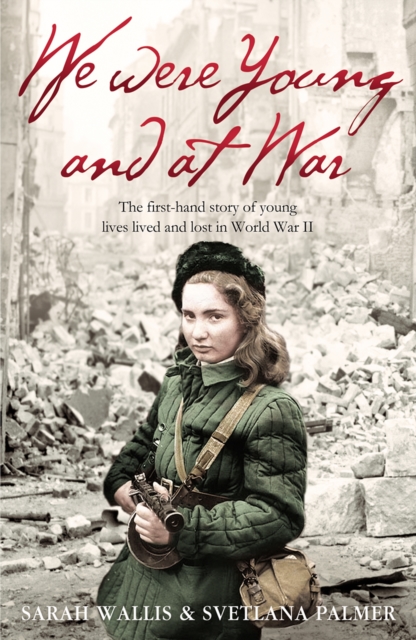
Never before have the diaries and letters of young people from all sides of World War Two been woven together to provide an account of what it was like to grow up amidst the daily struggles and horrors of this devastating war.