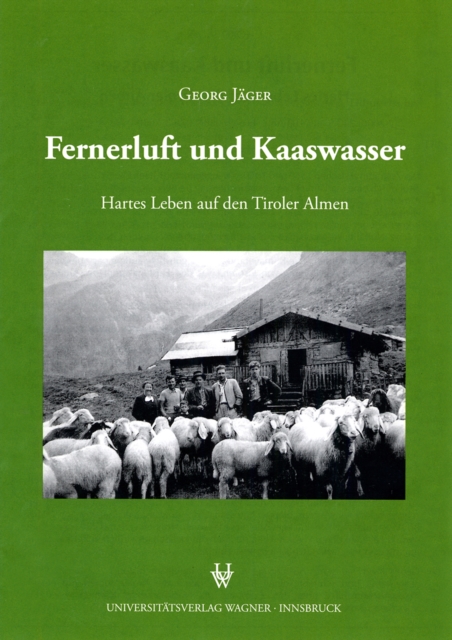
LEBEN UND ÜBERLEBEN IM "LAND IM GEBIRGE" IN FRÜHEREN ZEITEN Dieser reich illustrierte historische Streifzug durch das Tiroler Almleben früherer Jahrhunderte erzählt vom Existenzkampf der Menschen in der alpinen Hochweidestufe.
Religiöse Frauengemeinschaften vom Mittelalter bis in die Gegenwart: Ein Einblick in spirituelle Ideale und realen Alltag des Klosterlebens im Alpenraum.
Ulrich Siegs Inventur der historischen Auseinandersetzungen um den Antisemitismus, seiner Vertreter und seiner Gegner offenbart verstörend aktuelle Muster.
Die Raketenangriffe auf das Atomkraftwerk von Saporischia im Verlauf des Ukraine-Krieges stellen eine Bedrohung für Gesamteuropa dar und erinnern an das Unglück im Kraftwerk Tschernobyl im Jahre 1986.
Isaiah Berlin hat eine Form des ideengeschichtlichen Portrait-Essays ausgebildet, in der philosophischer Skeptizismus, Misstrauen gegen jeden Anspruch auf letzte Wahrheiten und leidenschaftliches Interesse für die Wirkungsmächtigkeit von Ideen zum Ausdruck kommen.
Die Alliierten, der Staat Israel und die Conference on Jewish Material Claims als Interessenvertreter der Millionen ermordeten und geschädigten Juden schlossen 1952 zwischenstaatliche Verträge mit der Bundesrepublik ab, Wiedergutmachung zu leisten.
Hannah Arendts Buch "Elemente totalitärer Herrschaft" führt in die Abgründe der modernen europäischen Geschichte und wird gerade dadurch zum eindringlichsten Appell.
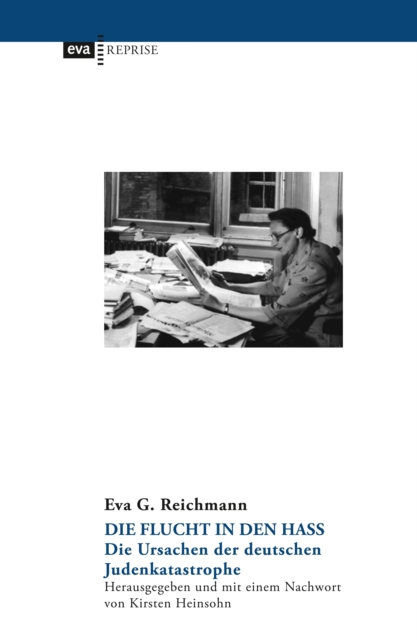
Eva Gabriele Reichmann arbeitete ab 1924 als kulturpolitische Referentin beim 'Centralverein deutscher Staatsbürger jüdischen Glaubens', abgekürzt CV, einer Organisation, die sich um die Rechte deutscher Bürgern jüdischer Herkunft und Religion kümmerte, was seit den 30er Jahren immer notwendiger wurde.
»Bei Arendts Bericht über den Eichmann-Prozeß« handelt es sich »um eine nachgerade apokryphe Schrift […], in der bei weitem mehr abgehandelt wird als der nationalsozialistische Judenmord allein.
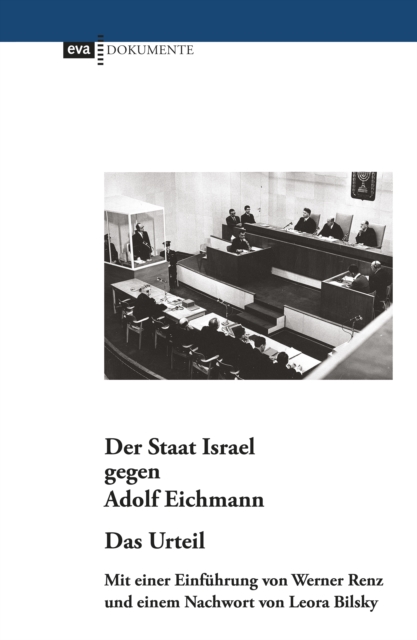
Vor 60 Jahren, im April 1961, begann der spektakuläre Prozess, den der Staat Israel gegen den SS- Obersturmbannführer und Organisator des Holocaust, Adolf Eichmann, führte, und der am 15.
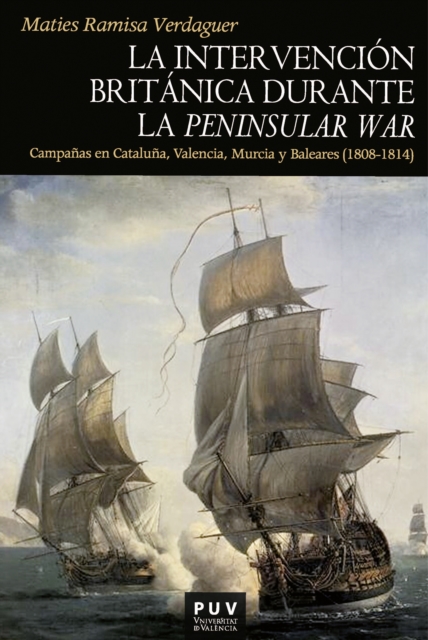
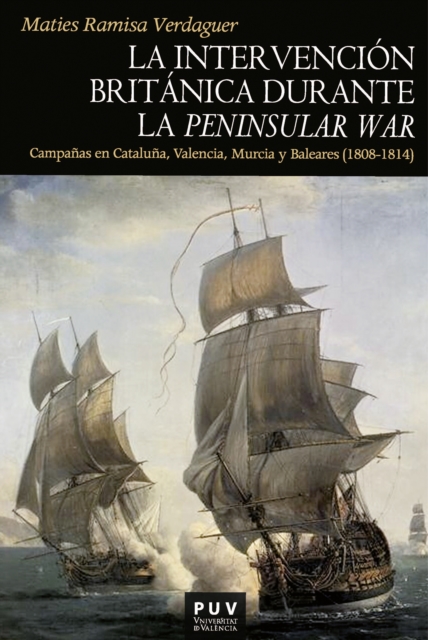
Si bien las campañas de Sir Arthur Wellesley desde Portugal fueron decisivas para lograr la derrota napoleónica en la Guerra de Independencia española, la zona oriental de la península tuvo también un protagonismo importante, ya que desde esta se abasteció de hombres y medios a los ejércitos patriotas que luchaban en el norte y el interior, y en ella, en concreto en Alicante, desembarcó en 1812 una expedición militar anglosiciliana para apoyar la penetración de Wellington hacia el centro peninsular.
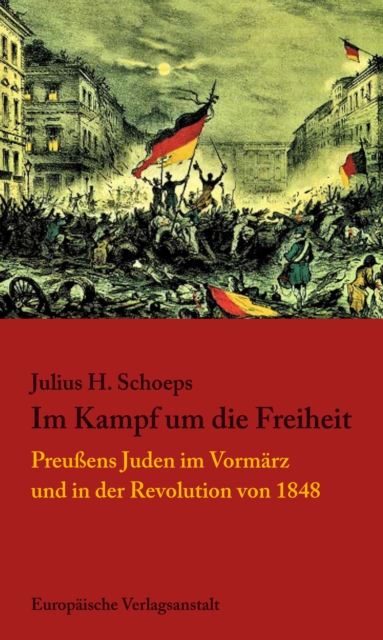
(Deutsch)Preußen und die Juden, die Juden und Preußen – was markierte, was bestimmte ihr gegenseitiges Verhältnis vor dem Hintergrund der epochalen Umbrüche ab dem Ende des 18.
Si bien las campañas de Sir Arthur Wellesley desde Portugal fueron decisivas para lograr la derrota napoleónica en la Guerra de Independencia española, la zona oriental de la península tuvo también un protagonismo importante, ya que desde esta se abasteció de hombres y medios a los ejércitos patriotas que luchaban en el norte y el interior, y en ella, en concreto en Alicante, desembarcó en 1812 una expedición militar anglosiciliana para apoyar la penetración de Wellington hacia el centro peninsular.
En esta obra se presentan los avances analíticos logrados en torno a la infancia como una configuración sociocultural que se reinterpreta en la especificidad de trayectorias biográficas inscritas en un periodo signado por una fuerte intensidad en la modernización del país y que, por ende, es susceptible de ser analizada como una experiencia que se produce entre discursos y contextos delimitados.
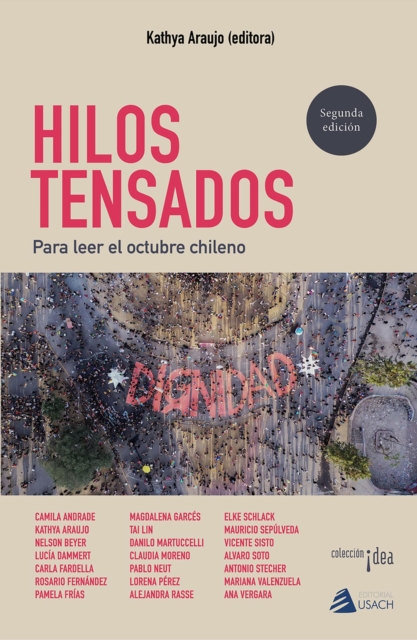
El 18 de octubre 2019 se detonó en Chile un conjunto de eventos que en pocas semanas cuestionaron, en profundidad, muchas de nuestras certidumbres colectivas.
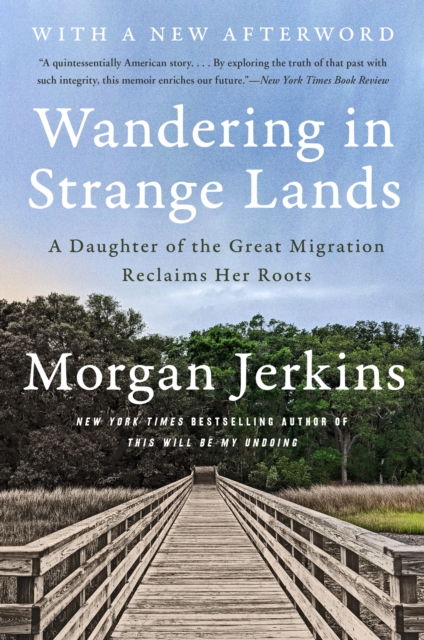
The bestselling author of This Will Be My Undoing journeys to understand her roots, the Great Migration & the displacement of black people across America.
Now in paperback in time for the 60th anniversary of the film version Breakfast at Tiffanys the New York Times bestseller and first-ever complete account of Audrey Hepburn and the making of the film that Janet Maslin called a bonbon of a book filled with delightful anecdotesWith a cast of characters that includes Audrey Hepburn, Truman Capote, and Gerald Clarke, this book offers a slice of social history seen through the lens of one of Americas most iconic films The images of Breakfast at Tiffanys are branded into our collective memory: we can see Audrey Hepburn stepping out of that cab on the corner of 57th and 5th, and we can picture her again with George Peppard, huddled in an alleyway and wrapped in a kiss, as the rain pours down around them.
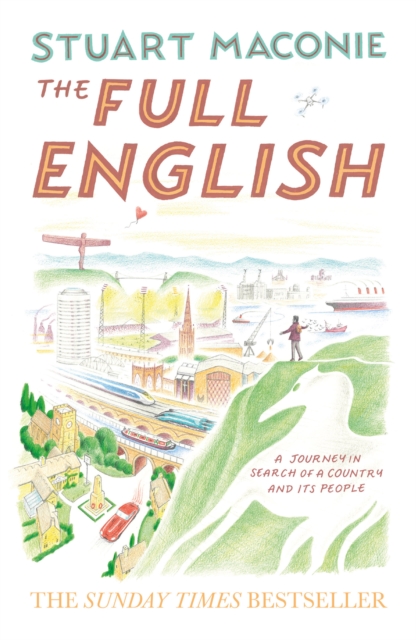
A Sunday Times Book of the Week and Top 10 BestsellerA Times bestsellerA Waterstones Paperback of the Year 2024A Spectator Book of the YearWhat kind of country is England today?
Als der Jude Heinz Magnus während des Zweiten Weltkrieges vor den Nationalsozialisten von Hamburg nach Argentinien flieht, ahnt er nicht, wer ihm dort begegnen wird: Nazis.
'With originality and subtlety, Diarmuid Hester examines how the gay imagination deals with place and with displacement, allowing for mystery and a kind of magic' Colm Toibin'Hester is a fizzingly brilliant writer' Robert Macfarlane'Haunted and haunting - totally riveting' Chris KrausAt the turn of the century, in the shade of Cambridge's cloisters, a young E.
Dass ein bestimmter Geschmack oder ein spezieller Geruch eine ganze Dominokette an Erinnerungen auslösen kann, dass das Gedächtnis eine sinnliche Erfahrung speichert und mit bestimmten Gefühlen verknüpft, ist in der Literatur oft beschrieben worden.
Von Spottversen und Satiren über Karneval, Theater und Akrobatik bis hin zu Schaukämpfen, Quizzen und den Vorformen von Fußball und Tennis: Die italienische Renaissance war besessen von Spiel und Wettbewerb.
Al finalizar el siglo XIX, Colombia asistió a un tímido proceso de modernización material traducido en el estímulo a algunos tramos ferroviarios, líneas de comunicación y ferrerías.
THE INTERNATIONAL BESTSELLERA TIMES BEST MEMOIR OF 2023'Grippingly vivid and pacey' THE TIMES'A seven-year old girl on a seventy-foot yacht, for ten years, over fifty thousand miles of sailing' SIMON WINCHESTER'An astonishing almost day-by-day account of [a] hazardous journey and its legacy' TELEGRAPH'This is a story of an epic childhood journey, so exciting and so shocking it is hard to know whether you're reading about a dream or a nightmare.
Discover the powerful and unforgettable story of female resistance from the New York Times bestselling author, inspired by real events'Code Name Sapphire will break your heart and, at the same time, remind you of the courage and resilience of the human spirit' Kristin HarmelA train bound for Auschwitz.
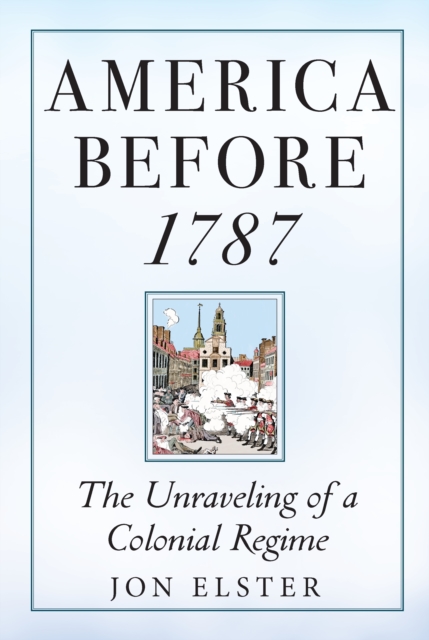
An original account, drawing on both history and social science, of the causes and consequences of the American RevolutionWith America before 1787, Jon Elster offers the second volume of a projected trilogy that examines the emergence of constitutional politics in France and America.
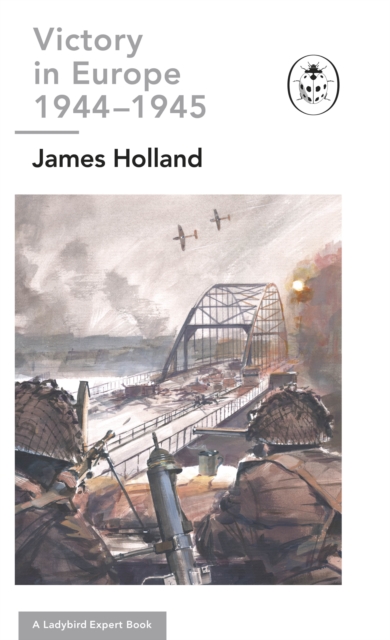
BOOK 11 OF THE LADYBIRD EXPERT HISTORY OF THE SECOND WORLD WAR, FROM AWARD-WINNING HISTORIAN JAMES HOLLANDFeaturing stunning illustrations from Keith Burns, bringing the story to life in vivid detailWhat was Operation Bagration?
An anthology of original essays that examine white supremacy around the globe through the lens of anthropologyWhite supremacy, an entrenched global system that emerged alongside European colonialism, is based on presumed biological and cultural differences, racist practices, the hypervaluation of whiteness, and the devaluation of nonwhites.