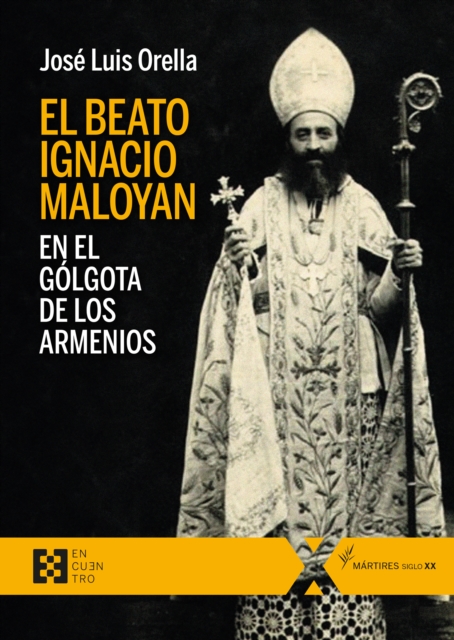
El beato Ignacio Maloyan, arzobispo de Mardin (Turquía), martirizado en 1915, es uno de los seis obispos armenios católicos que fueron víctimas del genocidio armenio en las primeras décadas del siglo XX.
Nueva versión, muy ampliada, de El privilegio catalánHe aquí la explosiva situación actual: un golpe de Estado todavía latente, unos gobernantes separatistas que proclaman casi diariamente su intención de volver a dar otro en cuanto puedan y cientos de miles de catalanes en constante agitación debido a que la intoxicación mediática ha conseguido convencerles de que los políticos procesados por vulnerar el código penal son presos políticos, encarcelados por su ideología.
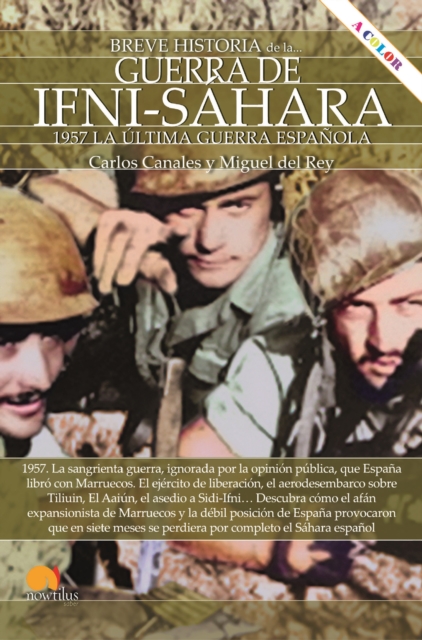
A mediados del siglo XX, Marruecos desarrolló un afán expansionista que supo aprovechar la débil posición internacional de España para arrebatarle en apenas siete meses el Sahara español.
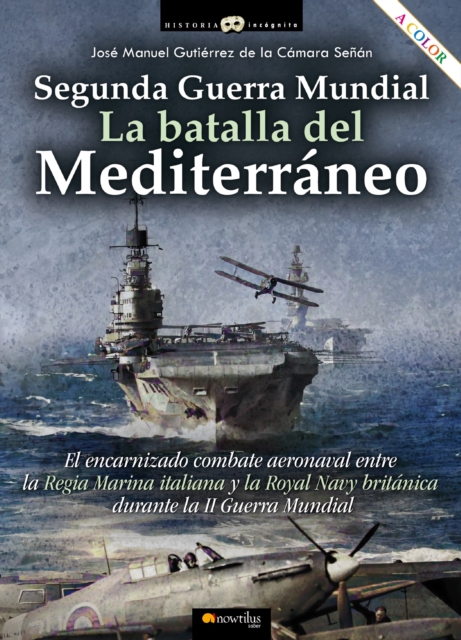
Operación Pedestal, Operación Antorcha y Operación Dragón: el mayor enfrentamiento naval de la historia entre la Regia Marina italiana y la Royal Navy británica por el control del Mediterráneo y el norte de África durante la II Guerra Mundial.
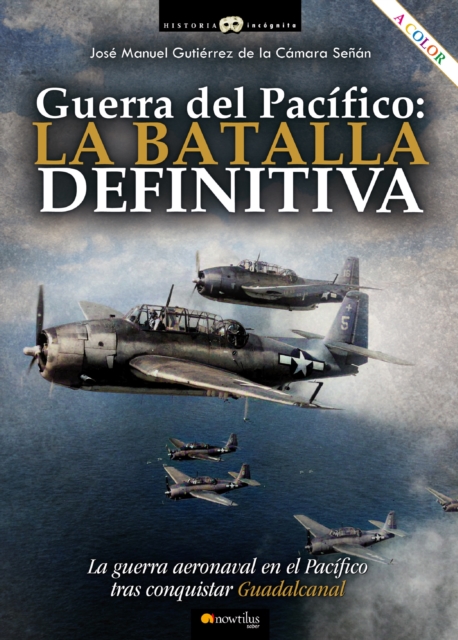
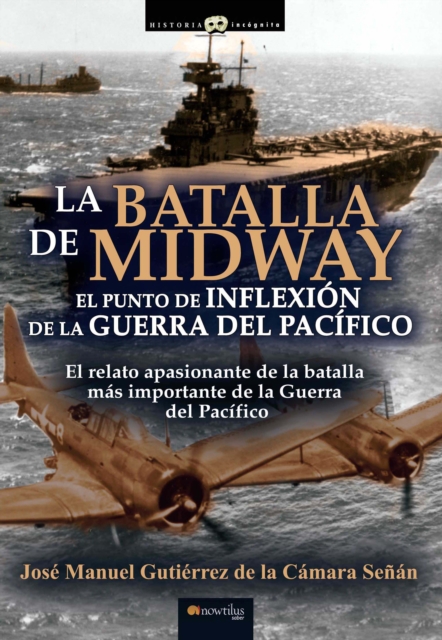
La guerra aeronaval en el Pacífico tras conquistar Guadalcanal: desde las Salomon, las Marianas y Saipán -la mayor batalla de portaviones de la Historia- hasta Iwo Jima, Okinawa y la rendición final del Japón.
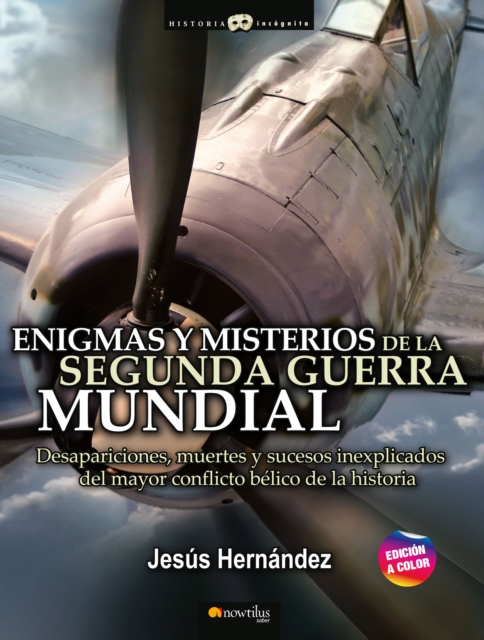
"Enigmas y misterios de la Segunda Guerra Mundial" es una apasionante recopilación de sucesos inexplicados, misteriosas desapariciones, enigmáticos espías, y otros hechos desconocidos de la mayor contienda de la historia de la humanidad tratados con rigor histórico y amenidad.
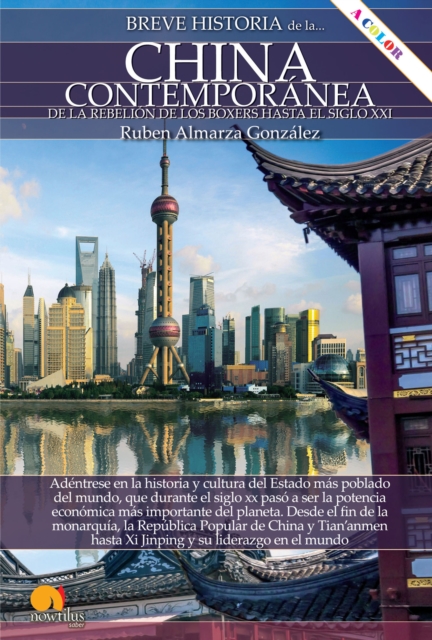
Adéntrese en la historia y cultura del estado más poblado del mundo, que durante el siglo XX pasó de la dinastía Qing a ser la potencia económica más importante del planeta.
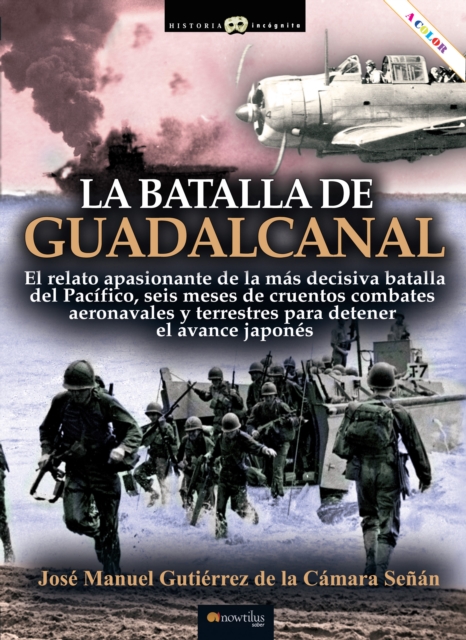
El relato apasionante de la estrategia y tácticas de la última y decisiva campaña del Pacifico, 6 meses de cruentos combates aeronavales para detener el avance Japonés.
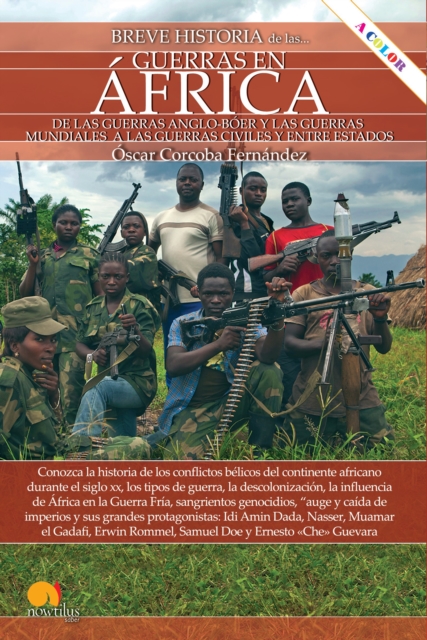
Adéntrese en un mundo de conflictos bélicos, batallas y sangrientos genocidios, auge y caída de imperios: Idi Amin Dada, Nasser, Muamar el Gadafi, Erwin Rommel, Samuel Doe, Ernesto Che Guevara.
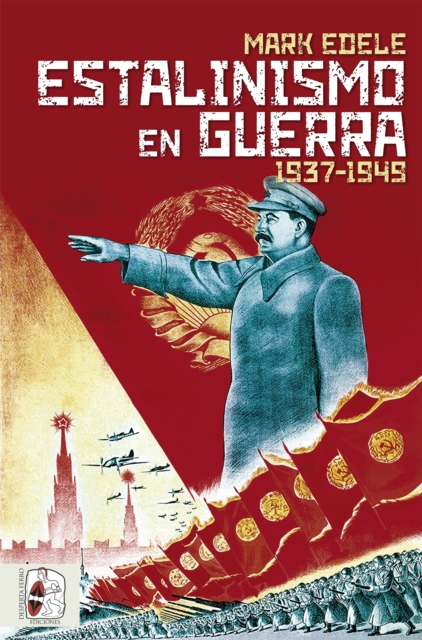
Del estallido de las hostilidades con Japón en Manchuria a la Guerra de Invierno con Finlandia, de los albores de la Segunda Guerra Mundial en el este de Europa a la devastación de la invasión alemana, del inexorable avance hasta las mismísimas ruinas de Berlín a la sangrienta contrainsurgencia en las fronteras de Ucrania, Bielorrusia y los países bálticos, la experiencia bélica de la Unión Soviética de Stalin fue mucho más larga, extensa y compleja de lo que tradicionalmente se ha considerado.
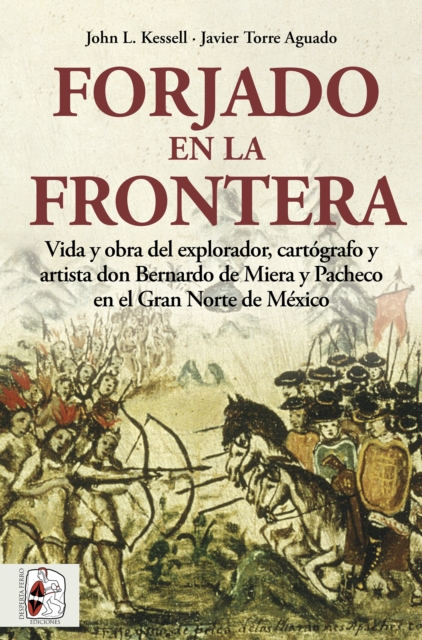
El Gran Norte es la región más inhóspita de lo que hoy conocemos como el Oeste americano, una región donde las abruptas cadenas montañosas se alternan con altiplanos desérticos de magnitud inconmensurable, la frontera norte del vasto imperio español en América, una auténtica Terra Incognita.
Mientras Berlín se iluminaba fantasmagóricamente con las piras donde ardían libros prohibidos, los nazis llevaban a cabo un crimen cultural de proporciones aún mayores.
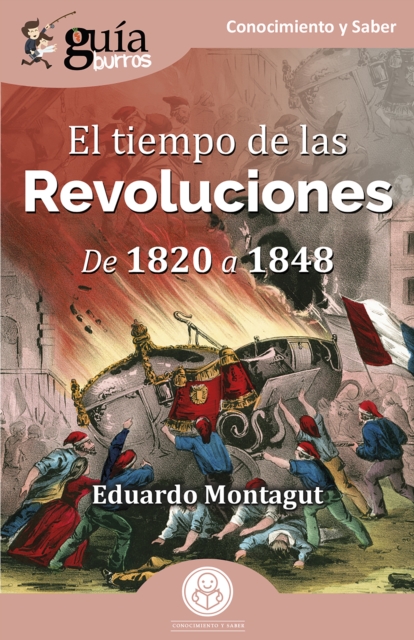
Este libro es un estudio del intenso período de las Revoluciones en Europa entre 1820 y 1848, unos episodios clave para entender la historia posterior.
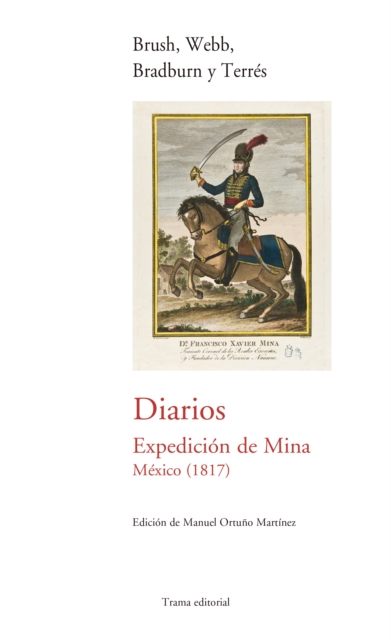
Xavier Mina decidió en 1817 organizar una Expedición militar internacional –una de las primeras intervenciones exteriores en un conflicto interno– en apoyo del general Jose María Morelos, jefe de la insurgencia mexicana.
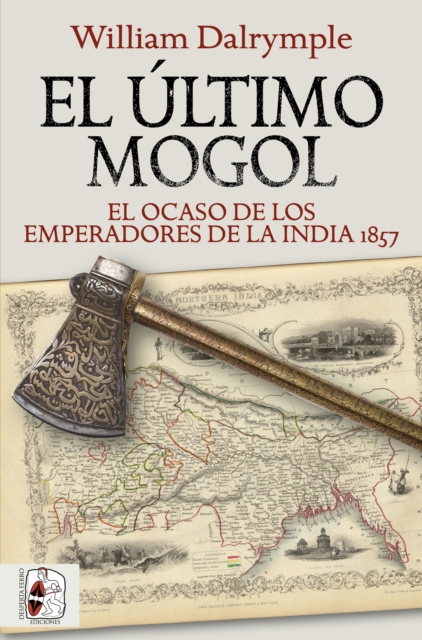
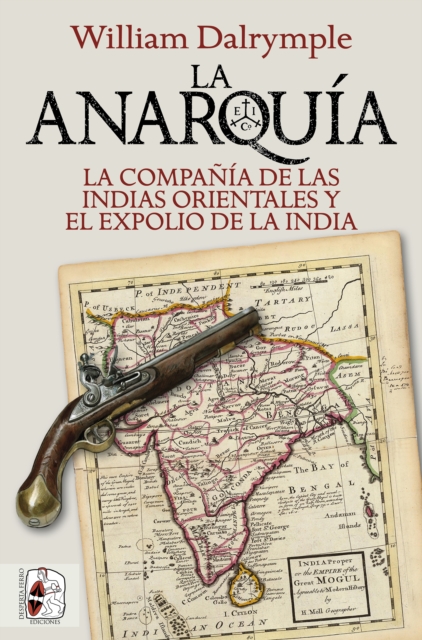
Una lóbrega tarde de noviembre de 1862, un rústico féretro recibía sepultura en medio de un escalofriante silencio, sin lamentos ni panegíricos por orden expresa del comisionado británico: «No debe quedar rastro que distinga el lugar donde descansen los restos del último mogol».
En 1765, la Compañía de las Indias Orientales derrocó al joven emperador mogol y puso en su lugar un gobierno controlado por mercaderes ingleses que extorsionaba impuestos merced a su ejército privado.
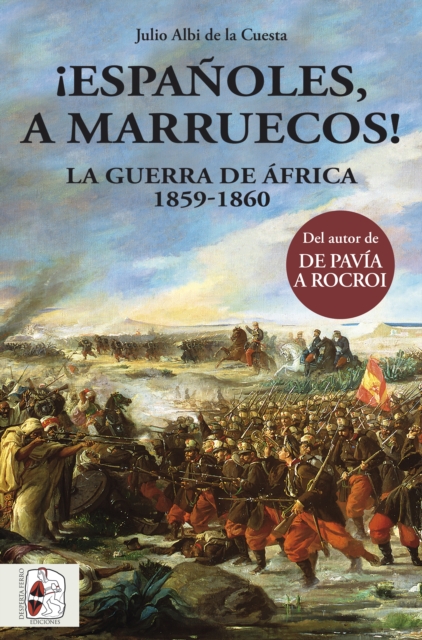
Cargas de coraceros con refulgentes cascos metálicos; agrestes cabileños, de chilabas rayadas; lanceros con multicolores banderolas; la legendaria Guardia Negra, azul y roja; audaces cornetas, casi niños; bellas hebreas; presidiarios encadenados, como salidos de Los miserables; húsares, blancos y celestes; aérea caballería marroquí, envuelta en jaiques fantasmales; misteriosas ciudades santas; arias de Bellini cantadas a la luz de las hogueras por oficiales sentimentales; zocos abigarrados; curtidas cantineras vestidas a la amazona, revólver en cinto; Prim tonante, en los Castillejos; caravanas ondulantes de camellos; ataques a la bayoneta con banderas desplegadas, al compás de músicas y charangas.
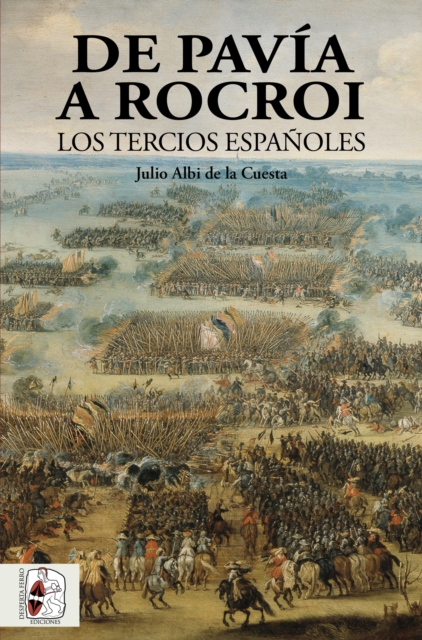
"Es una magnífica noticia que se rescate este clásico, porque De Pavía a Rocroi es una obra maestra, imprescindible en toda buena biblioteca histórica.
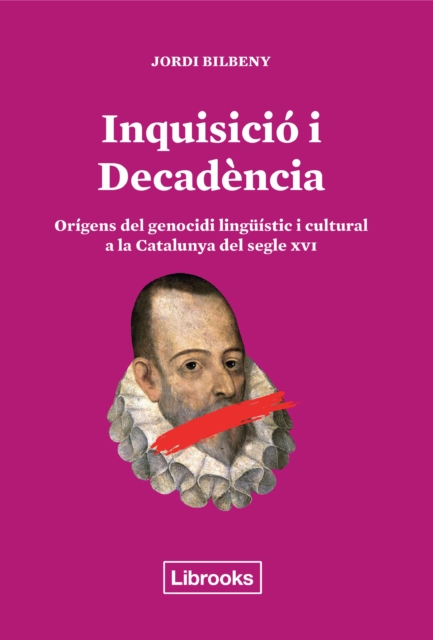
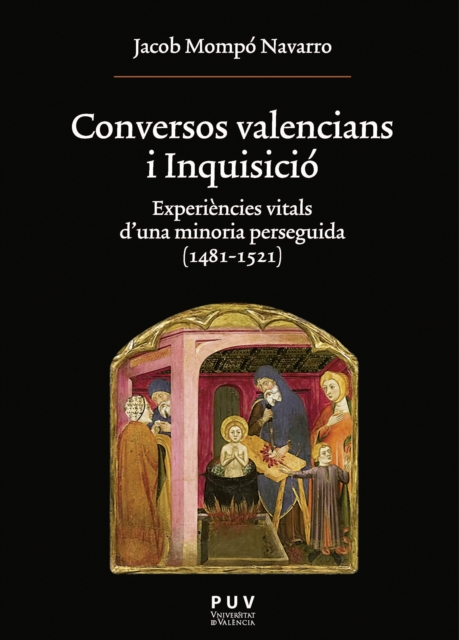
A tombants dels segles XV i XVI, el català (juntament amb el llatí) era la llengua hegemònica en la producció editorial, la cultura i les lleis a les ciutats de Barcelona i València.
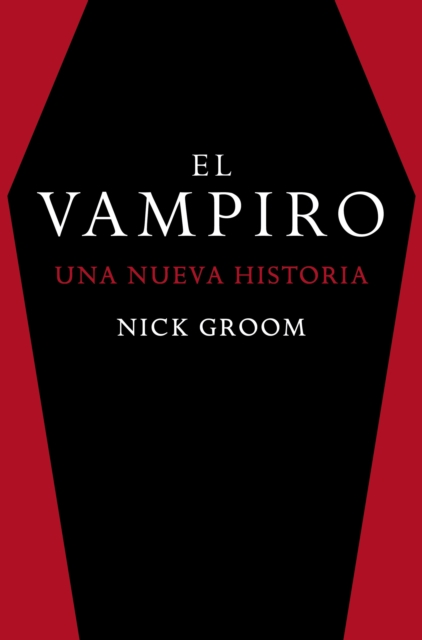
Tres siglos después de que un brote vampírico aterrorizara a la Europa central y dos siglos después de que el The Vampyre de Polidori irrumpiera en la escena literaria, llega esta nueva historia acerca del vampiro, que rastrea sus orígenes hasta un momento y un lugar: 1725, en las fronteras orientales del Imperio de los Habsburgo.
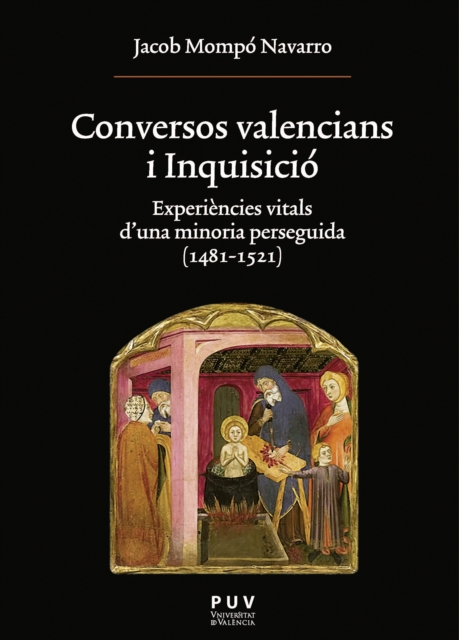
L'odi religiós, que ha protagonitzat massa vegades la història de la civilització, ha marcat la història dels jueus, com és sabut, amb reiterades friccions amb els poders fàctics.
L'odi religiós, que ha protagonitzat massa vegades la història de la civilització, ha marcat la història dels jueus, com és sabut, amb reiterades friccions amb els poders fàctics.
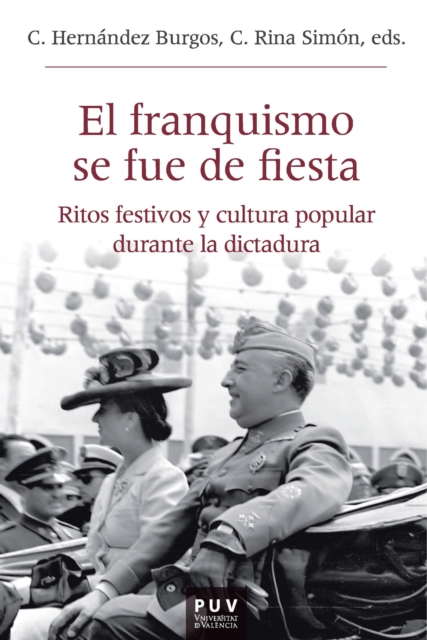
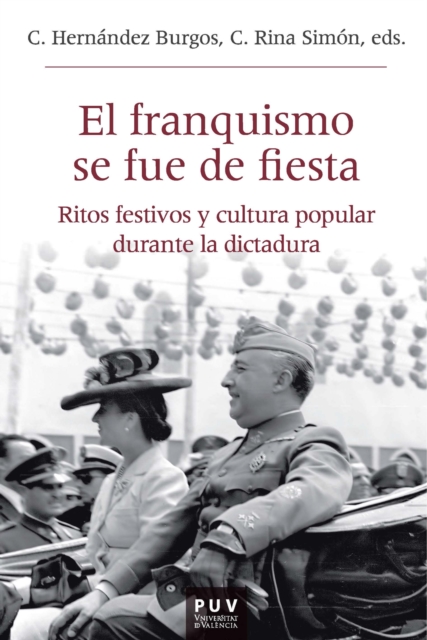
La dictadura franquista, además de consolidarse mediante un régimen de terror, lo hizo apoyándose en múltiples ritos festivos creados 'ex novo' o imaginados como tradicionales por parte de unas comunidades que renovaban con ellos sus vínculos y memorias sociales.
La dictadura franquista, además de consolidarse mediante un régimen de terror, lo hizo apoyándose en múltiples ritos festivos creados 'ex novo' o imaginados como tradicionales por parte de unas comunidades que renovaban con ellos sus vínculos y memorias sociales.
Philosopher Myisha Cherry teaches us the right ways to deal with wrongdoing in our lives and the worldSages from Cicero to Oprah have told us that forgiveness requires us to let go of negative emotions and that it has a unique power to heal our wounds.
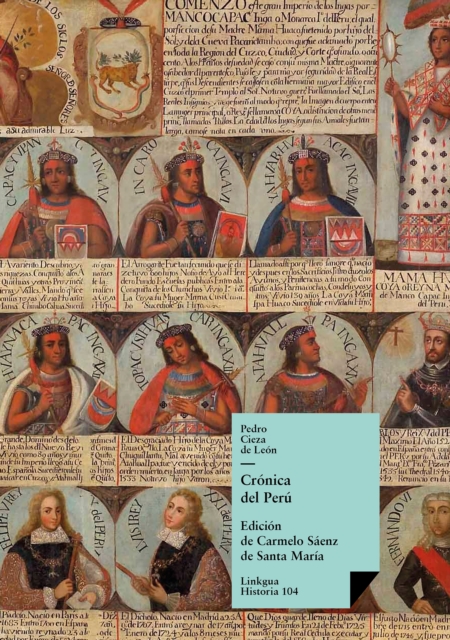
La Crónica del Perú es el primer relato de la exploración y conquista de Colombia, Ecuador, Perú y Bolivia, así como la primera historia del mundo andino que se inicia en la época prehispánica.
Frederick Douglass's 'Ultimate Collection: Complete Autobiographies, Speeches & Letters' is a seminal work that provides readers with a comprehensive insight into the life and works of one of the most influential figures in American history.
This meticulously edited collection has been formatted for your eReader with a functional and detailed table of contents:The War of the JewsThe Antiquities of the JewsAgainst ApionDiscourse to the Greeks concerning HadesThe Life of Flavius Josephus: Autobiography Titus Flavius Josephus was a first-century Romano-Jewish scholar, historian and hagiographer, who was born in Jerusalem then part of Roman Judea to a father of priestly descent and a mother who claimed royal ancestry.
This meticulously edited collection has been formatted for your eReader with a functional and detailed table of contents:Memoirs:Narrative of the Life of Frederick Douglass, an American SlaveMy Bondage and My FreedomLife and Times of Frederick DouglassWritings & Speeches:The Heroic SlaveMy Escape from SlaveryWhat to the Slave is the Fourth of July?
"e;Uncle Tom's Story of His Life"e; is a slave narrative written by Josiah Henson, who would later become famous for being the basis of the title character from Harriet Beecher Stowe's novel Uncle Tom's Cabin.
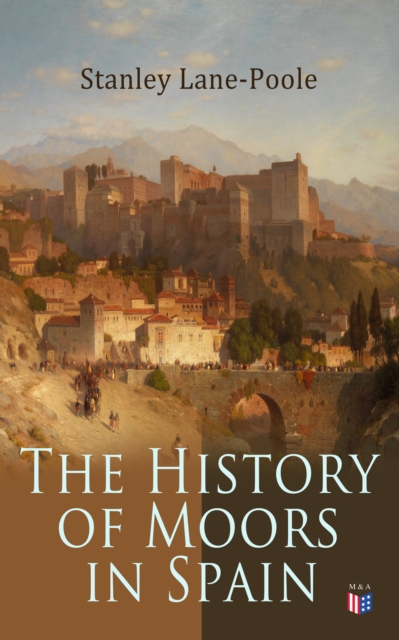
In 711 the Islamic Moors of Arab and Berber descent in North Africa crossed the Strait of Gibraltar onto the Iberian Peninsula, and in a series of raids they conquered Visigothic Christian Hispania and founded the first Muslim countries in Europe.
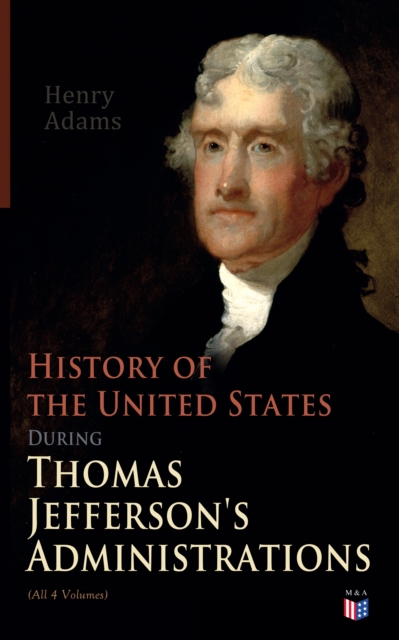
The presidency of Thomas Jefferson began on March 4, 1801, when he was inaugurated as the third President of the United States, and ended on March 4, 1809.