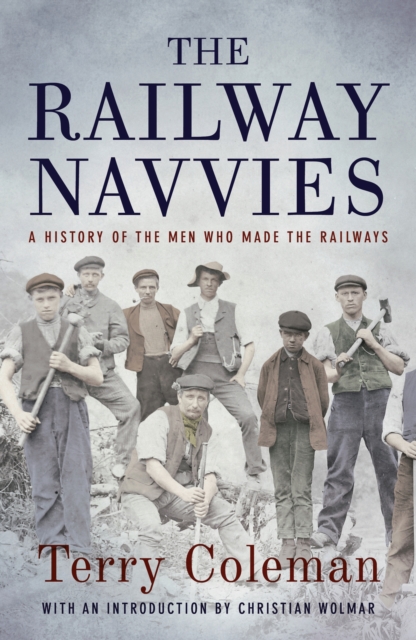
This is the definitive story of the men who built the railways the unknown Victorian labourers who blasted, tunnelled, drank and brawled their way across nineteenth-century England.
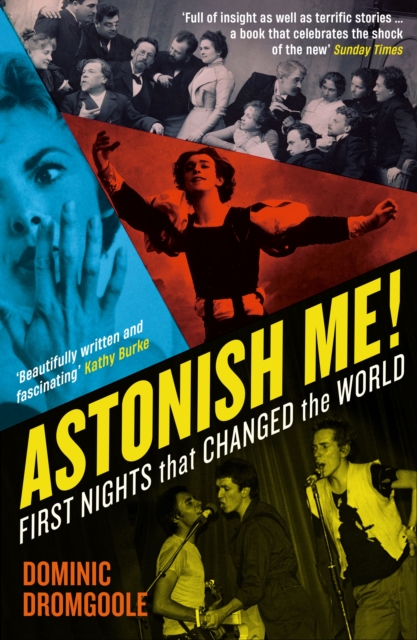
A SUNDAY TIMES BEST FILM AND THEATRE BOOK OF 2022'Anyone in love with the arts will fall in love with this beautifully written and fascinating book' Kathy BurkeAstonish Me!
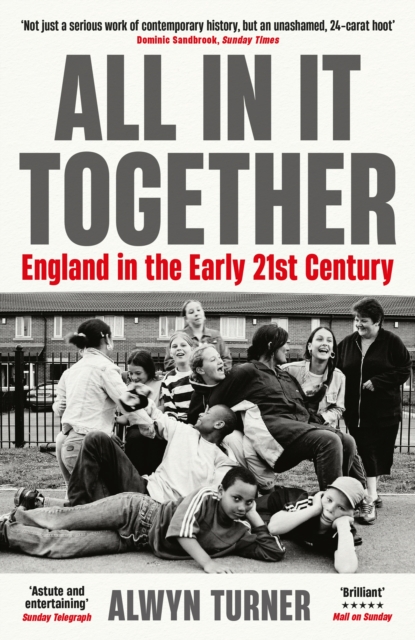
'Turner's seductive blend of political analysis, social reportage and cultural immersion puts him wonderfully at ease with his readers' David Kynaston'Reading Alwyn Turner's account of life in the first two decades of the 21st century is a bit like trying to recall a dream from three nights ago .
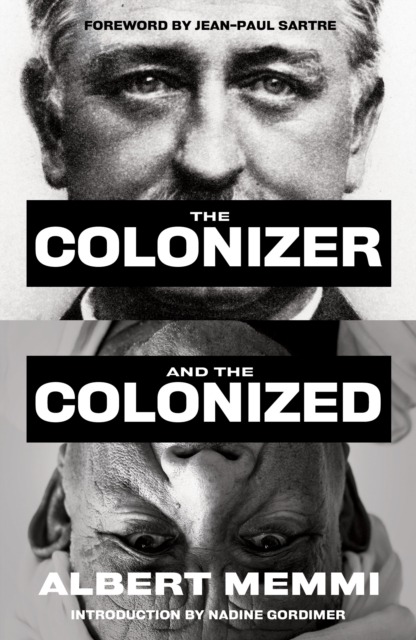
Written in 1957, when North African independence movements were gaining momentum, The Colonizer and the Colonized studies the enduring legacy, political as much as psychological, of colonisation throughout the world.
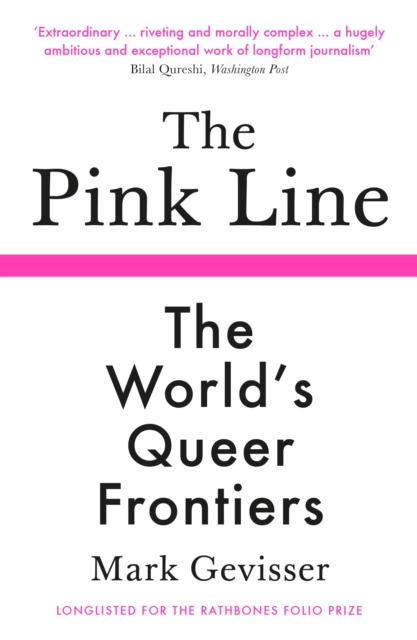
Guardian's Best Paperback of the MonthONE OF THE GUARDIAN'S and FINANCIAL TIMES' BOOKS OF 2020'In intimate, often tender prose, Gevisser brings to life the complex movement for queer civil rights and the many people on whom it bears.
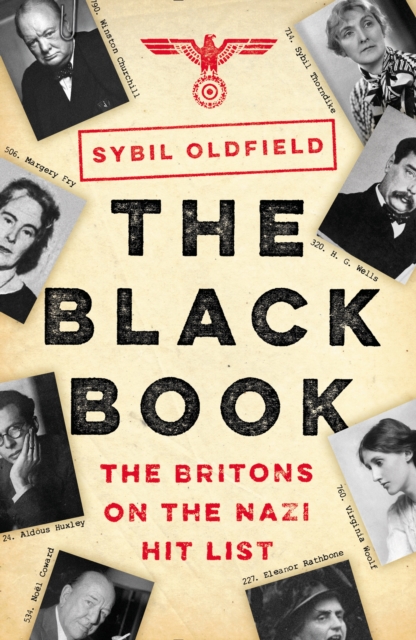
'Oldfield's thoroughly researched and fascinating historical biography explores the lives of many of the 2,600 citizens who attracted Hitler's ire, ranging from high-profile entertainers and writers to those naturalised refugees who doggedly resisted the Nazis from afar' - ObserverIn 1939, the Gestapo created a list of names: the Britons whose removal would be the Nazis' priority in the event of a successful invasion.
A NEW YORK TIMES TOP 100 BOOK OF THE 21ST CENTURY WINNER OF THE NATIONAL BOOK CRITICS CIRCLE AWARDSHORTLISTED FOR THE JAMES TAIT BLACK PRIZE 2020'Exhilarating .
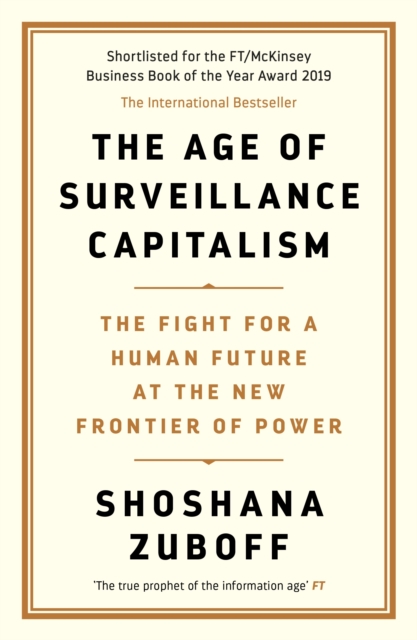
THE TOP 10 SUNDAY TIMES BESTSELLER A NEW YORK TIMES NOTABLE BOOK OF THE YEARONE OF BARACK OBAMA'S TOP BOOKS OF THE YEARShortlisted for The Orwell Prize 2020Shortlisted for the FT Business Book of the Year Award 2019 'Easily the most important book to be published this century.
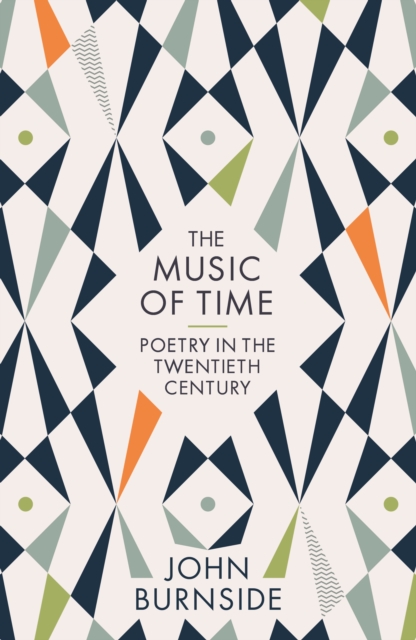
A Financial Times Book of the YearThough we might not realise it, our collective memory of the twentieth century was defined by the poets who lived and wrote in it.
Longlisted for the Jhalak Prize 2021A TIME Magazine Must-Read Book of 2020Shortlisted for the Katharine Briggs Award 2020'Deirdre Mask's book was just up my Strasse, alley, avenue and boulevard.
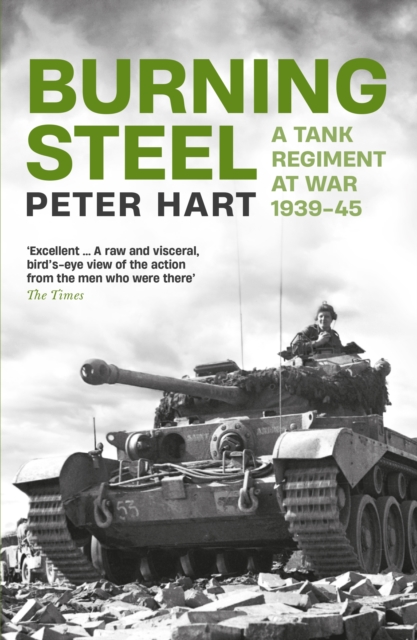
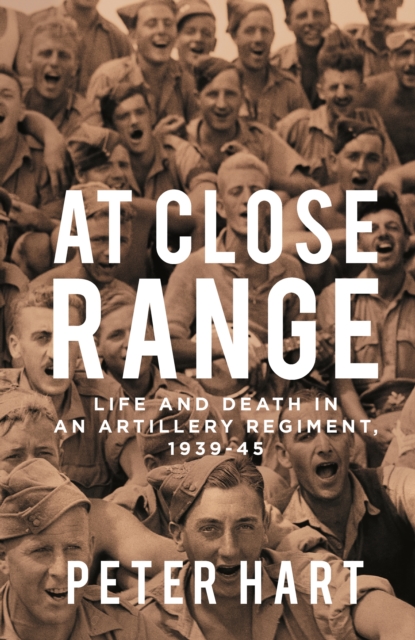
WINNER OF THE MILITARY HISTORY MATTERS AWARD 'Hart is a historian and author at the peak of his powers' Richard van EmdenThe best way to understand what it was like to fight in the Second World War is to see it through the eyes of the soldiers who fought it.
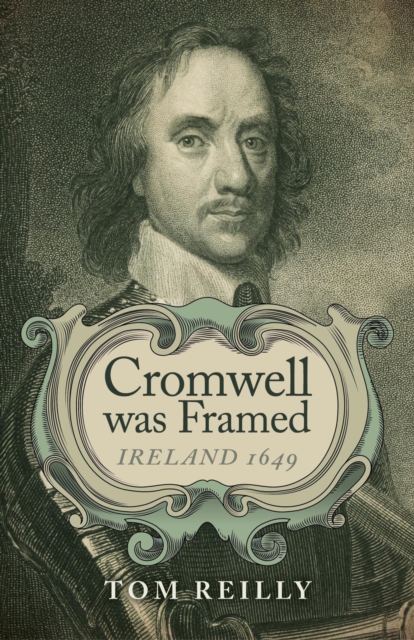
Revealed: The definitive research that proves the Irish nation owes Oliver Cromwell a huge posthumous apology for wrongly convicting him of civilian atrocities in 1649.
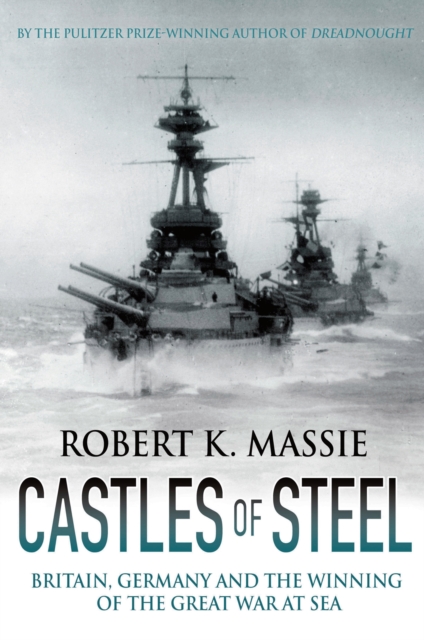
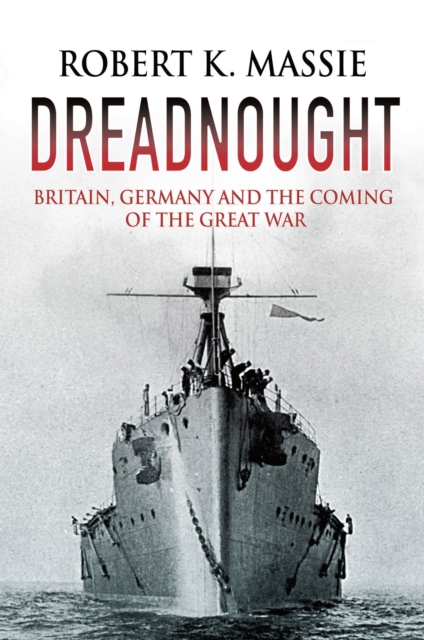
On the eve of the war in August 1914, Great Britain and Germany possessed the two greatest navies the world had ever seen: two fleets of dreadnoughts gigantic 'castles of steel' able to hurl massive shells at an enemy miles away were ready to test their terrible power against each other.
From colonial disputes, secret treaties with former foes, high-wire diplomacy, and tit-for-tat building of the terrifyingly powerful dreadnought battleships.
1914 dawned with Britain at peace, albeit troubled by faultlines within and threats without: Ireland trembled on the brink of civil war; suffragette agitation was assuming an ever more violent hue; and suspicions of Germany's ambitions bred a paranoia that was expressed in a rash of 'invasion scare' literature.