Choman Hardi's Considering the Women explores the equivocal relationship between immigrants and their homeland - the constant push and pull - as well as the breakdown of an intermarriage, and the plight of women in an aggressive patriarchal society and as survivors of political violence.
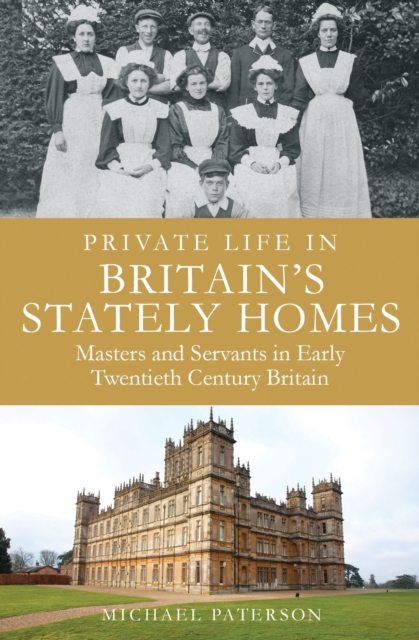
The Victorian and Edwardian eras in the run-up to 1914 marked the golden age of the English country house, when opulence and formality attained a level that would never be matched again.
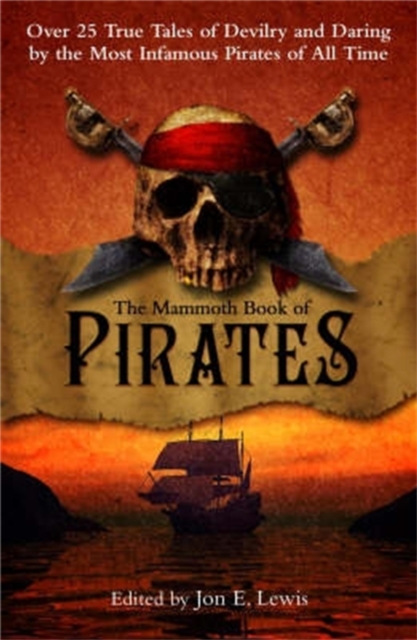
A rollicking tour of the history of the high seas with Blackbeard, Captain Kidd, 'Calico Jack' Rackham, Anne Bonney and other figures of maritime legend.
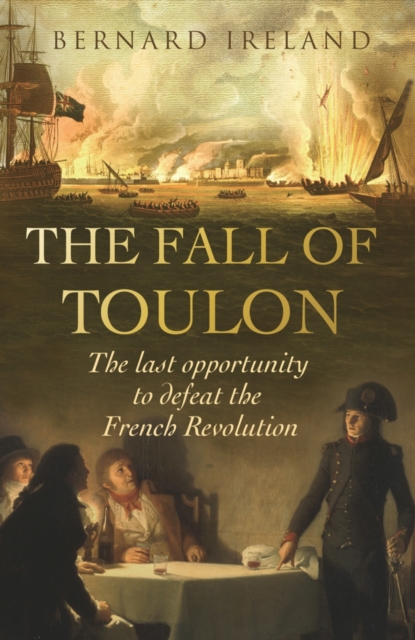
The tragic story of the last Royalist attempt to overthrow the French revolutionIn the summer of 1793 French Royalists surrendered the great naval base at Toulon to the British, intending this to be the springboard for a full-scale counter-revolution.
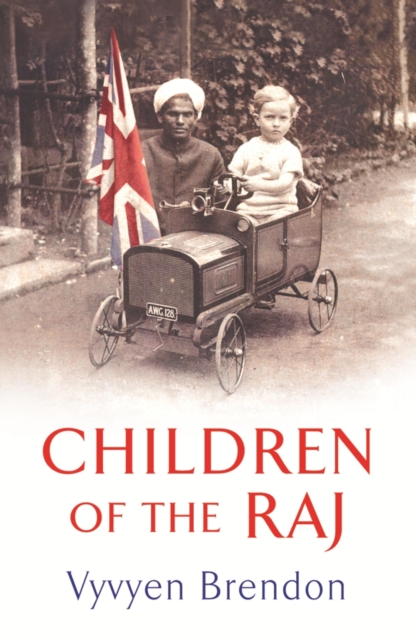
Vyvyen Brendon's evocative, at times heart-tugging book, runs from the 18th century and the East India Company, through the Afghan wars, the Indian mutiny and the more settled era of the Queen Empress, and culminates in the conflict leading to Britain's hurried exit in 1947.
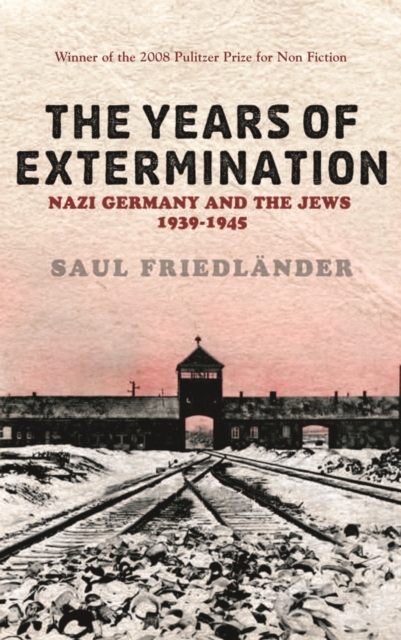
The second and concluding volume of the definitive two-volume account of the HolocaustWith THE YEARS OF EXTERMINATION, Friedlander completes his work on Nazi Germany and the Jews.
The long awaited and highly revealing diaries of the politician, diplomat, and socialite (married to Lady Diana Cooper)'This is a fabulous, jaw-dropping read' SUNDAY TIMES'Duff Cooper was as close to the action as anyone during the dramatic events of the mid-20th century.
A classic study of fifteen crucial years in the formation of the modern worldThe Birth of the Modern has established itself as a new kind of historical work - an examination of the way the matrix of the modern world was formed.
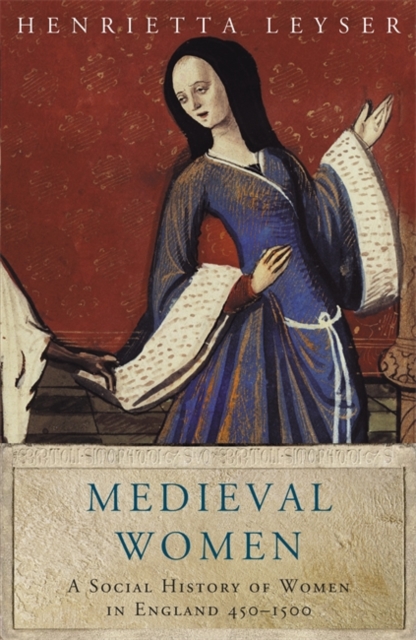
Henrietta Leyser considers the problems and attitudes fundamental to every woman of the time: medieval views on sex, marriage and motherhood; the world of work and the experience of widowhood for peasant, townswoman and aristocrat.
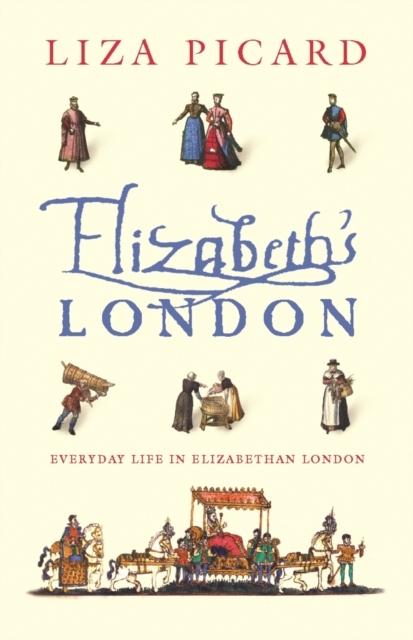
'Reading this book is like taking a ride on a marvellously exhilarating time-machine, alive with colour, surprise and sheer merriment' Jan MorrisElizabethan London reveals the practical details of everyday life so often ignored in conventional history books.
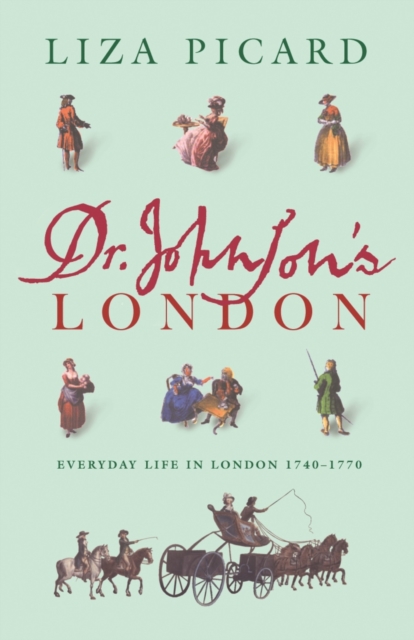
'A Baedeker of the past, absorbing and revealing in equal measure' Peter Ackroyd'Brings the age's tortuous splendours and profound murkiness vividly to life' ObserverWhen Dr Johnson published his great Dictionary in 1755, London was the biggest city in Europe.
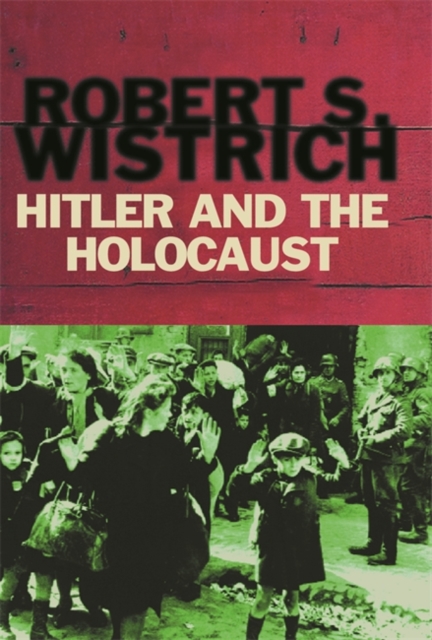
A superb short historical analysis of the Holocaust, by one of the world's leading authorities on the subjectRobert Wistrich begins by exploring the origins of anti-Semitism in Europe, and especially in Germany, to try to explain how millions of Jews came to be killed systematically by the Third Reich.
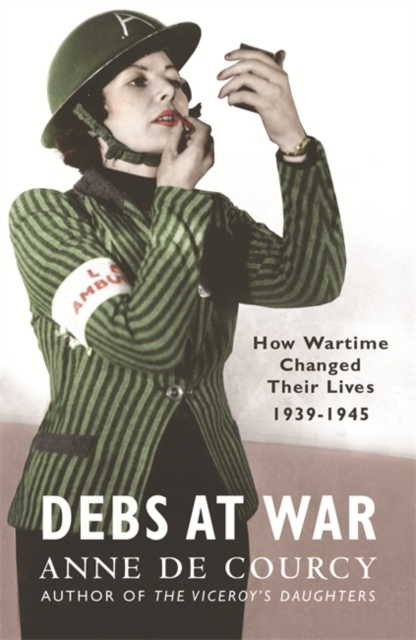
An extraordinary account - from firsthand sources - of upper class women and the active part they took in the WarPre-war debutantes were members of the most protected, not to say isolated, stratum of 20th-century society: the young (17-20) unmarried daughters of the British upper classes.
How the simple commodity of coffee came to rewrite the experience of metropolitan lifeWhen the first coffee-house opened in London in 1652, customers were bewildered by this strange new drink from Turkey.
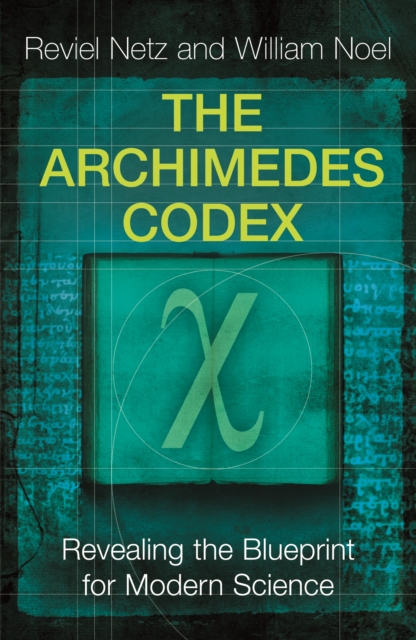
The story of the amazing discovery of Archimedes' lost worksDrawings and writings by Archimedes, previously thought to have been destroyed, have been uncovered beneath the pages of a 13th-century monk's prayer book.
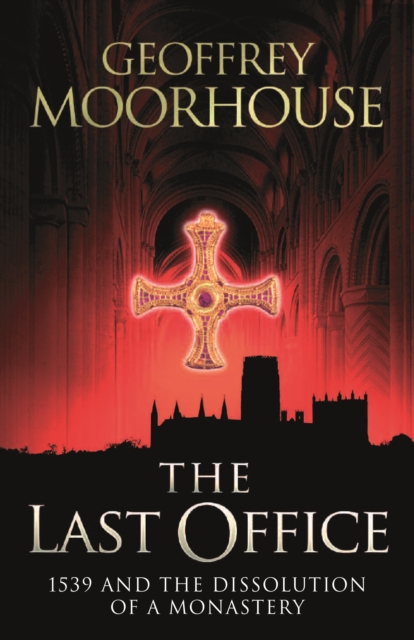
Henry VIII's dissolution of the monasteries, through the never-before-told story of how one priory was saved and become Durham's mighty cathedralWhat happened to the monks, their orders and the communities they served after Henry VIII's break with Rome in 1536?
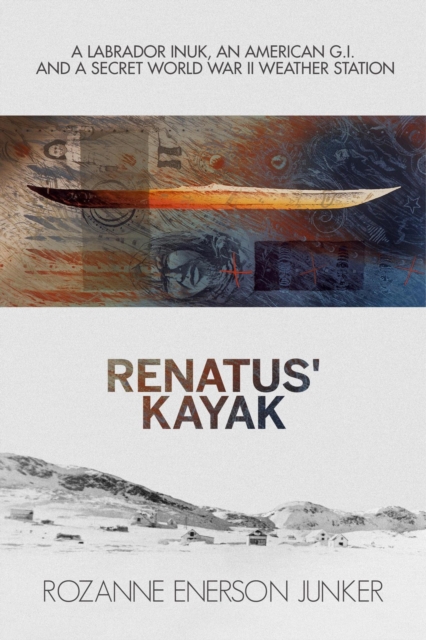
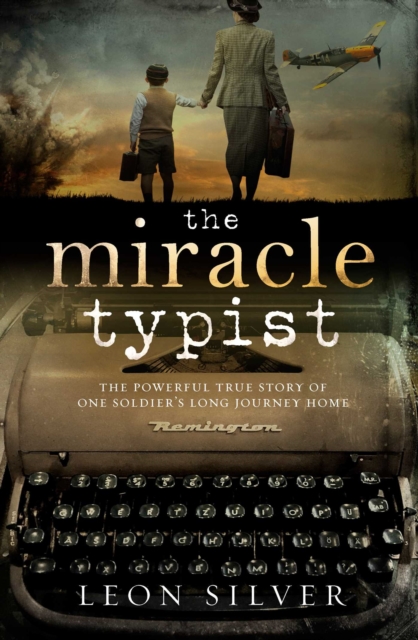
Woody Belsheim had one question when he gave his niece, Rozanne Enerson Junker, a miniature sealskin kayak made for him in 1944 by Inuit hunter Renatus Tuglavina: Would it be possible for you to find out what happened to Renatus .
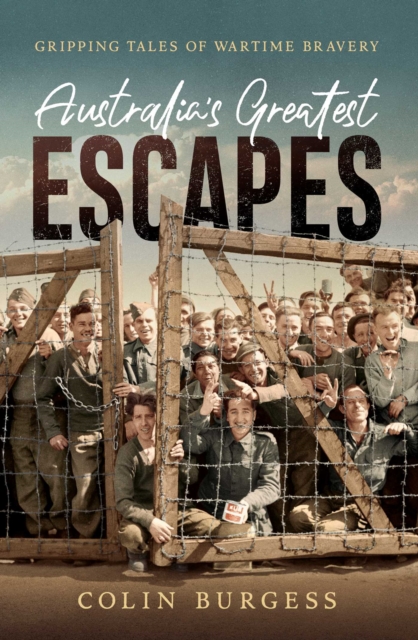
Australias greatest escape stories from two world wars Australia's Greatest Escapes is a collection of stories about the most hazardous aspect of the prisoner of war experience escape.
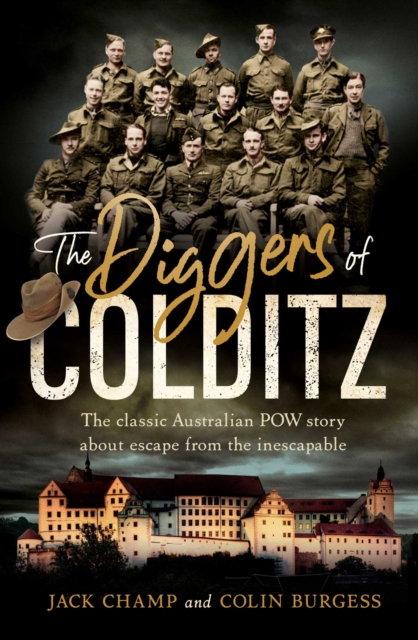
Colditz Castle was Nazi Germany's infamous ';escape-proof' wartime prison, where hundreds of the most determined and resourceful Allied prisoners were sent.
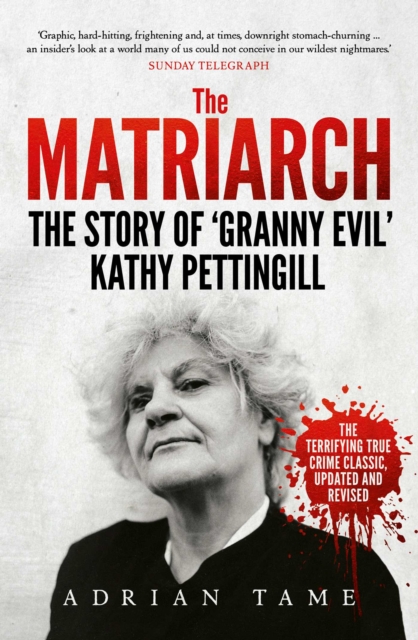
The matriarch of Australia's most violent and notorious criminal family, and allegedly the inspiration for the award-winning film Animal Kingdom, tells her side of the story.
New Zealand in the 1820s had no government or bureaucratic presence; no newspapers were published; the literate population was probably no more than a couple of dozen people at any one time.
Delve into the rich and mysterious history of geishas with our latest book: "e;The History of Geishas in Japan - A Excursion through Japan's Cultural History"e;.
Dieses eBook: "Über die Liebe (De l'amour)" ist mit einem detaillierten und dynamischen Inhaltsverzeichnis versehen und wurde sorgfältig korrekturgelesen.
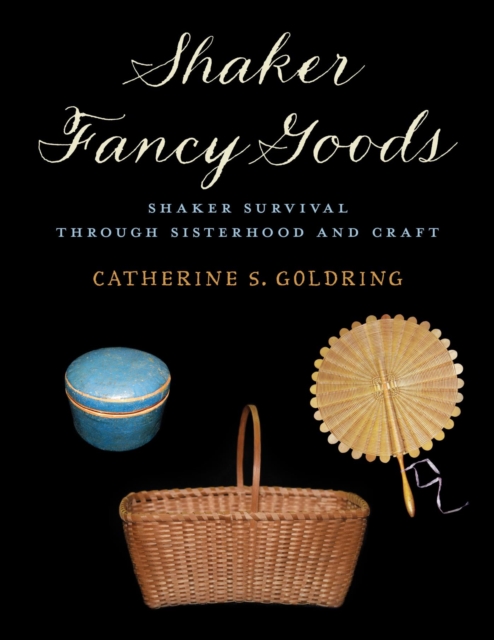
Shaker Fancy Goods tells the story of the Shaker Sisters of the nineteenth and early twentieth century who responded to the economic perils of the Industrial Revolution by inventing a lucrative industry of their ownFancy Goods, a Victorian term for small adorned household objects made by women for women.
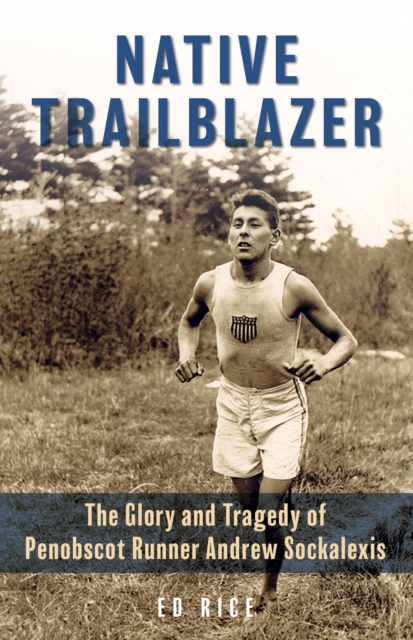
Following an extraordinary debut17th place in the 1911 Boston MarathonPenobscot Indian Andrew Sockalexis returned to run a spectacular Boston Marathon on a muddy, rainy course on April 19, 1912.