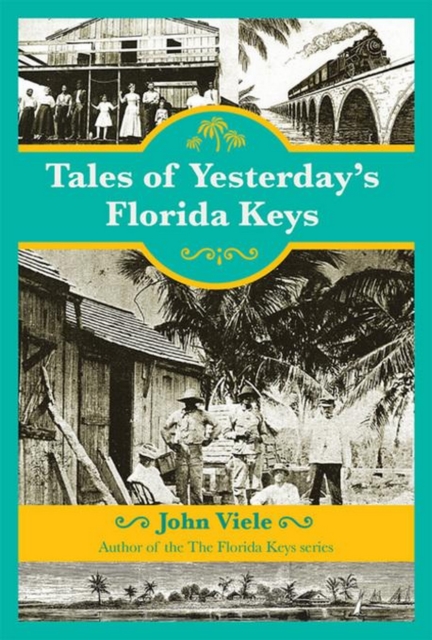
A collection of stories of people and events in the Florida Keys extending from the time the Keys were first occupied by humans, through the Second Seminole War, the coming of the Overseas Railway, and finally the opening of the first Overseas Highway in 1927.
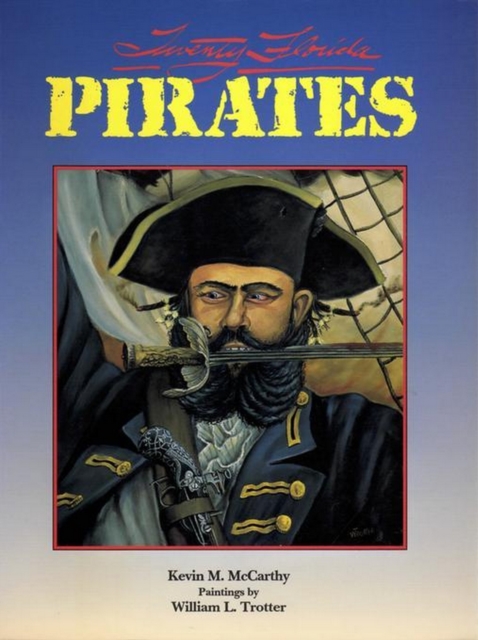
Blackbeard, Jose Gaspar, Jean Lafittethe names conjure up a romantic, swashbuckling figure with a black patch over one eye, a cutlass in his teeth, and a brace of pistols tucked into his waistband.
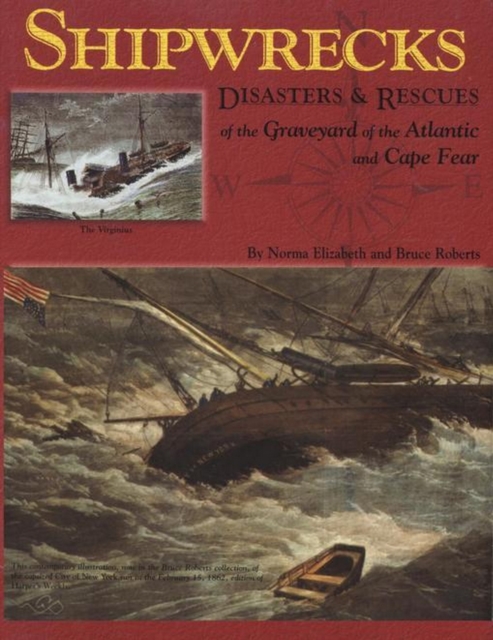
Over the centuriesfrom 18th-century Spanish galleons through German U-boats and modern oil tankersseamen have feared the waters off North Carolina's Outer Banks.
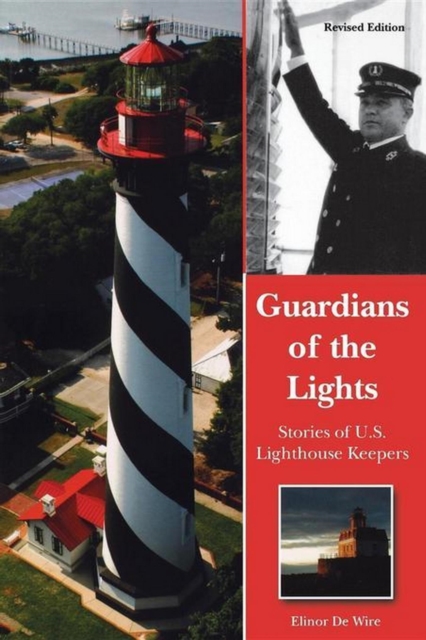
In a charming blend of history and human interest, this book paints a colorful portrait of the lives of a vanished breedthe lighthouse keepersfrom the year 1716, when the first lighthouse was established in America, to the early 1980s when automation replaced the last human "e;guardian of the light.
Florida served as one of the great meeting grounds of the planet, a place where peoples from Indian America, Latin America, Africa, the Caribbean and Europe converged.
Whether you start your journey down the Seminole Trail as an armchair adventurer or seek to visit the sites in person, this unique guide will give greater understanding to the prominent role of Seminole Indians in the place we call Florida.
La identificación de las actitudes de la ciudadanía durante la Dictadura franquista es una de las cuestiones más debatidas y polémicas en el ámbito de nuestra historiografía.
An original study of empire creation and its consequences, from ancient through early modern timesThe world's first great empires established by the ancient Persians, Chinese, and Romans are well known, but not the empires that emerged on their margins in response to them over the course of 2,500 years.
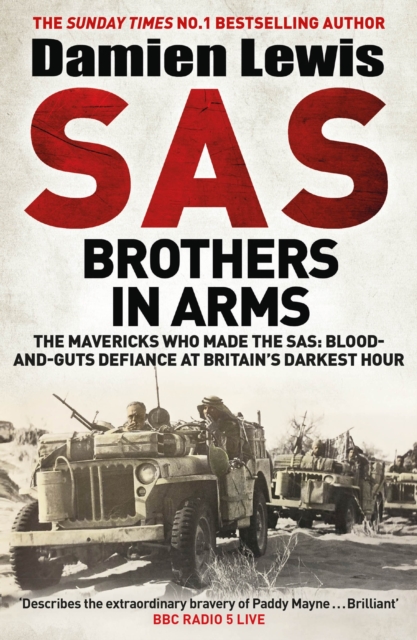
FOR FANS OF THE BBC SERIES SAS ROGUE HEROES, THIS IS THE REAL STORY OF BLAIR 'PADDY' MAYNE'Absolutely gripping from the word go' Alexis Conran, Times Radio'A convincing insight into the terror and adrenaline rush of war' Mail on SundayDamien Lewis's new bestseller tells the action-packed, riveting story of the band of mavericks and visionaries who made the SAS.
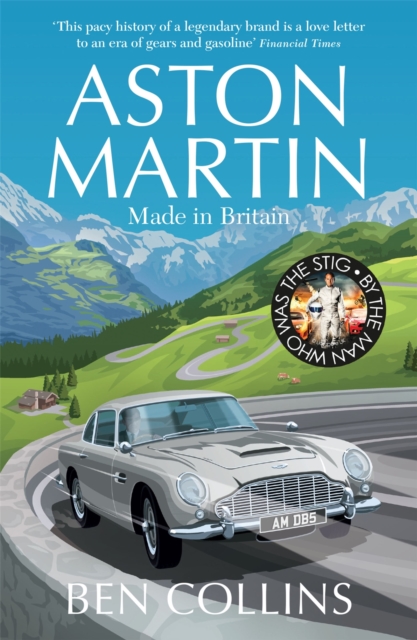
From bestselling author, racer and stunt driver Ben Collins - the man who was The Stig - comes a story of spies, speed and hard-driving genius: a driver's love letter to one of the world's best-loved machines.
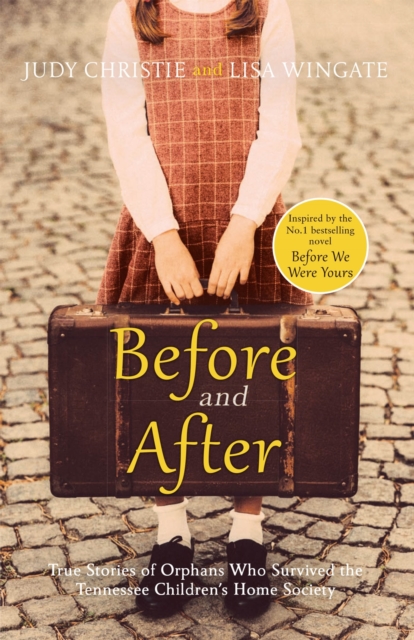
'Captivating and emotional' 5* reader review'A riveting and heart wrenching read' 5* reader reviewFrom the 1920s to 1950, Georgia Tann ran a corrupt baby business at the Tennessee Children's Home Society in Memphis.
INSTANT NEW YORK TIMES BESTSELLER*A Today Show #ReadWithJenna Book Club Pick* *An Indie Next Great Read*'[A] vivid depiction of a family's heartbreak, its rending and rebuilding.
A History Today Book of the YearFinalist for the Lambda Literary Award'A beautiful, brilliant, lively book that weaves together fascinating and moving examples with thoughtful analysis.
'Do not miss this book' NAOMI KLEIN, author of This Changes EverythingThe history of the nutmeg is one of conquest and exploitation - of both human life and the natural environment - and the origin of our contemporary climate crisis.
From New York to New Delhi, COVID-19 has had a devastating impact on our urban world, turning the physical proximity which is central to the creative energy of the city into a potentially deadly threat to our health and well being.
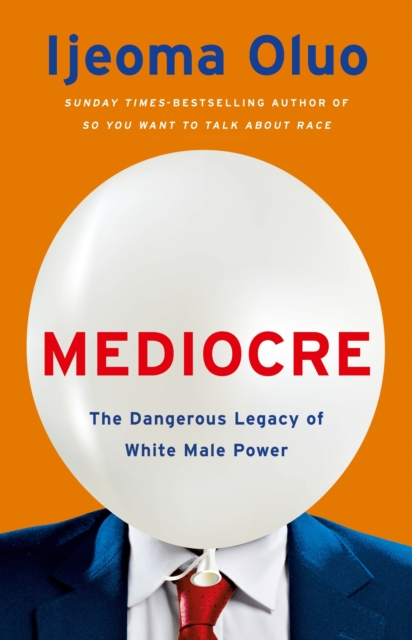
From the TIME 100 author of the Sunday Times and number 1 New York Times bestseller So You Want to Talk About Race, a subversive history of white male American identity -- now with a new preface.
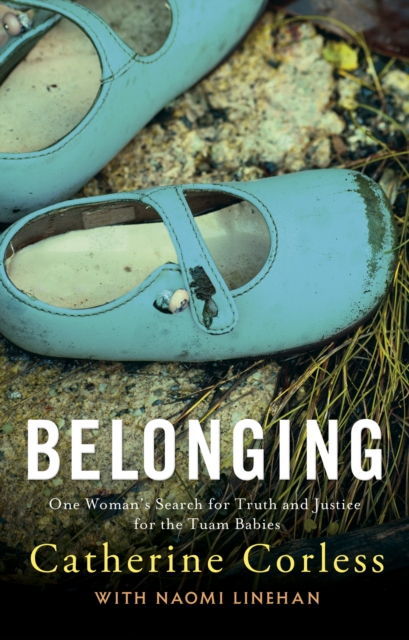
When Catherine Corless began researching the Tuam Mother and Baby Home in Galway in 2010, she could not have known where her interest in local history would lead her.
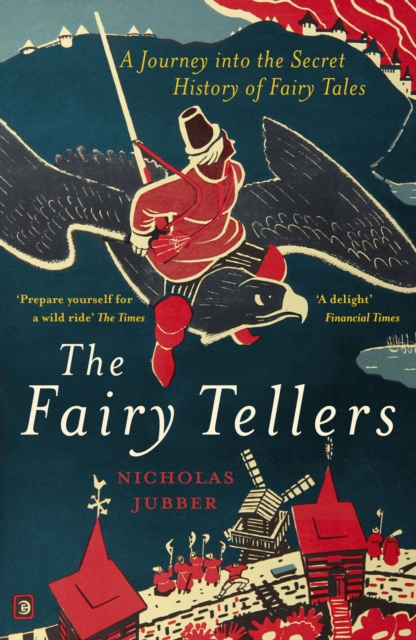
'His cornucopia of tellers and tales is a delight, a riveting celebration of a genre that revels in its own hybridity and the imaginative riches produced by the crossing of cultural and literary borders' Financial Times'Like a child after the Pied Piper I pursued Jubber into a world both human and full of magic.
Este libro es una suerte de refugio necesario para poner en orden algunas ideas en torno a una realidad paradójicamente sobrecogedora en la esfera cotidiana, pero igualmente inadvertida como objeto de reflexión académica.
A ground-breaking argument about children, racism and how to build the antiracist society of the future - from the author of the million-copy global bestseller How To Be an Antiracist*A NEW YORK TIMES BESTSELLER*'One of the pre-eminent intellectuals on race' OWEN JONESHow do kids think about race?
From the bestselling, Booker-shortlisted chronicler of Italy, a classic novel about a man's emotional reckoning in a changed world far from homeFrank's reclusive existence in a leafy part of London is shattered when he is summoned to Milan for the funeral of an old friend.
Instant New York Times BestsellerAn urgent primer on race and racism, from Emmanuel Acho, an American Football Legend and host of the viral hit video series Uncomfortable Conversations with a Black Man.
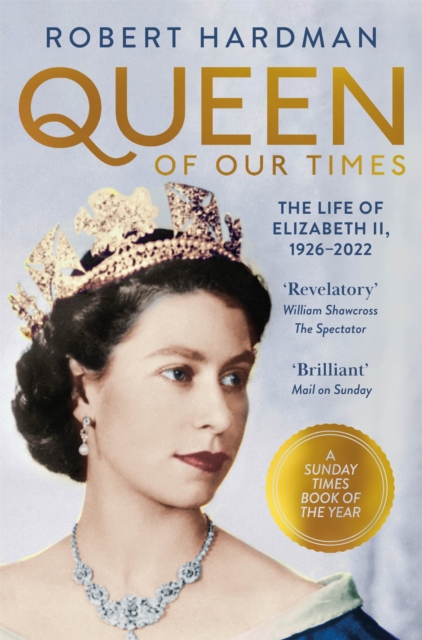
A Sunday Times Book of the YearQueen Of Our Times is the definitive biography of Queen Elizabeth II by one of Britain's leading royal authorities, Robert Hardman.
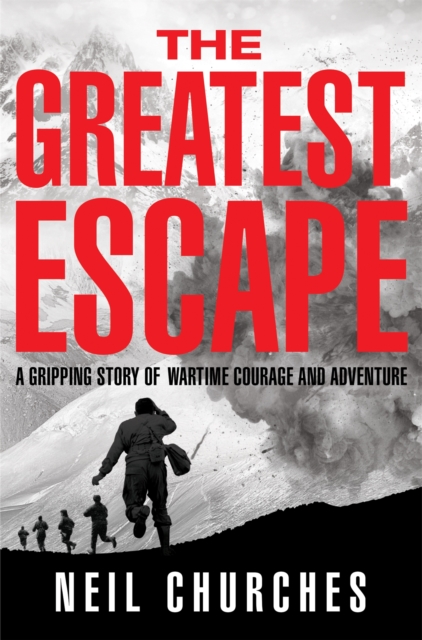
The gripping, vividly told story of the largest prisoner of war escape in of the Second World War - organized by an Australian bank clerk, a British jazz pianist and an American spy.
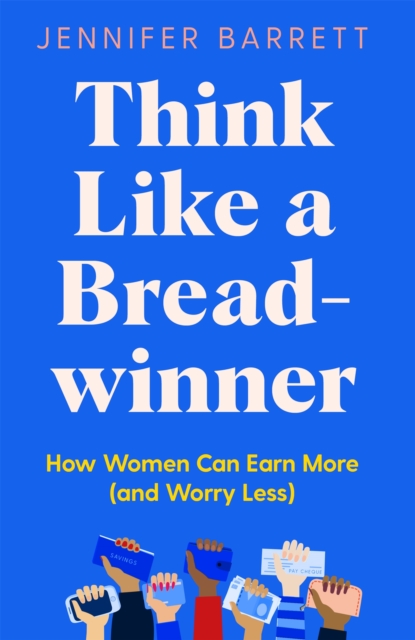
A new manifesto for the working woman, full of practical tips for making the most of your earnings as well as inspiration for harnessing the freedom and power that come with financial independence.
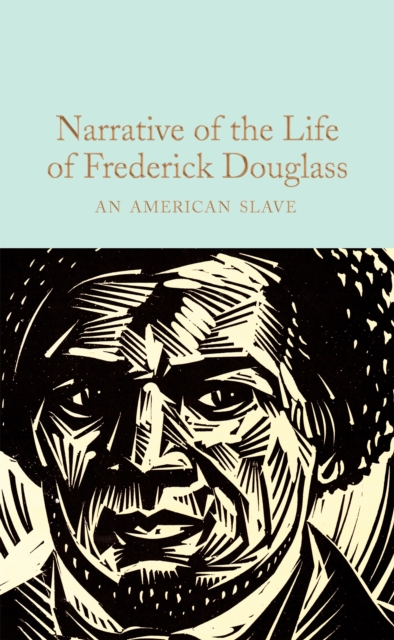
The most famous memoir of its kind and a key text in the anti-slavery movement, Narrative of the Life of Frederick Douglass tells the striking and emotionally charged story of one man's journey from slavery to freedom.
Jonathan Raban takes you on an enthralling journey into the least populated and least known region in the United States, the Great Plains of Montana, and finds there the heart and soul of the country.