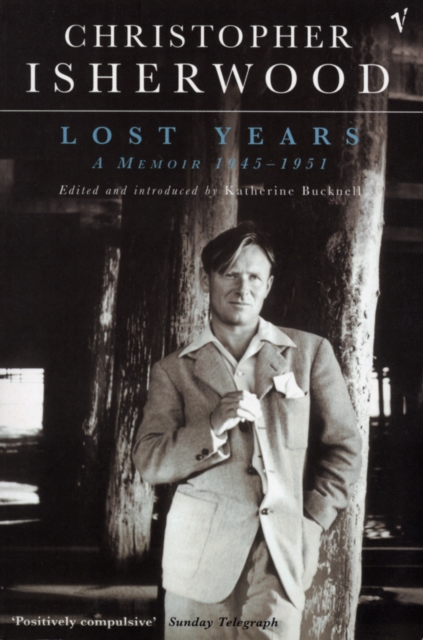
Christopher Isherwood settled in California in 1939 and spent the war years writing for Hollywood, but by 1945 he had all but ceased to write fiction and even abandoned his habit of keeping a diary.
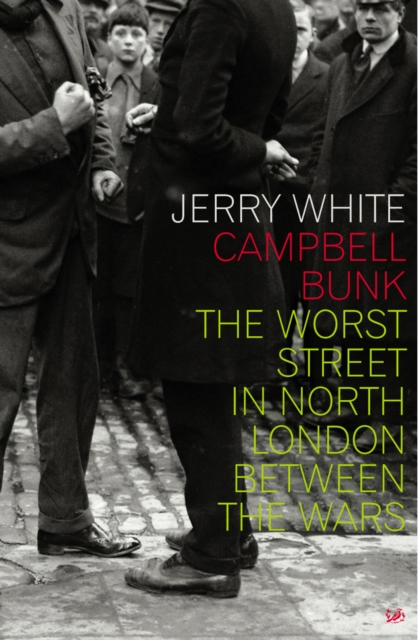
From the 1880s to the Second World War, Campbell Road, Finsbury Park (known as Campbell Bunk), had a notorious reputation for violence, for breeding thieves and prostitutes, and for an enthusiastic disregard for law and order.
Towards the end of 1831, the authorities unearthed a series of crimes at Number 3, Nova Scotia Gardens in East London that appeared to echo the notorious Burke and Hare killings in Edinburgh three years earlier.
This is a wonderful book: curious and insightful Ian Mortimer, author of The Time Traveller s Guide to Medieval EnglandWe know what happens to the body when we die, but what happens to the soul?
The Northmen s Fury tells the Viking story, from the first pinprick raids of the eighth century to the great armies that left their Scandinavian homelands to conquer larger parts of France, Britain and Ireland.
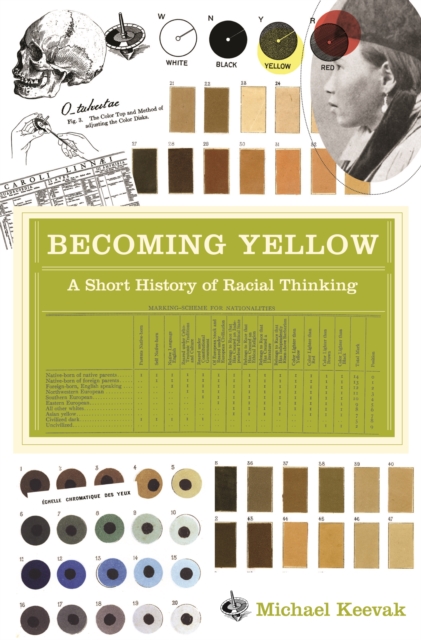
The story of how East Asians became "e;yellow"e; in the Western imagination-and what it reveals about the problematic history of racial thinkingIn their earliest encounters with Asia, Europeans almost uniformly characterized the people of China and Japan as white.
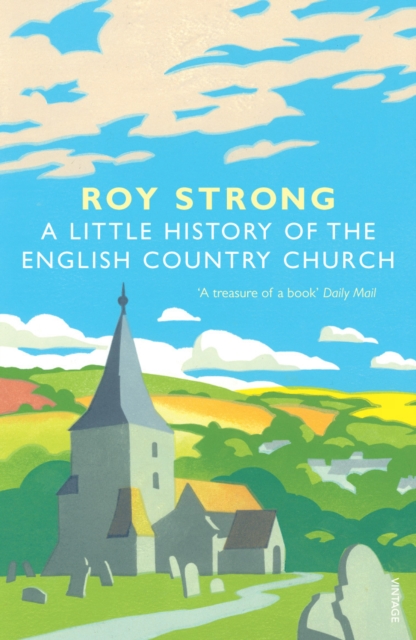
Beautifully illustrated narrative history of the English country church In his engaging account, Sir Roy Strong celebrates the life of the English parish churchFrom the arrival of the missionaries from Ireland and Rome, to the beautiful architecture and rich spirituality of medieval Catholicism; from the cataclysm of the Reformation, to the gentrified cleric we meet in Jane Austen novels, Roy Strong takes us on a journey - historical, social and spiritual - to explore what men and women experienced through the age when they went to church on Sunday.
Following the success of Rees' bestselling Auschwitz, this substantially revised and updated edition of The Nazis - A Warning from History tells the powerfully gripping story of the rise and fall of the Third Reich.
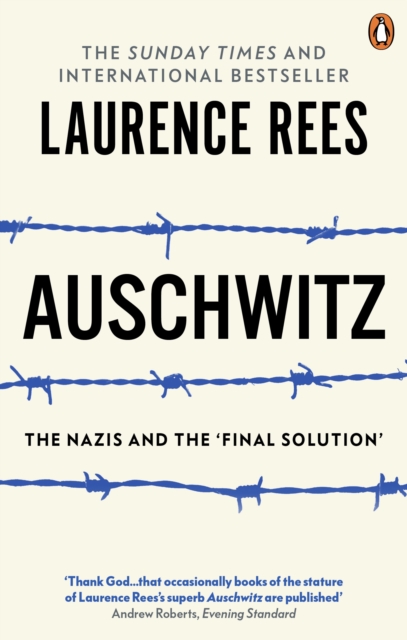
THE SUNDAY TIMES AND INTERNATIONAL BESTSELLER'Superb' ANDREW ROBERTSIn this classic book, highly acclaimed author and broadcaster Laurence Rees tells the definitive history of the most notorious Nazi institution of them all.
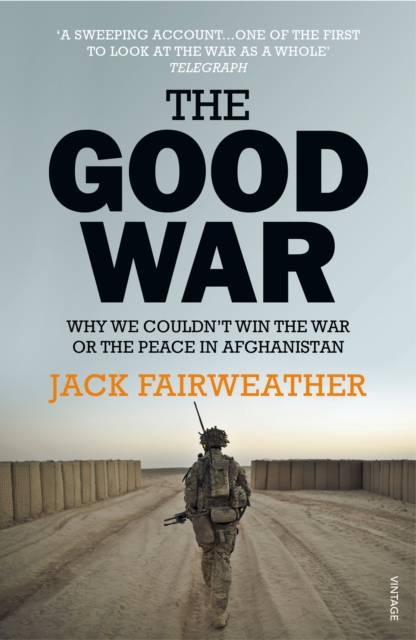
A timely lesson in the perils of nation-building and a sobering reminder of the limits of military power from the Costa Award winning author of The Volunteer.
SHORTLISTED FOR THE BAILLIE GIFFORD PRIZE 2017'An eye-opening, well-written and very timely book' Yuval Noah Harari'The best sort of book for our disordered days: timely, urgent and illuminating' Pankaj Mishra'It strikes a blow for common humanity' Sunday TimesThe Muslim world has often been accused of a failure to modernise and adapt.
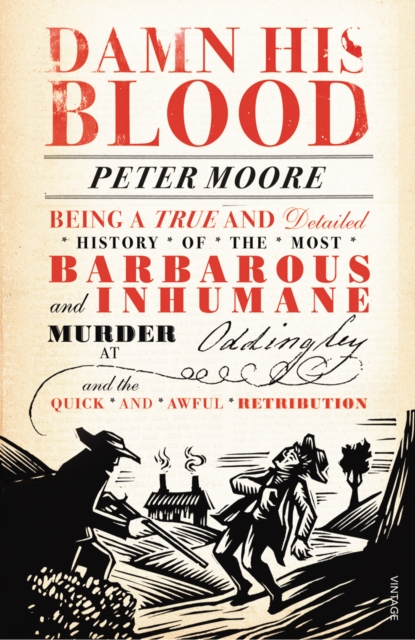
The brutal murder of the Reverend George Parker in the rural village of Oddingley on Midsummer's Day in 1806 - shot and beaten to death, his body set on fire and left smouldering in his own glebe field - gripped everyone from the Home Secretary in London to newspapermen across the country.
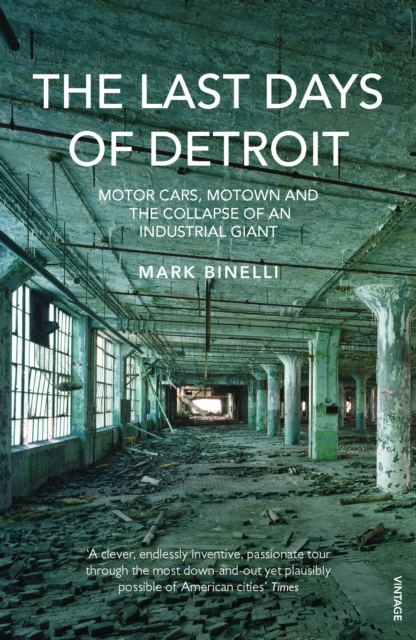
Once America's capitalist dream town, the Silicon Valley of the Jazz Age, Detroit became the country's greatest urban failure, having fallen the longest and the furthest.
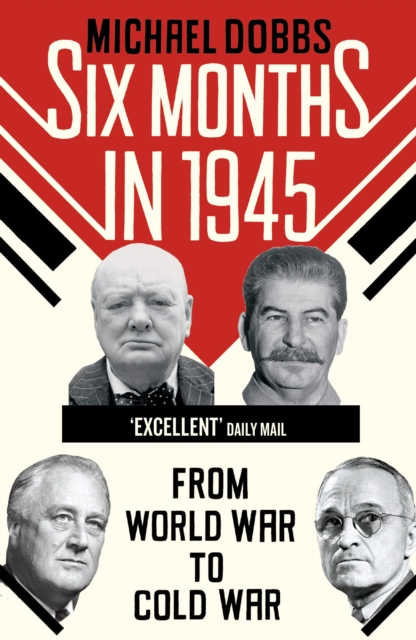
From the bestselling author of One Minute to Midnight, this is the riveting story of the last six months of World War II, when the hopeful Allied situation inspired by the Yalta Conference descended into the open conflict that would lead to the Cold War.
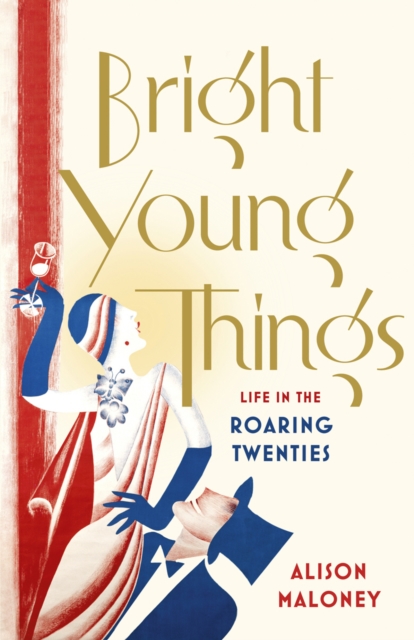
Bright Young Things is a thoroughly entertaining non-fiction account of 'the real Downton Abbey', which brings to life the historical backdrop of the series in an informative, fun and engaging book.
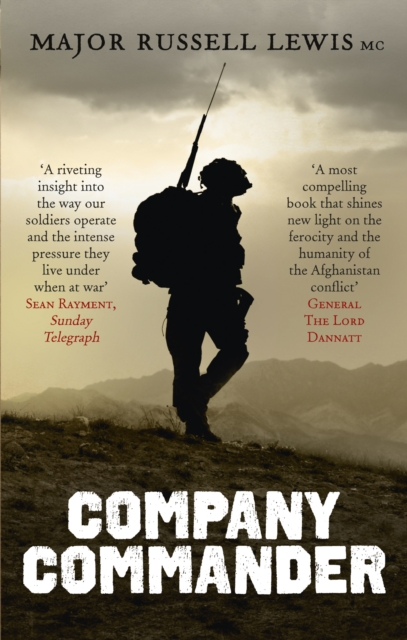
In 2008 Major Russell Lewis commanded a company of two hundred soldiers from the British Army's legendary Parachute Regiment on a six-month tour in the most dangerous part of Afghanistan.
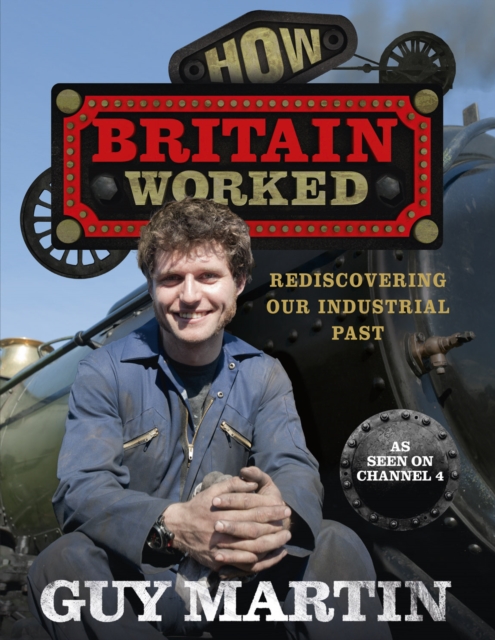
It is a largely forgotten fact that Britain was the first industrialized country in the world, but Guy Martin - the cult motorcycle racer and mechanic - is about to remind us how the industrial revolution helped make Britain great.
From one man s Hackney market stall to a company serving fifty million customers in thirteen countries every week, this is the extraordinary story of one of Britain s most remarkable companies.
Ambitious and groundbreaking, Electric Shock tells the story of popular music, from the birth of recording in the 1890s to the digital age, from the first pop superstars of the twentieth century to the omnipresence of music in our lives, in hit singles, ringtones and on Spotify.
'A truly remarkable writer, one of the most gifted non-fiction authors alive' Simon Schama, Financial TimesRobespierre was only thirty-six when he died, sent to the guillotine where he had sent thousands ahead of him.
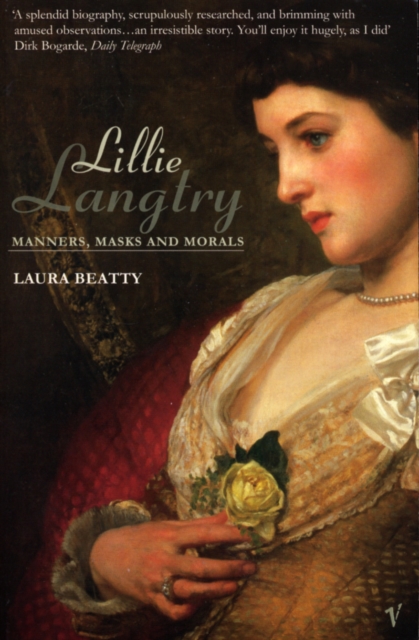
Mrs Langtry - born a provincial in 1853, died rich and lonely in 1929 - was surrounded by scandal, luxary and gossip; but this new book goes beyond these outward trappings to lift the masks that Oscar Wilde, her friend and mentor, taught her to wear.
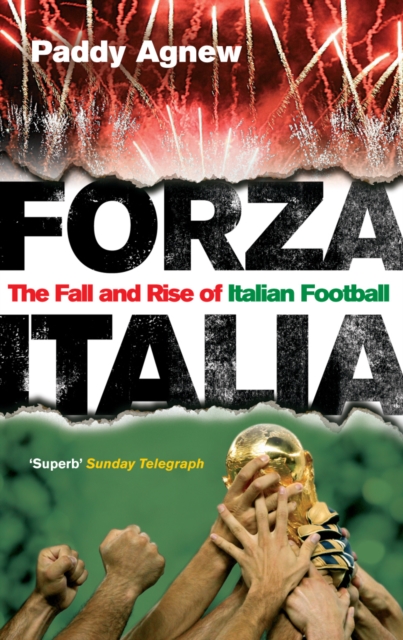
When journalist Paddy Agnew and his girlfriend Dympna touched down in Rome in 1985 in search of adventure, sunshine and the soul of Italian football (well, Paddy was looking for that), they were travelling into the uncharted terrain of a country they did not know and a language they did not speak.