'He captures better than anyone the collision of public and private, the intrusion of history into the skin, the pores of every individual alive' Guardian'Though on the morning after the election disbelief prevailed, especially among the pollsters, by the next everybody seemed to understand everything.
'Exhilarating and fascinating' KATY HESSEL | 'Rich and detailed' CHLO ASHBY | 'Enlightening' TABISH KHAN | 'Sheds light on an uncharted area of art history' JENNY PERY | 'An essential read' EDWARD BROOKE-HITCHINGMeet the unexpected, overlooked and forgotten models of art history.
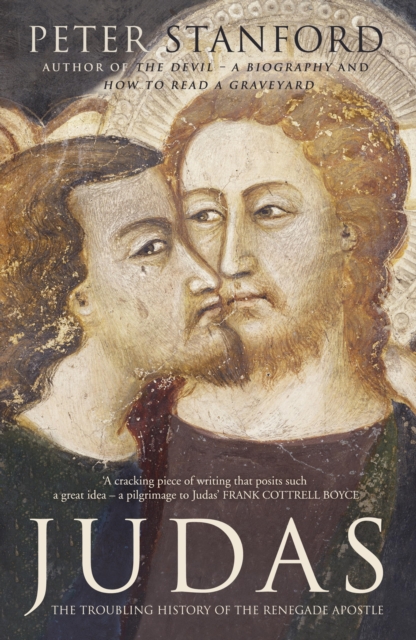
In this fascinating historical and cultural biography, writer and broadcaster Peter Stanford deconstructs that most vilified of Bible characters: Judas Iscariot, who famously betrayed Jesus with a kiss.
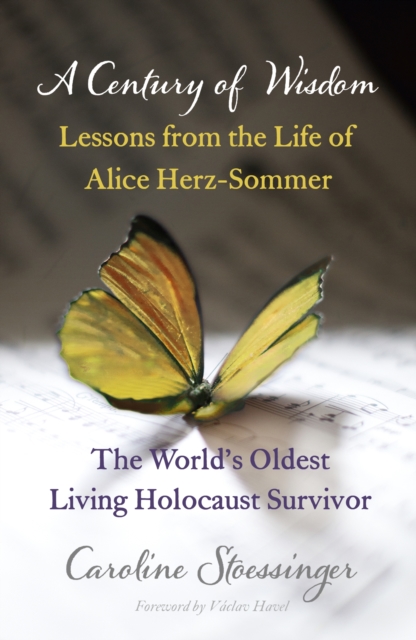
Alice Herz-Sommer, 1903-2014The pianist Alice Herz-Sommer survived the Theresienstadt concentration camp, attended Eichmann's trial in Jerusalem, and along the way befriended some of the most fascinating historical figures of our time, from Franz Kafka to Gustav Mahler, Leonard Bernstein and Golda Meir.
John Wimber's first book, POWER EVANGELISM describes the releasing of God's power today through signs and wonders to refresh, renew, heal and equip his people.
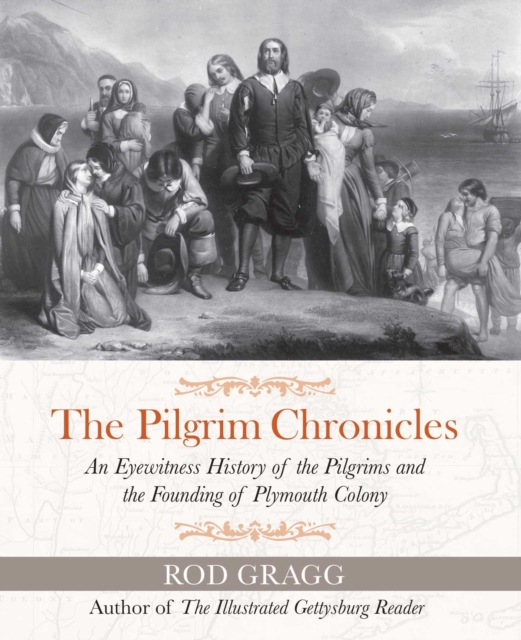
All Americans are familiar with the story of the Pilgrimspersecuted for their religion in the Old World, they crossed the ocean to settle in a wild and dangerous land.
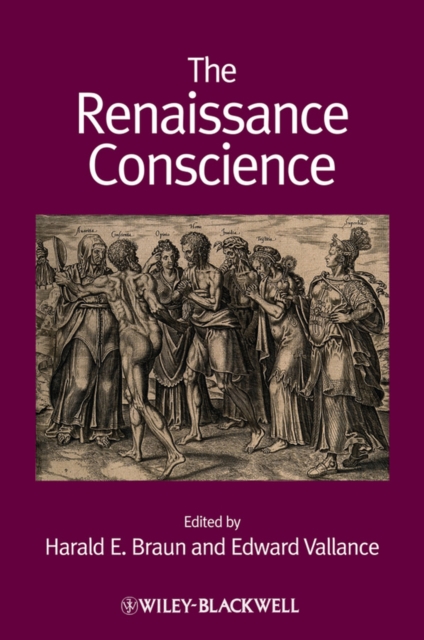
This book presents one of the first studies of the Renaissance notion of conscience, through examining theological manuals, legal treatises, letters and other sources of the period.
This book presents one of the first studies of the Renaissance notion of conscience, through examining theological manuals, legal treatises, letters and other sources of the period.
A Companion to American Immigration is an authoritative collection of original essays by leading scholars on the major topics and themes underlying American immigration history.
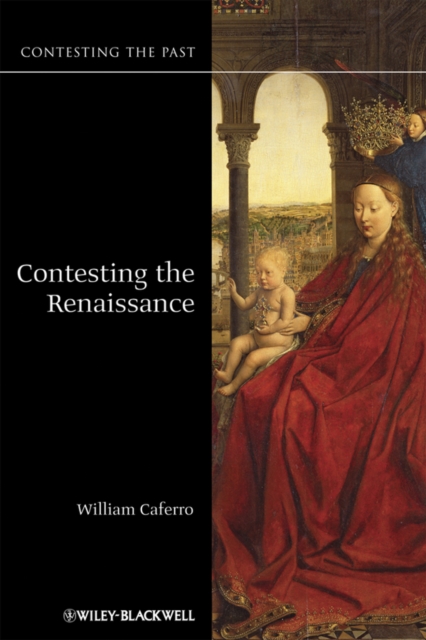
In this book, William Caferro asks if the Renaissance was really a period of progress, reason, the emergence of the individual, and the beginning of modernity.
Journalism Today: A Themed History provides a cultural approach to journalism's history through the exploration of overarching concepts, as opposed to a typical chronological overview.
Journalism Today: A Themed History provides a cultural approach to journalism's history through the exploration of overarching concepts, as opposed to a typical chronological overview.
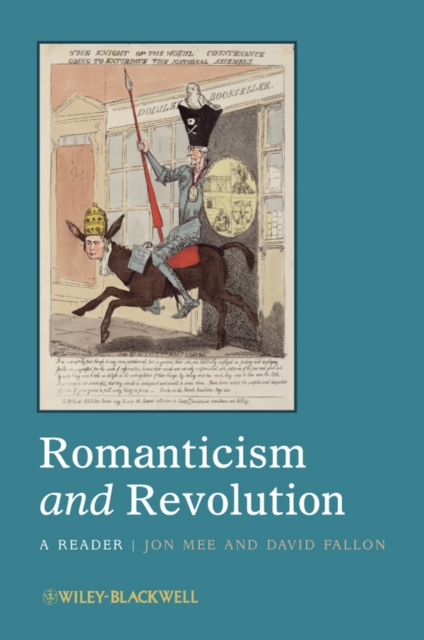
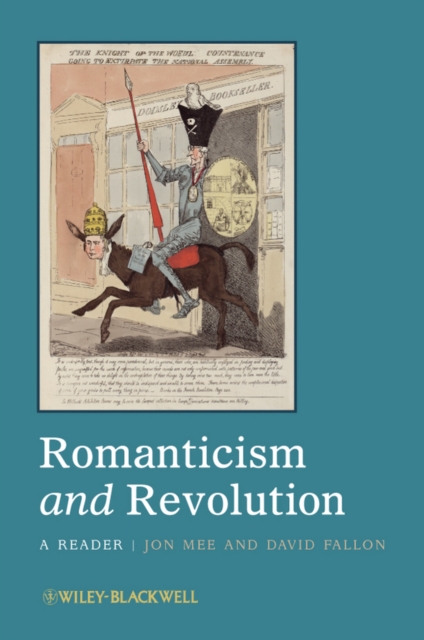
Romanticism and Revolution: A Readerpresents an anthology of the key texts that both defined the debate over the French Revolution during the 1790s and influenced the Romantic authors.
Romanticism and Revolution: A Readerpresents an anthology of the key texts that both defined the debate over the French Revolution during the 1790s and influenced the Romantic authors.
A COMPANION TO THE HISTORY OF THE BOOK A COMPANION TOTHE HISTORY OF THE BOOK Edited by Simon Eliot and Jonathan Rose As a stimulating overview of the multidimensional present state of the field, the Companion has no peer.
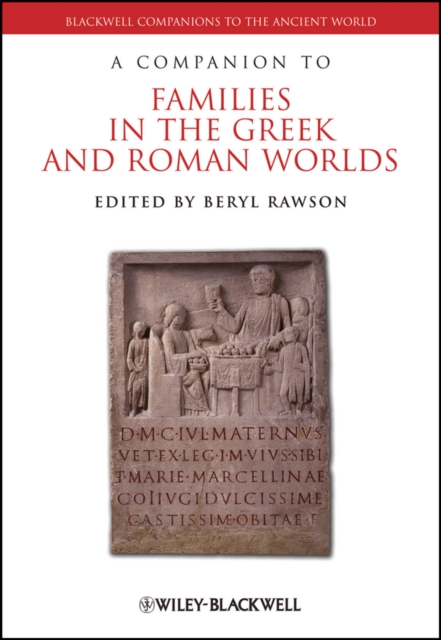
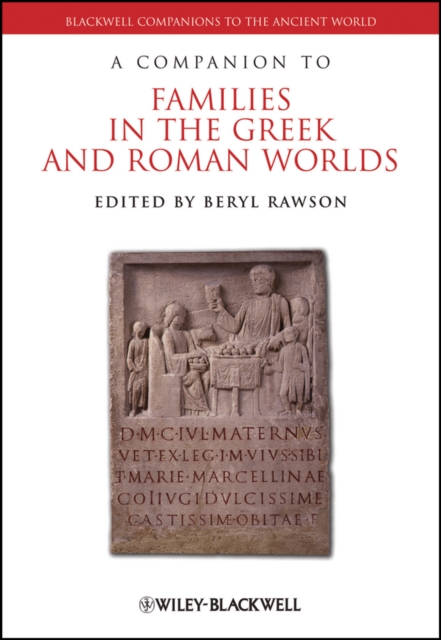
A Companion to Families in the Greek and Roman Worlds draws from both established and current scholarship to offer a broad overview of the field, engage in contemporary debates, and pose stimulating questions about future development in the study of families.
A Companion to Families in the Greek and Roman Worlds draws from both established and current scholarship to offer a broad overview of the field, engage in contemporary debates, and pose stimulating questions about future development in the study of families.
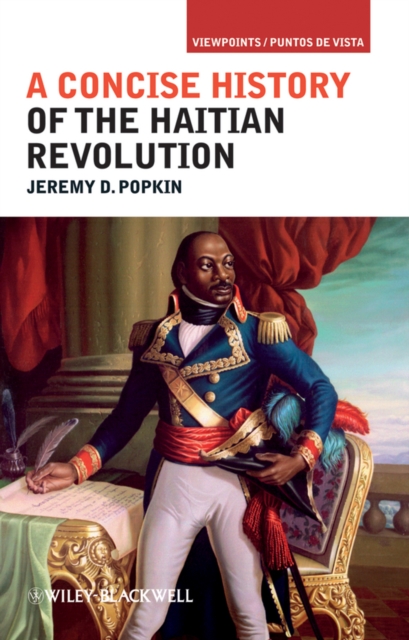
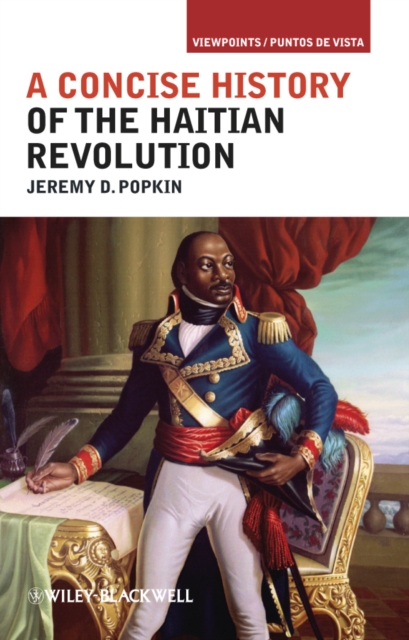
This book offers students a concise and clearly written overview of the events of the Haitian Revolution, from the slave uprising in the French colony of Saint-Domingue in 1791 to the declaration of Haiti s independence in 1804.
This book offers students a concise and clearly written overview of the events of the Haitian Revolution, from the slave uprising in the French colony of Saint-Domingue in 1791 to the declaration of Haiti s independence in 1804.
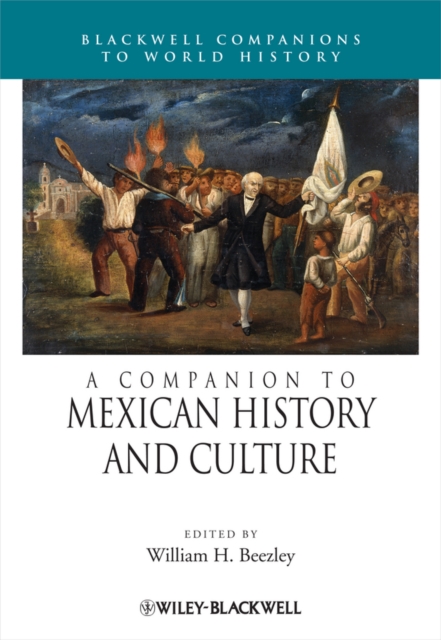
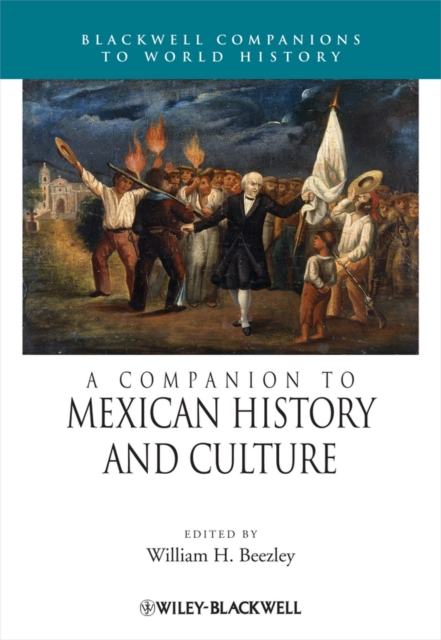
A Companion to Mexican History and Culture features 40 essays contributed by international scholars that incorporate ethnic, gender, environmental, and cultural studies to reveal a richer portrait of the Mexican experience, from the earliest peoples to the present.
A Companion to Mexican History and Culture features 40 essays contributed by international scholars that incorporate ethnic, gender, environmental, and cultural studies to reveal a richer portrait of the Mexican experience, from the earliest peoples to the present.
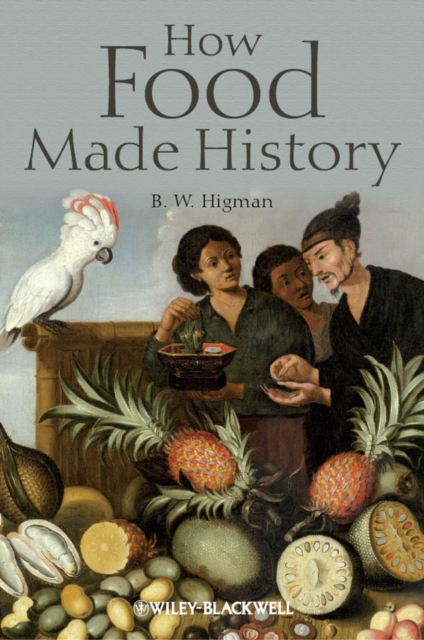
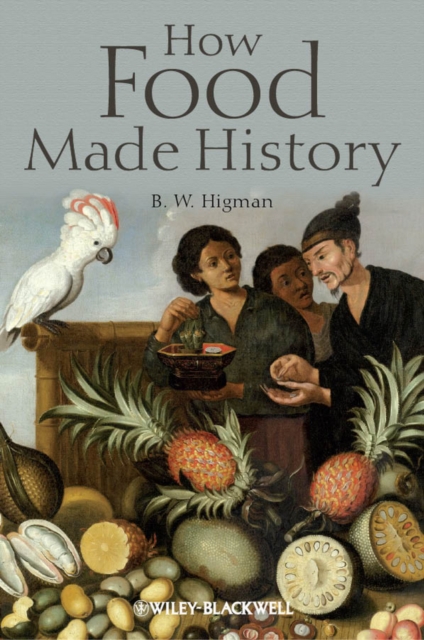
Covering 5,000 years of global history, How Food Made History traces the changing patterns of food production and consumption that have molded economic and social life and contributed fundamentally to the development of government and complex societies.
Covering 5,000 years of global history, How Food Made History traces the changing patterns of food production and consumption that have molded economic and social life and contributed fundamentally to the development of government and complex societies.