Author Sandra Morgan awarded Wilberforce AwardHuman trafficking is one of the most pressing social justice issues of our time, and in recent years there has been renewed interest among Christians, as many have beenstirred up to take their part in the ongoing battle.
Basándose en recursos sin explotar, entrevistas exclusivas y nueva investigación de archivos, La última cruzada del Papa por Peter Eisner es un emocionante relato que trae a la luz el valiente esfuerzo del Papa Pío XI para condenar el nazismo y la política del Tercer Reich —una cruzada que podría haber cambiado el curso de la segunda guerra mundial.
The essays in this book demonstrate the importance of transatlantic and intra-American slave trafficking in the development of colonial Spanish America, highlighting the Spanish colonies' previously underestimated significance within the broader history of the slave trade.
The long pilgrimage of LeRoy Chatfield weaves its way through multiple collective projects designed to better the condition of the marginalized and forgotten.
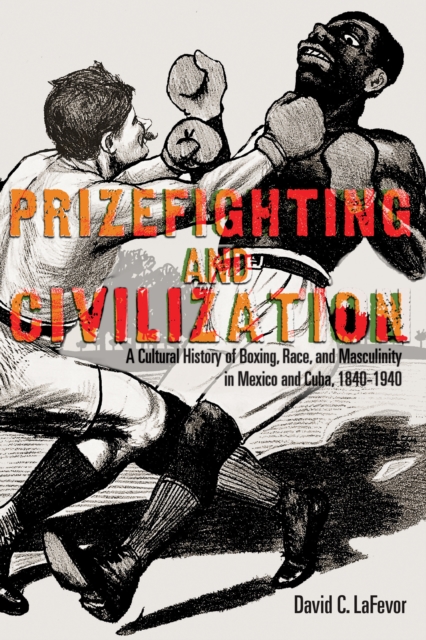
One of the most paradoxical aspects of Cuban history is the coexistence of national myths of racial harmony with lived experiences of racial inequality.
Examining the legacy of racial mixing in Indian Territory through the land and lives of two families, one of Cherokee Freedman descent and one of Muscogee Creek heritage, Darnella Davis's memoir writes a new chapter in the history of racial mixing on the frontier.
Mexico's National Indigenist Institute (INI) was at the vanguard of hemispheric indigenismo from 1951 through the mid-1970s, thanks to the innovative development projects that were first introduced at its pilot Tseltal-Tsotsil Coordinating Center in highland Chiapas.
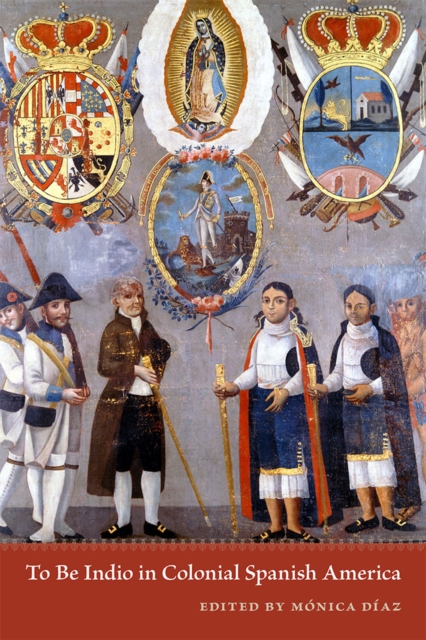
The conquest and colonization of the Americas imposed new social, legal, and cultural categories upon vast and varied populations of indigenous people.
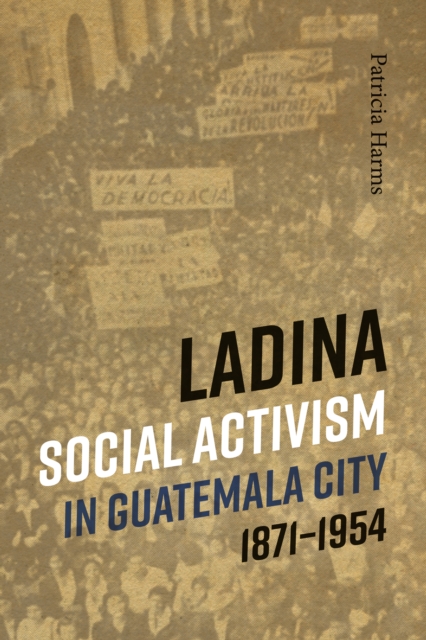
In this groundbreaking new study on ladinas in Guatemala City, Patricia Harms contests the virtual erasure of women from the country's national memory and its historical consciousness.
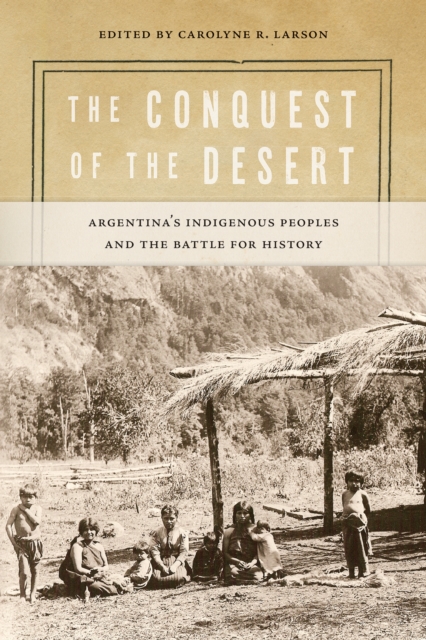
For more than one hundred years, the Conquest of the Desert (18781885) has marked Argentina's historical passage between eras, standing at the gateway to the nation's ';Golden Age' of progress, modernity, andmost contentiouslynational whiteness and the ';invisibilization' of Indigenous peoples.
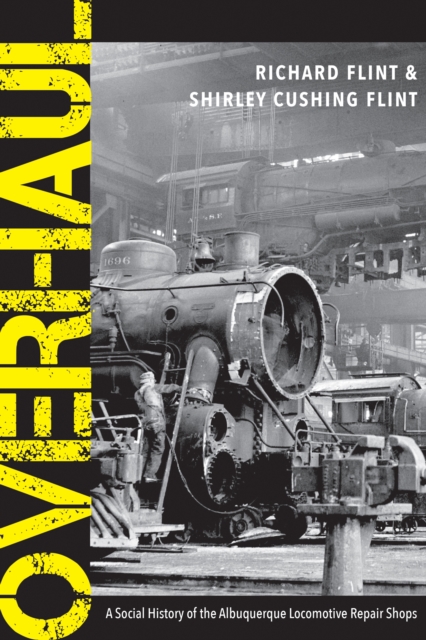
In Overhaul, historians Richard Flint and Shirley Cushing Flint present the largely forgotten story of Albuquerque's locomotive repair shops, which were the driving force behind the city's economy for more than seventy years.
The 1946 Mexican presidential election signaled the ascent of a new generation of cosmopolitan civilian government officials, led by the magnetic lawyer Miguel Alemn.
This provocative examination of Aztec marriage practices offers a powerful analysis of the dynamics of society and politics in Mexico before and after the Spanish conquest.
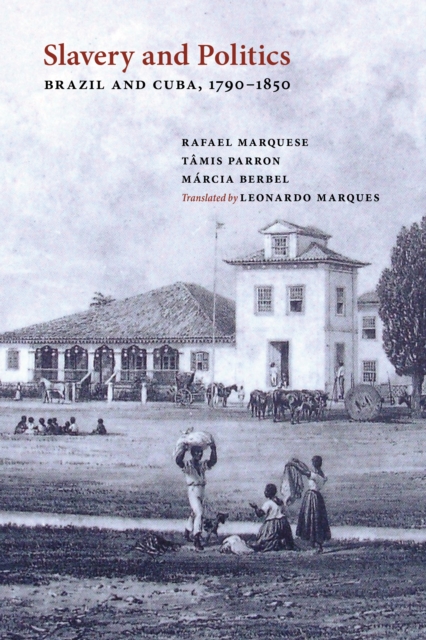
The politics of slavery and slave trade in nineteenth-century Cuba and Brazil is the subject of this acclaimed study, first published in Brazil in 2010 and now available for the first time in English.
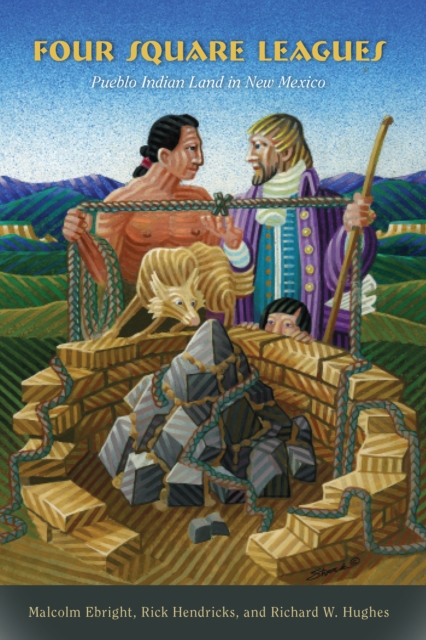
This long-awaited book is the most detailed and up-to-date account of the complex history of Pueblo Indian land in New Mexico, beginning in the late seventeenth century and continuing to the present day.
At the height of their power in the late eleventh century, the Chaco Anasazi dominated a territory in the American Southwest larger than any European principality of the time.
This thoughtful study challenges a number of widespread assumptions about the role of Catholicism in Mexican history by examining two related Catholic charities: the male Society of St.
Running more than 1,200 miles from headwaters in eastern New Mexico through the middle of Texas to the Gulf of Mexico, the Brazos River has frustrated developers for nearly two centuries.
The history of emotions is a new approach to social history, and this book is the first in English to systematically examine emotions in colonial Mexico.
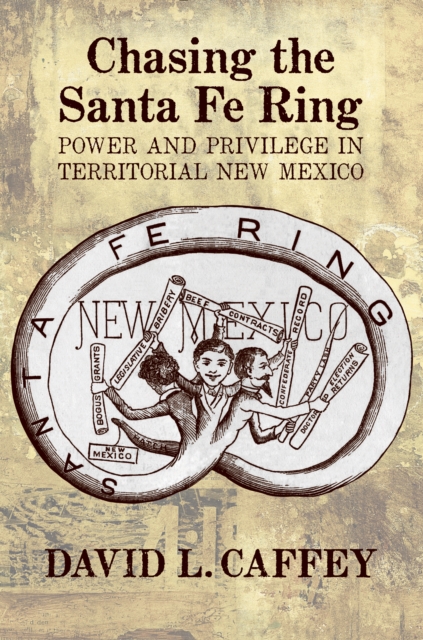
Anyone who has even a casual acquaintance with the history of New Mexico in the nineteenth century has heard of the Santa Fe Ringseekers of power and wealth in the postCivil War period famous for public corruption and for dispossessing land holders.
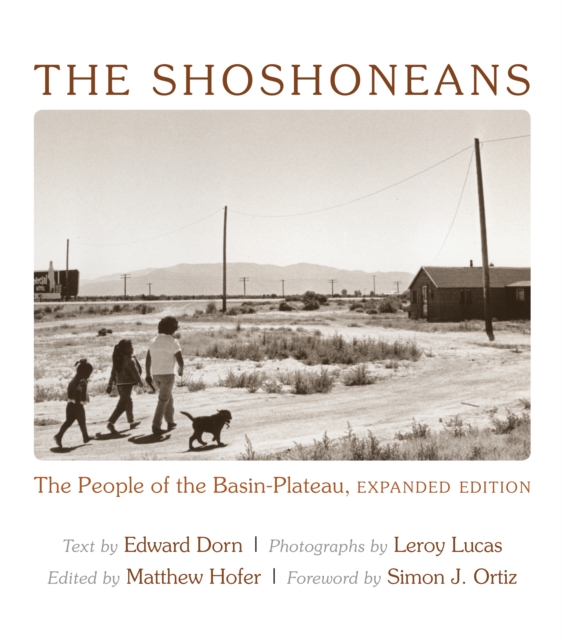
First published almost fifty years ago and long out of print, The Shoshoneans is a classic American travelogue about the Great Basin and Plateau region and the people who inhabit it, never beforeor sincedocumented in such striking and memorable fashion.
Gustavus Myers Outstanding Book Award from the Gustavus Myers Center for the Study of Bigotry and Human RightsThis new edition of an immensely influential book gives voice to Mexic Amerindian women silenced for hundreds of years by the dual censorship of being female and indigenous.
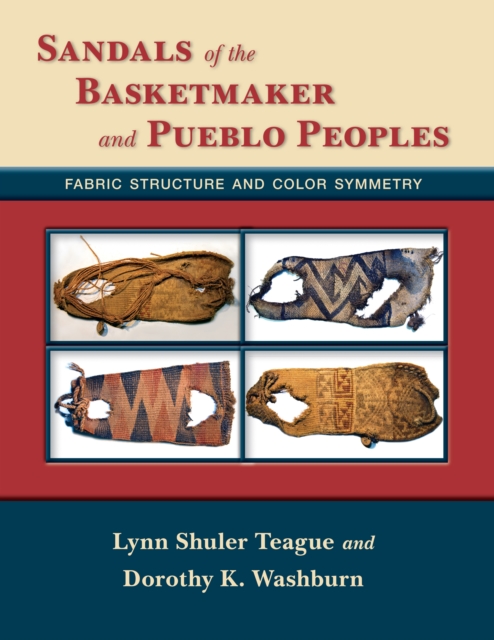
The decorated sandals worn by prehistoric southwesterners with their complex fiber structures and designs have been dissected, described, and interpreted for a century.
While much has been written about national history and citizenship, anthropologist Trevor Stack focuses on the history and citizenship of towns and cities.
In the flow of drugs to the United States from Latin America, women have always played key roles as bosses, business partners, money launderers, confidantes, and courierswork rarely acknowledged.
Although it never had a plantation-based economy, the Ro de la Plata region, comprising present-day Argentina, Uruguay, and Paraguay, has a long but neglected history of slave trading and slavery.
The most thorough account ever written of southwestern life in the early seventeenth century, this engaging book was first published in 1630 as an official report to the king of Spain by Fray Alonso de Benavides, a Portuguese Franciscan who was the third head of the mission churches of New Mexico.