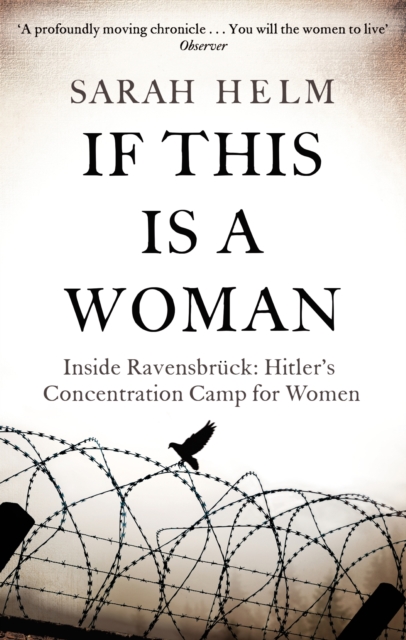
Winner of the Longman-History Today Book Prize: A 'profoundly moving chronicle' (Observer) that tells the story of Ravensbr ck, the only concentration camp designed specifically for women, using new testimony from survivorsOn a sunny morning in May 1939 a phalanx of 800 women - housewives, doctors, opera singers, politicians, prostitutes - were marched through the woods fifty miles north of Berlin, driven on past a shining lake, then herded through giant gates.
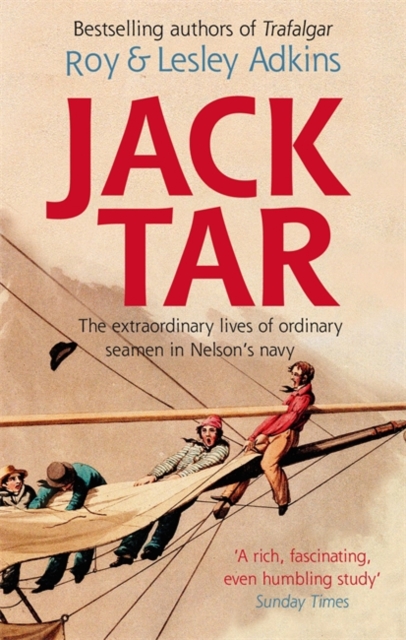
'An enthralling book' Sunday Telegraph'Fascinating' Sunday TimesThe Royal Navy to which Admiral Lord Nelson sacrificed his life depended on thousands of sailors and marines to man the great wind-powered wooden warships.
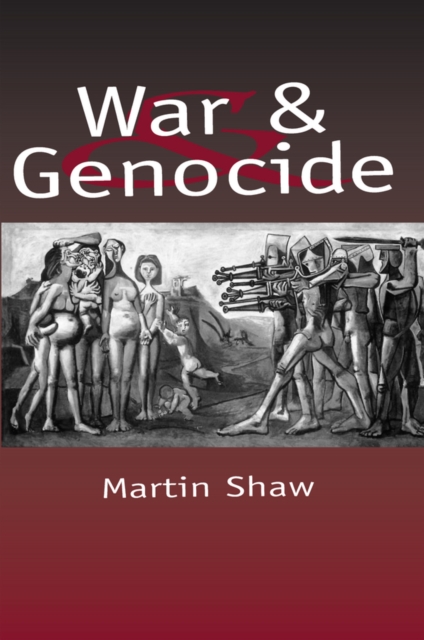
This comprehensive introduction to the study of war and genocide presents a disturbing case that the potential for slaughter is deeply rooted in the political, economic, social and ideological relations of the modern world.
In 1988, the renowned sociologist Pierre Bourdieu and the leading historian Roger Chartier met for a series of lively discussions that were broadcast on French public radio.
In this thought-provoking new book, Anthony Smith analyses key debates between historians and social scientists on the role of nations and nationalism in history.
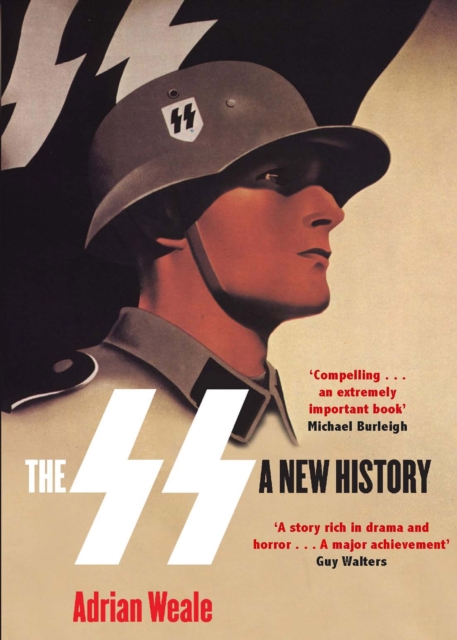
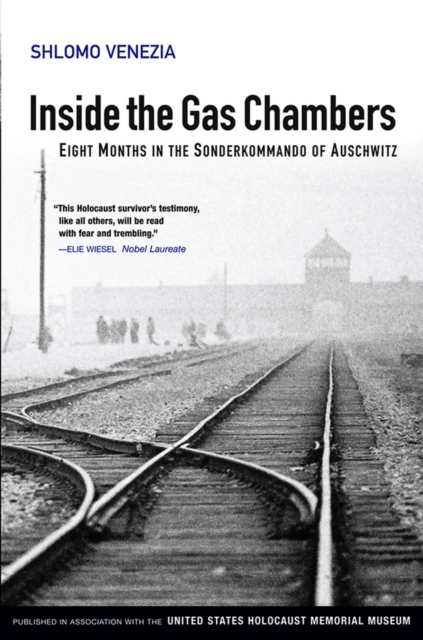
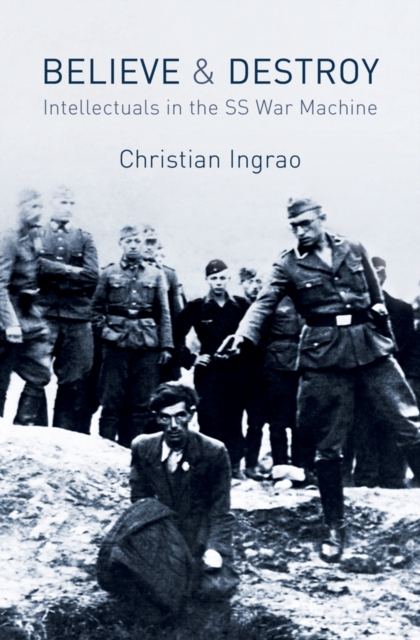
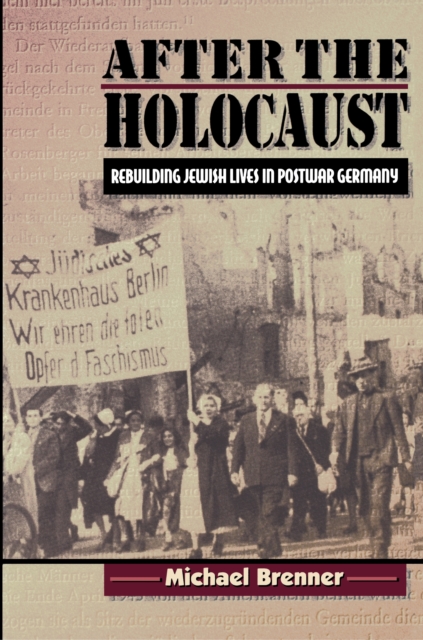
Terror was central to the Nazi regime, and the Nazi concentration camps were places of horror where prisoners were dehumanized and robbed of their dignity and where millions were murdered.
Sociology began as a historical discipline, created by Marx, Weber and others, to explain the emergence and consequences of rational, capitalist society.
This book presents a series of pioneering studies which together constitute a reappraisal of our understanding of the relationship between gender and history.
In this book Peter Burke adopts a socio-cultural approach to examine the changes in the organization of knowledge in Europe from the invention of printing to the publication of the French Encyclop die.
The aim of this book is both to illustrate and to discuss some of the main varieties of cultural history which have emerged since the questioning of what might be called its "e;classic"e; form, exemplified in the work of Jacob Burckhardt and Johan Huizinga.
The Art of Conversation is a major contribution to the social history of language - a relatively new field which has become the focus of lively interdisciplinary debate in recent years.
Katyn the Soviet massacre of over 21,000 Polish prisoners in 1940 has come to be remembered as Stalin s emblematic mass murder, an event obscured by one of the most extensive cover-ups in history.
Peter Burke follows up his magisterial Social History of Knowledge, picking up where the first volume left off around 1750 at the publication of the French Encyclop die and following the story through to Wikipedia.
Nineteenth-Century Europe offers a much-needed concise and fresh look at European culture between the Great Revolution in France and the First World War.
Sociology is concerned with modern society, but has never come to terms with one of the most distinctive and horrific aspects of modernity - the Holocaust.
A history of the extraordinary society that has touched all aspects of British lifeFrom its beginnings in a coffee house in the mid-eighteenth century, the Royal Society for the Encouragement of Arts, Manufactures and Commerce has tried to improve British life in every way imaginable.
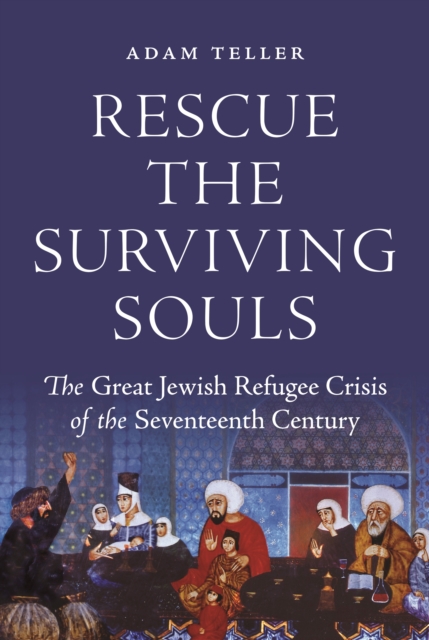
A groundbreaking examination of a little-known but defining episode in early modern Jewish history A refugee crisis of huge proportions erupted as a result of the mid-seventeenth-century wars in the Polish-Lithuanian Commonwealth.
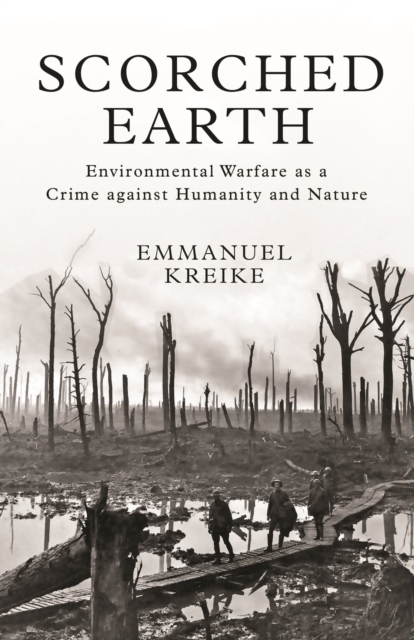
A global history of environmental warfare and the case for why it should be a crimeThe environmental infrastructure that sustains human societies has been a target and instrument of war for centuries, resulting in famine and disease, displaced populations, and the devastation of people's livelihoods and ways of life.
Why most modern revolutions have ended in bloodshed and failure-and what lessons they hold for today's world of growing extremismWhy have so many of the iconic revolutions of modern times ended in bloody tragedies?