Winner of the 2023 Chinese Historians in the United States Book AwardA survey of Chinese naval operational history, Li's book focuses on the major battles and important engagements of more than 1,200 Chinese naval operations from 1949-2009, including the joint landing campaigns in the Taiwan Strait Crises, naval battles in the South China Sea, air defense against American pilots during Operation Rolling Thunder, and anti-piracy operations in Africa.
Off-beat, irreverent and subversive a Jewish family memoir about convenient delusions and unsayable truths, from the acclaimed author of the cult classic novel, Submarine'The best book I ve read in the past year .
Using contemporary documents, police files, Home Office papers and newspaper reports, 'Jack the Ripper: The Facts' recreates the notorious crimes and police investigation of 1888 to provide the best available overview of the 'Great Victorian Mystery', the greatest unsolved, true crime story of all time.
THE SUNDAY TIMES TOP TEN BESTSELLERA History Today Best Book of the Year 2025 Elegantly written and powerfully argued it ranks among the best works on this terrible period Sunday TimesA biographical study of Hitler's inner circle offers a new way to understand the horrors of the Nazi regimeWhy did so many Germans take part in the crimes of Nazi Germany?
'[A] rich, stylish and immersive epic'Irish Independent'Deeply researched and fascinating'The Guardian'[Rory Carroll is] an exceptionally gifted storyteller' Max Hastings'A gripping read' The i Paper'A thrilling account of one of the most unpredictable, memorable and poignant figures in our history' Irish TimesThe Irish Times No.
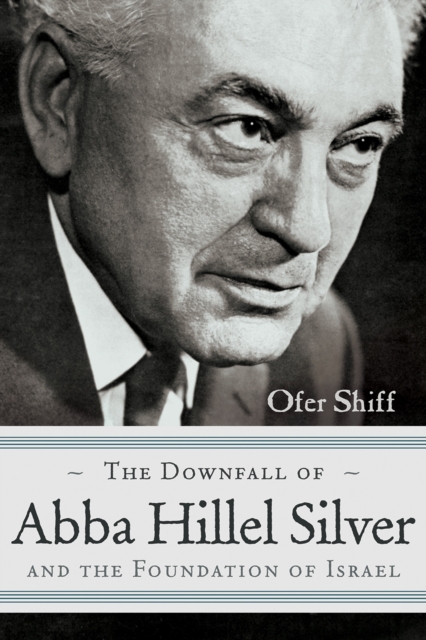
In early February 1949, American Jewry's most popular and powerful leader, Abba Hillel Silver (1893-1963), had summarily resigned from all his official positions within the Zionist movement and had left New York for Cleveland, returning to his post as a Reform rabbi.
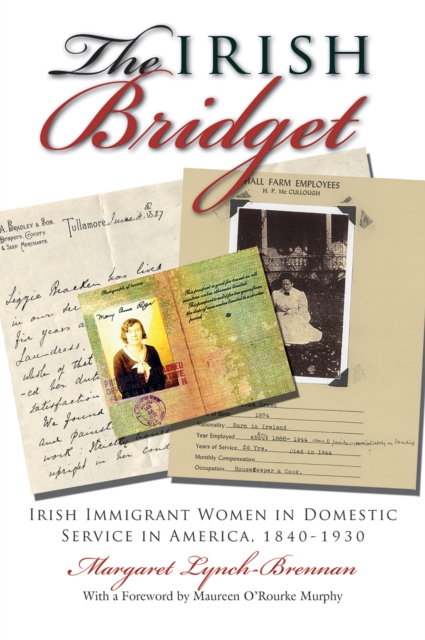
"e;Bridget"e; was the Irish immigrant servant girl who worked in American homes from the second half of the nineteenth century into the early years of the twentieth.
In the fourth and final volume of the Memory Ireland series, Frawley and O'Callaghan explore the manifestations and values of cultural memory in Joyce's Ireland, both real and imagined.
Jews in Nazi-occupied Warsaw during the 1940s were under increasing threat as they were stripped of their rights and forced to live in a guarded ghetto away from the non-Jewish Polish population.
An Age of Hubris is the first comprehensive overview of the impact of missionary enterprise on the Xhosa chiefdoms of South Africa in the first half of the nineteenth century, chronicling a world punctuated by war and millenarian eruptions, and the steady encroachment of settler land hunger and colonial hegemony.
An Age of Hubris is the first comprehensive overview of the impact of missionary enterprise on the Xhosa chiefdoms of South Africa in the first half of the nineteenth century, chronicling a world punctuated by war and millenarian eruptions, and the steady encroachment of settler land hunger and colonial hegemony.
The history of African Americans in southern Appalachia after the Civil War has largely escaped the attention of scholars of both African Americans and the region.
Across the eighteenth century in Britain, readers, writers, and theater-goers were fascinated by women who dressed in men's clothing-from actresses on stage who showed their shapely legs to advantage in men's breeches to stories of valiant female soldiers and ruthless female pirates.
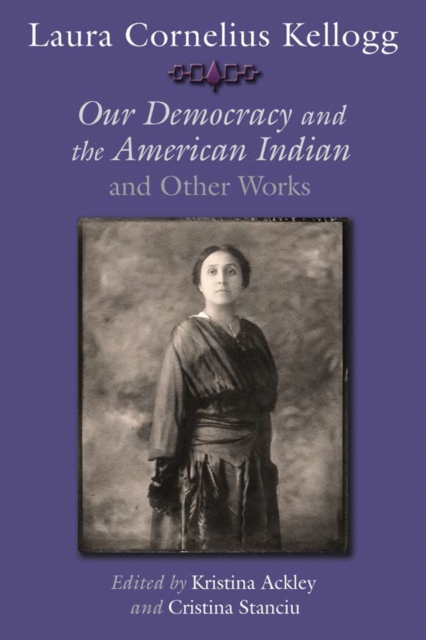
Native Americans in the United States, similar to other indigenous people, created political, economic, and social movements to meet and adjust to major changes that impacted their cultures.
Traditional Anishinaabe (Ojibwe or Chippewa) knowledge, like the knowledge systems of indigenous peoples around the world, has long been collected and presented by researchers who were not a part of the culture they observed.
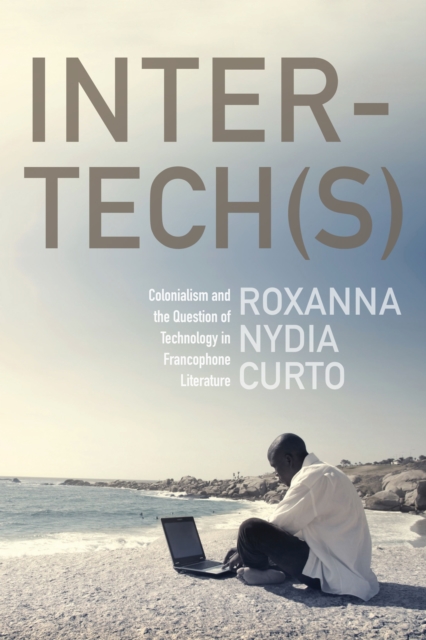
Challenging the notion that francophone literature generally valorizes a traditional, natural mode of being over a scientific, modern one, Inter-tech(s) proposes a new understanding of the relationship between France and its former colonies in Africa and the Caribbean by exploring how various postindependence authors depict technology as a mediator between them.
Winner of 'Best Book' and 'Impact for Change' True Crime Awards 2025The shocking true story of one of Britain's most secretive, groundbreaking and successful police covert operationsBristol, 1979.
In The Geometry of Genocide, Bradley Campbell argues that genocide is best understood not as deviant behavior but as social control-a response to perceived deviant behavior on the part of victims.
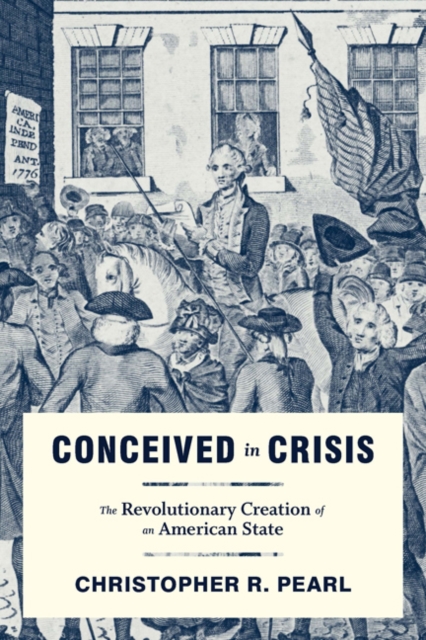
Conceived in Crisis argues that the American Revolution was not just the product of the Imperial Crisis, brought on by Parliament's attempt to impose a new idea of empire on the American colonies.
In this culminating work of a long and distinguished career, historian Bertram Wyatt-Brown looks at the theme of honor-a subject on which he was the acknowledged expert-and places it in a broader historical and cultural context than ever before.
Opening with the ominous scene of one young school girl whispering an urgent account of Nazi horror to another over birthday cake, Ozsvath's extraordinary and chilling memoir tells the story of her childhood in Hun-gary, living under the threat of the Holocaust.
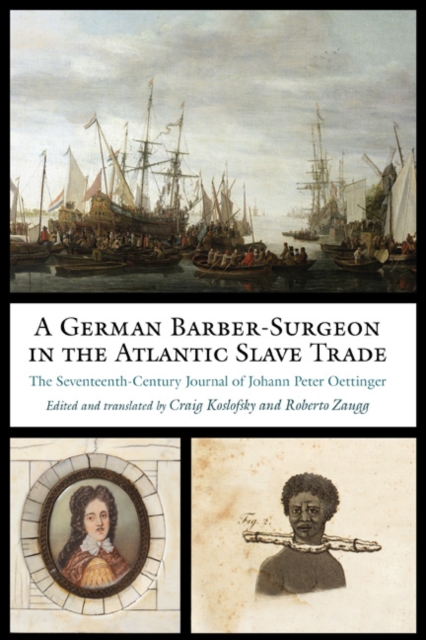
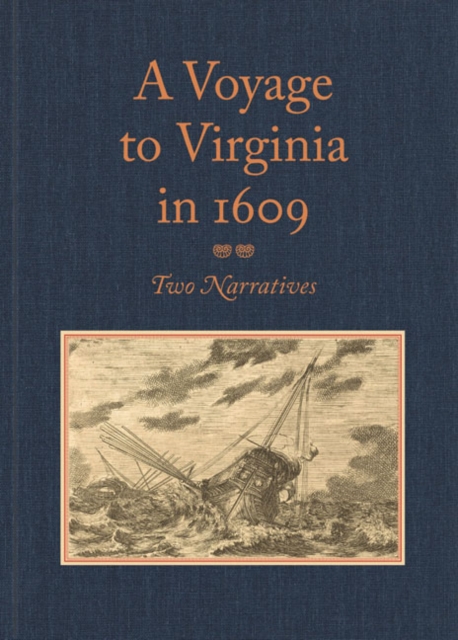
As he traveled across Germany and the Netherlands and sailed on Dutch and Brandenburg slave ships to the Caribbean and Africa from 1682 to 1696, the young German barber-surgeon Johann Peter Oettinger (1666-1746) recorded his experiences in a detailed journal, discovered by Roberto Zaugg and Craig Koslofsky in a Berlin archive.
Traditional Anishinaabe (Ojibwe or Chippewa) knowledge, like the knowledge systems of indigenous peoples around the world, has long been collected and presented by researchers who were not a part of the culture they observed.
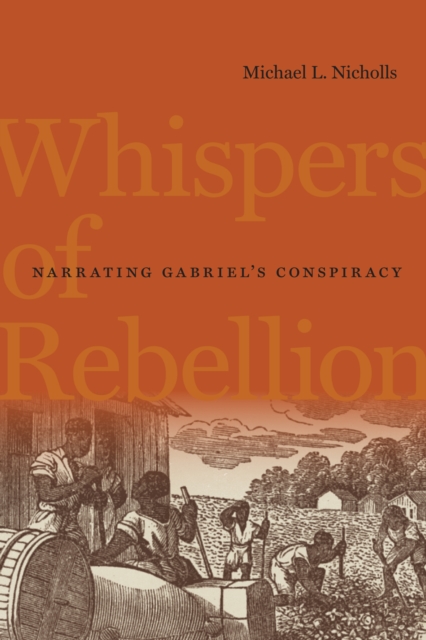
An ambitious but abortive plan to revolt that ended in the conviction and hanging of over two dozen men, Gabriel's Conspiracy of 1800 sought nothing less than to capture the capital city of Richmond and end slavery in Virginia.
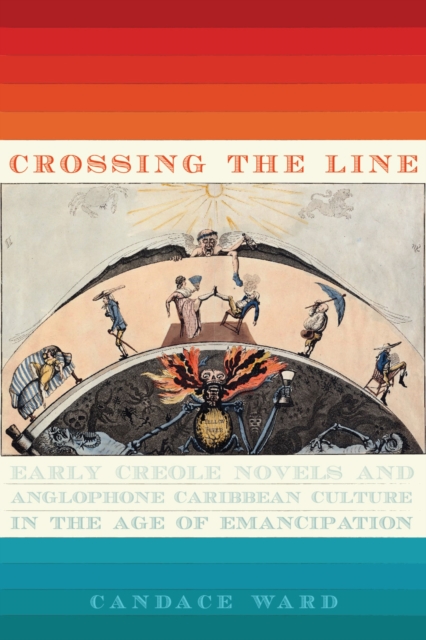
Crossing the Line examines a group of early nineteenth-century novels by white creoles, writers whose identities and perspectives were shaped by their experiences in Britain's Caribbean colonies.
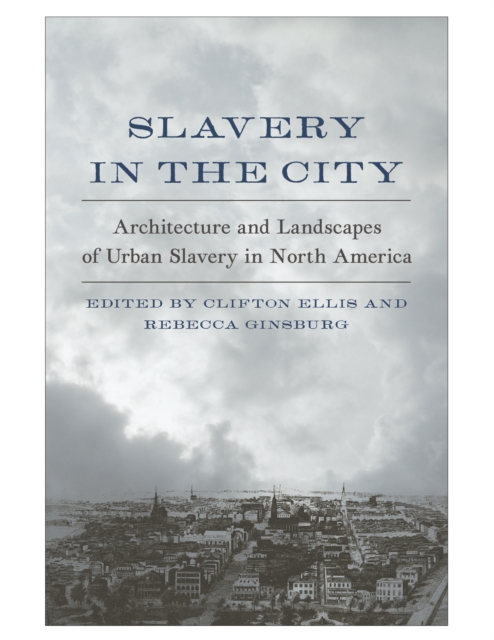
Countering the widespread misconception that slavery existed only on plantations, and that urban areas were immune from its impacts, Slavery in the City is the first volume to deal exclusively with the impact of North American slavery on urban design and city life during the antebellum period.
Commercial Poultry Production on Maryland's Lower Eastern Shore traces the beginnings and development of commercial poultry production in this very important region.
Christopher Freeburg's Black Aesthetics and the Interior Life offers a crucial new reading of a neglected aspect of African American literature and art across the long twentieth century.
This book concerns the life and theatrical career of the great native-born English composer and musician of the eighteenth century, Thomas Augustine Arne (1710-1778).
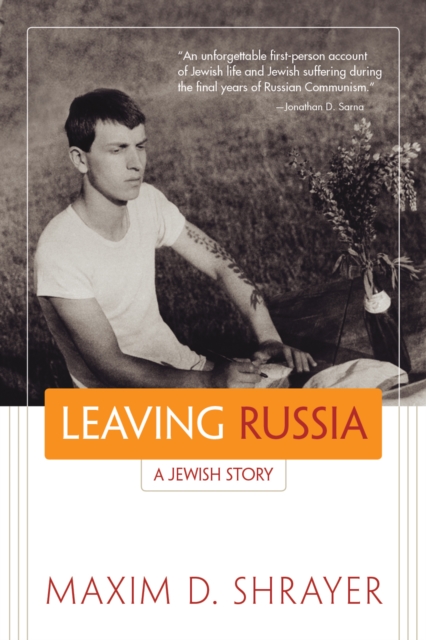
Narrated in the tradition of Tolstoy's confessional trilogy and Nabokov's autobiog-raphy, Leaving Russia: A Jewish Story is a searing account of growing up a Jewish refusenik, of a young poet's rebellion against totalitarian culture, and of Soviet fantasies of the West during the Cold War.