Der interdisziplinär angelegte Arbeitskreis für moderne Sozialgeschichte wurde 1957 von Werner Conze und einer kleinen Gruppe von Historikern, Sozialwissenschaftlern, Ökonomen, Theologen und Juristen ins Leben gerufen.
Die paternalistisch-autoritäre Gesellschaftsvorstellung der SED sah persönliches Engagement nur innerhalb staatlicher Strukturen vor, eine gesellschaftliche Selbstorganisation war in der DDR unerwünscht.
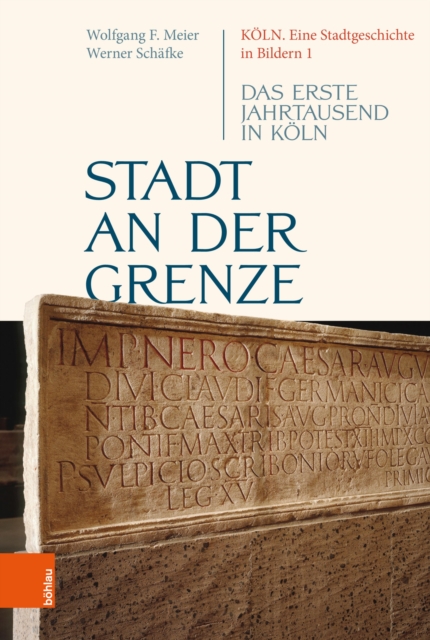
Der erste Band der Stadtgeschichte in Bildern führt den Blick auf Kölns Entwicklung von der Gründung an der Grenze des römischen Imperiums zum Glanz der Metropole im Westen des deutschen Kaiserreichs.
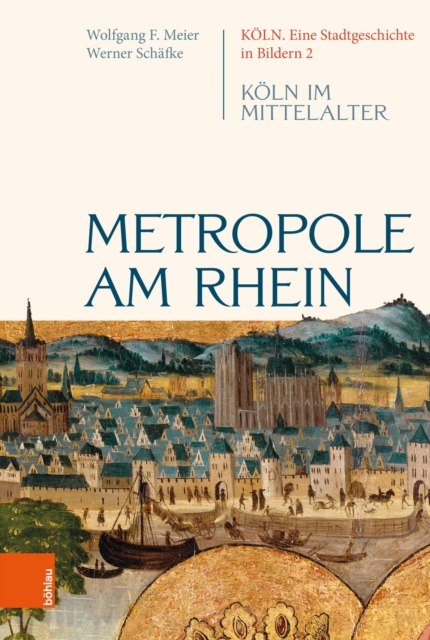
Der zweite Band begleitet den Weg der mittelalterlichen Metropole Köln in eine durch Renaissance und Reformation verwandelte Welt: Die "Ankunft" der Heiligen Drei Könige bringt neuen Glanz in die Stadt.
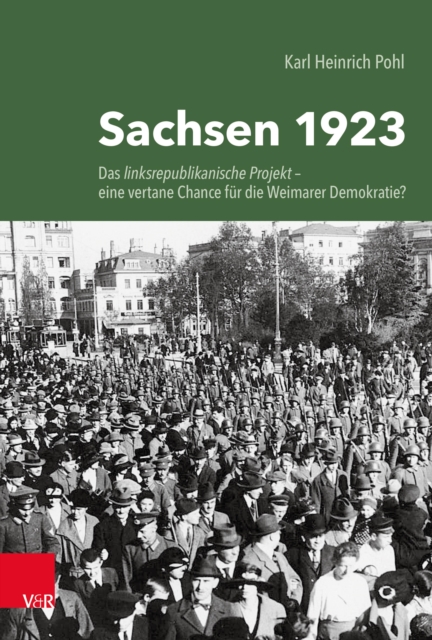
Das Jahr 1923 steht für eine schwere Krise: Besetzung des Ruhrgebietes, Inflation, Wirtschaftskrise, Hitlerputsch und schließlich die sogenannten kommunistischen Putschversuche in Sachsen.
The biography and correspondence of Chuprov are additionally based on many archival sources and newspaper articles and his work is critically described.
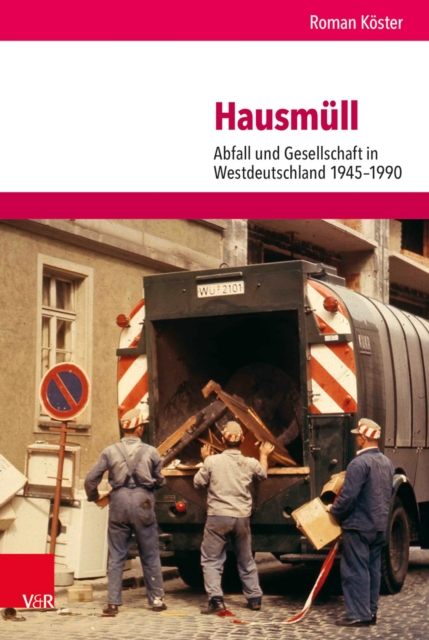
Nach dem Zweiten Weltkrieg musste sich die westdeutsche Gesellschaft mit einer bis dahin unbekannten Nebenfolge der Konsumgesellschaft auseinandersetzen: Einer dramatischen, in dieser Form bislang nicht gekannten Steigerung der Abfallmengen.
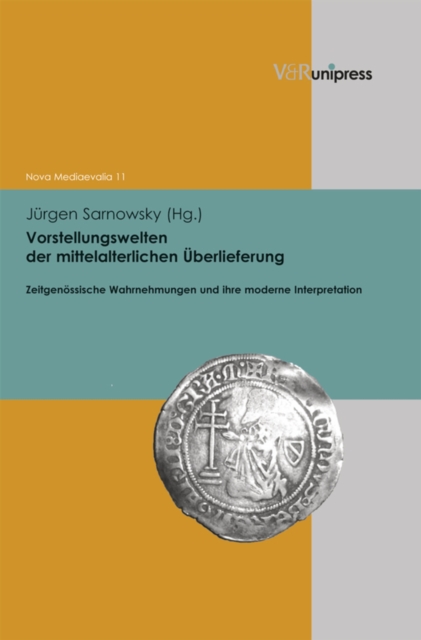
For the past few decades, modern scholars of mediaeval studies have no longer enquired merely into "what it was really like" when interpreting sources, but have tried to get a closer insight into the images, perceptions and ideas of people in the Middle Ages.
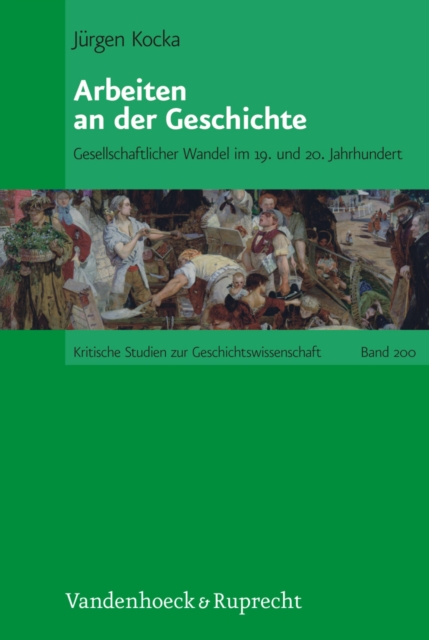
The science of history has changed considerably in the last few decades, and the writings of Jürgen Kocka from the past 40 years reflect these changes, from the controversial rise of social history in the 1960s to the influence of constructivist cultural history in the 1980s and the modern interest in transnationality and global history.
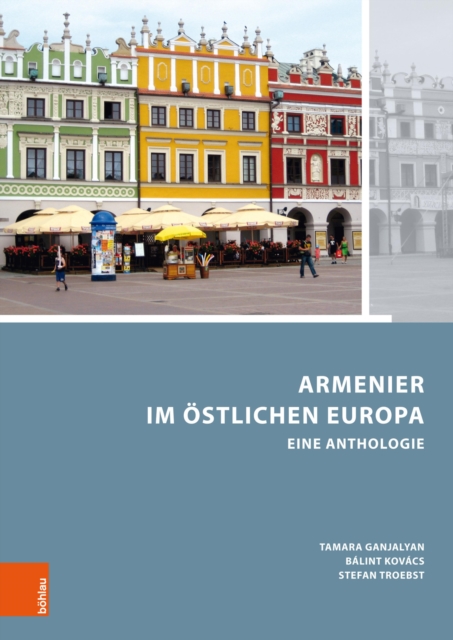
Der Auftaktband der neuen Reihe präsentiert zentrale Texte zur Erforschung der armenischen Geschichte und Kultur teilweise erstmalig in deutscher übersetzung.
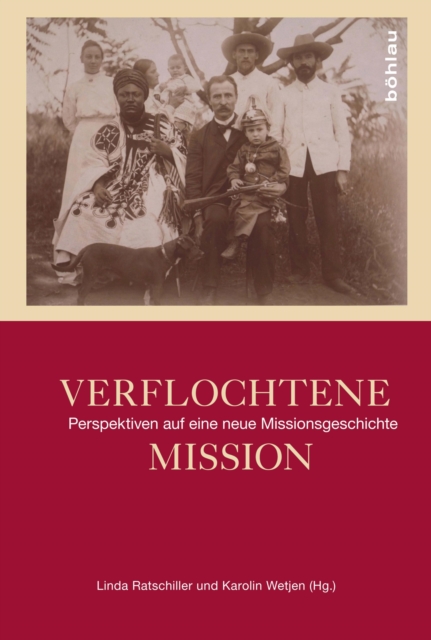
Durch das steigende Interesse an interkulturellem Austausch und interreligiöser Begegnung rückte auch das Interesse an der Geschichte christlicher Missionen in den letzten Jahren in den Fokus der Forschung.
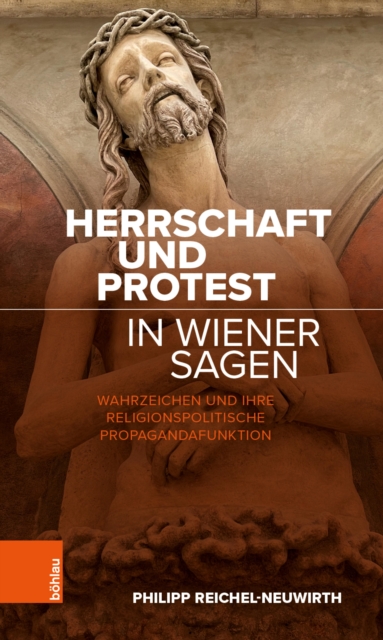
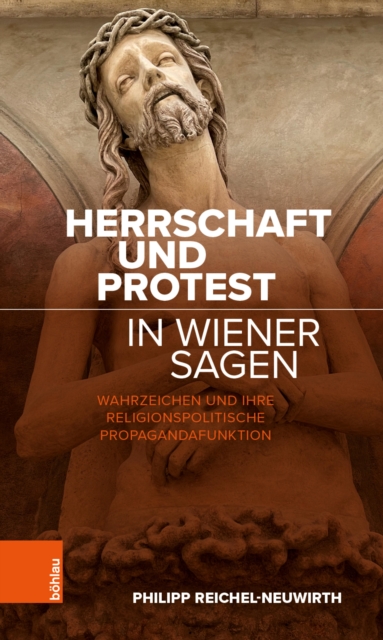
Stock im Eisen, Basilisk, Zahnwehherrgott: Wiener Sagen sind fantastische Erklärungsversuche für die städtischen Wahrzeichen, deren einstige Bedeutungen im Dunkeln liegen.
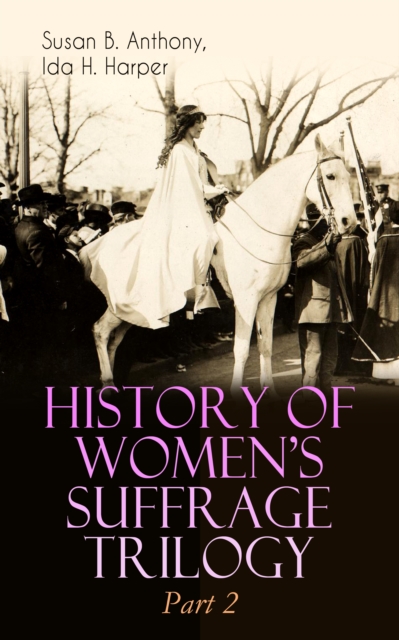
History of Women's Suffrage Trilogy - Part 2 offers a documentary and narrative account of the struggle for political equality, combining historical chronicle, reformist argument, organizational record, and public testimony.
Henrik Ibsen's 'Peer Gynt' is a seminal work of Scandinavian literature, blending realism and folkloric elements to tell the story of a brash and adventurous young man on a journey of self-discovery.
Olga von Boznańska (1865–1940) und Otolia Gräfin Kraszewska (1859–1945) gehören der ersten Generation von Künstlerinnen an, die professionell tätig waren und damit auch teilweise ihren Lebensunterhalt selbst bestritten.
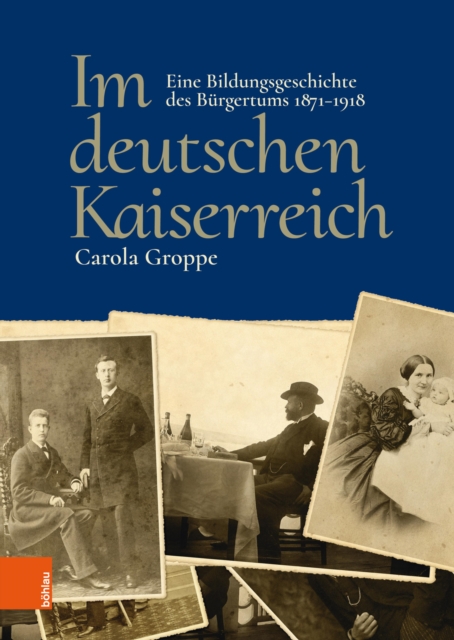
Am Beispiel einer weitverzweigten Unternehmerfamilie geht das Buch der Bildungsgeschichte des Bürgertums im deutschen Kaiserreich zwischen 1871 und dem Ende des Ersten Weltkriegs 1918 nach.
Stock im Eisen, Basilisk, Zahnwehherrgott: Wiener Sagen sind fantastische Erklärungsversuche für die städtischen Wahrzeichen, deren einstige Bedeutungen im Dunkeln liegen.
An unforgettable collection of retold myths and folk tales, celebrating the wisdom and power of women in midlife and beyond, from the award-winning author of Hagitude'An extra ordinary selection of stories .
Die Einführung der modernen Forstwirtschaft in Tansania während der deutschen Kolonialzeit ging mit massiven Eingriffen in die Landnutzungsrechte lokaler Bevölkerungsgruppen einher.
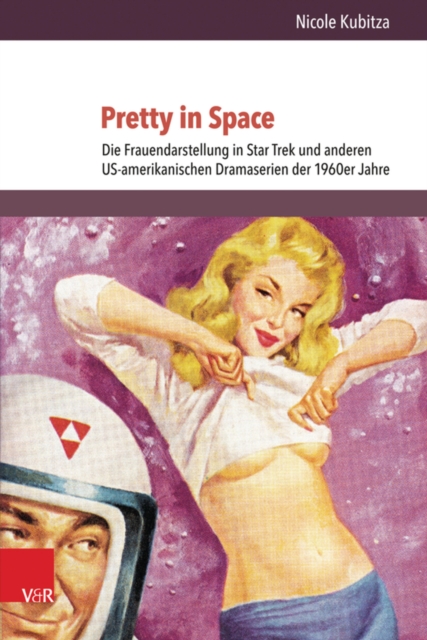
The volume analyses how a medium like the TV show, which firstly has to entertain a mass audience and serve a commercial purpose, could deal with a new discourse like the beginning of Second Wave Feminism in the USA during the 1960s, with a specific focus on Star Trek: The Original Series.
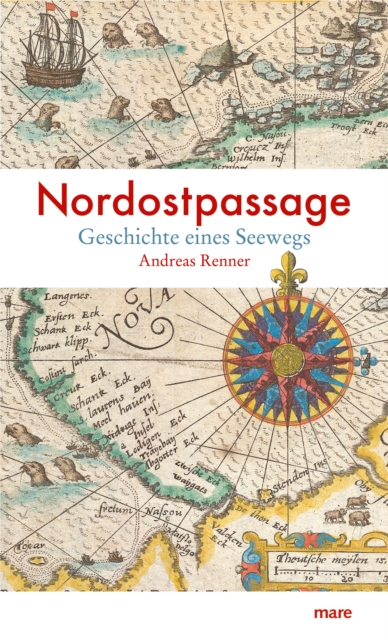
Jahrhundertelang träumten europäische Seefahrer vergeblich von einer Ostroute durchs sibirische Eismeer: Willem Barents und Vitus Bering erlagen nach ihren »Entdeckungen« Spitzbergens und der Beringstraße den Strapazen ihrer Expeditionen, und selbst der erfolgsverwöhnte James Cook scheiterte an der Suche nach dem östlichen Ausgang aus den Eismassen.
In ›Die Erfindung der Namen‹ taucht der Leser in eine faszinierende Welt ein, in der die Bedeutung von Namen nicht nur eine kulturelle Nuance ist, sondern eine grundlegende Rolle im menschlichen Dasein spielt.
Des Kaisers Platz an der Sonne: die Kolonie Deutsch OstafrikaDie deutschen Kolonien (offiziell Schutzgebiete genannt) wurden vom Deutschen Reich ab den 1880er Jahren erworben und es bestand aus den überseeischen Kolonien, Dependenzen und Territorien des Deutschen Reiches.
Nadie mejor que François Dosse para asumir semejante reto: escribir una narrativa, panorámica y sistemática, de la aventura histórica y creativa de los intelectuales franceses en su momento de hegemonía mundial.
Die Niederlande waren für deutsche Juden während des Nationalsozialismus ein Land der Hoffnung, eines neuen Alltags, der enttäuschten Erwartungen und der erneuten VerfolgungDie antisemitische Politik des "Dritten Reiches" veranlasste in den 1930er-Jahren Hundertausende Juden zur Flucht aus Deutschland.
Der Hexenhammer (Malleus maleficarum) ist ein Werk zur Legitimation der Hexenverfolgung, das der Dominikaner Heinrich Kramer nach heutigem Forschungsstand im Jahre 1486 veröffentlichte.
*AS HEARD ON RADIO 4 BOOK OF THE WEEK* THE INTERNATIONAL #1 BESTSELLER SHORTLISTED FOR THE AN POST IRISH BOOK AWARDS 2024 NON-FICTION BOOK OF THE YEAR A WATERSTONES NON-FICTION BOOK OF THE YEAR 2024 ANOBSERVERBOOK OF THE YEAR 2024AN ECONOMIST BOOK OF THE YEAR 2024 A FINANCIAL TIMES ECONOMICS BOOK OF THE YEAR 2024 A PROSPECT BOOK OF THE YEAR 2024 ';A breathtaking, expansive and imaginative ride through the history and future of money from an author who truly understands it'PROFESSOR BRIAN COX ';Exceptional' FINANCIAL TIMES ';A cracking book that is as enjoyable as it is readable'PETER FRANKOPAN ';Equally entertaining and insightful'YANIS VAROUFAKIS _______________________________________________________ MONEY.