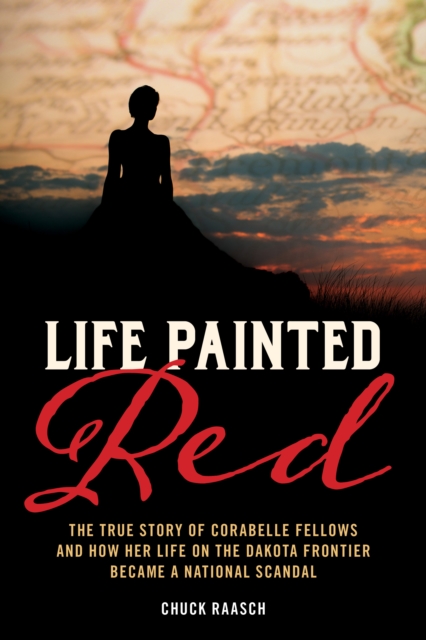
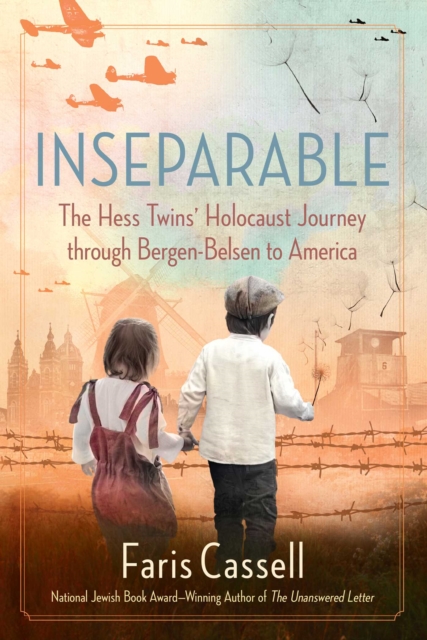
In 1884, twenty-three-year-old Corabelle Fellows left her family in Washington, DC, and journeyed out West to teach Native children in Nebraska and Dakota Territory.
WINNER OF THE EASTERN EYE AWARD FOR NON-FICTION'A brilliantly enlightening book'Michael Rosen'A kaleidoscopic portrait of the UK'Irish Times'I cannot recommend it highly enough'Priscilla Morris, author of Black ButterfliesOUR NAMES OUR SO MUNDANE WE HARDLY NOTICE THEM.
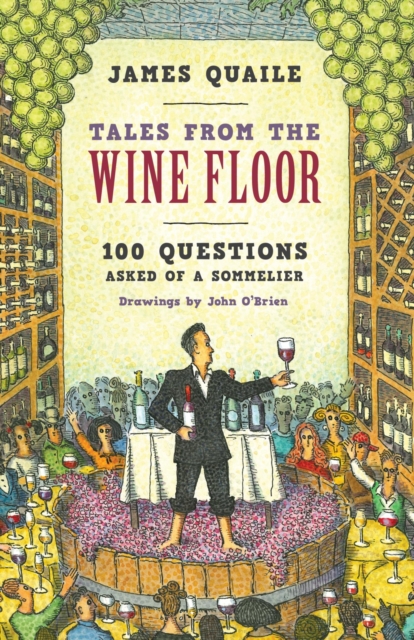
Unlike most books on wine nowadays, Tales from the Wine Floor is geared toward true beginnersthose who enjoy wine but lack the most basic understanding of it.
Unlike most books on wine nowadays, Tales from the Wine Floor is geared toward true beginnersthose who enjoy wine but lack the most basic understanding of it.
Nevada, 2001: Mitka Kalinski führt ein scheinbar perfektes Familienleben - doch was niemand weiß: Er trägt ein düsteres Geheimnis in sich, das er seit vielen Jahren vor der Außenwelt verbirgt.
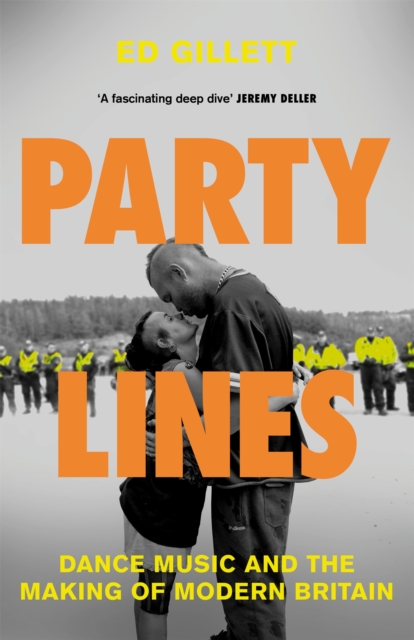
'An excellent history of UK dance culture' - The Sunday Times'Engrossing history' - The ObserverFrom the illicit reggae blues dances and acid-rock free festivals of the 1970s, through the ecstasy-fuelled Second Summer of Love in 1988 to the increasingly corporate dance music culture of the post-Covid era, Party Lines is a groundbreaking new history of UK dance music from journalist and filmmaker Ed Gillett, exploring its pivotal role in the social, political and economic shifts on which modern Britain has been built.
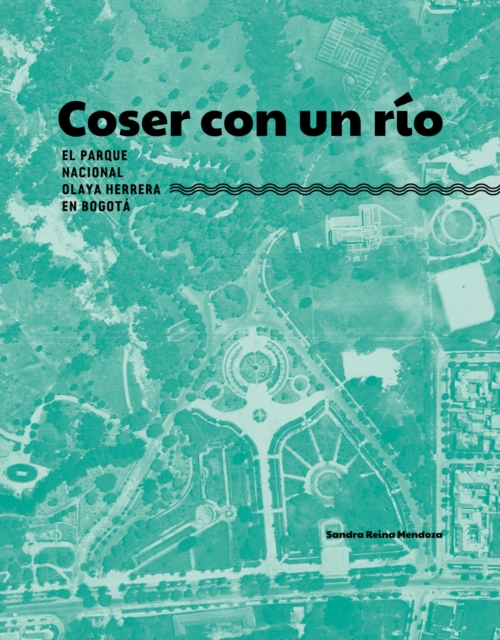
Cuando se hace referencia al parque Nacional, predomina la percepción de que su distribución se dispone en sentido sur-norte sobre la carrera Séptima de Bogotá.
Beinahe 30 Jahre lang glänzte die »Völkerfreundschaft« zwischen Kuba und der DDR im öffentlichen Diskurs der SED als Musterbeispiel ihres proletarischen Internationalismus.
Somerville s infectious enthusiasm and wry humour infuse his journey from the Isle of Lewis to southern England, revealing our rich geological history with vibrant local and natural history Observer A meticulous exploration of the ground beneath our feet.
**LONGLISTED FOR THE WOMEN S PRIZE FOR NON-FICTION 2024** Unmissable Stephen Fry'A delight' Katherine Rundell Illuminating Susie Dent'Brilliant' Philippa Perry'Enthralling' Jeanette WintersonWhat do three murderers, Karl Marx's daughter and a vegetarian vicar have in common?
Die Mythen und Legenden Vorderasiens sind mehr als nur Geschichten: Sie sind Fenster zu vergangenen Zivilisationen, die uns zeigen, wie unsere Vorfahren die Welt um sich herum wahrnahmen.
WINNER OF THE 2025 PULITZER PRIZE Winner of the Pushkin House Russian Book Prize *; Shortlisted for the Cundill History PrizeA riveting history (Wall Street Journal) of the Soviet dissident movement, which hastened the end of the USSR and still provides a model of opposition in Putin's Russiaand beyond';A book about a past time that is very much a book for our time.
The dark history of eugenic thought in Germany from the nineteenth century to todayand the courageous countervoicesBetween 1939 and 1945, Nazi genocide claimed the lives of nearly three hundred thousand people diagnosed with psychiatric illness or cognitive deficiencies.
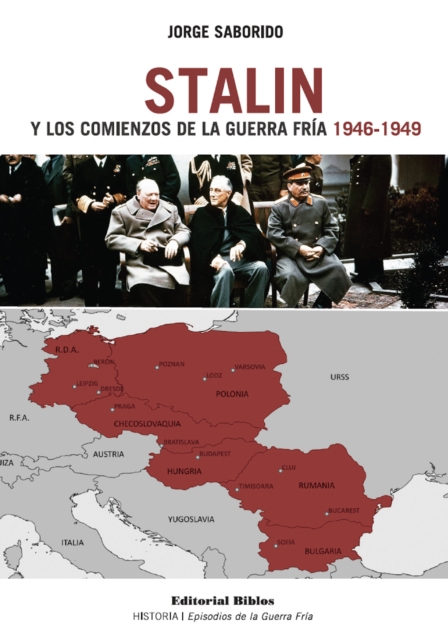
Los años posteriores a la derrota de las potencias del Eje dieron lugar a un mundo bipolar dominado por el enfrentamiento entre dos fuerzas ideológicamente opuestas, cada una con una dotación de armamento capaz de asegurar la destrucción del planeta.
An Economist, GQ and Times Book of the Year 2025An ambitious history of masculinity and family, from the Bronze Age to the contemporary 'crisis of men', Fatherhood dares to offer a more caring and affirmative vision of the roles men play at home and in the world.
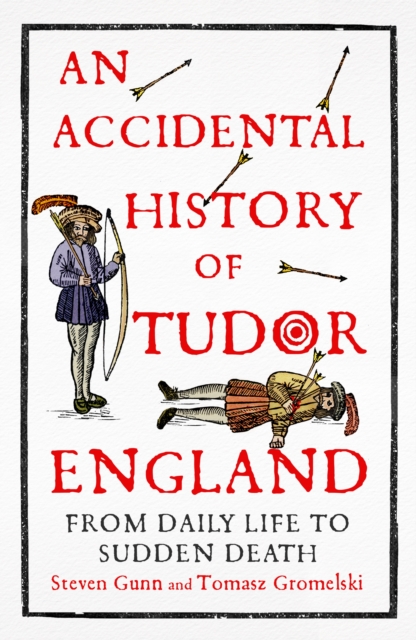
'Brilliant, unpredictable and endlessly fascinating' IAN MORTIMER'I love this book' TRACY BORMAN'Gunn and Gromelski cast a brilliant light into a lost world' SUSAN BRIGDENA unique new window onto Tudor life, told through ordinary people's untimely deaths.
Nach einer großen Resonanz der Erstauflage dieses Buches von 2014 in der Fachwelt liegt nun eine ergänzte Untersuchung zur Darstellung jüdischer Geschichte in Schulbüchern und eine erweiterte Analyse inhaltlicher und didaktischer Probleme vor.