The essays in this collection represent the explosion of scholarly interest since the 1960s in the pioneering feminist, philosopher, novelist, and political theorist, Mary Wollstonecraft.
The essays in this collection represent the explosion of scholarly interest since the 1960s in the pioneering feminist, philosopher, novelist, and political theorist, Mary Wollstonecraft.
This book explores noteworthy approaches to modal syllogistic adopted by medieval logicians including Abelard, Albert the Great, Avicenna, AverrA es, Jean Buridan, Richard Campsall, Robert Kilwardby, and William of Ockham.
This book explores noteworthy approaches to modal syllogistic adopted by medieval logicians including Abelard, Albert the Great, Avicenna, AverrA es, Jean Buridan, Richard Campsall, Robert Kilwardby, and William of Ockham.
Melancholy is rightly taken to be a central topic of concern in early modern culture, and it continues to generate scholarly interest among historians of medicine, literature, psychiatry and religion.
Melancholy is rightly taken to be a central topic of concern in early modern culture, and it continues to generate scholarly interest among historians of medicine, literature, psychiatry and religion.
Michel Foucault was one of the twentieth century's most influential thinkers whose work has unsettled and transformed the field of social philosophy and the social sciences.
Michel Foucault was one of the twentieth century's most influential thinkers whose work has unsettled and transformed the field of social philosophy and the social sciences.
Between the religious massacres, conflicts and martyrdoms that characterised much of Reformation Europe, there seems little room for a consideration of the concept of moderation.
Between the religious massacres, conflicts and martyrdoms that characterised much of Reformation Europe, there seems little room for a consideration of the concept of moderation.
The emergence of the modern nation state in Europe and the accompanying rise in national consciousness led to a heightened awareness of the close relationship between language and national identity.
The emergence of the modern nation state in Europe and the accompanying rise in national consciousness led to a heightened awareness of the close relationship between language and national identity.
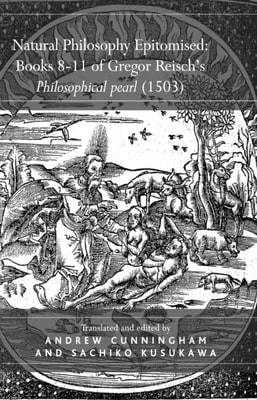
Gregor Reisch's The Philosophical pearl (Margarita Philosophica), first published in 1503 and republished 11 times in the sixteenth century, was the first extensive printed text which discussed the disciplines taught at university to achieve widespread dissemination.
Gregor Reisch's The Philosophical pearl (Margarita Philosophica), first published in 1503 and republished 11 times in the sixteenth century, was the first extensive printed text which discussed the disciplines taught at university to achieve widespread dissemination.
Nietzsche and Science explores the German philosopher's response to the extraordinary cultural impact of the natural sciences in the late nineteenth century.
Nietzsche and Science explores the German philosopher's response to the extraordinary cultural impact of the natural sciences in the late nineteenth century.
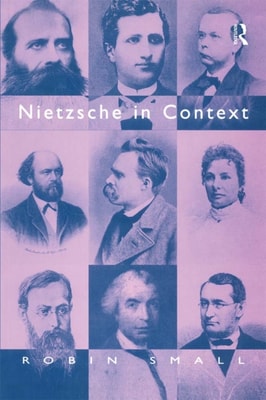
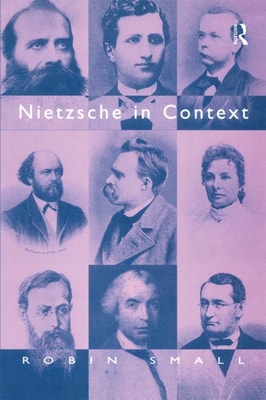
Nietzsche in Context presents a comprehensive reinterpretation of Nietzsche's thought, placing Nietzsche in the context of the philosophers of his own time.
Nietzsche in Context presents a comprehensive reinterpretation of Nietzsche's thought, placing Nietzsche in the context of the philosophers of his own time.
Through a reassessment of phrenology, Phrenology and the Origins of Victorian Scientific Naturalism sheds light on all kinds of works in Victorian Britain and America which have previously been unnoticed or were simply referred to with a vague 'naturalism of the times' explanation.
Through a reassessment of phrenology, Phrenology and the Origins of Victorian Scientific Naturalism sheds light on all kinds of works in Victorian Britain and America which have previously been unnoticed or were simply referred to with a vague 'naturalism of the times' explanation.
The focus of this study is the perception of nature in the language of poetry and the languages of natural philosophy, technology, theology, and global exploration, primarily in seventeenth-century England.
The focus of this study is the perception of nature in the language of poetry and the languages of natural philosophy, technology, theology, and global exploration, primarily in seventeenth-century England.
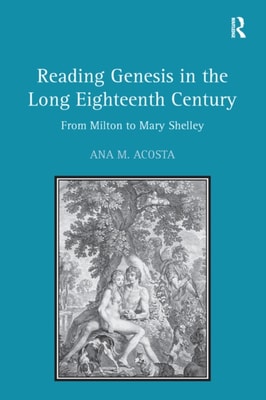
In a reassessment of the long-accepted division between religion and enlightenment, Ana Acosta here traces a tissue of readings and adaptations of Genesis and Scriptural language from Milton through Rousseau to Wollstonecraft and Mary Shelley.
In a reassessment of the long-accepted division between religion and enlightenment, Ana Acosta here traces a tissue of readings and adaptations of Genesis and Scriptural language from Milton through Rousseau to Wollstonecraft and Mary Shelley.
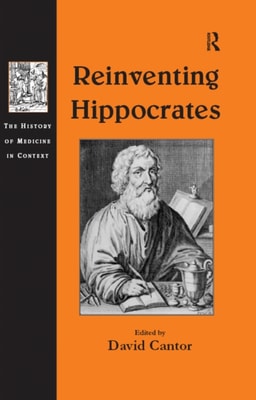
The name of Hippocrates has been invoked as an inspiration of medicine since antiquity, and medical practitioners have turned to Hippocrates for ethical and social standards.
The name of Hippocrates has been invoked as an inspiration of medicine since antiquity, and medical practitioners have turned to Hippocrates for ethical and social standards.
Starting with an essay on the Renaissance as the concluding phase of the Middle Ages and ending with appreciations of Paul Oskar Kristeller, the great twentieth-century scholar of the Renaissance, this new volume by John Monfasani brings together seventeen articles that focus both on individuals, such as Erasmus of Rotterdam, Angelo Poliziano, Marsilio Ficino, and NiccolA2 Perotti, and on large-scale movements, such as the spread of Italian humanism, Ciceronianism, Biblical criticism, and the Plato-Aristotle Controversy.
Starting with an essay on the Renaissance as the concluding phase of the Middle Ages and ending with appreciations of Paul Oskar Kristeller, the great twentieth-century scholar of the Renaissance, this new volume by John Monfasani brings together seventeen articles that focus both on individuals, such as Erasmus of Rotterdam, Angelo Poliziano, Marsilio Ficino, and NiccolA2 Perotti, and on large-scale movements, such as the spread of Italian humanism, Ciceronianism, Biblical criticism, and the Plato-Aristotle Controversy.
Considering what has been described as an Age of Revolutions, Black assesses a formative period in world history by examining the North American, European, Haitian and Latin American Revolutions.
Considering what has been described as an Age of Revolutions, Black assesses a formative period in world history by examining the North American, European, Haitian and Latin American Revolutions.
Illuminating and comprehensive, this excellent volume addresses the problematic relationship between democratic institutions and the current critique of enlightenment and modernity.
Illuminating and comprehensive, this excellent volume addresses the problematic relationship between democratic institutions and the current critique of enlightenment and modernity.