First published in 1998, this valuable reference work offers concise, expert answers to questions on all aspects of life and culture in Medieval England, including art, architecture, law, literature, kings, women, music, commerce, technology, warfare and religion.
First published in 2001, Medieval Germany: An Encyclopedia provides a comprehensive guide to the German and Dutch-speaking world in the Middle Ages, from approximately C.
First published in 2001, Medieval Germany: An Encyclopedia provides a comprehensive guide to the German and Dutch-speaking world in the Middle Ages, from approximately C.
First published in 1993, Medieval Scandinavia: An Encyclopedia covers every aspect of the region during the Middle Ages, including rulers and saints, overviews of the countries, religion, education, politics and law, culture and material life, history, literature, and art.
First published in 1993, Medieval Scandinavia: An Encyclopedia covers every aspect of the region during the Middle Ages, including rulers and saints, overviews of the countries, religion, education, politics and law, culture and material life, history, literature, and art.
How particular has Southeast Asia's experience of educational development been, and has this led to an identifiably distinct Southeast Asian approach to the provision of education?
How particular has Southeast Asia's experience of educational development been, and has this led to an identifiably distinct Southeast Asian approach to the provision of education?
First published in 2004, Medieval Italy: An Encyclopedia provides an introduction to the many and diverse facets of Italian civilization from the late Roman empire to the end of the fourteenth century.
First published in 2004, Medieval Italy: An Encyclopedia provides an introduction to the many and diverse facets of Italian civilization from the late Roman empire to the end of the fourteenth century.
First published in 2004, Medieval Italy: An Encyclopedia provides an introduction to the many and diverse facets of Italian civilization from the late Roman empire to the end of the fourteenth century.
First published in 2004, Medieval Italy: An Encyclopedia provides an introduction to the many and diverse facets of Italian civilization from the late Roman empire to the end of the fourteenth century.
First published in 2000, Trade, Travel, and Exploration: An Encyclopedia covers the people, places, technologies, and intellectual concepts that contributed to trade, travel and exploration during the Middle Ages, from the years C.
First published in 2000, Trade, Travel, and Exploration: An Encyclopedia covers the people, places, technologies, and intellectual concepts that contributed to trade, travel and exploration during the Middle Ages, from the years C.
The Modernization of the Western World presents an overview of the history of Western civilization and provides readers with the intellectual tools they need to comprehend how societies function and change.
The Modernization of the Western World presents an overview of the history of Western civilization and provides readers with the intellectual tools they need to comprehend how societies function and change.
The goal of this project is to locate the origins and development of modern thought in the United States and East Asia in the late nineteenth and early twentieth century.
The goal of this project is to locate the origins and development of modern thought in the United States and East Asia in the late nineteenth and early twentieth century.
Faced with the challenge of new ideological emphases and subjects of study, academic history has undergone significant changes in its contents in the past half-century.
Faced with the challenge of new ideological emphases and subjects of study, academic history has undergone significant changes in its contents in the past half-century.
Despite the fact that respectability is universally recognized as a feature of nineteenth-century society, it has seldom been studied as a subject in itself.
Despite the fact that respectability is universally recognized as a feature of nineteenth-century society, it has seldom been studied as a subject in itself.
In the late 19th century and early part of the 20th, with the coming of age of sociology in France, the idea that there could be a "e;science"e; of history was the subject of much and varied debate.
In the late 19th century and early part of the 20th, with the coming of age of sociology in France, the idea that there could be a "e;science"e; of history was the subject of much and varied debate.
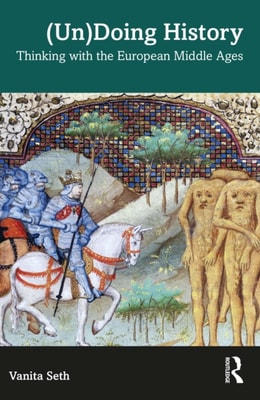
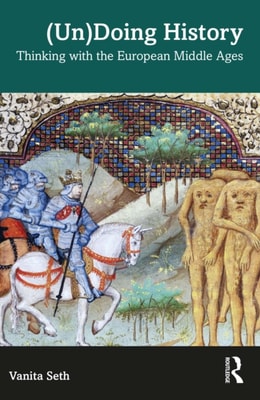
Against the grain of much contemporary scholarship within medieval studies, this work emphasizes the radical alterity and historical rupture that the Middle Ages represents in European history.
Bringing together in one volume the key writings of many of the major historians from the last few decades, Historians on History provides an overview of the evolving nature of historical enquiry, illuminating the political, social and personal assumptions that have governed and sustained historical theory and practice.
Bringing together in one volume the key writings of many of the major historians from the last few decades, Historians on History provides an overview of the evolving nature of historical enquiry, illuminating the political, social and personal assumptions that have governed and sustained historical theory and practice.
Against the grain of much contemporary scholarship within medieval studies, this work emphasizes the radical alterity and historical rupture that the Middle Ages represents in European history.
The 'history of ideas', better known these days as intellectual history, is a flourishing field of study which has been the object of much controversy but hardly any historical exploration.
The 'history of ideas', better known these days as intellectual history, is a flourishing field of study which has been the object of much controversy but hardly any historical exploration.
Fifteen of these essays by one of the leading authorities on Renaissance Platonism explore the complex philosophical, hermeneutical, and mythological issues addressed by the Florentine, Marsilio Ficino (1433-99).
Fifteen of these essays by one of the leading authorities on Renaissance Platonism explore the complex philosophical, hermeneutical, and mythological issues addressed by the Florentine, Marsilio Ficino (1433-99).
Without denying the real importance of the more 'traditional' tasks of a historian of ideas or scholar of literature - the edition of a text and research into its sources and influence - Professor Flint's objective has been to look sideways from the texts, so into the society to which their authors belonged.
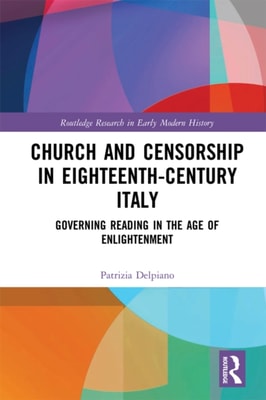
Dealing with the issue of ecclesiastical censorship and control over reading and readers, this study challenges the traditional view that during the eighteenth century the Catholic Church in Italy underwent an inexorable decline.
Dealing with the issue of ecclesiastical censorship and control over reading and readers, this study challenges the traditional view that during the eighteenth century the Catholic Church in Italy underwent an inexorable decline.
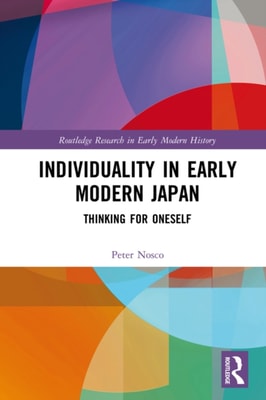
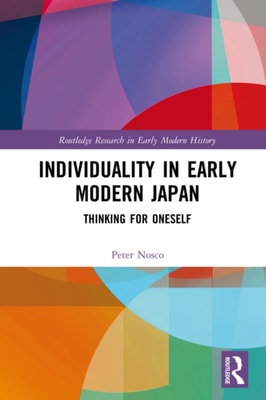
Two of the most commonly alleged features of Japanese society are its homogeneity and its encouragement of conformity, as represented by the saying that the nail that sticks up gets pounded.
Two of the most commonly alleged features of Japanese society are its homogeneity and its encouragement of conformity, as represented by the saying that the nail that sticks up gets pounded.