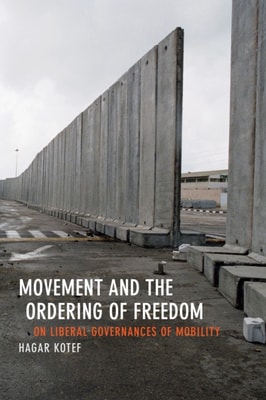
We live within political systems that increasingly seek to control movement, organized around both the desire and ability to determine who is permitted to enter what sorts of spaces, from gated communities to nation-states.
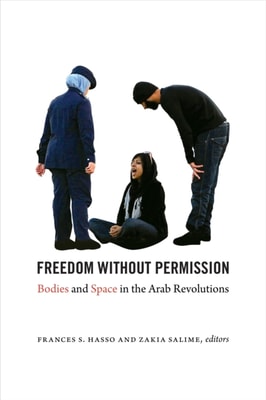
As the 2011 uprisings in North Africa reverberated across the Middle East, a diverse cross section of women and girls publicly disputed gender and sexual norms in novel, unauthorized, and often shocking ways.
Pursuing Justice in Africa focuses on the many actors pursuing many visions of justice across the African continenttheir aspirations, divergent practices, and articulations of international and vernacular idioms of justice.
In Slavery, Agriculture, and Malaria in the Arabian Peninsula, Benjamin Reilly illuminates a previously unstudied phenomenon: the large-scale employment of people of African ancestry as slaves in agricultural oases within the Arabian Peninsula.
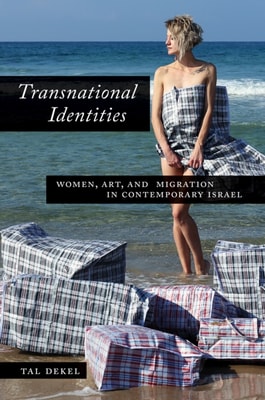
A polyphonic collection of voices of migrant women artists in Israel that reflects their individual and collective experiences of migration and in particular, the gendered aspects of uprooting and re-grounding in a steadily expanding transnational reality of the ethno-national state.
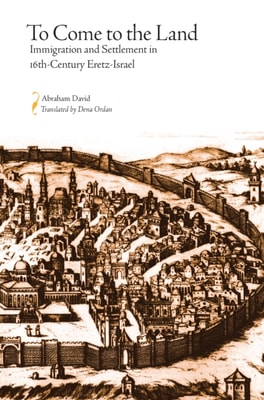
To Come to the Land makes available in English a vast body of research, previously available only in Hebrew, on the early history of the land now known as Israel.
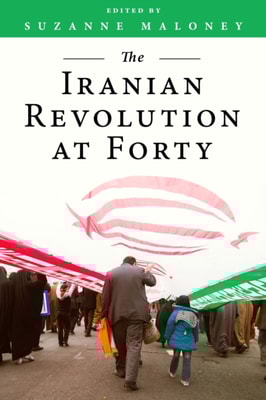
How Iranand the world around ithave changed in the four decades since a revolutionary theocracy took powerIran's 1979 revolution is one of the most important events of the late twentieth century.
In September 1978, William Quandt, a member of the White House National Security Council staff, spent thirteen momentous days at Camp David, the presidential retreat in Maryland, where three world leaders were holding secret negotiations.
In September 1978, William Quandt, a member of the White House National Security Council staff, spent thirteen momentous days at Camp David, the presidential retreat in Maryland, where three world leaders were holding secret negotiations.
The dilemma felt by Arab youth was captured in Tunisia by the selfimmolation in 2010 of Mohamed Bouazizi, who was frustrated by restrictions on his small street-vending business.
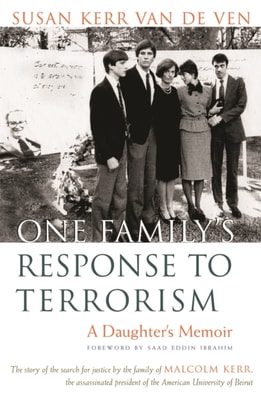
On January 18, 1984, Malcolm Kerr, president of the American University of Beirut and a respected scholar of Middle East politics, was shot in the back of the head as he stepped out of an elevator on his way to work.
The history of Jerusalem as traditionally depicted is the quintessential history of conflict and strife, of ethnic tension, and of incompatible national narratives and visions.
Emerging in the early 1970s, the Organization of Iranian People's Fadai Guerrillas (OIPFG) became one of the most important secular leftist political organizations in Iran.
Hndiyya al-'Ujaimi, a young eighteenth-century nun whose faith was matched by her ambition and intellect, lies at the heart of this absorbing history of Middle Eastern Christianity.
The eighteen essays in this volume cover a wide range of material and reevaluate women's studies and Middle Eastern studies, Muslim women and the Shari'a courts, the Ottoman household, Dhimmi communities, children and family law, morality, and violence.
A polyphonic collection of voices of migrant women artists in Israel that reflects their individual and collective experiences of migration and in particular, the gendered aspects of uprooting and re-grounding in a steadily expanding transnational reality of the ethno-national state.
These folktales remain a powerful link between modern-day Spanish Jews and the Hispano-Jewish legacy-this collection passes along that legacy and provides a source of the customs and values of Sephardic Jews.
A study of the Iraqi Jewish community of Zakho that investigates the community s attachment to the Land of Israel, the effects of Zionist activity, and immigration to Palestine and Israel.
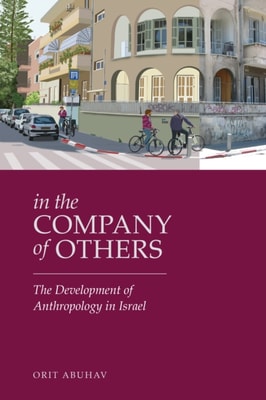
Abuhav brings a firsthand perspective to the crises and the highs, lows, and upheavals of the discipline in Israeli anthropology, which will be of interest to anthropologists, historians of the discipline, and scholars of Israeli studies.
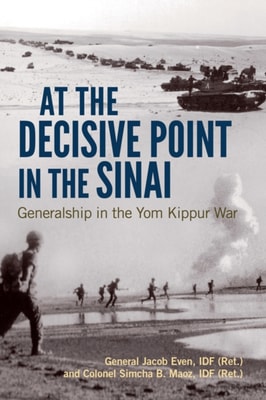
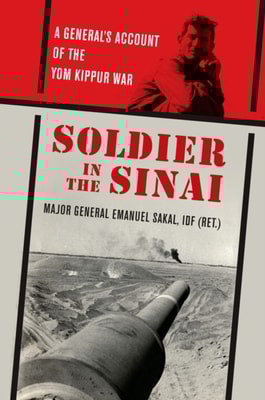
In surprise attacks on Israel in October 1973, Egyptian and Syrian forces crossed ceasefire lines to enter the Israeli-held Sinai Peninsula and Golan Heights, igniting what became known as the Yom Kippur War.
In surprise attacks on Israel in October 1973, Egyptian and Syrian forces crossed ceasefire lines to enter the Israeli-held Sinai Peninsula and Golan Heights, igniting what became known as the Yom Kippur War.
In the late 1800s, Southern evangelicals believed contemporary troubles-everything from poverty to political corruption to violence between African Americans and whites-sprang from the bottles of "e;demon rum"e; regularly consumed in the South.
"e;Spanning virtually the entire twentieth century and as timely as the outbreak of the 2011 'January Revolution,' this work has much to say about where Egypt has been, who Egyptians are and, ultimately, where they may take their country.
Entanglements explores the clash of cultures and personalities among fishermen, scientists, and whale advocates struggling to save both the endangered North Atlantic right whale and the livelihoods of thousands of Atlantic coastal families.
Examines collective memory, oral histories, and everyday communications to reveal not just the history of mid-twentieth-century Egypt but also the ways in which ordinary people experience and remember the past.
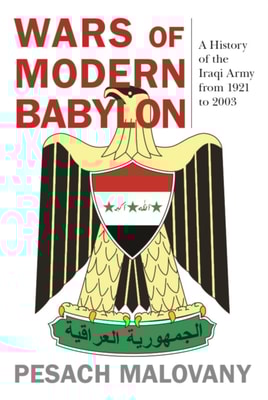
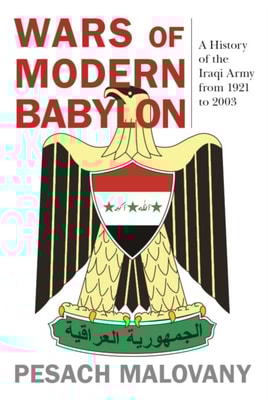
Previously published histories and primary source collections on the Iraqi experience tend to be topically focused or dedicated to presenting a top-down approach.