Edward Said, the famous Palestinian American scholar and activist, was one of the twentieth century's most iconic public intellectuals, whose pioneering and – to some – controversial work on Orientalism shaped Middle Eastern and postcolonial studies and beyond.
Edward Said, the famous Palestinian American scholar and activist, was one of the twentieth century's most iconic public intellectuals, whose pioneering and – to some – controversial work on Orientalism shaped Middle Eastern and postcolonial studies and beyond.
In Twelver Shi'a Islam, the wait for the return of the Twelfth Imam, Muhammad ibn al-Hasan al-Mahdi, at the end of time, overshadowed the value of actively seeking martyrdom.
In Twelver Shi'a Islam, the wait for the return of the Twelfth Imam, Muhammad ibn al-Hasan al-Mahdi, at the end of time, overshadowed the value of actively seeking martyrdom.
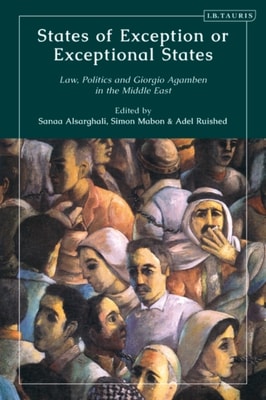
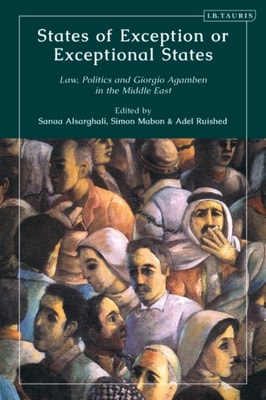
This book explores the application of the work of the philosopher Giorgio Agamben to the post-Arab Uprisings in the Middle East, considering the evolution of regime-society relations that ultimately erupted in violence in the early months of 2011.
This book explores the application of the work of the philosopher Giorgio Agamben to the post-Arab Uprisings in the Middle East, considering the evolution of regime-society relations that ultimately erupted in violence in the early months of 2011.
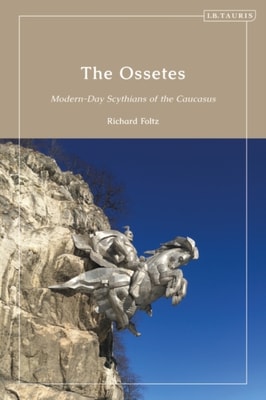
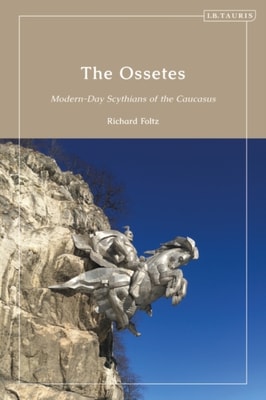
The Ossetes, a small nation inhabiting two adjacent states in the central Caucasus, are the last remaining linguistic and cultural descendants of the ancient nomadic Scythians who dominated the Eurasian steppe from the Balkans to Mongolia for well over one thousand years.
The Ossetes, a small nation inhabiting two adjacent states in the central Caucasus, are the last remaining linguistic and cultural descendants of the ancient nomadic Scythians who dominated the Eurasian steppe from the Balkans to Mongolia for well over one thousand years.
During the early medieval Islamicate period (800–1400 CE), discourses concerned with music and musicians were wide-ranging and contentious, and expressed in works on music theory and philosophy as well as literature and poetry.
During the early medieval Islamicate period (800–1400 CE), discourses concerned with music and musicians were wide-ranging and contentious, and expressed in works on music theory and philosophy as well as literature and poetry.
Winner of the Counter Current Award at the 2023 Palestine Book AwardsAll national identities are somewhat fluid, held together by collective beliefs and practices as much as official territory and borders.
Winner of the Counter Current Award at the 2023 Palestine Book AwardsAll national identities are somewhat fluid, held together by collective beliefs and practices as much as official territory and borders.
Memoirs of diasporic Iranian-American authors are a unique and culturally powerful way in which Iran, its politics, and people are understood in the USA and the rest of the world.
Memoirs of diasporic Iranian-American authors are a unique and culturally powerful way in which Iran, its politics, and people are understood in the USA and the rest of the world.
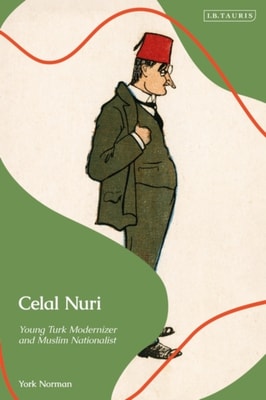
The Turkish journalist and intellectual Celal Nuri Ileri's unique blend of advocacy for modernity and westernization with Turkish nationalism and Muslim reformism set him apart from his fellow “Young Turk” thinkers, politicians and publicists, all of whom sought to halt the decay of the Ottoman Empire in its competition with the European powers.
The Turkish journalist and intellectual Celal Nuri Ileri's unique blend of advocacy for modernity and westernization with Turkish nationalism and Muslim reformism set him apart from his fellow “Young Turk” thinkers, politicians and publicists, all of whom sought to halt the decay of the Ottoman Empire in its competition with the European powers.
As the UK enters a period of intense public introspection in the wake of Brexit, this book takes on one of the key questions emerging from the divisive process: what is Britain's place in the world?
As the UK enters a period of intense public introspection in the wake of Brexit, this book takes on one of the key questions emerging from the divisive process: what is Britain's place in the world?
Central to the nineteenth-century Ottoman Tanzimat reform project, the novel originally developed outside of Ottoman space, yet was adopted as a didactic tool to model and generate new forms of Ottoman citizenship.
Central to the nineteenth-century Ottoman Tanzimat reform project, the novel originally developed outside of Ottoman space, yet was adopted as a didactic tool to model and generate new forms of Ottoman citizenship.
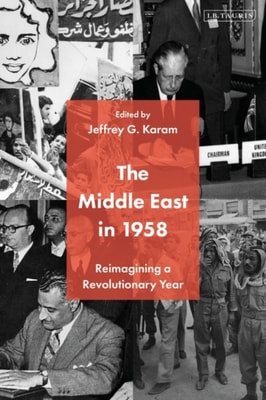
The revolutionary year of 1958 epitomizes the height of the social uprisings, military coups, and civil wars that erupted across the Middle East and North Africa in the mid-twentieth century.
The revolutionary year of 1958 epitomizes the height of the social uprisings, military coups, and civil wars that erupted across the Middle East and North Africa in the mid-twentieth century.
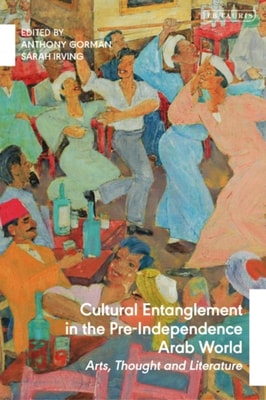
This book examines the ways in which non-Arabic cultural influences interacted with the rich, complex and sometimes conflictual environment of the Arab world in the pre-independence era.
This book examines the ways in which non-Arabic cultural influences interacted with the rich, complex and sometimes conflictual environment of the Arab world in the pre-independence era.
The West's actions in the Middle East are based on a fundamental misunderstanding: political Islam is repeatedly assumed to be the main cause of conflict and unrest in the region.
The West's actions in the Middle East are based on a fundamental misunderstanding: political Islam is repeatedly assumed to be the main cause of conflict and unrest in the region.
The emergence of the Balkan national states in the nineteenth and twentieth centuries has long been viewed through an Orientalist lens, and their birth and evolution traditionally seen by scholars as the effect of the Ottoman Empire's decline.
The emergence of the Balkan national states in the nineteenth and twentieth centuries has long been viewed through an Orientalist lens, and their birth and evolution traditionally seen by scholars as the effect of the Ottoman Empire's decline.
When the Syrian regime used sarin and other chemical weapons against dissidents in August 2013, an estimated 1729 people were killed including 400 children.