A profoundly different way of looking the Israeli-Palestinian conflictReporting from Jerusalem for The New York Times and Fox News respectively, Greg Myre and Jennifer Griffin, witnessed a decades-old conflict transformed into a completely new war.
The Eastern Mediterranean in the Age of Ramesses II offers a transnational perspective on the age of King Ramesses II of Egypt during the centuries of 1500 to 1200 BC.
The New York Times bestselling author of The Case for Israel takes on the greatest threats faced by Israel todayIn addition to Hamas, which provoked the recent war and Gaza with its rocket attacks on Israeli civilians, Alan Dershowtiz argues that Israel's most dangerous enemies include Jimmy Carter and other western leaders who would delegitimize Israel as an apartheid regime subject to the same fate as white South Africans; Israel's academic enemies, led by professors Stephen Walt and John Mearsheimer, who would accuse supporters of Israel of dual loyalty and indeed disloyalty to America; and Iran, led by Mahmoud Ahmadinejad, which threatens Israel by its development of nuclear weapons, which it has publicly threatened to use against the Jewish state.
Religious traditions in the United States are characterized by ongoing tension between assimilation to the broader culture, as typified by mainline Protestant churches, and defiant rejection of cultural incursions, as witnessed by more sectarian movements such as Mormonism and Hassidism.
This anthology examines and deconstructs what Israeli security looks like and how its various security identities have evolved both before the establishment of the state and in the years and decades since 1948.
This anthology examines and deconstructs what Israeli security looks like and how its various security identities have evolved both before the establishment of the state and in the years and decades since 1948.
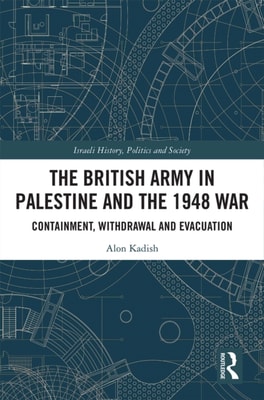
Following the end of the Second World War, the main mission of the British Army in Palestine was to contain Jewish attacks and illegal immigration while the fate of the Mandate was being decided.
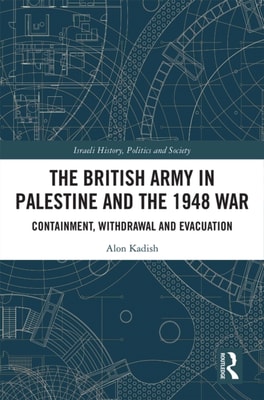
Following the end of the Second World War, the main mission of the British Army in Palestine was to contain Jewish attacks and illegal immigration while the fate of the Mandate was being decided.
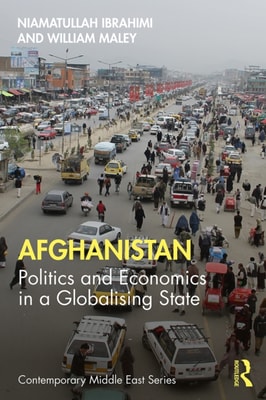
This book offers an overview of the formation of the Afghan state and of the politics, economic challenges and international relations of contemporary Afghanistan.
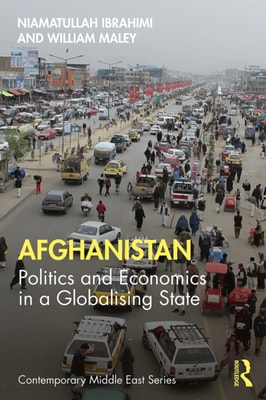
This book offers an overview of the formation of the Afghan state and of the politics, economic challenges and international relations of contemporary Afghanistan.
Since the nineteenth-century rediscovery of the Gilgamesh epic, we have known that the Bible imports narratives from outside of Israelite culture, refiguring them for its own audience.
Since the nineteenth-century rediscovery of the Gilgamesh epic, we have known that the Bible imports narratives from outside of Israelite culture, refiguring them for its own audience.
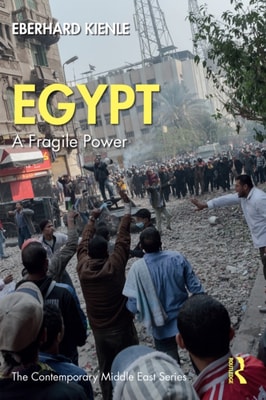
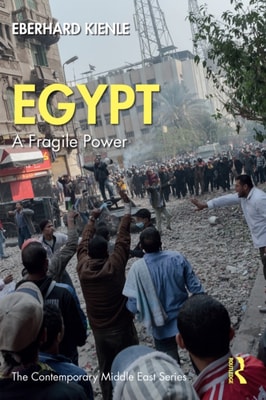
Focusing on authoritarian rule, unresolved economic challenges, and external dependency, the volume explains the salient political and economic features of contemporary Egypt against the backdrop of its history since the beginning of the 19th century.
Focusing on authoritarian rule, unresolved economic challenges, and external dependency, the volume explains the salient political and economic features of contemporary Egypt against the backdrop of its history since the beginning of the 19th century.
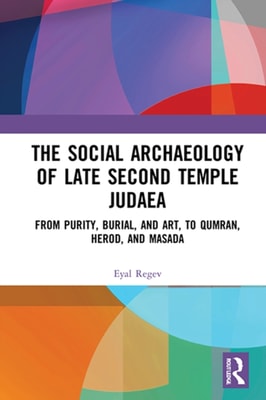
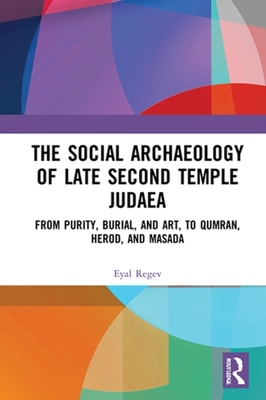
This book analyzes social ideology and social relationships in late Second Temple Judaea, studying a range of archaeological material and sites to better understand both communal and individual trends in Jerusalem and its environs.
This book analyzes social ideology and social relationships in late Second Temple Judaea, studying a range of archaeological material and sites to better understand both communal and individual trends in Jerusalem and its environs.
The Making of the Modern Chinese State: 1600-1950 offers an historical analysis of the formation of the modern Chinese state from the seventeenth century to the mid-twentieth centuries, providing refreshing and provocative interpretations on almost every major issue regarding the rise of modern China.
The Making of the Modern Chinese State: 1600-1950 offers an historical analysis of the formation of the modern Chinese state from the seventeenth century to the mid-twentieth centuries, providing refreshing and provocative interpretations on almost every major issue regarding the rise of modern China.
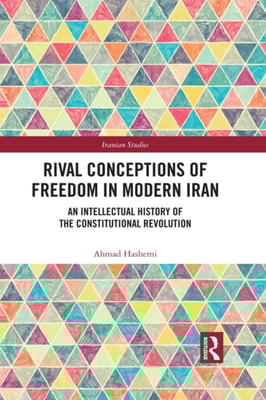
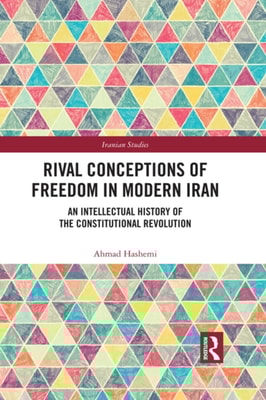
Rival Conceptions of Freedom in Modern Iran is an original historiographic examination of the idea of freedom in early modern Iran within a larger context of the formation of modern Muslim thought.
Rival Conceptions of Freedom in Modern Iran is an original historiographic examination of the idea of freedom in early modern Iran within a larger context of the formation of modern Muslim thought.
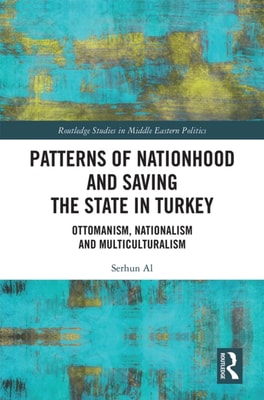
Patterns of Nationhood and Saving the State in Turkey tackles a theoretical puzzle in understanding the state policy changes toward minorities and nationhood, first by placing the state in the historical context of the international system and second by unpacking the state through analysis of intra-elite competition in relation to the counter-discourses by minority groups within the context of the Ottoman Empire and Turkey.
Patterns of Nationhood and Saving the State in Turkey tackles a theoretical puzzle in understanding the state policy changes toward minorities and nationhood, first by placing the state in the historical context of the international system and second by unpacking the state through analysis of intra-elite competition in relation to the counter-discourses by minority groups within the context of the Ottoman Empire and Turkey.
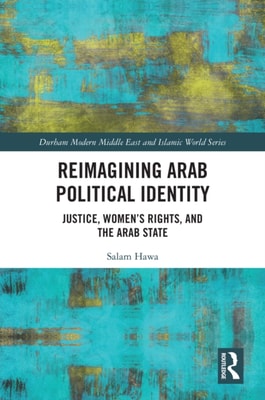
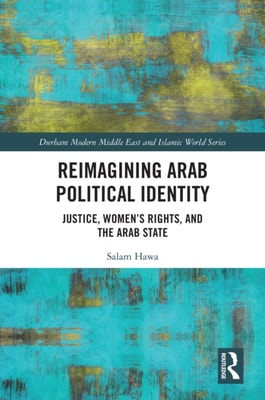
This book discusses the idea that Arab cultural and political identity has been suppressed by centuries of dominance by imperial outsiders and by religious and nationalist ideologies with the result that present day Arab societies are characterised by a crisis of identity where fundamentalism or chaos seem to be the only available choices.
This book discusses the idea that Arab cultural and political identity has been suppressed by centuries of dominance by imperial outsiders and by religious and nationalist ideologies with the result that present day Arab societies are characterised by a crisis of identity where fundamentalism or chaos seem to be the only available choices.
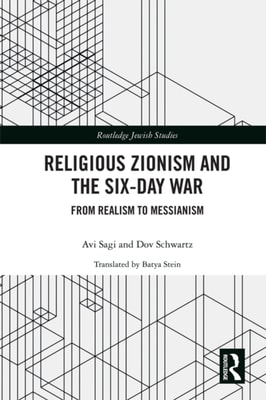
This book offers a new insight into the political, social, and religious conduct of religious-Zionism, whose consequences are evident in Israeli society today.