A vivid and incisive analysis of the complex relationship between Israel and its Palestinian citizens written by an acclaimed Israeli historian For more than 60 years, hundreds of thousands of Palestinians have lived as Israeli citizens within the borders of the nation formed at the end of the 1948 conflict.
A searing account of the UN resolution to partition Palestine, and its bloody aftermath The 1947 UN resolution to partition Palestine irrevocably changed the political landscape of the Middle East, giving rise to six full-fledged wars between Arabs and Jews, countless armed clashes, blockades, and terrorism, as well as a profound shattering of Palestinian Arab society.
This comprehensive book provides a well-rounded introduction to Israel—a definitive account of the nation's past, its often controversial present, and much more.
Benny Morris demolishes misconceptions and provides a comprehensive history of the Israeli-Arab war of 1948 This history of the foundational war in the Arab-Israeli conflict is groundbreaking, objective, and deeply revisionist.
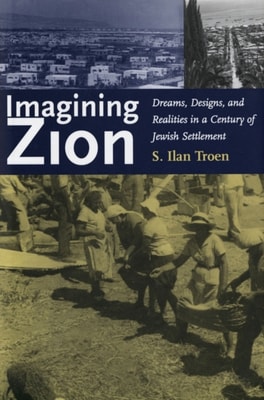
This timely book tells the fascinating story of how Zionists colonizers planned and established nearly 700 agricultural settlements, towns, and cities from the 1880s to the present.
The synagogue was one of the most central and revolutionary institutions of ancient Judaism, leaving an indelible mark on Christianity and Islam as well.
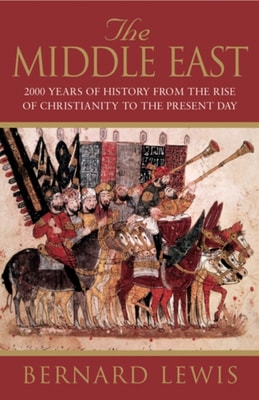
A brilliant survey of the history and civilisations of the Middle East by one of the world's greatest authorities on the subjectIn this immensely readable and wide-ranging book, Bernard Lewis charts the successive transformations of the Middle East, beginning with the two great empires, the Roman and the Persian, and covering the growth of Christianity, the rise and spread of Islam, the waves of invaders from the east, the Mongol hordes of Jengiz Khan, the rise of the Ottoman Turks, and the changing balance of power between the Muslim and Christian worlds.
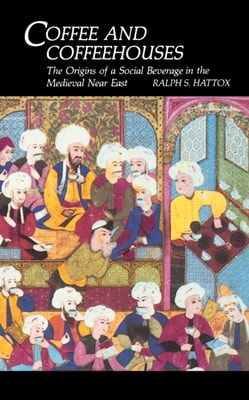
Drawing on the accounts of early European travelers, original Arabic sources on jurisprudence and etiquette, and treatises on coffee from the period, the author recounts the colorful early history of the spread of coffee and the influence of coffeehouses in the medieval Near East.
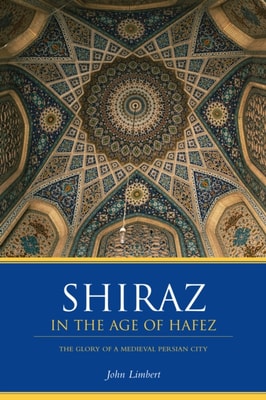
In the fourteenth-century Persian city of Shiraz, poets composed, scholars studied, mystics sought hidden truths, ascetics prayed and fasted, drunkards brawled, and princes and their courtiers played deadly games of power.
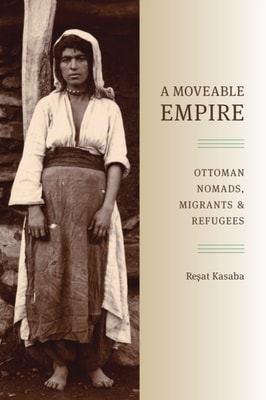
A Moveable Empire examines the history of the Ottoman Empire through a new lens, focusing on the migrant groups that lived within its bounds and their changing relationship to the state's central authorities.
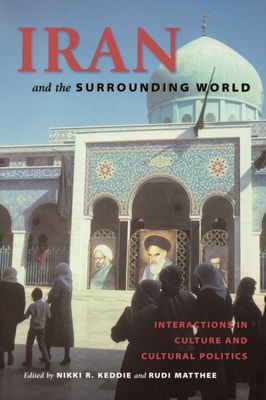
These essays examine Irans place in the world--its relations and cultural interactions with its immediate neighbors and with empires and superpowers from the beginning of the Safavid period in 1501 to the present day.
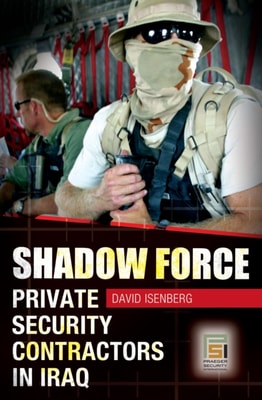
From their limited use in China during World War II, for example, to their often clandestine use in Vietnam ferrying supplies before the war escalated in 1964 and 1965 when their role became more prominent-and public-private military contractors (PMCs) have played made essential contributions to the success and failures of the military and United States.
A comprehensive examination of this deeply traditional Christian religion as it confronts modernityThough the Coptic Orthodox Church of Egypt is among the oldest Christian communities in the world, it remained relatively unknown outside of Egypt for most of its existence.
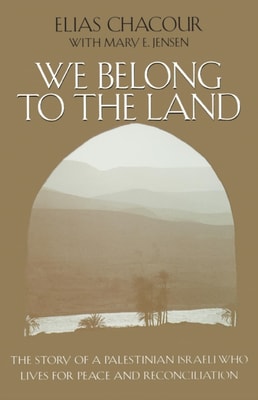
We Belong to the Land, the gripping autobiography of Nobel Peace Prize nominee Elias Chacour, capture his life's work toward peace and reconciliation for Israeli Jews, Christians, and Muslims.
We Belong to the Land, the gripping autobiography of Nobel Peace Prize nominee Elias Chacour, capture his life's work toward peace and reconciliation for Israeli Jews, Christians, and Muslims.
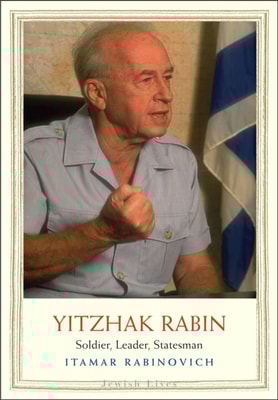
From the prizewinning Jewish Lives series, an insider’s perspective on the life and influence of Israel’s first native-born prime minister, his bold peace initiatives, and his tragic assassination More than two decades have passed since prime minister Yitzhak Rabin’s assassination in 1995, yet he remains an unusually intriguing and admired modern leader.
Robert Vitaliss empirically rich study challenges the left-nationalist paradigm through which twentieth-century Egyptian history and politics has generally been interpreted.
First published in 1973, this anthology has assumed classic status in the field of Egyptology and portrays the remarkable evolution of the literary forms of one of the world's earliest civilizations.
How progressive doctors, medical institutions, and state forces in Turkey use forensic methods to detect, erase, and reveal evidence of state violenceForensic Fantasies explores the role of medical documentation and evidence in uncovering human rights violations.
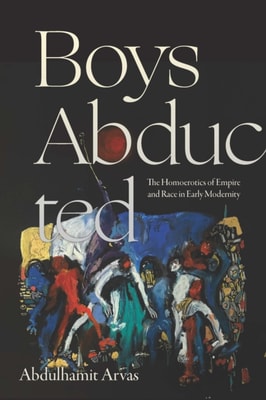
In Boys Abducted, Abdulhamit Arvas explores the history of abducted boys in English and Ottoman literary and visual culture to examine the relationships between homoeroticism, race, and empire in the early modern period.
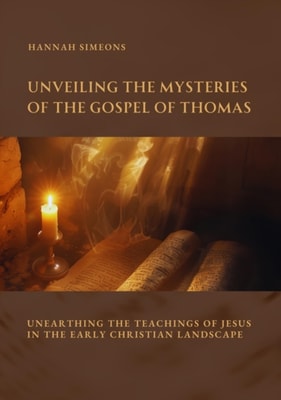
The Gospel of Thomas, one of the most intriguing and enigmatic texts discovered in the Nag Hammadi Library, offers a unique and thought-provoking window into early Christian thought.
Violence and war have raged between Zionists and Palestinians for over a century, ever since Zionists, trying to establish a nation-state in Palestine, were forced to confront the fact that the country was already populated.
In this provocative and wide-ranging history, Joel Beinin examines fundamental questions of ethnic identity by focusing on the Egyptian Jewish community since 1948.
One of the most powerful Islamic militant groups in Africa, Al-Shabaab exerts Taliban-like rule over millions in Somalia and poses a growing threat to stability in the Horn of Africa.
One of the most powerful Islamic militant groups in Africa, Al-Shabaab exerts Taliban-like rule over millions in Somalia and poses a growing threat to stability in the Horn of Africa.
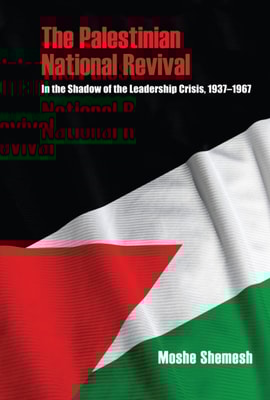
Former Israeli intelligence officer Moshe Shemesh offers a fresh understanding of the complex history and politics of the Middle East in this new analysis of the Palestinian national movement.
Former Israeli intelligence officer Moshe Shemesh offers a fresh understanding of the complex history and politics of the Middle East in this new analysis of the Palestinian national movement.
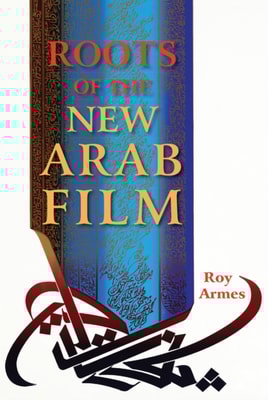
Roots of the New Arab Film deals with the generation of filmmakers from across North Africa and the Middle East who created an international awareness of Arab film from the mid-1980s onwards.
Long viewed as Spain's "e;most Moorish city,"e; Granada is now home to a growing Muslim population of Moroccan migrants and European converts to Islam.
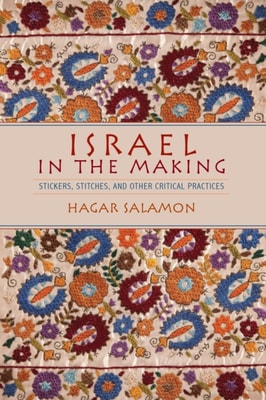
The brilliant kaleidoscope of everyday creativity in Israel is thrown into relief in this study, which teases out the abiding national tensions and contradictions at work in the expressive acts of ordinary people.