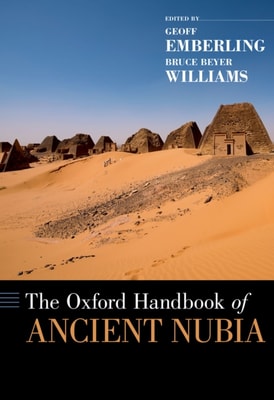
The cultures of Nubia built the earliest cities, states, and empires of inner Africa, but they remain relatively poorly known outside their modern descendants and the community of archaeologists, historians, and art historians researching them.
Today, teachers and performers of Turkish classical music intentionally cultivate melancholies, despite these affects being typically dismissed as remnants of the Ottoman Empire.
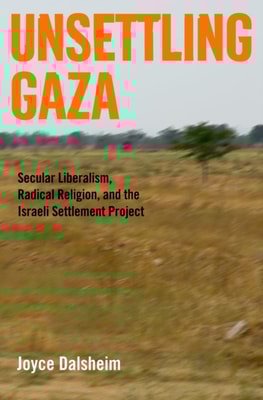
Joyce Dalsheim's ethnographic study takes a ground-breaking approach to one of the most contentious issues in the Middle East: the Israeli settlement project.
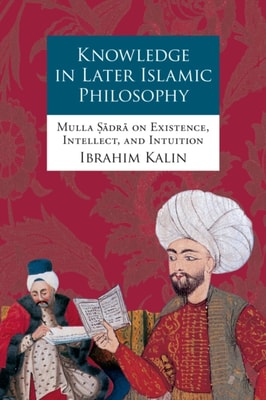
This study looks at how the seventeenth-century philosopher Sadr al-Din al-Shirazi, known as Mulla Sadra, attempted to reconcile the three major forms of knowledge in Islamic philosophical discourses: revelation (Qur'an), demonstration (burhan), and gnosis or intuitive knowledge ('irfan).
This is the first serious attempt to understand modern Iraq through a close examination of the political discourse used by the Ba'th regime and its leader, Saddam Hussein.
Esteemed scholar David Leeming, who has authored more than twelve books on mythology, here offers the first comprehensive narrative study of the mythology of the Middle East, that tumultuous region that was the cradle of civilization.
While there exists no evidence to date that the indigenous inhabitants of Arabia knew of holy war prior to Islam, holy war ideas and behaviors appear already among Muslims during the first generation.
Combining international and domestic perspectives, this book analyzes the transformation of the Ottoman Empire over the nineteenth and twentieth centuries.
Hailed in The New York Times Book Review as "e;the doyen of Middle Eastern studies,"e; Bernard Lewis has been for half a century one of the West's foremost scholars of Islamic history and culture, the author of over two dozen books, most notably The Arabs in History, The Emergence of Modern Turkey, The Political Language of Islam, and The Muslim Discovery of Europe.
With this major revision of his classic The Middle East and the West (1964), a leading Middle East historian of our time offers a definitive and now more-timely-than-ever history of Western-Middle Eastern relations from the late seventeenth century to the present day.
Paul and the Gentile Problem provides a new explanation for the apostle Paul's statements about the Jewish law in his letters to the Romans and Galatians.
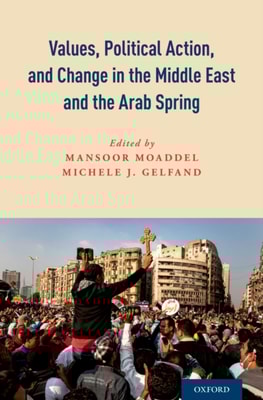
Although many have tried, the spontaneity of the Arab Spring uprisings and the unpredictability of its diverse geographical outcomes have resisted explanation.
Although many have tried, the spontaneity of the Arab Spring uprisings and the unpredictability of its diverse geographical outcomes have resisted explanation.
For many American Muslims, the 9/11 attacks and subsequent War on Terror marked a rise in intense scrutiny of their religious lives and political loyalties.
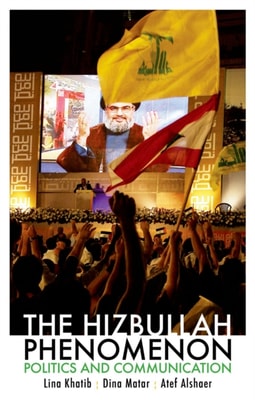
Hizbullah is not only a leading political actor in Lebanon and a dynamic force in the Middle East, but it is also distinguished by a sophisticated communication strategy.
Qatar and the Arab Spring offers a frank examination of Qatar's startling rise to regional and international prominence, describing how its distinctive policy stance toward the Arab Spring emerged.
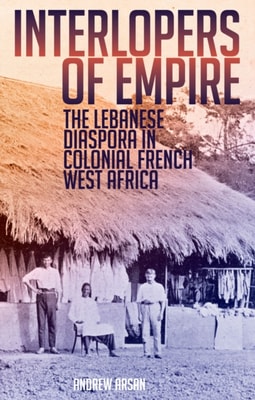
This work is the first comprehensive history of the Lebanese migrant communities of colonial French West Africa, a vast expanse that covered present-day Senegal, Cote d'Ivoire, Mali, Guinea, Benin and Mauritania.
Insecure Gulf examines how the concept of Arabian/Persian Gulf 'security' is evolving in response to new challenges that are increasingly non-military and longer-term.
Hizbullah is not only a leading political actor in Lebanon and a dynamic force in the Middle East, but it is also distinguished by a sophisticated communication strategy.
Qatar and the Arab Spring offers a frank examination of Qatar's startling rise to regional and international prominence, describing how its distinctive policy stance toward the Arab Spring emerged.
This work is the first comprehensive history of the Lebanese migrant communities of colonial French West Africa, a vast expanse that covered present-day Senegal, Cote d'Ivoire, Mali, Guinea, Benin and Mauritania.
Insecure Gulf examines how the concept of Arabian/Persian Gulf 'security' is evolving in response to new challenges that are increasingly non-military and longer-term.