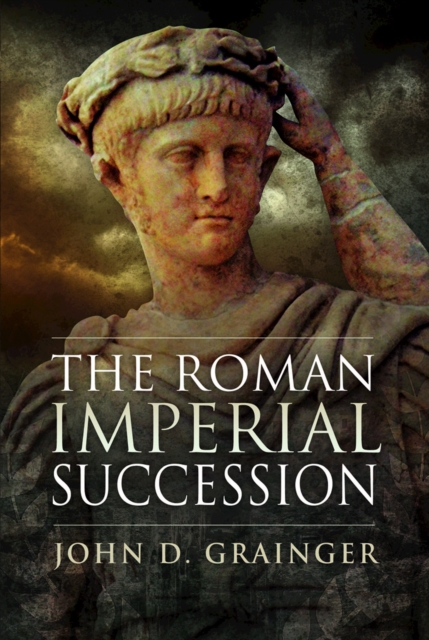
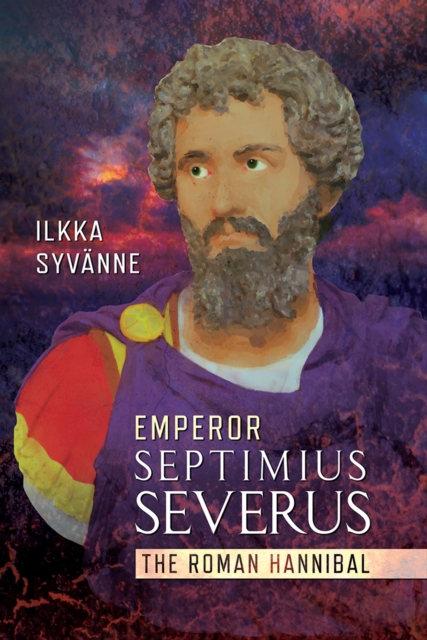
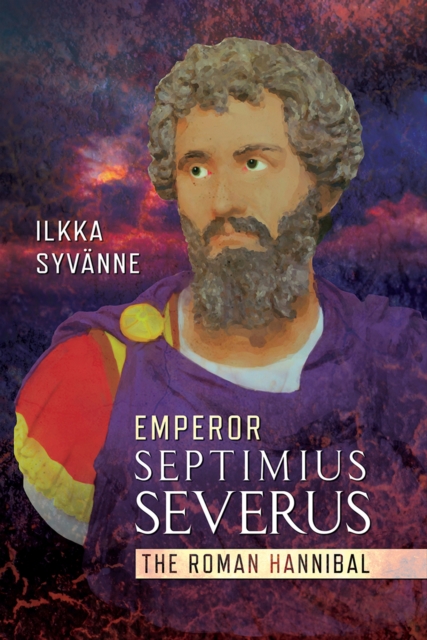
An analysis the Roman imperial succession and the failure to come up with an enduring, consistent system for selecting the next emperor with over 22 genealogical tables and 100 images illustrating the Emperors.
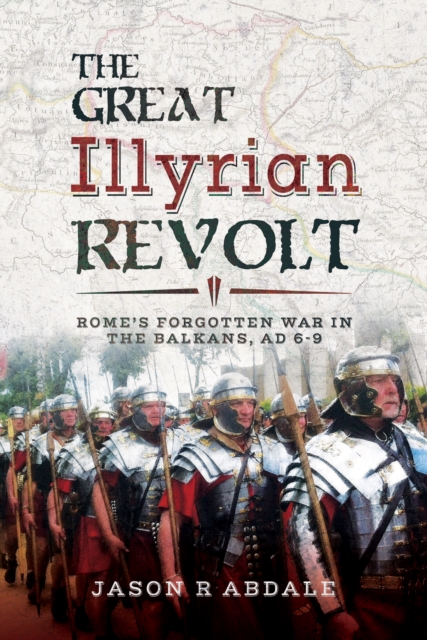
The little-known story of a fierce rebellion against the Romans:"e;A very good read for anyone interested in ancient military history and historiography.
In The Trojan War as Military History, the author's starting point is the fact that the Iliad, notwithstanding the fantastical/mythological elements (the involvement of gods and demigods), is the earliest detailed description of warfare we have.
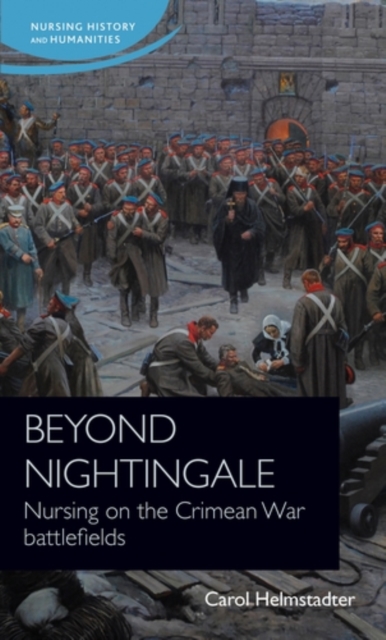
Beyond Nightingale is the first book to explore the inception of modern nursing from a transnational perspective, studying the development of the new military nursing in the five Crimean War armies.
The definitive biography of the legendary "e;first citizen of Athens"e;Pericles has the rare distinction of giving his name to an entire period of history, embodying what has often been taken as the golden age of the ancient Greek world.
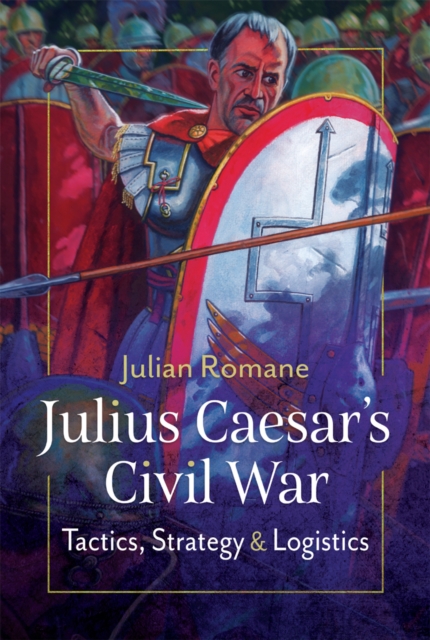
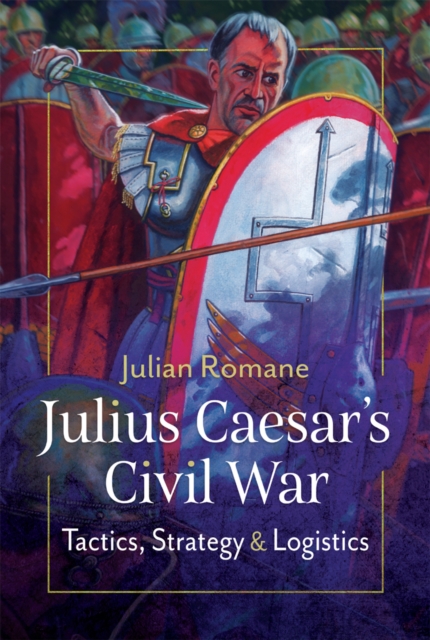
Julian Romane examines the campaigns of Julius Caesar throughout the civil wars that followed his famous crossing of the Rubicon, through to the defeat of the final Pompeian diehards at the battle of Munda.
Julian Romane examines the campaigns of Julius Caesar throughout the civil wars that followed his famous crossing of the Rubicon, through to the defeat of the final Pompeian diehards at the battle of Munda.
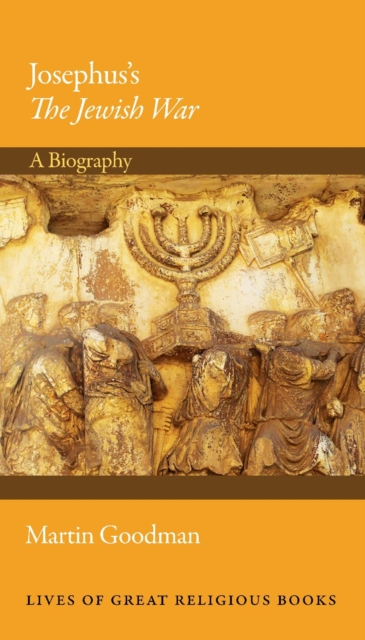
An essential introduction to Josephus's momentous war narrativeThe Jewish War is Josephus's superbly evocative account of the Jewish revolt against Rome, which was crushed in 70 CE with the siege of Jerusalem and the destruction of the Temple.
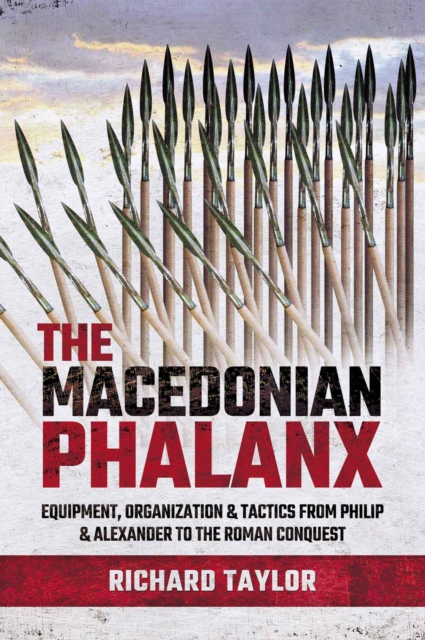
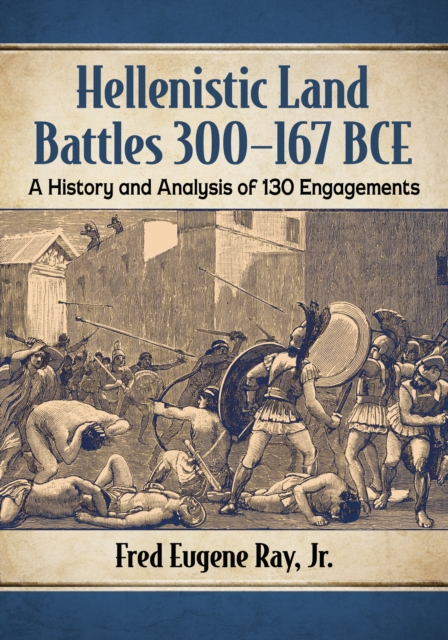
The Hellenistic Period (323-31 BCE) saw the Grecian phalanx--long dominant in Mediterranean warfare--challenged by legionary formations from the rising city-state of Rome.
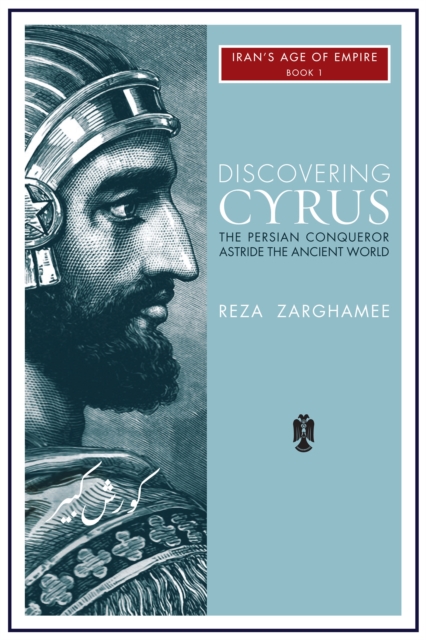
Discovering Cyrus: The Persian Conqueror Astride the Ancient WorldSome of the most fascinating human epochs lie in the borderlands between history and mystery.
A multifaceted exploration of the interplay between civic and military life in ancient RomeThe ancient Romans famously distinguished between civic life in Rome and military matters outside the city-a division marked by the pomerium, an abstract religious and legal boundary that was central to the myth of the city's foundation.
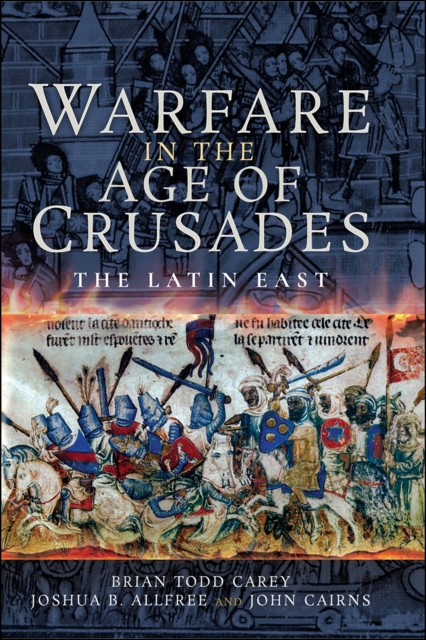
Warfare in the Age of Crusades: The Latin East explores in fascinating detail the key campaigns, battles and sieges that shaped the crusading period of the Middle Ages, giving special attention to military technologies, tactics and strategies.
Desde Sumeria y Babilonia hasta Grecia y Roma: 27 grandes batallas navales, los navíos y sus tácticas: Cumas, Salamina, Actium, Micala, Eurimedón, Arginusas, Egos Pótamos.
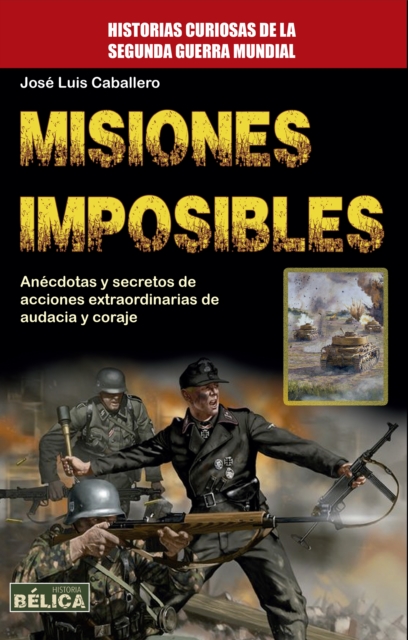
Bombardeos, asesinatos, secuestros, grandes desembarcos, paracaidistas tras las líneas enemigas, la imaginación a la hora de decantar la guerra hacia un lado u otro no tuvo límites durante la Segunda Guerra Mundial, y en la mayor parte de los casos el asunto se dilucidó entre las mentes más preclaras o simplemente por el curso de los acontecimientos.
Del ocaso de un reino al amanecer de un imperio: el encuentro entre Cleopatra, hábil y poderosa soberana de Egipto, y tres grandes protagonistas de la antigua Roma (César, Antonio y Octavio) cambiará para siempre el curso de la historia.
Mar Nuestro para los romanos, mar Blanco para los turcos, Gran Mar para los judíos, mar Medio para los germanos, el Mediterráneo ha recibido tantos nombres como pueblos se acercaron a sus orillas desde la Antigüedad.
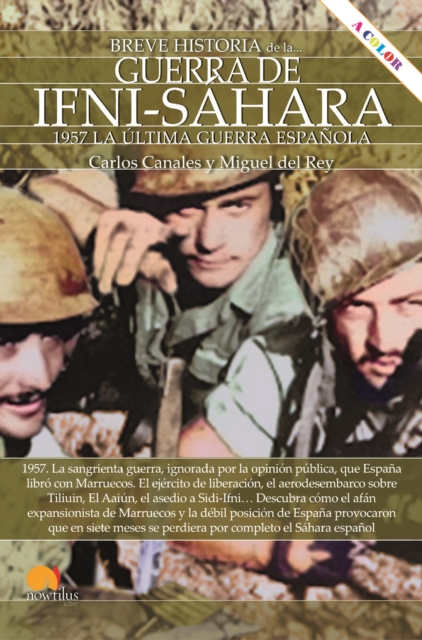
A mediados del siglo XX, Marruecos desarrolló un afán expansionista que supo aprovechar la débil posición internacional de España para arrebatarle en apenas siete meses el Sahara español.
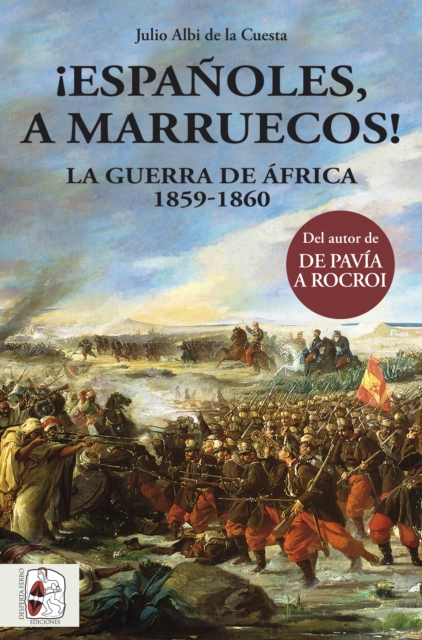
Cargas de coraceros con refulgentes cascos metálicos; agrestes cabileños, de chilabas rayadas; lanceros con multicolores banderolas; la legendaria Guardia Negra, azul y roja; audaces cornetas, casi niños; bellas hebreas; presidiarios encadenados, como salidos de Los miserables; húsares, blancos y celestes; aérea caballería marroquí, envuelta en jaiques fantasmales; misteriosas ciudades santas; arias de Bellini cantadas a la luz de las hogueras por oficiales sentimentales; zocos abigarrados; curtidas cantineras vestidas a la amazona, revólver en cinto; Prim tonante, en los Castillejos; caravanas ondulantes de camellos; ataques a la bayoneta con banderas desplegadas, al compás de músicas y charangas.